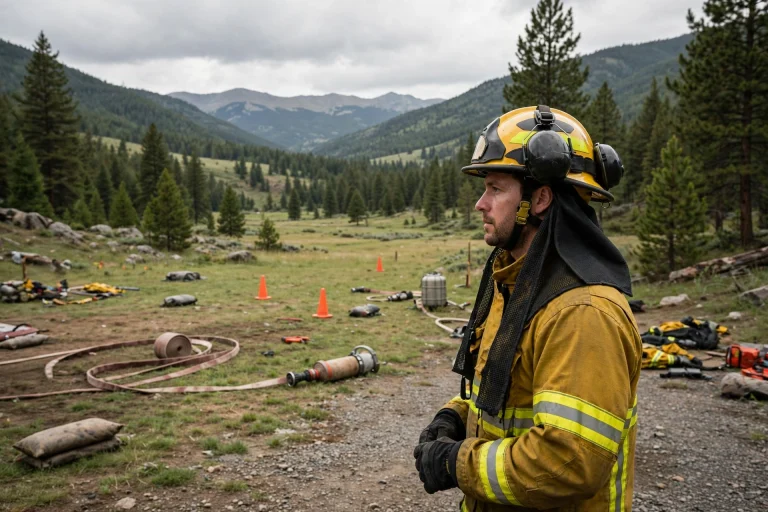
In general terms, cleaning a fire helmet after a call means removing soot, smoke residue, and debris from the shell, wiping down the liner and suspension, and letting everything dry fully before the helmet goes back into service. A clean helmet is not just about appearance: soot and contaminants can degrade materials over time, irritate the skin, and carry unpleasant odours into the next shift, so a proper clean is part of looking after both the helmet and the firefighter.
Cleaning should be done as soon as practical after the incident, once the helmet has cooled and the crew has finished its immediate post-incident tasks. It does not need to take long, but it should be thorough, and it should follow the manufacturer’s guidance for your particular helmet model, since materials and finishes vary.
What Should You Do First After a Call?
Start by inspecting the helmet before you clean it. Look for cracks, dents, melted areas, loose fittings, or damaged straps, and check the liner and suspension for wear or heat damage. Cleaning is a good time to spot problems, because you are handling every part of the helmet closely. If you find damage that could affect protection, take the helmet out of service and report it, rather than cleaning it and putting it back on the appliance.
Remove any loose debris by hand or with a soft brush. Soot, ash, and small pieces of debris often collect in the brim, around the shield, and in the suspension. Brushing these off first prevents them from being smeared across the shell during washing, and it makes the rest of the cleaning easier.
If the helmet is still hot from the fire, let it cool naturally before cleaning. Do not plunge a hot helmet into cold water, since rapid temperature change can stress materials, and do not use harsh chemicals on a hot shell. A helmet that has been exposed to extreme heat should be checked carefully, and in general terms, a helmet showing signs of heat damage should be retired rather than returned to service.
How Do You Wash the Shell?
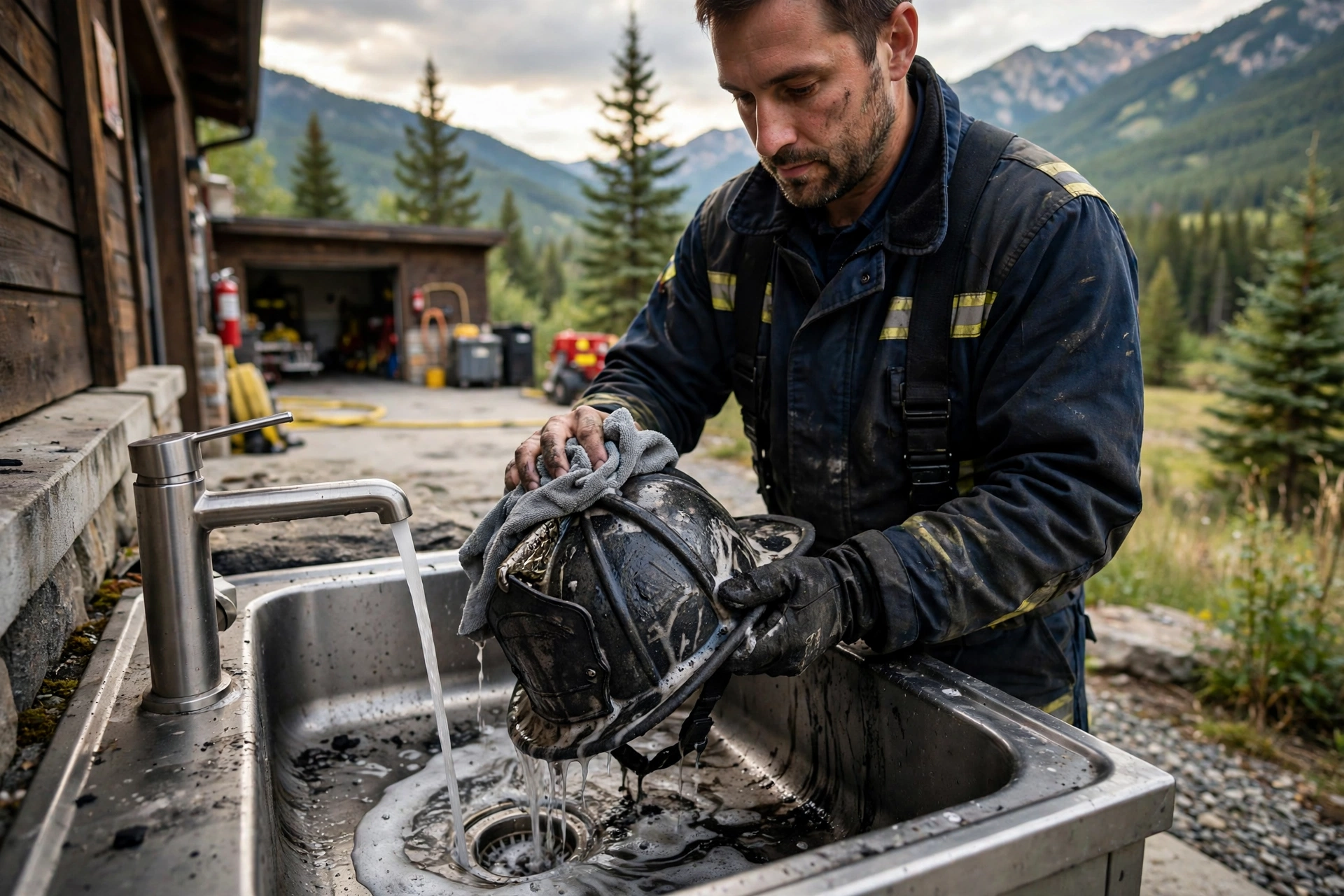
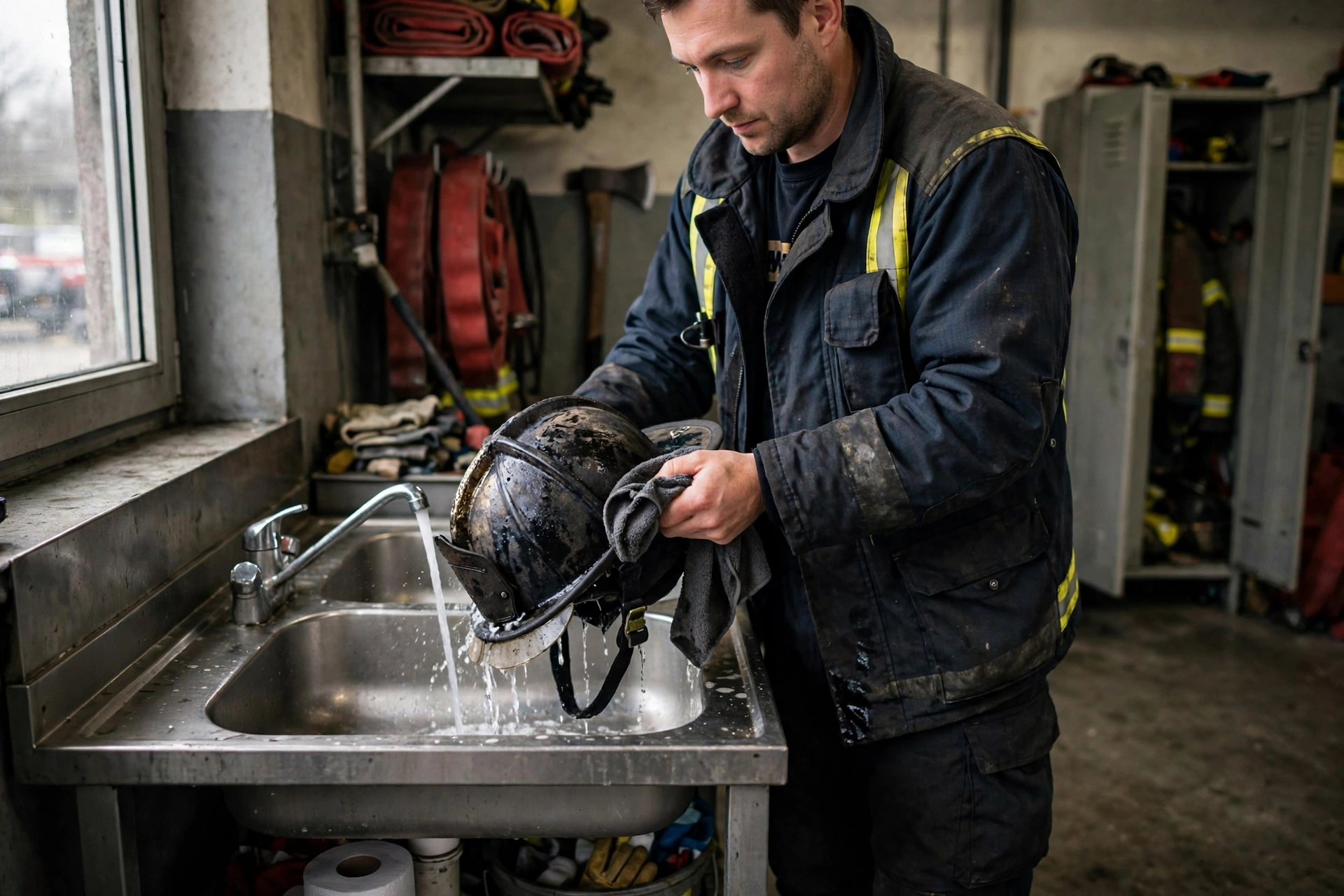
Wash the shell with warm water and a mild soap or detergent, using a soft cloth or sponge. Work over the whole shell, including the brim, the shield area, and any crevices where soot collects. Avoid abrasive pads, stiff brushes, or strong solvents, since these can scratch the shell, damage its finish, or weaken the material. If the manufacturer’s instructions specify a particular cleaning product, follow them.
Pay attention to reflective markings and decals. These are important for visibility, and harsh cleaning can dull or peel them. Clean them gently with the same mild solution, and check that they are still intact and reflective after washing. Replace any reflective panels that are damaged or peeling, since worn markings reduce visibility at night and in smoke.
Rinse the shell with clean water and wipe it dry with a soft cloth. Do not use a high-pressure washer on a fire helmet, since the force can damage the shell, force water into the liner, and dislodge fittings. A gentle wash by hand is slower but safer, and it gives you a chance to inspect the shell as you go.
How Do You Clean the Liner and Suspension?
The liner and suspension need cleaning too, since they sit against the head and absorb sweat, soot, and smoke. Many helmets have removable liner pads or suspension systems that can be taken out for washing. Remove them carefully, following the manufacturer’s instructions, and wash them separately with mild soap and warm water.
Some liners can be machine washed on a gentle cycle, while others should be hand washed only, so check the guidance for your helmet before putting anything in a machine. Avoid bleach and harsh detergents, which can degrade fabrics and foams. Rinse thoroughly, since soap residue left in the liner can irritate the skin on the next wear.
Let the liner and suspension dry fully before reassembling the helmet. Air drying is best: place the parts in a well-ventilated area away from direct heat or sunlight, and do not use a tumble dryer or a radiator to speed things up, since excess heat can damage foams and fabrics. A damp liner put back into a helmet will develop odours and may harbour bacteria, so patience at this stage pays off.
What About Face Shields, Goggles, and Accessories?
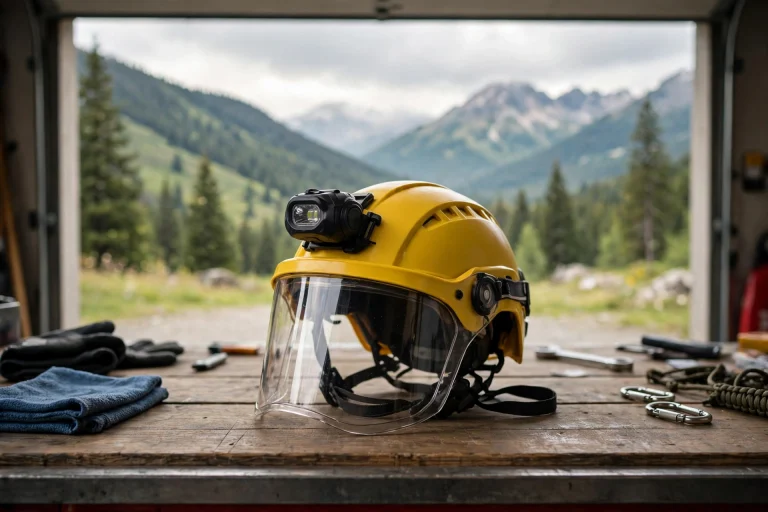
Face shields and goggles should be cleaned separately, with a soft cloth and mild soap, and checked for scratches, cracks, or heat damage. A scratched visor reduces visibility, which is a safety issue in smoke and darkness, so a visor that is badly scratched should be replaced. Clean the inside and outside of the visor, and avoid touching the inner surface with bare hands, since skin oils can smear the coating.
Chin straps deserve attention too. Wash the strap with mild soap, check the buckle and adjustment mechanism, and make sure the strap still holds securely. A strap that slips or a buckle that does not lock properly should be replaced, since the chin strap is what keeps the helmet on the head during a fall or an impact.
How Do You Dry and Store the Helmet After Cleaning?
Dry the helmet in a cool, well-ventilated place, away from direct sunlight and heat sources. Sunlight and heat can degrade shell materials and fade finishes over time, so a shaded drying area is best. Make sure the helmet is fully dry, inside and out, before storing it, since trapped moisture can cause odours and degrade liners.
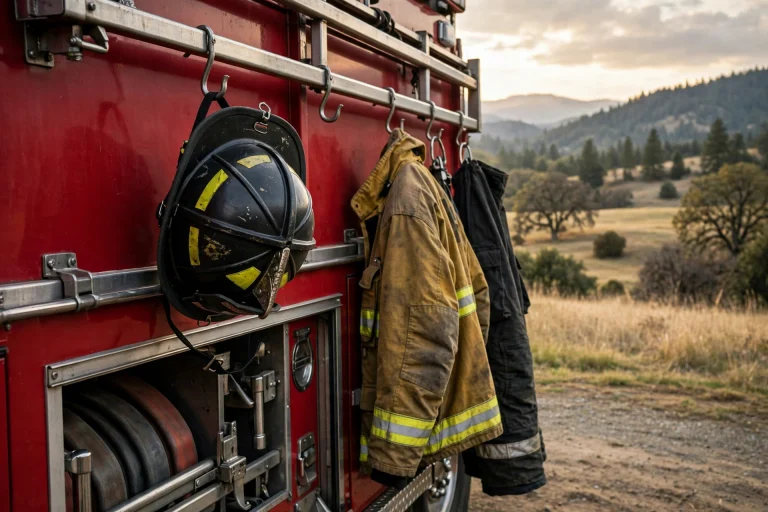
Store the helmet in a clean, dry place, away from chemicals, fuels, and solvents, which can damage shell materials. Avoid stacking heavy items on top of the helmet, and do not hang it by the chin strap for long periods, since this can stretch the strap. A dedicated helmet rack or shelf is ideal, and it also makes the helmet easy to find and inspect at the start of a shift.
Finally, record the cleaning and inspection if your department keeps maintenance logs. A simple note of the date, the incident, and any issues found helps track the helmet’s condition over time and supports decisions about replacement. Good records also show that equipment is being looked after properly, which matters for both safety and accountability. Keeping the helmet clean and well fitted supports every protection system it carries, including the impact technology explained in this guide to what MIPS means for helmets.
Frequently Asked Questions
Q: Can I use a pressure washer on a fire helmet?
A: In general terms, no. High-pressure water can damage the shell, force water into the liner, and dislodge fittings. Wash the helmet by hand with warm water and mild soap instead.
Q: How soon after a fire should I clean my helmet?
A: As soon as practical, once the helmet has cooled and immediate post-incident tasks are done. Prompt cleaning prevents soot and contaminants from setting into materials and keeps odours from building up.
Q: Can helmet liners go in a washing machine?
A: Some can, on a gentle cycle, but others must be hand washed, so check the manufacturer’s guidance for your helmet model. Avoid bleach and harsh detergents in either case, and air dry fully before reassembling.

Olivia
Writer at Helmet Today, covering helmet reviews, fit and riding safety.