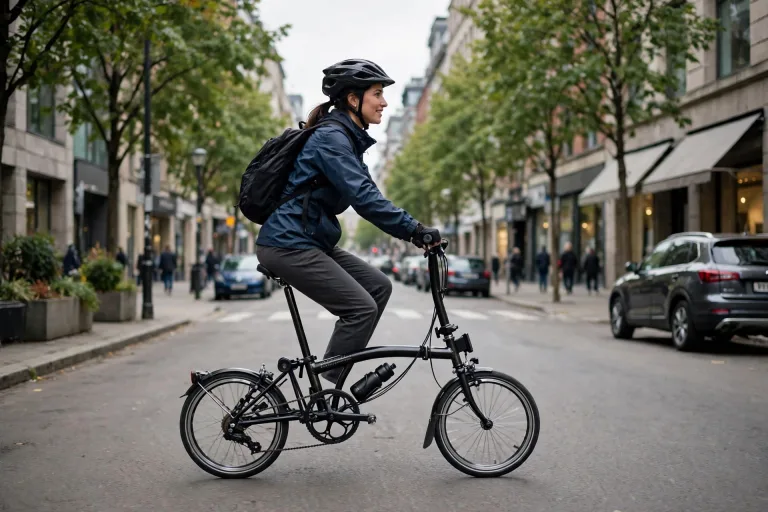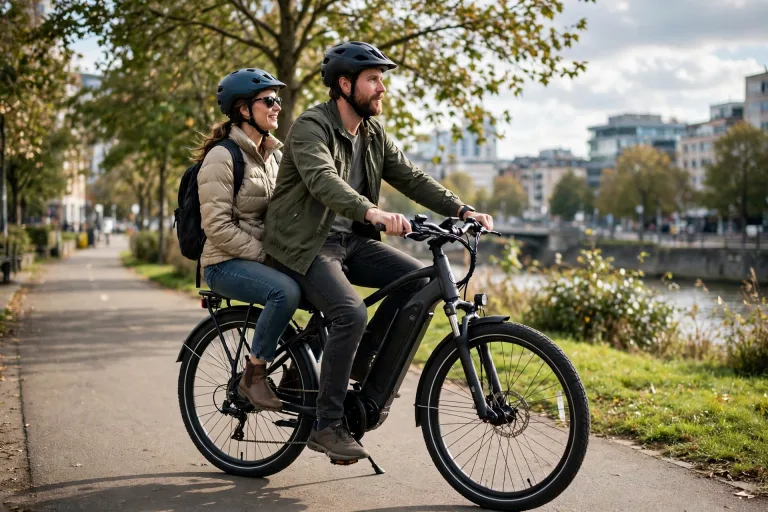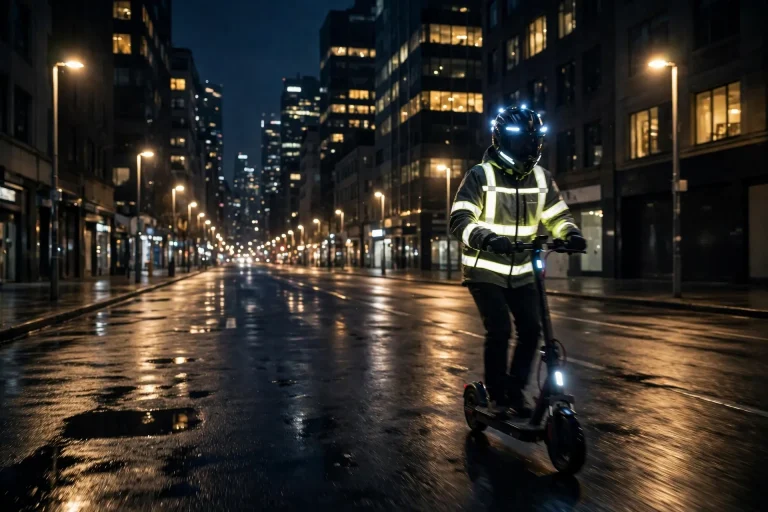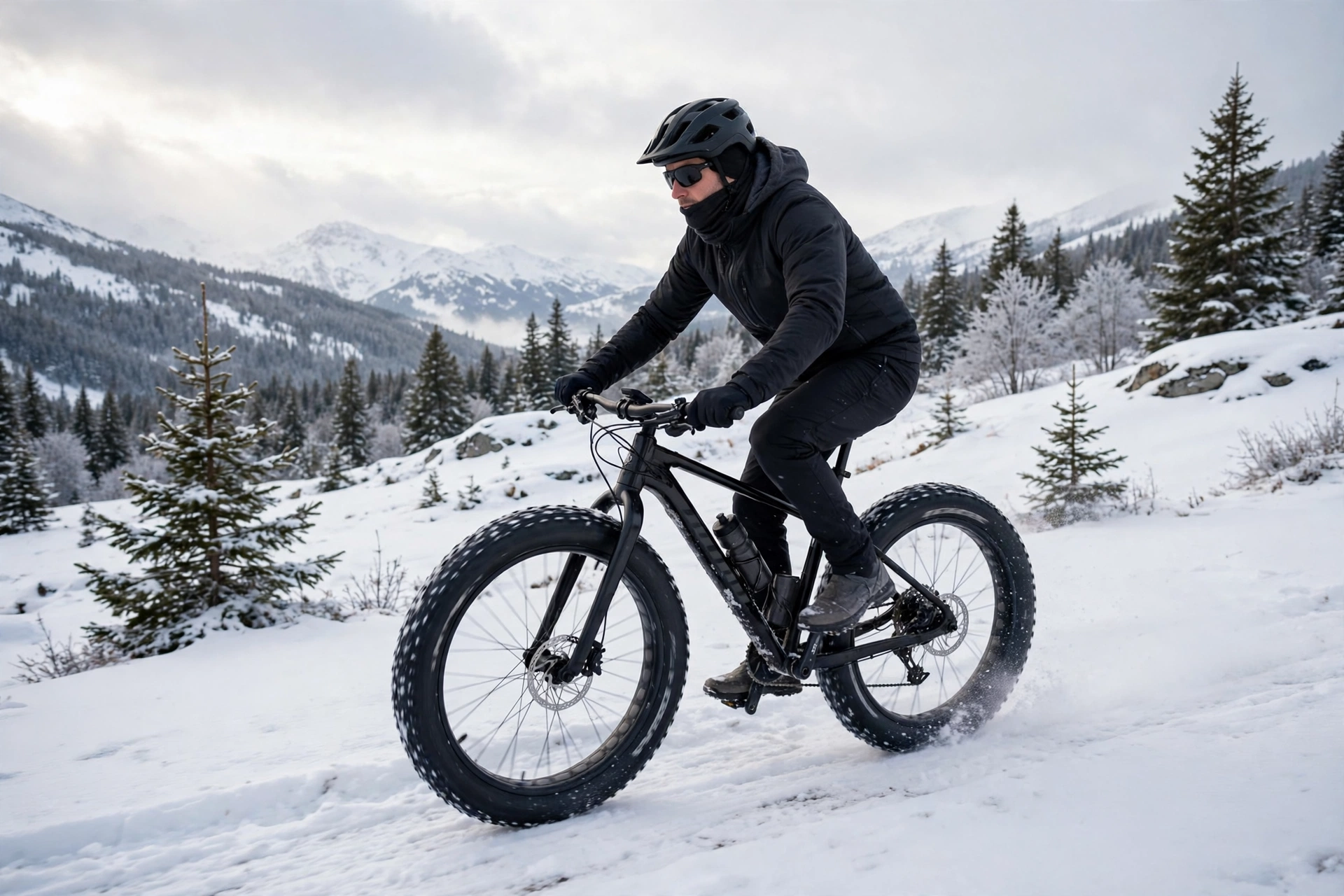
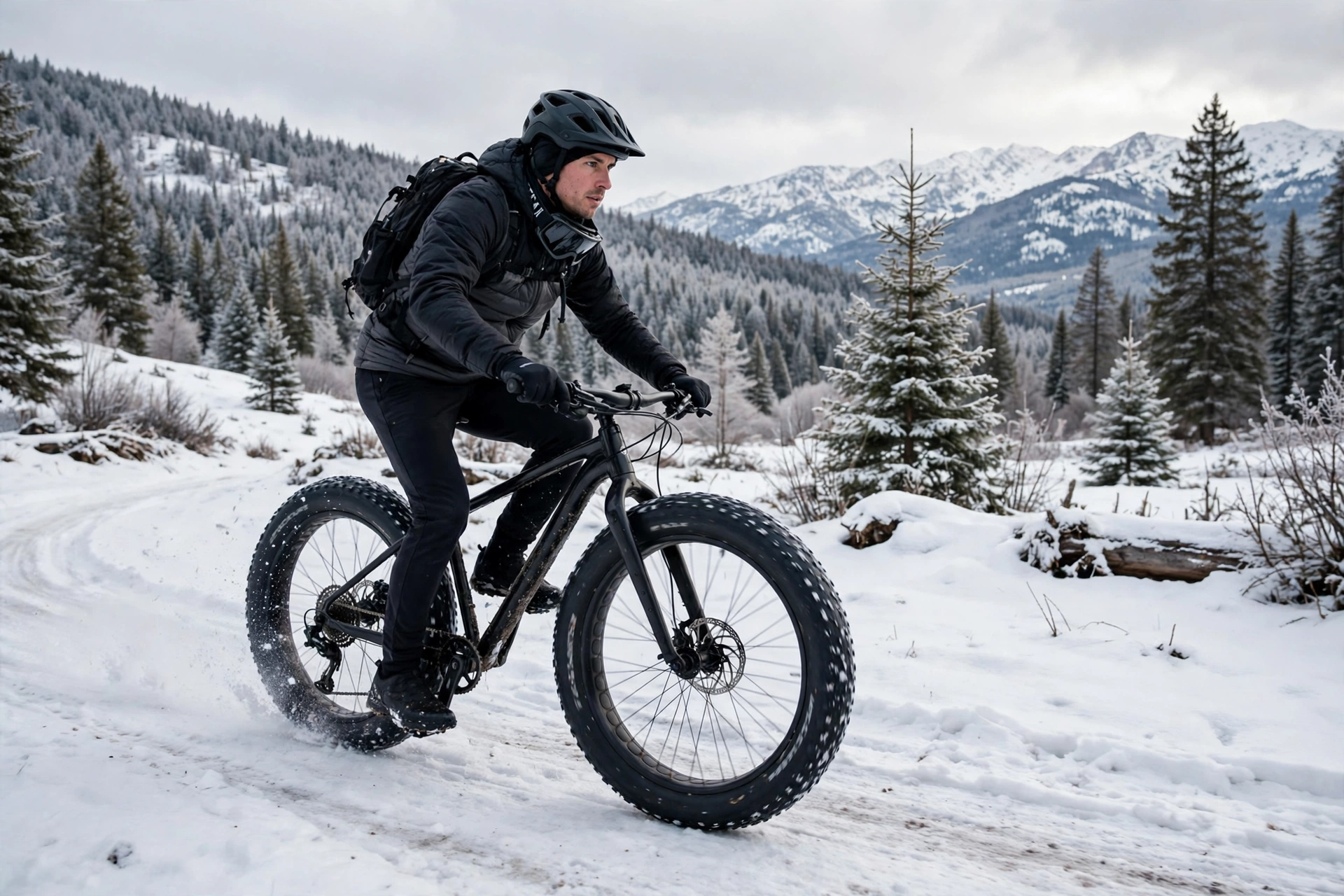
A helmet for fat bike riders is a bike helmet, usually a mountain bike or winter cycling helmet, worn to protect the head while riding a fat bike over snow, sand, mud, and rough trails. In general terms, a fat bike is a bicycle with very wide tyres that can roll over soft surfaces, and the helmet has to cope with cold weather, low-speed falls on slippery ground, and long rides in winter conditions. A helmet that is warm, well ventilated, and comfortable is one the rider will wear on every ride.
Fat biking is often a winter sport, and the riders are out in snow, ice, and cold wind, where a fall can mean landing on frozen ground or sliding across an icy trail. The helmet is the rider’s main protection in those falls, and it also shields the head from the cold. A good fat bike helmet is one that works in winter as well as it does on a summer trail.
What makes a good helmet for fat bike riders?
A good helmet for fat bike riders is warm, well ventilated, and comfortable, with a fit that works with a hat or a balaclava underneath. In general terms, a mountain bike helmet is a good starting point, because it is light, it has good coverage at the back and sides, and it has a visor that shields the eyes from sun, snow, and branches. A helmet with adjustable vents is especially useful, because the rider can open the vents on a climb and close them on a cold descent.
Look for a helmet with a snug, adjustable fit system that can be changed with gloves on, since fat biking is often done in cold weather with thick gloves. The helmet should also work with goggles, because goggles are common in winter riding, and they should sit neatly against the helmet with no gap. In general terms, a helmet that is too cold in winter or too hot in summer will soon be left at home, so choose one that suits the conditions you ride in most.
Do fat bike riders need a helmet?
Whether a fat bike rider needs a helmet depends on where they ride, and in general terms many places do not require a helmet by law for adult cyclists. But the law is only part of the story: fat biking involves snow, ice, and rough trails, where a fall can happen at any speed, and a fall onto frozen ground can cause a serious head injury. Most safety advice for off-road cycling recommends a helmet, and most regular fat bike riders wear one.
Some riders skip the helmet on a slow, flat ride, but a slow ride can still involve an icy patch, a hidden rut, or a sudden stop that throws the rider forward. In general terms, the helmet is most useful exactly when the ride feels easy, because that is when attention drops and mistakes happen. A rider who wears a helmet on every ride builds a habit that protects them on the days when it matters most.
How should a fat bike helmet fit?
A fat bike helmet should fit snugly all around the head, with no gaps and no pressure points, and it should stay in place when the rider shakes their head or looks over their shoulder. The helmet should sit level, covering the forehead, and the straps should form a neat shape around the ears, with the buckle fastened firmly under the chin. In general terms, a helmet that rocks or slides is too loose, and a helmet that gives a headache within minutes is too tight.
The fit is especially important in winter, because the helmet is often worn over a thin hat or a balaclava, and that extra layer changes the fit. Try the helmet on with the hat you wear in winter, and adjust the fit system to suit. Some helmets include a system designed to reduce rotational forces in a fall, such as MIPS, which is an extra feature worth considering for a rider who rides on snow and ice, where a fall can twist the head.
Can I use a ski helmet for fat biking?
You can use a ski helmet for fat biking, and in general terms it can work well in cold weather, because it is warm, it covers the ears, and it is designed for snow. A ski helmet is a reasonable choice for a winter fat bike ride, especially if you already own one and you ride mainly in snow. But it is heavier and less ventilated than a bike helmet, and it can feel hot on a climb or on a mild day.
A bike helmet is lighter, better ventilated, and made for the speeds and impacts of cycling, and it is the better choice for most fat bike riding. If you ride fat bikes all year round, a bike helmet is the more sensible buy, and it will work in summer as well as in winter. If you only ride in deep winter and you already own a ski helmet, it will do for a start, but a bike helmet is worth considering for regular riding.
How do I look after a fat bike helmet?
To look after a fat bike helmet, store it away from heat and direct sun, clean it with mild soap and water, and check it regularly for cracks, dents, and worn straps. A helmet that is used in snow and mud can pick up grit in the vents and the fit system, so rinse it after a wet ride and let it dry naturally. In general terms, a helmet that has been in a crash should be replaced, even if the damage looks small, because the liner may have absorbed energy that you cannot see.
Keep the vents clear of snow and ice, and let the helmet dry fully before you store it, rather than putting a wet helmet in a bag. If the helmet starts to smell, remove the pads if they come out and wash them, or wipe them with a damp cloth. A helmet that is clean and comfortable is one you will wear every day, and that is the whole point of a fat bike helmet.
Is a fat bike helmet different from a normal bike helmet?
In general terms, no, a fat bike rider can wear a normal mountain bike helmet. The key is a helmet that fits well, covers the head properly, and works in cold weather, with a fit that suits a hat underneath.
Do I need a helmet for riding a fat bike on snow?
It depends on where you ride, since helmet laws for cyclists vary by place. In general terms, a helmet is recommended for fat biking, because snow, ice, and rough trails can cause a fall at any speed.
Can I wear goggles with a fat bike helmet?
Yes, many fat bike riders wear goggles in winter, and most mountain bike helmets work well with them. In general terms, the goggles should sit neatly against the helmet with no gap, so cold air and snow cannot get in.

Olivia
Writer at Helmet Today, covering helmet reviews, fit and riding safety.