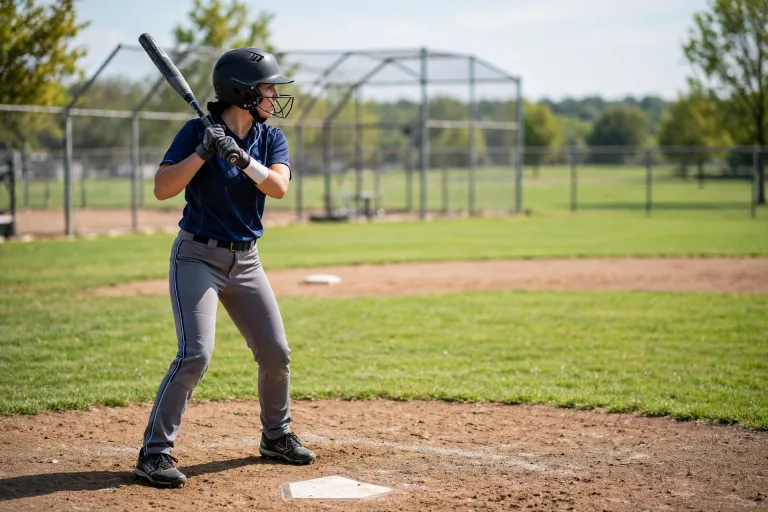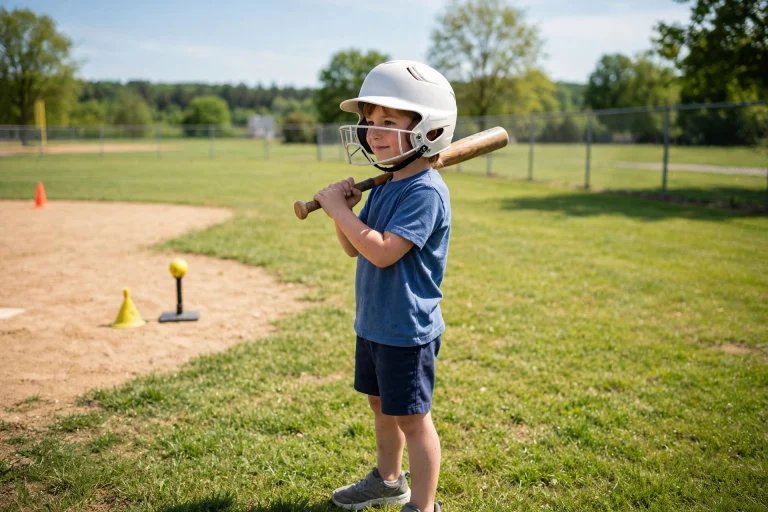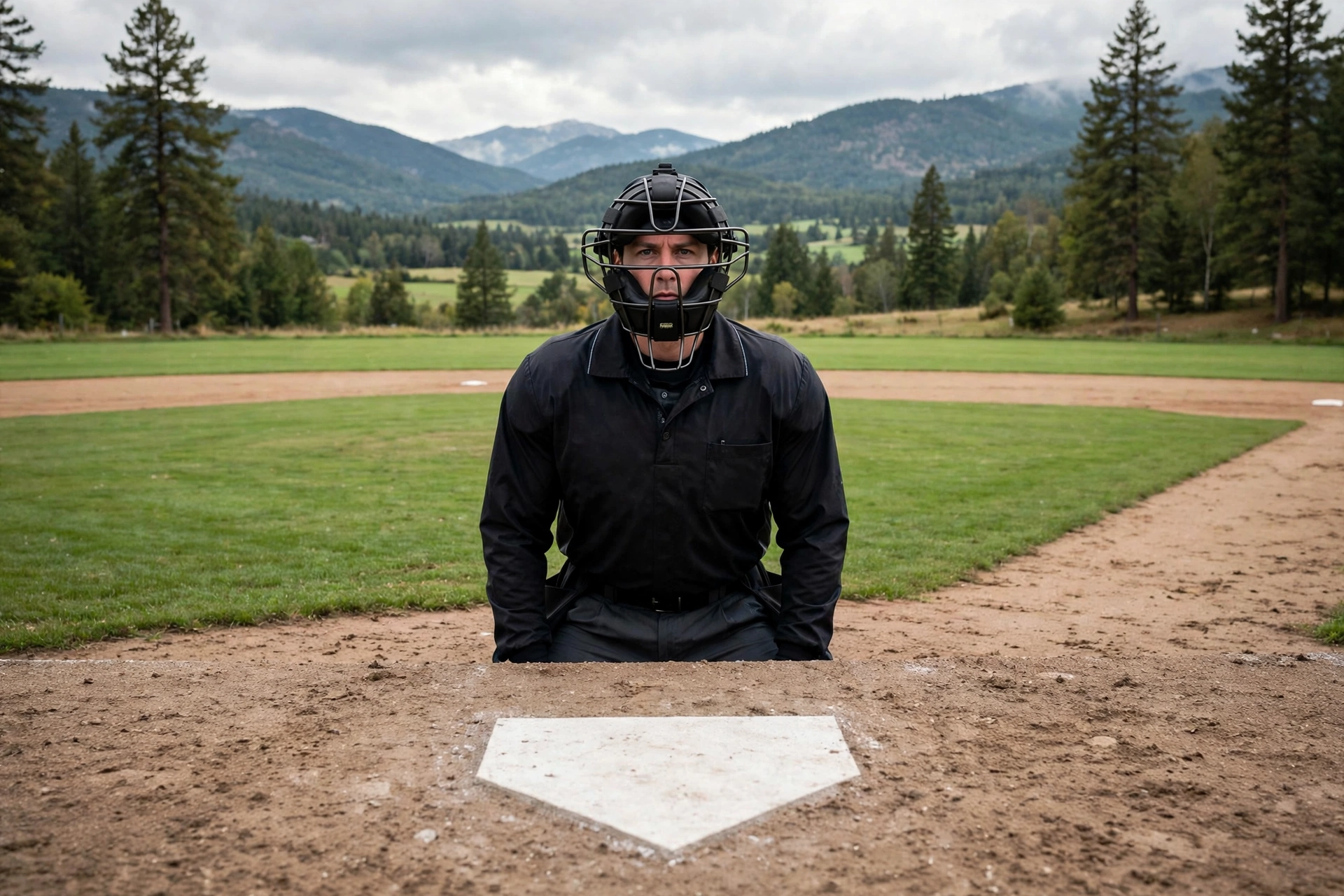
A helmet for baseball umpires is, in general terms, a protective helmet with a face guard worn to shield the umpire’s head and face from foul balls, wild pitches, and bats during a game. The home plate umpire stands just behind the catcher, closer to the batter than anyone else on the field, and a ball can reach them in a fraction of a second. A helmet with a mask or face guard gives the umpire protection against the balls that get away from the pitcher, the catcher, or the batter.
Umpiring is a job that demands full attention on every pitch, and an umpire who is worried about being hit cannot call the game well. A good umpire’s helmet protects without blocking the view of the strike zone, and it stays comfortable through nine innings in sun, heat, and humidity. In recent years, more umpires have moved from the traditional face mask to a full helmet, and the helmet has become a more common sight at all levels of the game.
Why do baseball umpires wear a helmet?
Baseball umpires wear a helmet because the home plate umpire is in the line of fire on every pitch. In general terms, a foul ball tipped off the bat, a pitch that gets past the catcher, or a backswing that comes around can all reach the umpire’s head or face. The traditional wire face mask protected the face, but it left the top and sides of the head exposed, and a ball striking the mask could still send a sharp shock through the head. A helmet covers more of the head and spreads the force of an impact.
Umpires also wear a helmet for the same reason players do: a single blow to the head can cause a serious injury, and a helmet reduces that risk. Base umpires, who work in the field, may wear a helmet less often, but the home plate umpire faces the most risk and benefits most from the extra protection.
What does an umpire’s helmet look like?
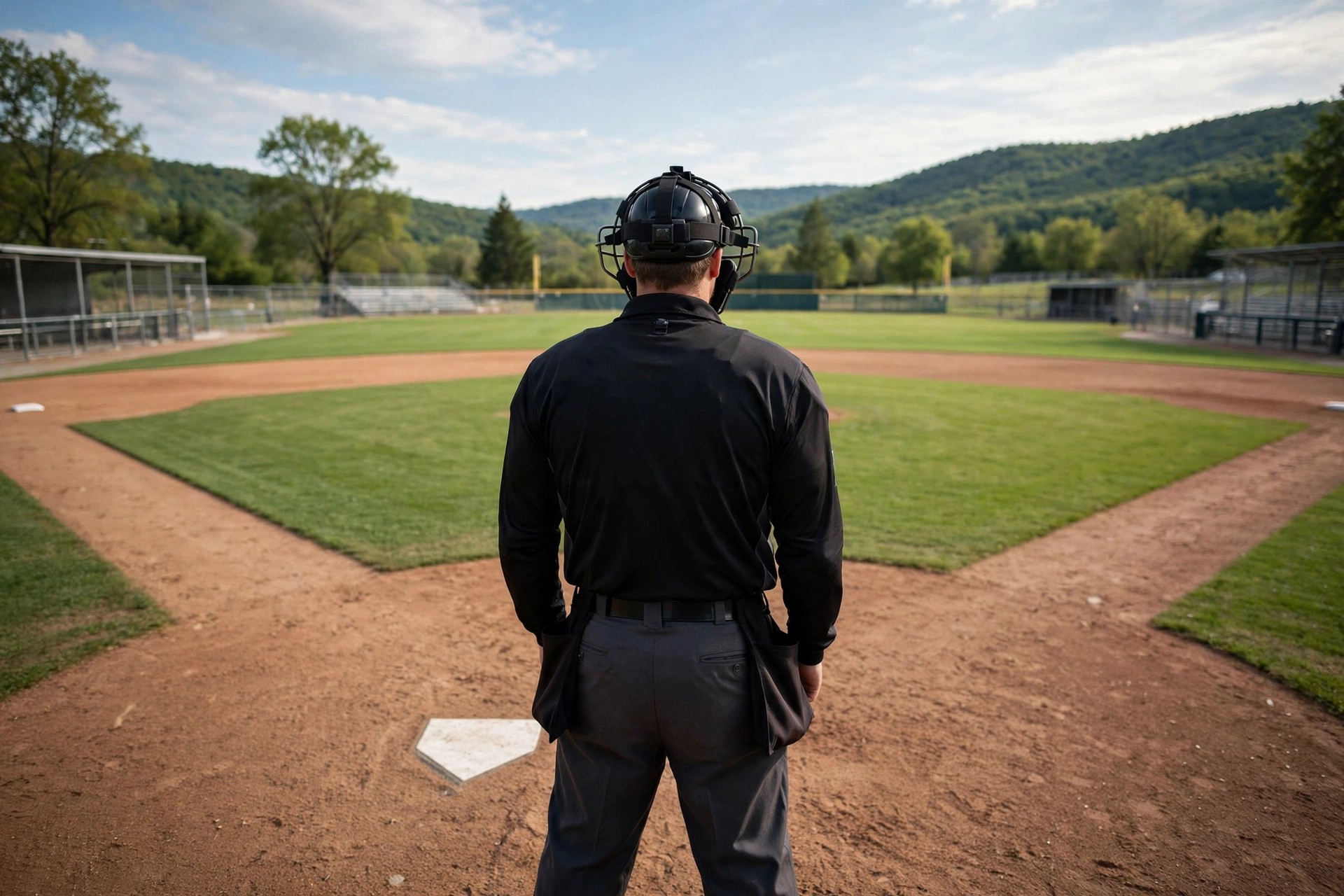
An umpire’s helmet looks like a batting helmet with a face guard attached, and it usually has a hard outer shell, a padded lining, and a metal or composite guard that covers the face. In general terms, the shell protects the top, sides, and back of the head, while the guard protects the eyes, nose, jaw, and ears. The guard is made from strong bars or a moulded frame, and it is fixed to the helmet so that it stays in place when a ball strikes it. The helmet often has an ear flap on the side facing the pitcher.
Some umpires still use the traditional mask, which is a wire frame held in place by a harness, and it offers a wide, clear view. The helmet style, sometimes called a hockey-style mask, gives more coverage and stays in place better, but it can feel heavier and warmer. The choice between the two is personal, and it often comes down to comfort, vision, and what the umpire is used to. Either way, the equipment should be approved for umpiring use and should fit the umpire’s head properly.
How should an umpire’s helmet fit?
An umpire’s helmet should fit snugly without pressing, and it should stay in place when the umpire moves, crouches, or turns to follow a play. The front edge should sit just above the eyebrows, and the face guard should sit far enough from the face that a ball striking the guard does not press it into the nose or cheek. In general terms, the test is simple: the umpire should be able to see the strike zone clearly, call balls and strikes, and move freely without the helmet shifting or the guard blocking the view.
The straps and padding should be adjusted so the helmet feels secure but comfortable for a whole game. A helmet that is too loose will move when the umpire crouches, and a helmet that is too tight will cause headaches over nine innings. It is worth trying the helmet on with the cap or headband the umpire normally wears, and checking the fit in the crouch position used behind the plate. A helmet that fits well is one the umpire can forget about during the game.
Does a helmet affect an umpire’s vision?
A well-designed umpire’s helmet should not affect vision, because the guard is made from thin bars or a clear frame that leaves the strike zone in full view. In general terms, most umpires adjust to a helmet quickly, and after a few games they stop noticing the guard. The key is to choose a helmet with a guard that suits the umpire’s face shape, and to check that the bars do not sit directly in the line of sight when the umpire is in the crouch. Taking practice pitches in the helmet before a game is the best way to check.
Heat and ventilation can be a bigger issue than vision, since a full helmet is warmer than a traditional mask, especially on a hot day. A helmet with good airflow and a washable lining is more comfortable over a long game. Some umpires also find that a helmet changes how they hear the game, since it covers the ears more than a mask does, but most adjust quickly. The trade-off is worth it for the extra protection the helmet gives.
How do umpires care for their helmets?
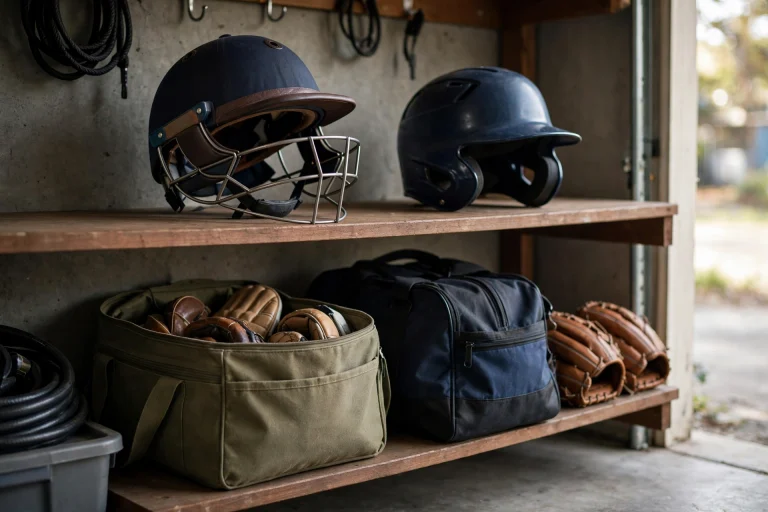
An umpire’s helmet should be checked before each game for cracks, loose screws, and damage to the face guard. In general terms, a guard that is bent or loose should be repaired or replaced before the game, because a damaged guard may not protect as it should. The shell should be wiped clean after each game, and the padding should be washed or replaced when it becomes dirty or worn. The helmet should be stored in a bag or case that protects the guard from being bent by other kit.
A helmet that has taken a hard impact from a ball should be inspected carefully, and it should be replaced if there is any doubt about its condition. Some helmets include a system designed to reduce rotational forces in a fall, such as MIPS, and umpires choosing a new helmet should check what the maker says the helmet is designed to protect against. It is also worth keeping a note of the helmet’s age, since makers give a recommended working life, and a helmet used for a full season of games may be due for replacement sooner than expected.
Do all baseball umpires wear helmets?
No, some umpires still use the traditional wire face mask, while others wear a full helmet with a face guard. The helmet style is becoming more common, especially at higher levels of the game, because it covers more of the head.
Does an umpire’s helmet block the view of the strike zone?
No, a well-designed helmet leaves the strike zone in full view, with thin bars that do not sit in the line of sight. Most umpires adjust quickly, and taking practice pitches in the helmet is the best way to check the fit.
How often should an umpire replace a helmet?
In general terms, a helmet should be replaced after a hard impact, if the shell or face guard is cracked or bent, or when it reaches the end of the working life given by the maker. A helmet used for a full season should be checked regularly.

Olivia
Writer at Helmet Today, covering helmet reviews, fit and riding safety.