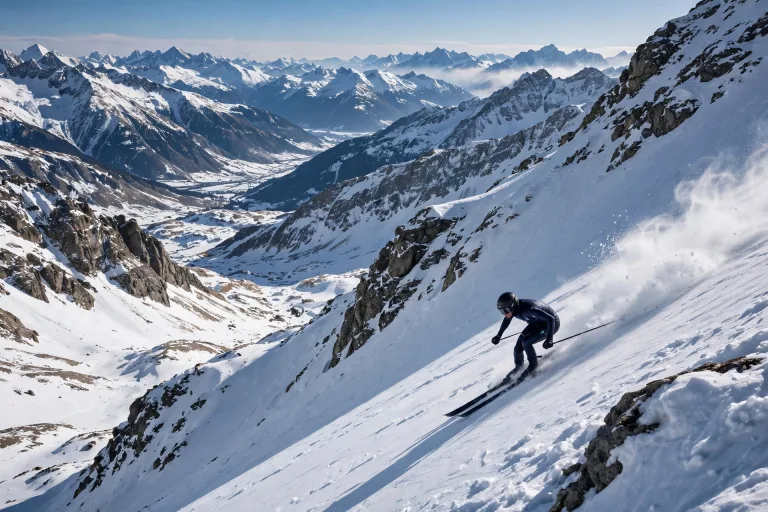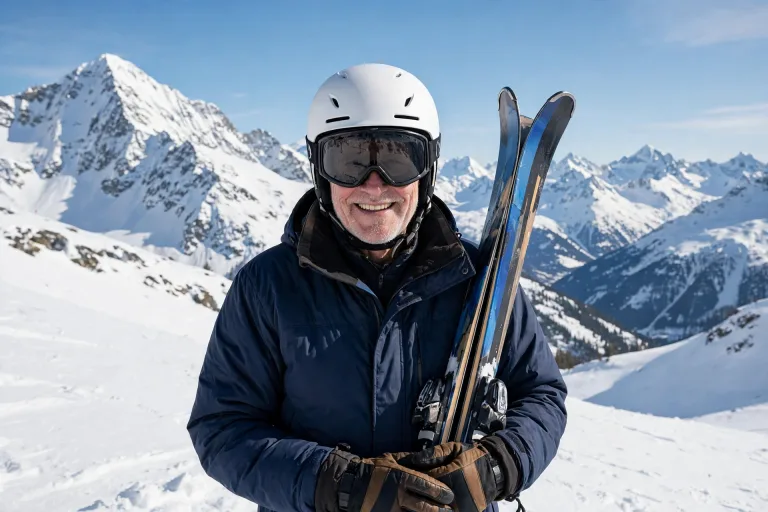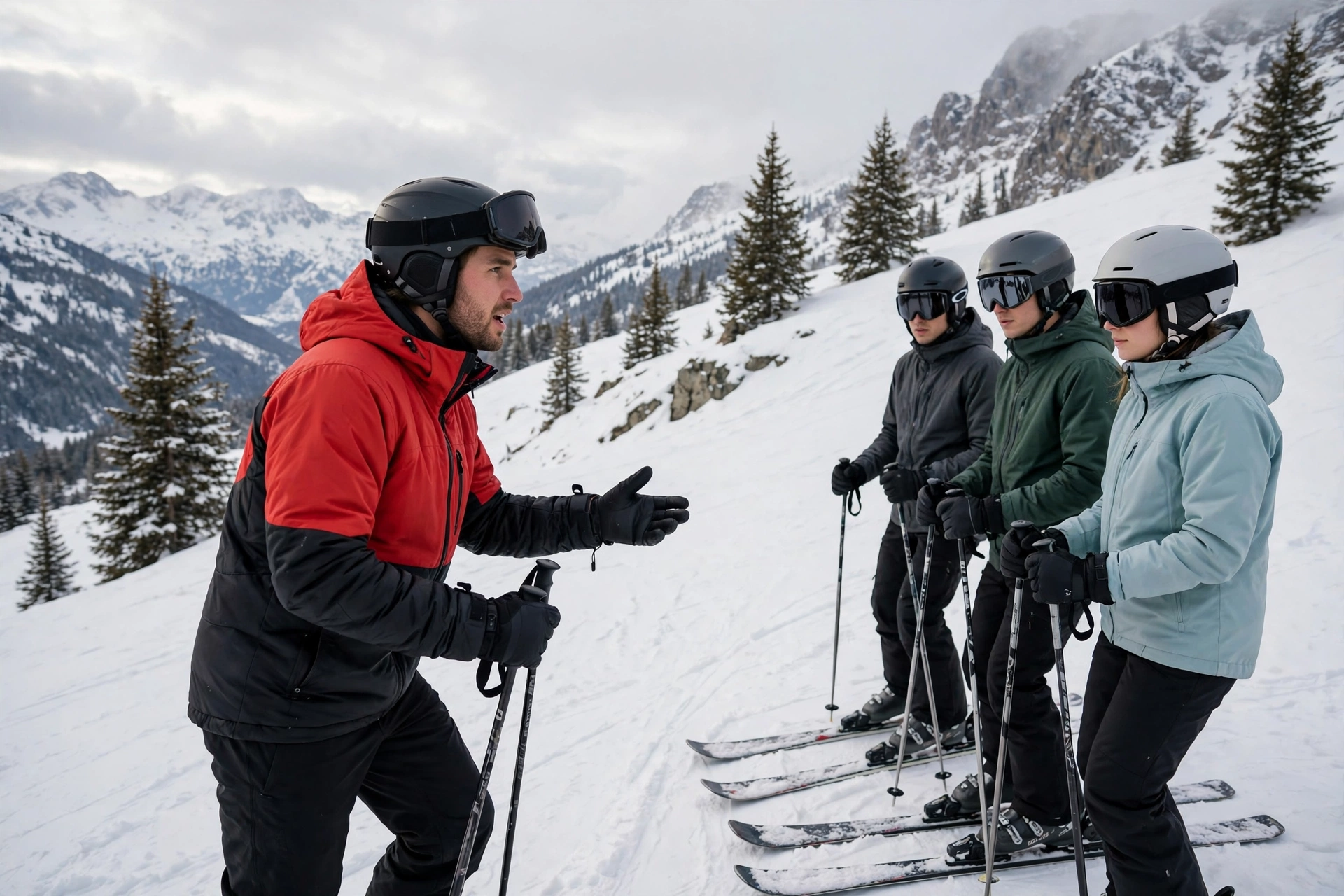
A helmet for ski instructors is, in general terms, a warm, well-fitting ski helmet worn to protect the head from falls and collisions during long days teaching students on the slopes. Instructors spend more hours on snow than almost anyone else, often skiing slowly with beginners, demonstrating turns, and helping students who have fallen. That mix of slow-speed teaching and fast demonstration runs means the helmet has to work in both worlds: comfortable and warm at low speed, and protective at higher speed.
Ski instructors are also role models on the mountain. When an instructor wears a helmet, students are far more likely to wear one too, and that shared habit makes the whole lesson safer. A good instructor’s helmet is easy to put on and take off with gloves, fits well with goggles, and stays comfortable from the first lesson in the morning to the last run in the afternoon.
Why do ski instructors need a helmet?
Ski instructors need a helmet because they spend long days on slopes shared with skiers of all abilities, and collisions and falls can happen even to experienced skiers. In general terms, a beginner can lose control and slide into an instructor, a student can fall and catch the instructor with a ski, and the instructor themselves can catch an edge while demonstrating a turn. A helmet gives the head protection against the snow, ice, and other skiers that fill a busy slope.
Instructors also work in changing mountain weather, from bright sun to wind and snowfall, and a helmet helps with that too. It keeps the head warm, it gives goggles a stable place to sit, and it protects the ears from cold wind. Some instructors also wear a helmet with built-in audio, so they can hear a radio or take a call from the ski school without removing their gloves. The helmet is a working tool, and it is worn for the whole working day, not just for the fast runs.
What makes a good helmet for ski instructors?
A good instructor’s helmet fits well with goggles, because a gap between the helmet and the goggles lets cold air in and fogs the lenses. In general terms, the helmet and goggles should be tried on together before buying, and the pair should sit snugly with no bare skin showing at the forehead. The helmet should have adjustable ventilation, so the instructor can open the vents on a warm spring day and close them on a cold morning. A warm lining that can be removed and washed is useful, since the helmet is worn every day.
Weight and comfort matter as much as protection, because an instructor wears the helmet for hours at a time. A light helmet with a good adjustment system is easier to wear all day, and a dial that can be turned with gloves is a real advantage. The helmet should also have a place for a radio earpiece or audio, and a colour that is easy for students to spot on a busy slope. A bright colour helps a group of beginners find their instructor quickly, which makes the lesson run more smoothly.
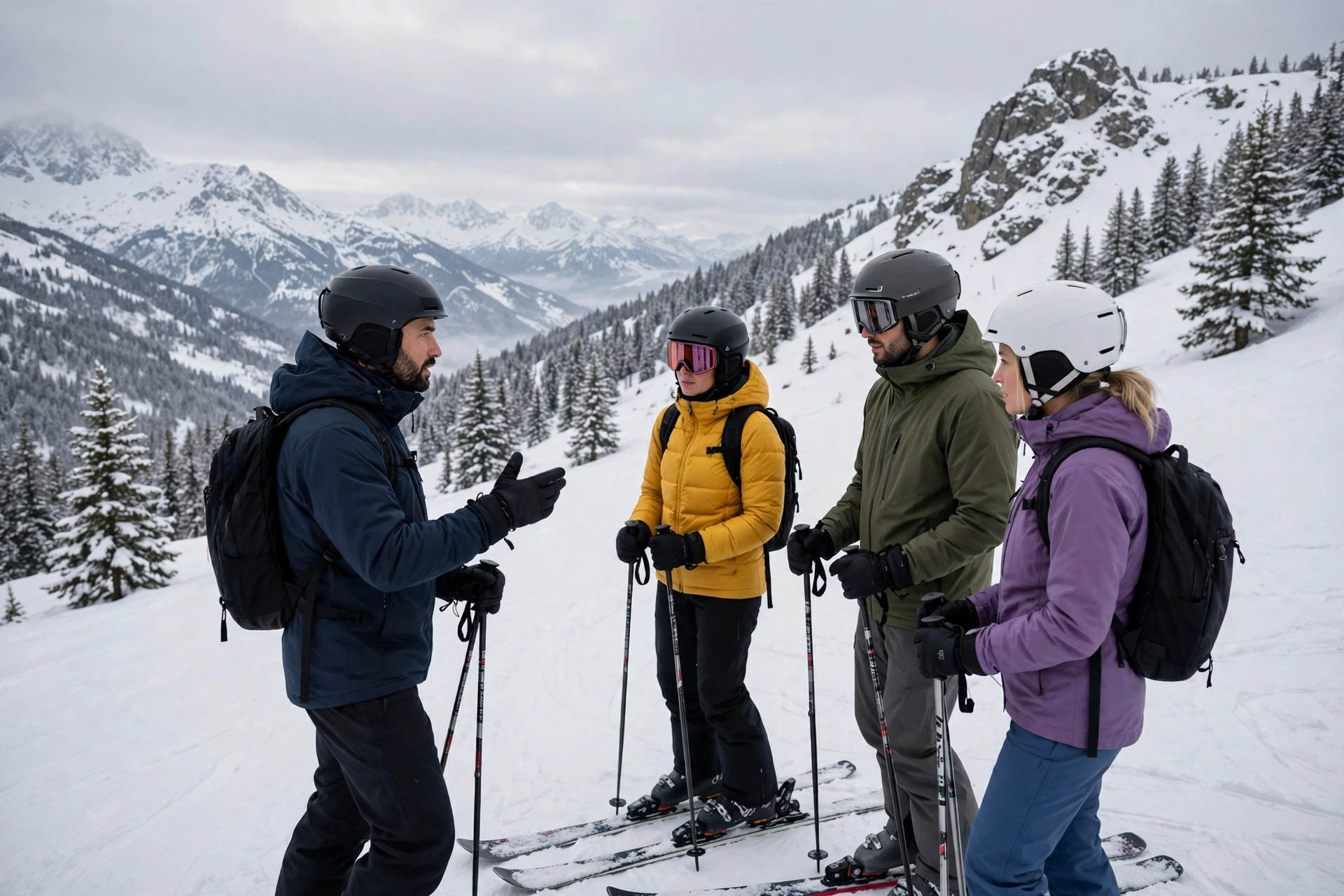
How should a ski instructor’s helmet fit?
A ski instructor’s helmet should fit snugly without pressing, and it should stay in place when the instructor shakes their head or looks over a shoulder at a student. The front edge should sit just above the eyebrows, and the helmet should cover the back of the head and the ears. In general terms, the test is simple: if the helmet moves when the instructor turns their head quickly, it is either the wrong size or it is not adjusted correctly. The fit should be checked with goggles on, since goggles change how the helmet sits.
It is also worth checking the fit with a thin balaclava or headband underneath, since instructors often wear one on cold days. The adjustment dial should be easy to reach with gloves, and the chin strap should be snug but comfortable. A helmet that is comfortable in the shop may feel different after an hour on the slopes, so it is worth wearing it for a full session before deciding. A helmet that fits well is a helmet that gets worn every day.
What about helmets and teaching beginners?
Teaching beginners is the part of the job where a helmet matters most, because beginners fall often and they fall in unpredictable ways. In general terms, an instructor working with first-time skiers spends much of the lesson standing still or moving slowly, and that is when a collision with a sliding beginner is most likely. A helmet protects the instructor during those slow, close-quarters moments, and it also sets a good example for the students, who are learning the habits of safe skiing.
Instructors often use the helmet as a teaching point, explaining to students why they wear one and what it protects against. Students who see their instructor wearing a helmet are more likely to keep theirs on, even when it feels warm or uncomfortable. Some helmets include a system designed to reduce rotational forces in a fall, such as MIPS, and instructors choosing a new helmet should check what the maker says the helmet is designed to protect against, and whether it suits both teaching and free skiing.
How should a ski instructor care for a helmet?
A ski instructor’s helmet should be checked regularly for cracks, dents, and worn straps, because a helmet used every day takes more wear than one used at weekends. The lining should be removed and washed often, since it picks up sweat and snow, and the vents should be cleared of ice and snow after each day. In general terms, a helmet that has taken a hard impact should be retired, even if the damage is hard to see, because the shell and foam may no longer absorb energy as they should.
Storage matters too. The helmet should be kept in a cool, dry place away from direct heat, and it should not be left in a hot car or near a radiator, since heat can weaken the materials. Goggles should be stored separately so the lenses do not get scratched. It is also worth keeping a note of the helmet’s age, since makers give a recommended working life, and an instructor who skis most days will reach the point of replacement sooner than a holiday skier. A well-cared-for helmet is a reliable tool of the trade.
Do ski instructors have to wear a helmet?
In many ski schools, instructors are required to wear a helmet while teaching, and even where it is not a rule, most instructors choose to wear one. A helmet protects the instructor during long days on busy slopes and sets a good example for students.
How should a ski helmet fit with goggles?
The helmet and goggles should be tried on together, and they should sit snugly with no bare skin showing at the forehead. A gap lets cold air in and fogs the lenses, so the pair should match well.
When should a ski instructor replace a helmet?
In general terms, a helmet should be replaced after a hard impact, if the shell is cracked or damaged, or when it reaches the end of the working life given by the maker. An instructor who skis most days may need a new helmet sooner than a casual skier.

Olivia
Writer at Helmet Today, covering helmet reviews, fit and riding safety.