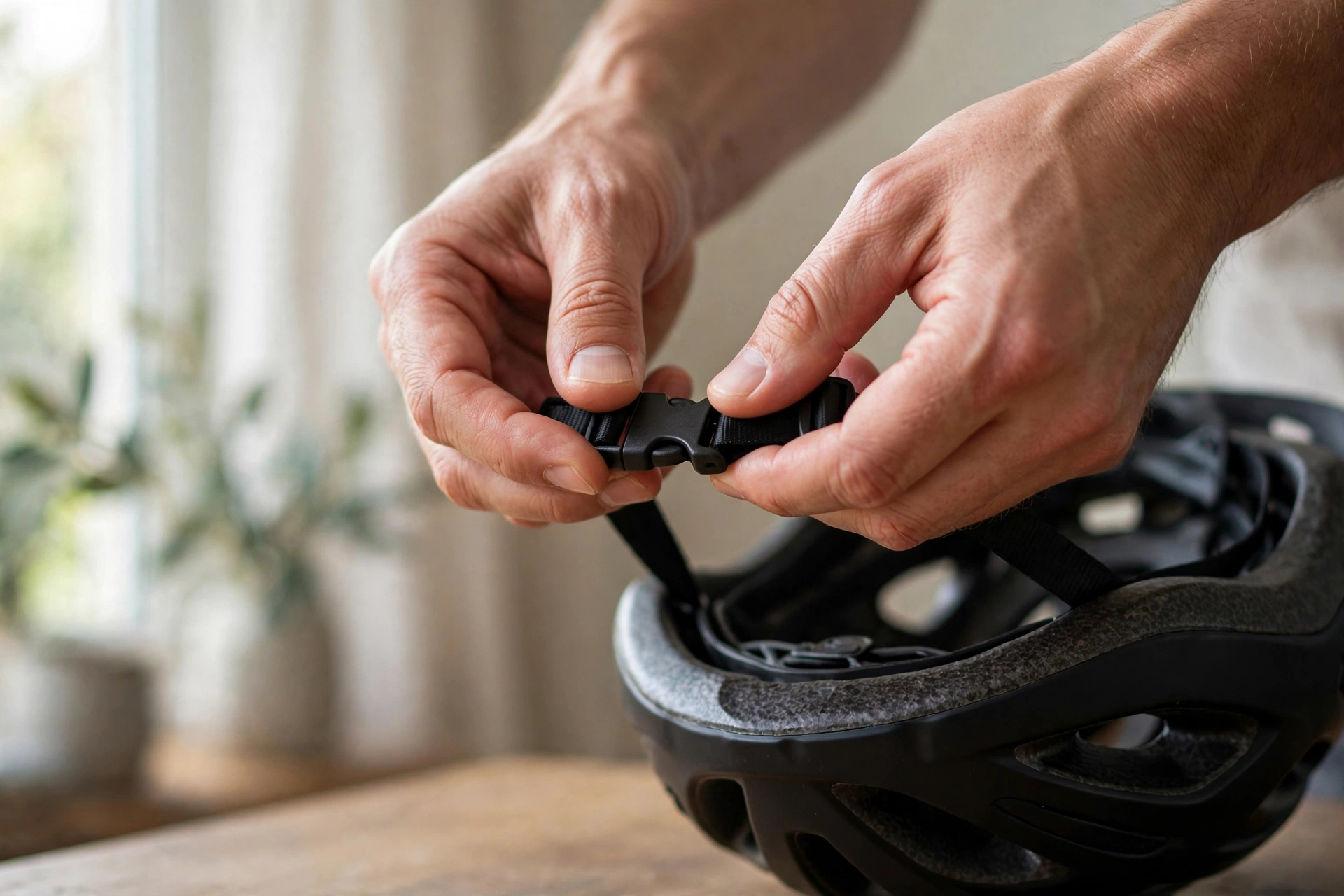
To fix a loose helmet buckle, first tighten the straps and clean the buckle, and if it still slips, replace the buckle or the strap rather than continuing to use a helmet that will not stay fastened. A buckle that will not hold is a real problem, because a helmet that comes undone in a fall can come off your head. The good news is that most buckle problems have a simple cause, and many can be fixed at home in a few minutes.
Helmet buckles work hard. They are clipped and unclipped every time you ride, they collect sweat, dust, and rain, and they are often pulled tight with one hand while you are wearing gloves. Over time the plastic teeth wear down, grit gets into the mechanism, or the strap stretches and slips through the adjuster. Before you spend money on a new helmet, it is worth working through the simple fixes first, because the buckle itself is often fine and the real problem is dirt or a strap that needs adjusting.
Why does a helmet buckle come loose?
The most common reason is a strap that has stretched or slipped. Helmet straps are made of webbing that can stretch slightly with use, especially if the helmet is pulled on and off roughly or stored hanging by its straps. When the strap stretches, the buckle sits further from the chin and the whole helmet feels looser, even though the buckle itself is still working.
Another common cause is dirt inside the buckle. Sweat, dust, and dried mud can build up in the small teeth and slots of the buckle, stopping the two halves from clicking together properly. A buckle that feels gritty, needs extra force to close, or pops open with a light tug is often just dirty. Wear is the third cause. The plastic teeth inside the buckle wear down over years of use, and once they are smooth, the buckle cannot grip the strap the way it should.
How do you tighten a loose helmet buckle?
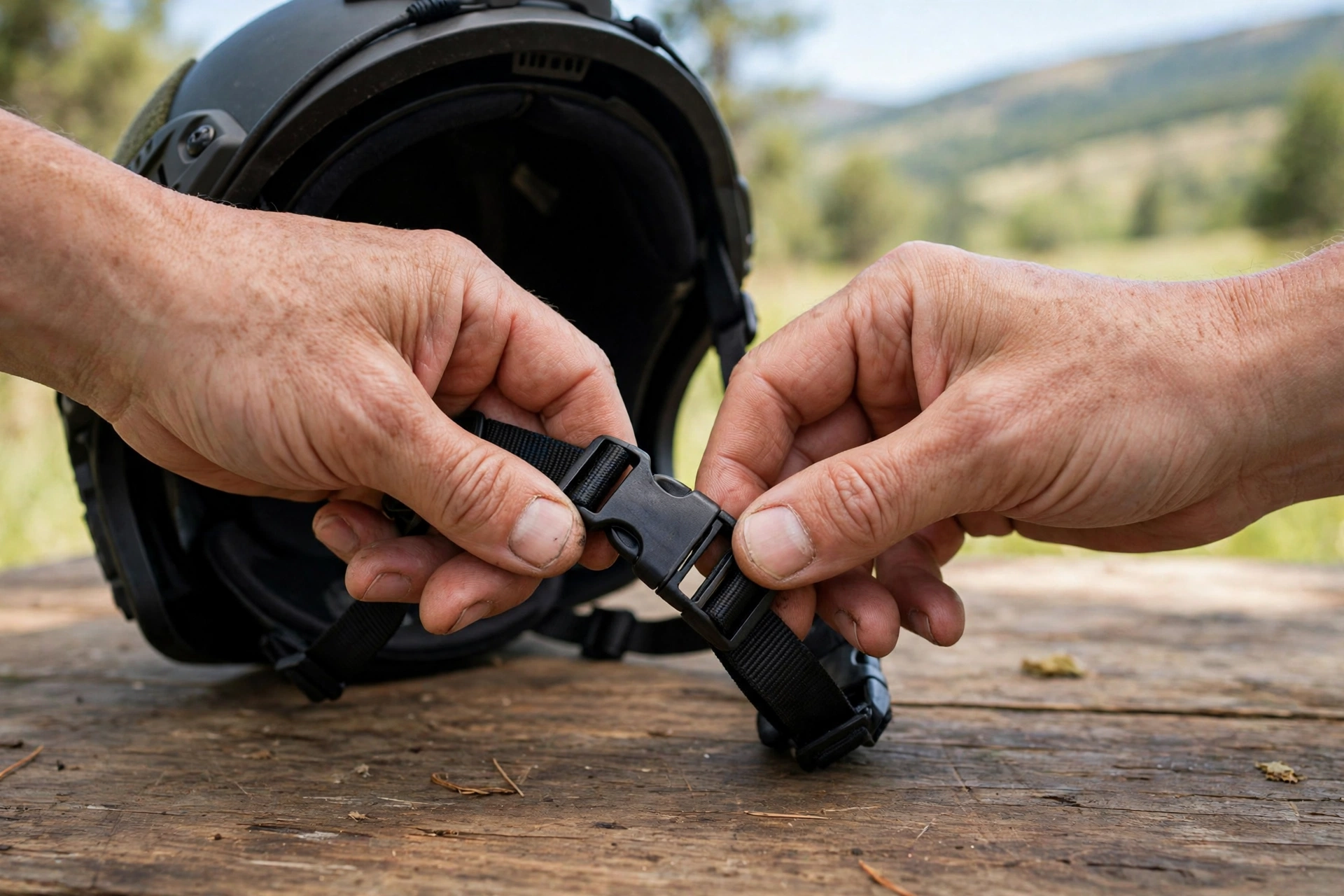
Start by putting the helmet on and fastening the buckle. Pull the loose end of the chin strap until the strap is snug under your chin, leaving room for only one or two fingers between the strap and your skin. Then slide the strap adjuster, the small plastic piece on the strap, up towards the buckle to take up the slack, so the strap cannot slide back through it.
Next, check the side straps. They should meet in a V shape just below each ear, and if they have slipped down, the whole helmet will feel loose even when the chin strap is tight. Slide the adjusters on the side straps until the V sits in the right place, then re-check the chin strap. If the strap keeps slipping through the adjuster, the adjuster teeth may be worn, and it may need to be replaced rather than adjusted again.
How do you clean a helmet buckle?
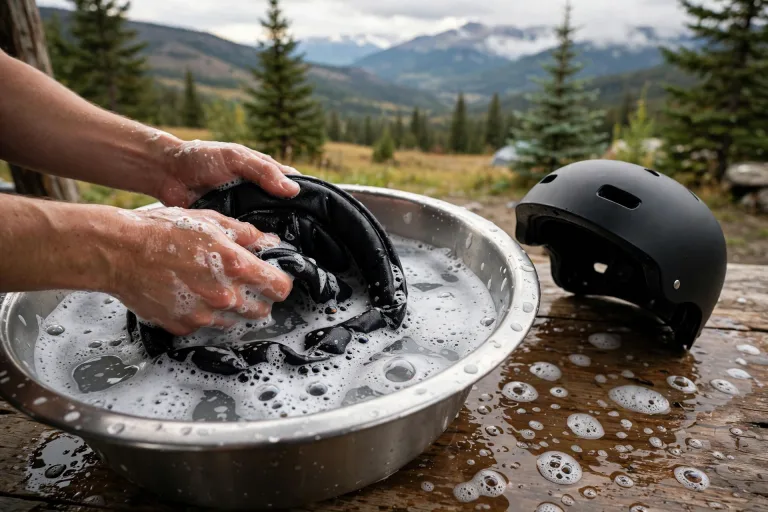
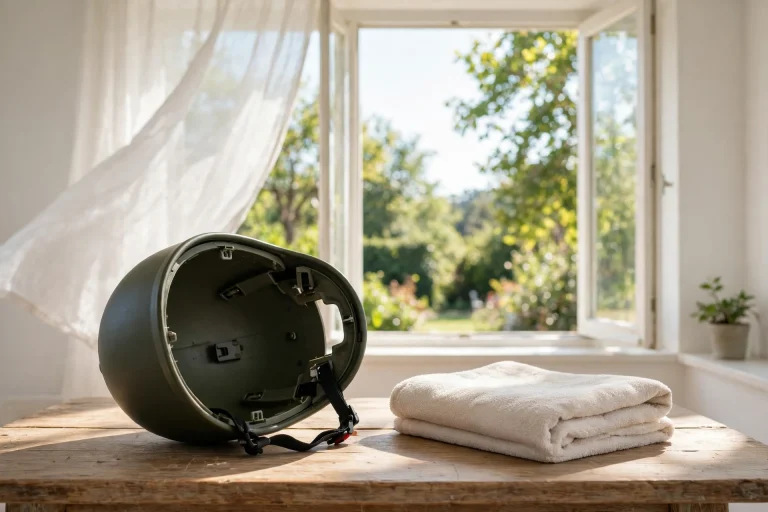
Take the buckle apart if it separates, and wash both halves in warm water with a drop of mild soap. Use an old toothbrush or a soft brush to clean inside the slots and around the teeth, where grit collects. Rinse the buckle well, shake off the water, and let it dry fully before you clip it together again. Do not use harsh solvents or hot water, because they can weaken the plastic.
While the buckle is drying, check the strap itself. Look for fraying, worn patches, or a strap that has gone smooth and shiny where it passes through the buckle. A worn strap will keep slipping even with a clean buckle, so if the webbing is damaged, the strap needs to be replaced. Also check the stitching where the strap joins the helmet, because loose stitching can make the whole strap assembly feel slack.
When should you replace the buckle or the strap?
If cleaning and adjusting do not fix the problem, the buckle or the strap is probably worn out. Many helmet makers sell replacement buckles, strap kits, and adjusters as spare parts, and these are usually cheap and easy to fit. Check the maker’s website or ask at a bike shop, and make sure the replacement matches your helmet model, because buckles come in different sizes and shapes.
To replace a buckle, you usually need to thread the strap through the new buckle in the same way it came out of the old one, so take a photo before you start. If the strap is stitched to the helmet and cannot be removed, a bike shop may be able to fit a new buckle or re-stitch the strap for you. If the helmet is old, the shell is damaged, or spare parts are no longer available, it is time to replace the whole helmet rather than patching it up.
When is a loose buckle a sign to replace the helmet?
A loose buckle is a reason to replace the helmet if the shell or the strap anchor points are damaged. Check the inside of the helmet where the straps are fixed. If the stitching is torn, the anchor points are cracked, or the straps pull away from the shell when you tug them, the helmet will not hold in a crash and no new buckle will fix it.
Age matters too. A helmet that has been used for many years, has taken a hard knock, or has been stored in heat or sunlight may have a weakened shell, and a failing buckle can be one sign of general wear. Some modern helmets use a slip layer that lets the shell move slightly in an angled impact, an idea known as MIPS. That feature does not help if the buckle will not hold, so do not let a fancy feature distract you from the basic check. If the helmet no longer fastens firmly, stays put, and feels snug, replace it.
Can I use glue or tape to fix a loose helmet buckle?
No. Glue and tape will not hold under the forces of a fall, and they can stop the buckle from releasing properly in an emergency. Clean the buckle, adjust the straps, or fit a proper replacement buckle. If none of those work, replace the helmet.
How tight should the chin strap be?
Snug enough that only one or two fingers fit between the strap and your chin. You should be able to open your mouth and talk comfortably, but the helmet should not lift off your head when you pull up on the front edge. If it lifts, tighten the strap a little more.
Is a helmet safe if the buckle clicks but feels loose?
No, not in general terms. A buckle that clicks shut but lets the strap slide is not holding properly, and the helmet may come off in a fall. Clean the buckle, tighten the straps, and if it still slips, replace the buckle or the helmet before your next ride.

Olivia
Writer at Helmet Today, covering helmet reviews, fit and riding safety.