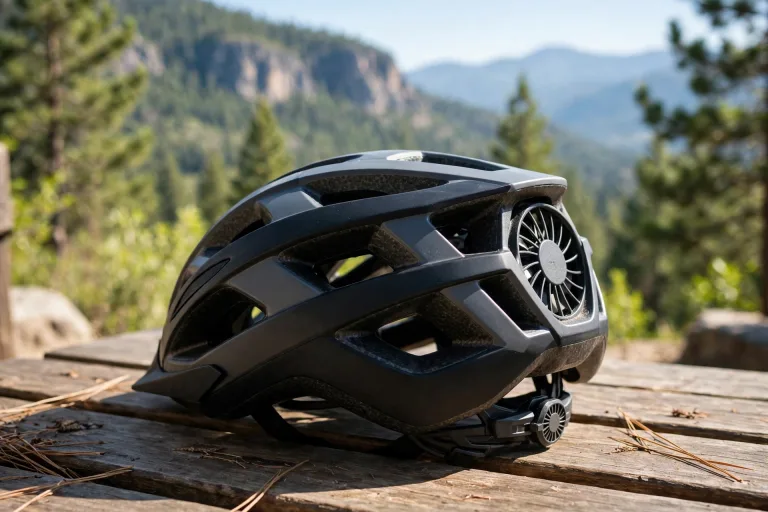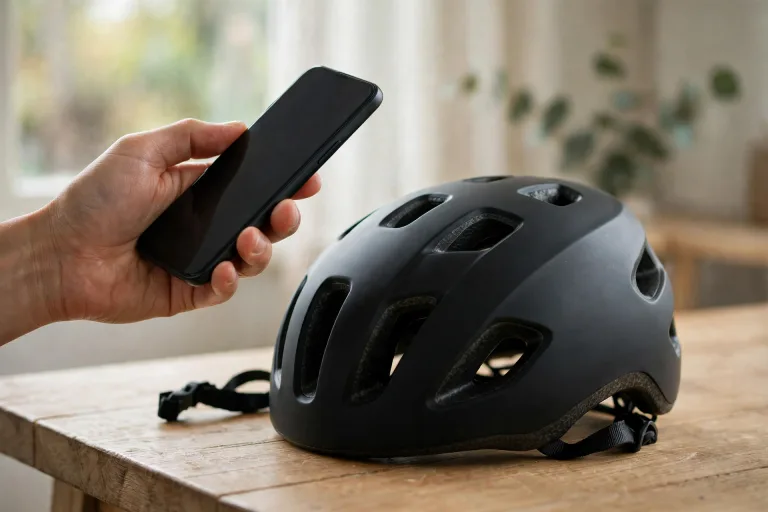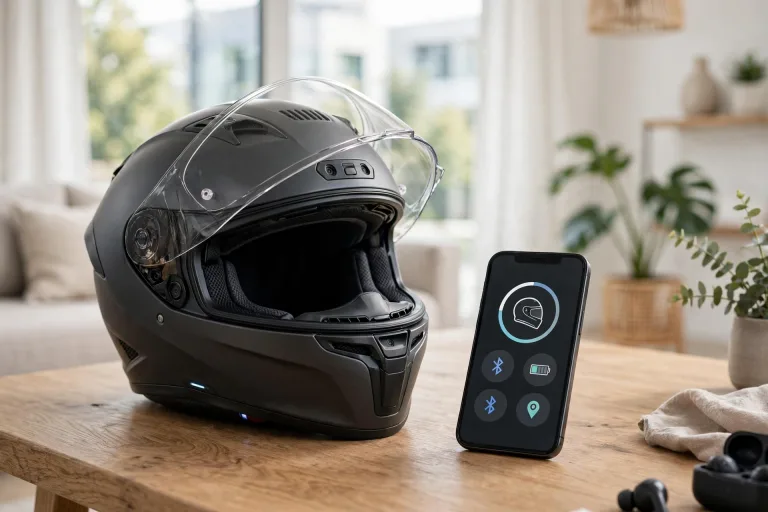
A helmet with built-in heating is a helmet that has small heating elements fitted inside the shell or lining to keep your head warm in cold weather. In general terms, the heating elements are powered by a small rechargeable battery, and the rider can switch the heat on or off and, in some designs, choose between heat levels. The idea is simple: instead of relying only on insulation to hold in body heat, the helmet adds gentle warmth of its own.
Heated helmets are most often talked about by motorcyclists, snowmobile riders, and people who ride or work outdoors in winter, because the head loses heat quickly at speed and a cold head can make a whole ride uncomfortable. A helmet with built-in heating is not the same as a thick winter liner or a balaclava. It is a powered accessory built into the helmet itself, and it is worth understanding how it works before deciding whether it suits your riding.
How does a helmet with built-in heating work?
A helmet with built-in heating works by running a low current through thin heating elements, usually made from fine wire or a flexible heating panel, placed in the lining around the top and sides of the head. The elements warm up when switched on, and the heat spreads through the lining to the rider’s head. In general terms, the system is similar in principle to heated clothing, such as a heated jacket or heated gloves, only on a smaller scale.
Most designs use a small rechargeable battery pack that fits into a pocket in the lining or clips to the outside of the helmet, and a simple control button lets the rider turn the heat on, change the level, or switch it off. Some charge through a standard cable, while others use a removable battery that can be charged separately. The heating is meant to feel warm rather than hot, and the rider should be able to feel the change within a short time of switching it on.
Who is a heated helmet for?
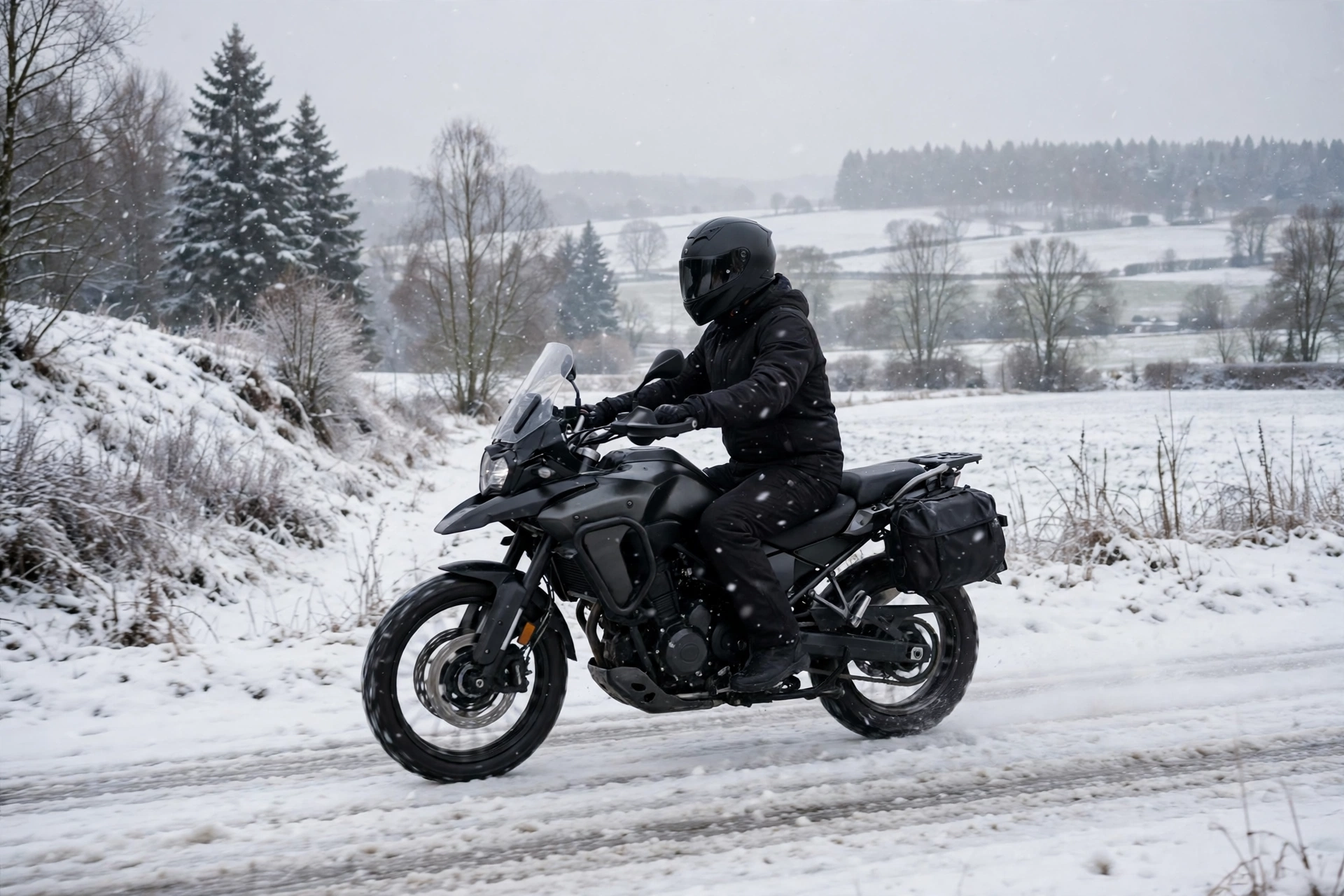
A heated helmet is mainly for people who ride in cold conditions and find that ordinary insulation is not enough to keep them comfortable. Winter motorcyclists are the most obvious group, because wind chill at riding speed can make even a mild day feel bitterly cold. Snowmobile riders, winter commuters, and people who work outdoors on two wheels may also find the extra warmth useful, especially on longer journeys where the cold builds up over time.
That said, a heated helmet is not for everyone. Riders in mild climates may never need one, and riders who only make short trips may find that a good winter liner does the job. In general terms, a heated helmet makes most sense when you ride regularly in cold weather, when your head gets cold before the rest of you, or when you have tried thicker liners and still feel the chill. It is a comfort feature first, and it should never be chosen instead of a helmet that fits well and meets the safety standard for your type of riding.
What should you check before buying a heated helmet?
Before buying a heated helmet, check the safety certification first, because the heating system is an extra feature and it does not replace the helmet’s basic job of protecting your head. Look for a helmet that meets the standard that applies to your riding, whether that is a motorcycle standard or another standard for your sport, and check that the heating parts do not change the fit or the way the helmet sits on your head. The helmet should still sit level, cover your forehead, and fasten securely under the chin.
Next, look at the battery and the controls. Find out how long the battery lasts on each heat setting, how it is charged, and whether the battery can be removed and replaced. Check that the controls are easy to reach with gloves on, because you may want to change the setting while riding. Also check whether the heating elements and the battery can be removed, so that the lining can be cleaned and the helmet can be used without the heating system if you prefer.
Are there any downsides to a helmet with built-in heating?
There are a few downsides to consider. A heated helmet is usually heavier and more expensive than a similar helmet without heating, because of the battery, the wiring, and the controls. The battery also adds a part that needs charging and, over time, replacing, and if the battery runs flat on a cold ride, you are back to relying on insulation alone. Some riders also find that the extra parts inside the lining change the feel of the helmet, so it is worth trying one on before you buy.
There is also the question of reliability. Heating elements and cables can wear out, and a helmet with more parts has more parts that can fail. In general terms, it is worth choosing a design from a maker with a clear warranty and spare parts, and checking what happens if the heating stops working. A helmet with MIPS or another system designed to reduce rotational forces in a fall is a separate feature, and it is worth asking whether the heated helmet you are looking at includes it, rather than assuming that it does.
How do you look after a heated helmet?
Looking after a heated helmet starts with the same steps as any helmet: wipe the shell clean after a ride, let it dry naturally away from direct heat, and check it regularly for cracks, dents, or worn straps. The battery needs extra care. Follow the maker’s instructions for charging, do not leave the battery charging for longer than advised, and store it in a cool, dry place when the helmet is not in use. If the battery is removable, take it out when you store the helmet for a long period.
Keep the heating elements and cables as clean and dry as you can, and never wash the lining in a way that soaks the electrical parts unless the maker says it is safe to do so. If the heating stops working, or if a cable feels damaged, stop using the heating system and ask the maker or a dealer for advice. In general terms, a helmet that has taken a hard knock in a fall should be replaced, even if it looks fine on the outside, because the inner lining may have been compressed, and the same rule applies to a heated helmet.
Does a helmet with built-in heating really keep you warm?
In general terms, yes, a heated helmet can keep your head noticeably warmer on a cold ride, because the heating elements add warmth that insulation alone cannot provide. How warm it feels depends on the heat setting, the battery, and how cold and windy the ride is.
Can you wear a heated helmet in mild weather?
Yes, you can switch the heating off and use the helmet as an ordinary helmet, which makes it useful across the seasons. Just remember that the battery and heating parts add a little weight, even when the heating is not in use.
How long does the battery in a heated helmet last?
It depends on the battery size and the heat setting, with higher settings using power more quickly. Check the maker’s stated run time for each setting, and carry a charged spare battery on a long cold ride if the design allows it.

Olivia
Writer at Helmet Today, covering helmet reviews, fit and riding safety.