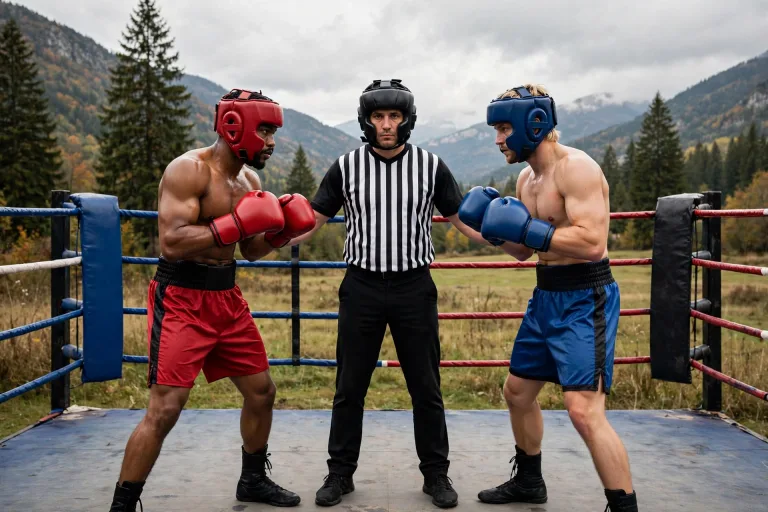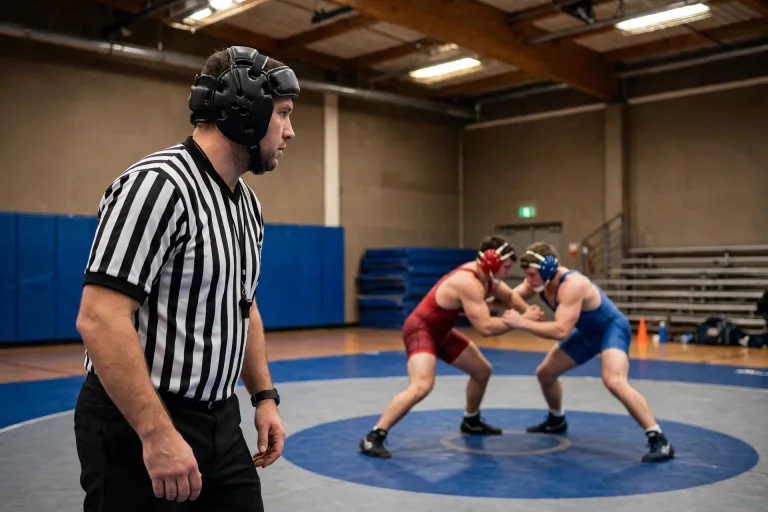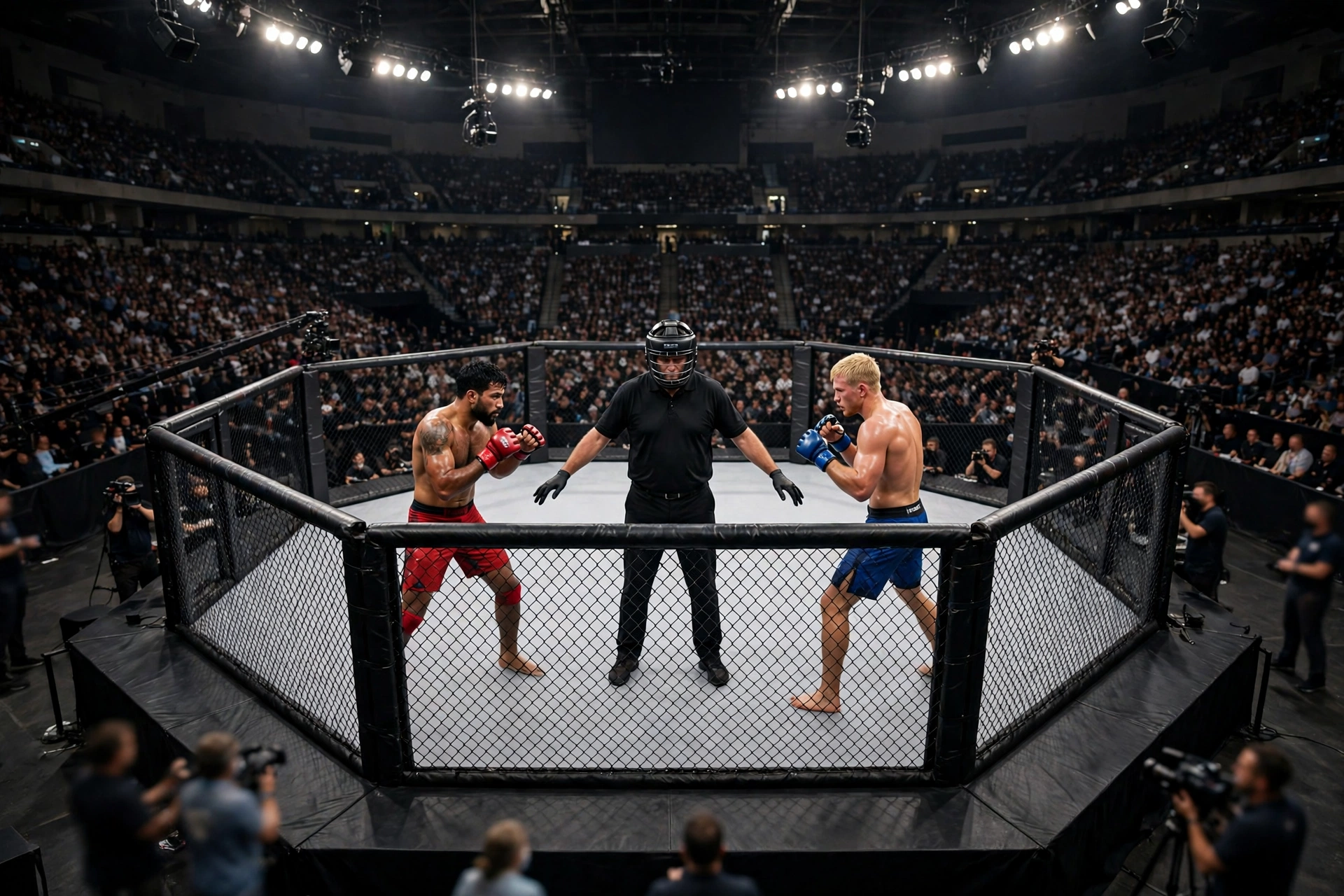
A helmet for MMA referees is a light, padded protective helmet worn by the official in the cage to help protect the head from accidental strikes, elbows, and collisions during a fight. In general terms, it is not the same as a fighter’s headgear, and it is not standard equipment in every promotion. A referee’s helmet is meant to let the official stay close to the action while adding a layer of protection to the head.
MMA referees work closer to the action than anyone else in the cage. They step between fighters, break up clinches, and move in quickly to stop a bout, which means they can be caught by a stray punch, a knee, or a fighter who falls or is thrown in their direction. A helmet made for this role aims to reduce that risk without getting in the way of the referee’s view, hearing, or movement.
What does an MMA referee do in the cage?
An MMA referee is the official responsible for the safety of the fighters and for making sure the bout follows the rules. The referee starts and stops the fight, watches for fouls, separates fighters when they are told to break, and steps in the moment a fighter can no longer defend themselves. In general terms, the referee’s job is to be close enough to see everything clearly, but not so close that they block the fighters or the view of the judges.
That closeness is what makes the job physical. A referee may need to move around a fighter who is throwing kicks, crouch to check on a grounded fighter, or pull a fighter off an opponent after a stoppage. All of that happens in a small space, with fast-moving athletes, and a referee who is caught off guard can be struck by accident. The helmet is one way to prepare for that risk, in the same way that good positioning and awareness are.
Why would an MMA referee wear a helmet?
An MMA referee might wear a helmet because the risk of an accidental head strike is a real part of the job. Fighters do not aim at the referee, but a missed punch, a spinning strike, or a fighter who is pushed or falls can all reach the official. In general terms, a padded helmet can soften the effect of such a blow and help the referee keep working through the rest of the bout.
There is also a practical reason: a referee who feels protected may be more confident about moving in close when the moment calls for it. A stoppage has to happen quickly, and a referee who hesitates because of the risk of being hit may arrive a fraction of a second later than they should. A light helmet that does not block vision or hearing can help the referee act without that hesitation, although it is no substitute for training, positioning, and experience.
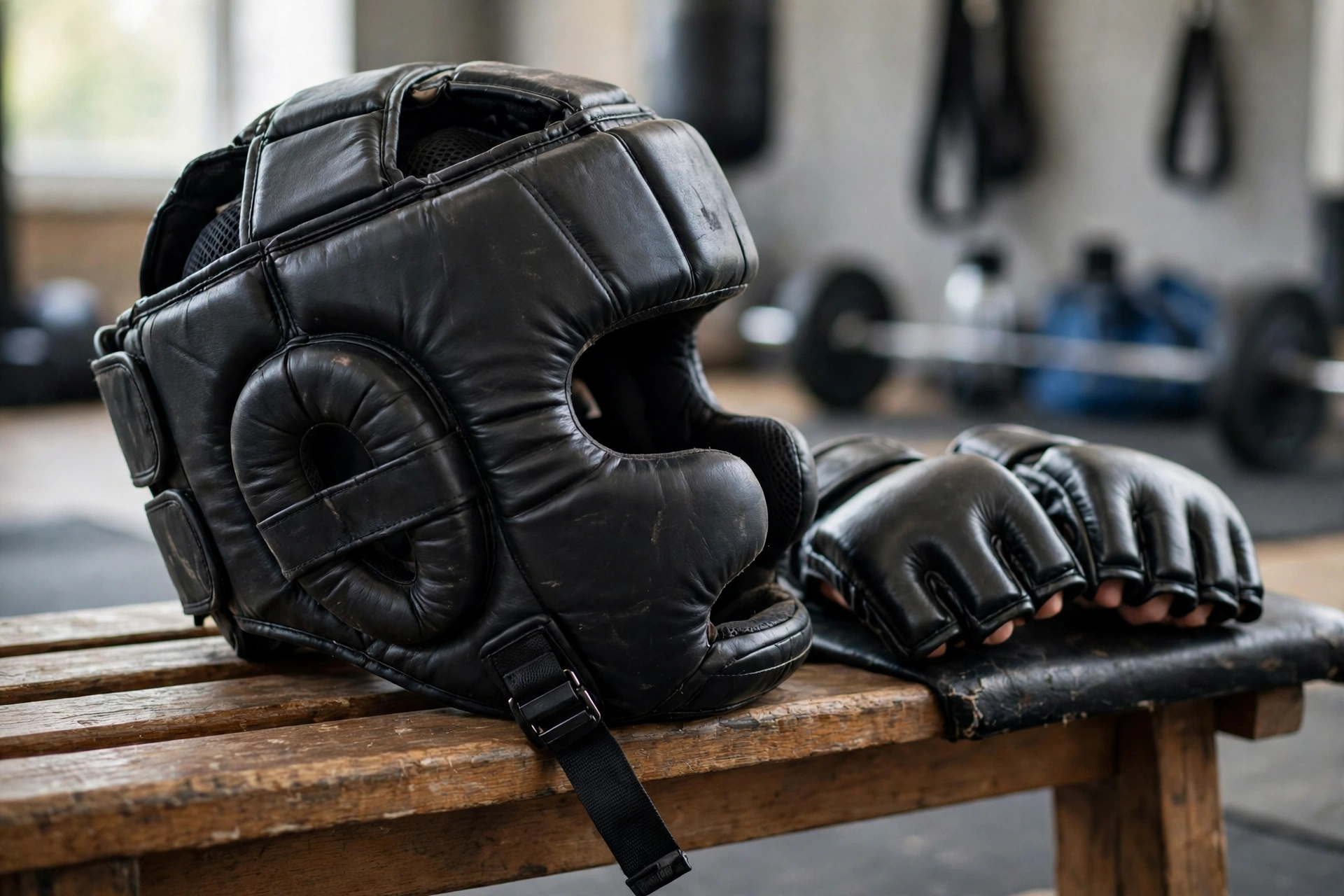
What kind of helmet would suit an MMA referee?
A helmet for an MMA referee should be light, low-profile, and easy to move in. Heavy or bulky headgear would slow the referee down and make it harder to see the fighters from every angle, which would defeat the purpose. In general terms, the best fit for this role is a padded helmet with a slim shell, good ventilation, and a secure strap that keeps it in place during sudden movement.
Comfort matters as much as protection. A referee may be in the cage for several bouts in a row, and a helmet that is hot, heavy, or poorly fitted will become a distraction. The padding should sit evenly around the head, the ear area should stay open enough for the referee to hear instructions and crowd noise, and the fit should be snug without squeezing. A helmet that shifts around during a bout is worse than no helmet at all, because it can block the referee’s view at the worst moment.
Do the rules allow referees to wear a helmet?
Whether a referee can wear a helmet depends on the rules of the promotion and the athletic commission that oversees the event. In general terms, referee equipment is set by the organisation running the bout, and some events may have a dress code or equipment list that does not mention helmets at all. A referee who wants to wear one should check with the promoter and the commission before the event, rather than assuming it will be allowed.
There are also practical concerns that officials may raise. A helmet changes how the referee looks in the cage, and some promotions prefer a traditional appearance for their officials. Others may worry that a helmet could affect how clearly the referee can be heard, or that it could get in the way during a stoppage. These are matters for the people running the event to decide, and a referee should be ready to work without a helmet if the rules do not allow one.
What should a referee look for when choosing a helmet?
A referee choosing a helmet should start with fit, then look at weight, visibility, and hearing. The helmet should sit low enough to protect the top and sides of the head, without covering the eyes or pressing on the ears. The strap should hold it steady without needing constant adjustment, and the padding should feel even all the way around. In general terms, a simple, well-fitting helmet is a better choice than a complicated one with features the referee does not need.
It is also worth looking at how the helmet handles the forces of an impact. Some modern helmets include a system designed to reduce rotational forces in a fall or a blow, such as MIPS, and a referee may want to consider whether that kind of feature is available in a helmet light enough for officiating. The referee should also check that the helmet is easy to clean, since it will be used in a sweaty environment, and that it can be replaced when the padding wears out or the shell is damaged.
Do MMA referees normally wear helmets?
No, helmets are not standard equipment for MMA referees in most promotions, and most officials work without one. A helmet is an optional piece of protection that some referees may choose where the rules allow it.
Is a referee helmet the same as fighter headgear?
No, fighter headgear is designed for sparring and training, with thicker padding and more coverage, while a referee helmet should be lighter and lower-profile so the official can see, hear, and move freely in the cage.
Can a referee wear a helmet at any MMA event?
Not always. Whether a helmet is allowed depends on the promotion and the athletic commission overseeing the event, so a referee should check the rules before the event rather than assuming it will be permitted.

Olivia
Writer at Helmet Today, covering helmet reviews, fit and riding safety.