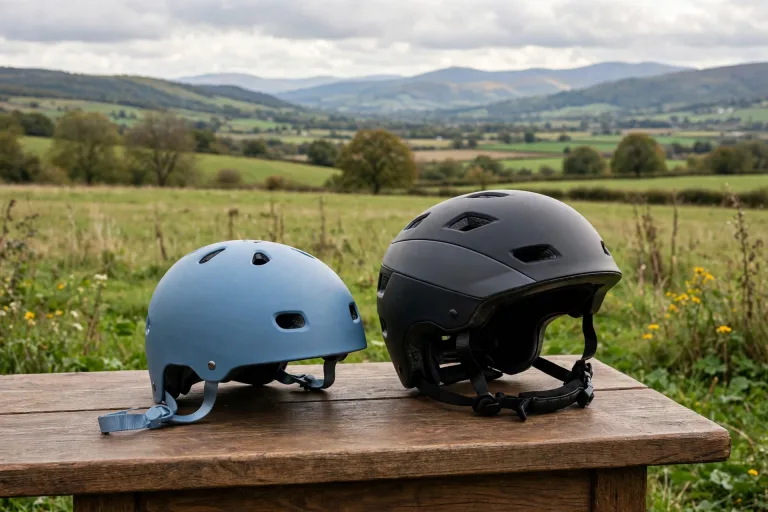
Helmet hire is a service that lets a person borrow a helmet for a ride, a lesson, an event, or a holiday, instead of buying one of their own. In general terms, the hirer pays a fee for a set period, picks a helmet that fits, uses it for the activity, and returns it afterwards. Helmet hire is common at riding schools, bike hire shops, ski resorts, go-kart tracks, and activity centres, where people may need a helmet for a short time and may not want to carry or buy one for a single outing.
Hiring a helmet can be a practical choice for a beginner, a traveller, or anyone trying a new activity for the first time. It saves the cost of buying a helmet before you know whether you will enjoy the activity, and it saves the trouble of carrying a bulky helmet on a journey. But a hired helmet is still safety equipment, and it deserves the same careful check as a helmet you own, because its job is to protect your head while you ride, ski, or take part.
When is helmet hire a good idea?
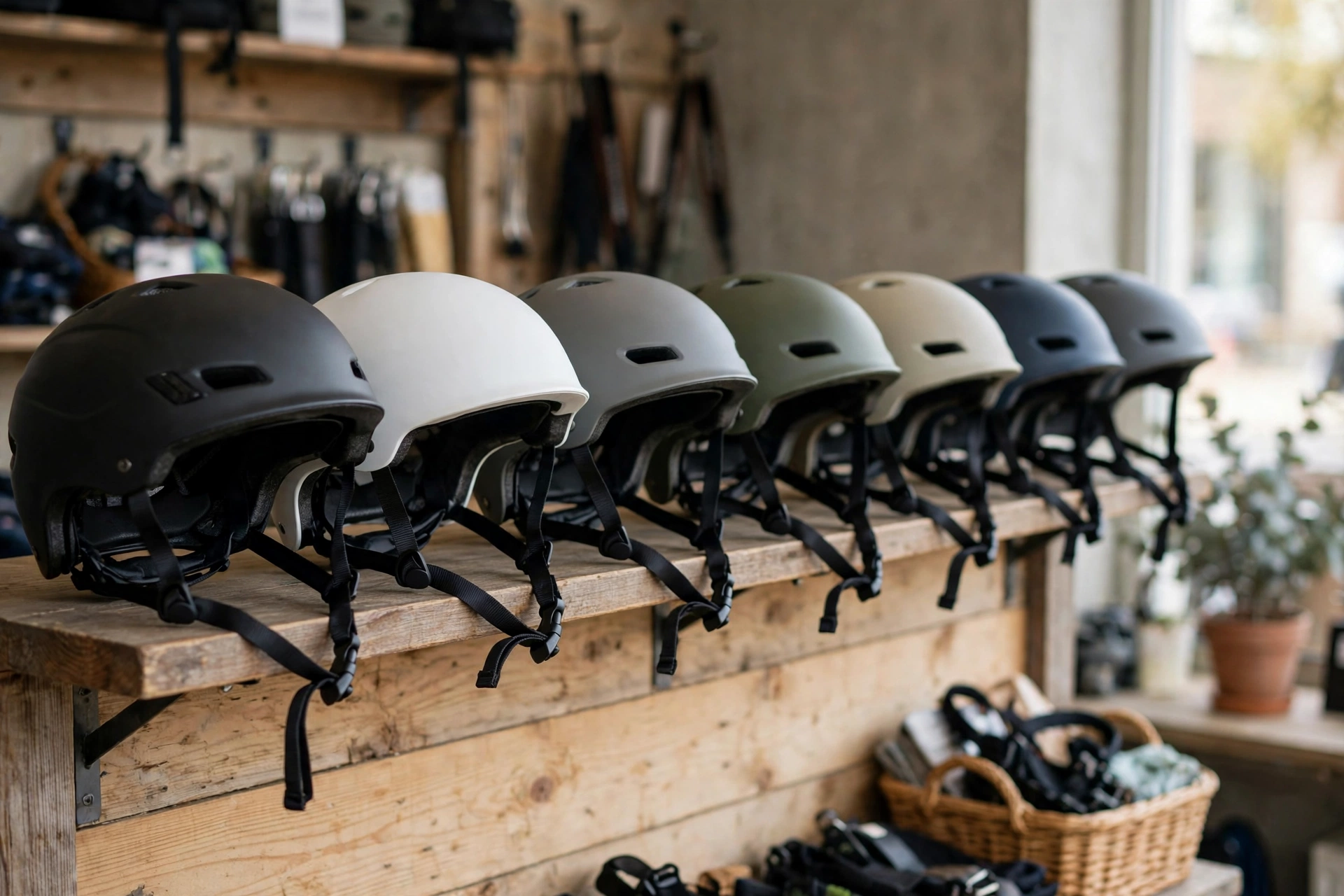
Helmet hire is a good idea when you need a helmet for a short time, when you are trying an activity for the first time, or when you are travelling light and cannot easily bring your own. A rider on a first horse riding lesson, a skier on a first trip to the slopes, or a cyclist on a holiday ride may all find that hiring is simpler and cheaper than buying. In general terms, hiring works best when the hire shop has a good range of sizes and keeps its helmets clean and in good order.
Hire is less useful when you take part in an activity often, because the cost of hiring again and again can soon add up, and a helmet you own will fit you better over time as you get used to it. Regular riders, skiers, or cyclists often find that buying their own helmet is better value and more comfortable in the long run. The choice depends on how often you take part, how long you need the helmet for, and whether you want a helmet that is fitted to you alone.
What should you check when you hire a helmet?
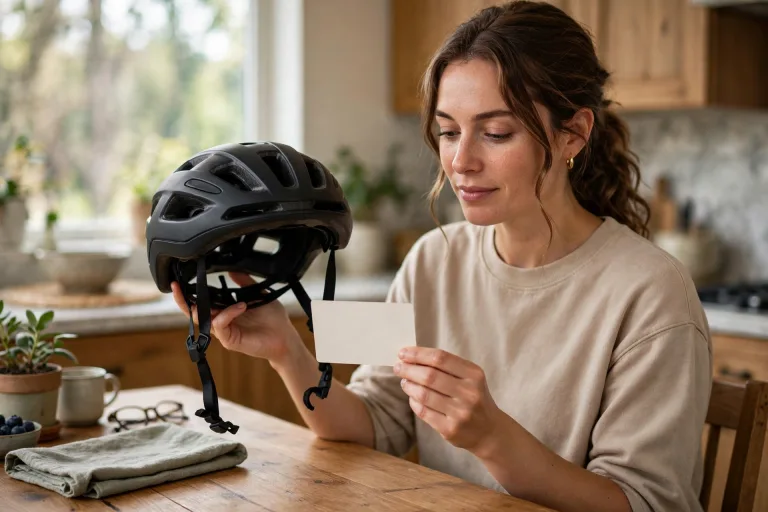
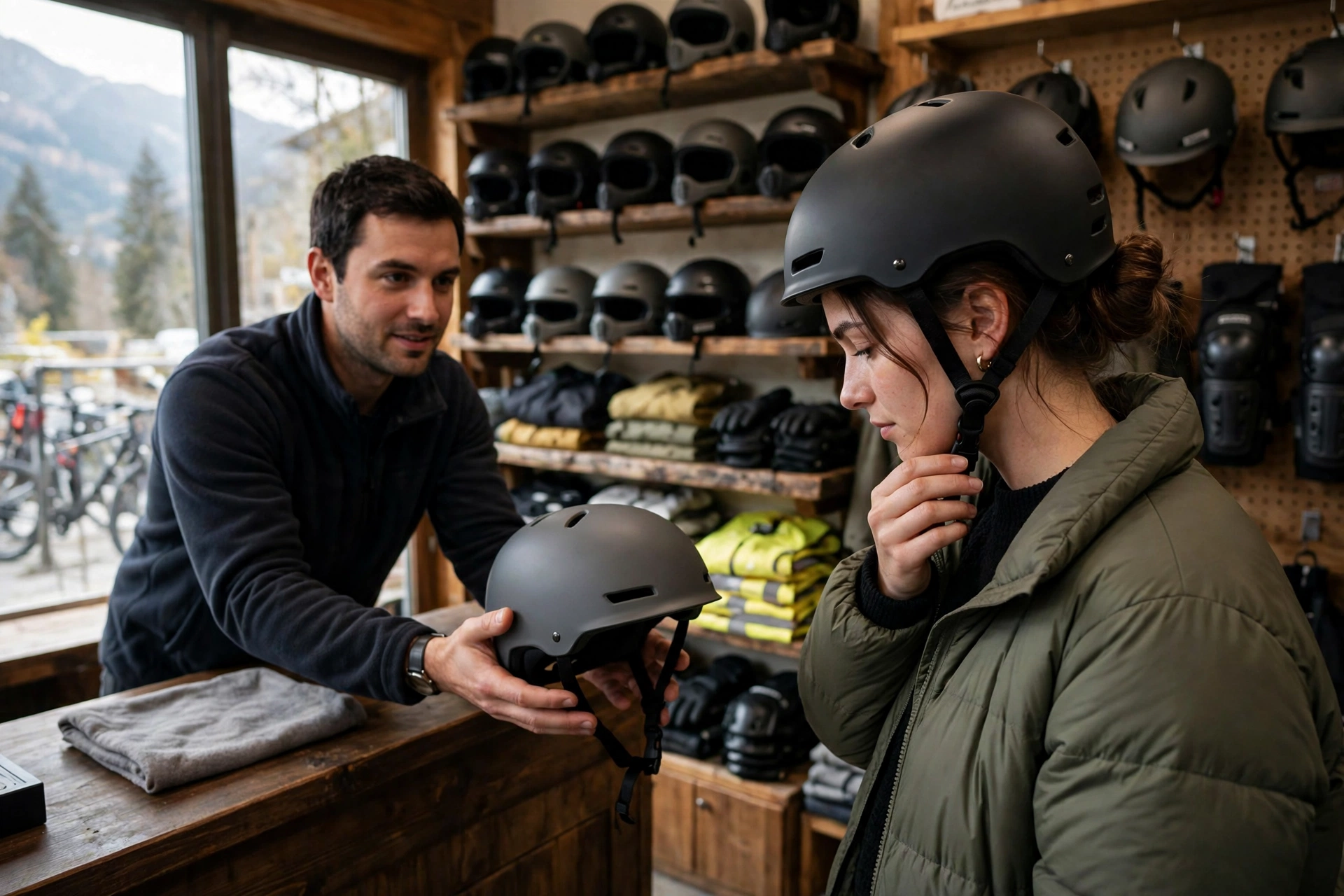
When you hire a helmet, you should check that it fits you well, that it is clean, and that it shows no obvious damage. Try it on before you pay, and check that it sits level on your head, feels snug without pressing painfully, and stays in place when you shake your head gently. The chin strap should fasten securely and should not be frayed, stretched, or hard to adjust. If the helmet wobbles, slips, or feels wrong, ask for a different size or a different helmet.
You should also look at the shell for cracks, dents, or soft spots, and look inside at the lining to make sure it is clean, dry, and firmly in place. A hired helmet has been worn by other people, so a clean lining and a fresh inner cover, where one is offered, are worth asking about. In general terms, a reputable hire shop will be happy for you to check the helmet and to swap it if it does not fit, and a shop that rushes you or refuses a swap is a warning sign.
How does helmet hire usually work?
Helmet hire usually works in a simple way: you choose a helmet in your size, the staff check the fit with you, you pay a fee for the hire period, and you return the helmet at the end of the session or the day. Some hire shops ask for a deposit, which is returned when the helmet comes back in good order, and some include the helmet in the price of a lesson or a rental package. The exact terms vary from place to place, so it is worth asking about the price, the return time, and what happens if the helmet is damaged.
You may be asked to sign a hire form, which sets out the terms and the return conditions. Read it before you sign, and ask about anything you do not understand, such as whether you are responsible for damage, whether the helmet can be swapped during the day, and what time it must be back by.
Is a hired helmet as safe as a new one?
A hired helmet can be safe, in general terms, if it is well kept, checked between hires, and taken out of service when it is damaged or worn out. A good hire shop inspects its helmets, cleans them, and replaces any that have taken a hard knock or no longer fit properly. The safety of a hired helmet depends less on whether it is new and more on how it has been looked after, how often it has been checked, and whether the shop is willing to retire a helmet that has reached the end of its working life.
That said, a hired helmet has a history you do not know, and it may have been dropped or knocked in ways that are not easy to see. That is why your own check matters, and why you should speak up if something feels wrong. A helmet that has taken a serious impact should not be hired out again, and a shop that takes safety seriously will have a clear rule about that. Some modern helmets also include a system designed to reduce rotational forces in a fall, such as MIPS, and it is worth asking whether the hire fleet includes that feature if it matters to you.
What should you do when you return a hired helmet?
When you return a hired helmet, hand it back to the staff rather than leaving it on a bench or in a pile, and tell them if it was dropped, knocked, or involved in a fall while you had it. That information helps the shop to check the helmet properly and to take it out of service if it needs to be retired.
You should also check that any deposit is returned as agreed, and that you have not left any of your own kit with the helmet. If you enjoyed the activity and plan to do it again, the hire experience can help you to choose your own helmet later, because you will know which size and style felt comfortable. In general terms, a good hire is a useful first step, and a helmet you buy for yourself is the natural next step once the activity becomes a regular part of your life.
Do I need to book a hired helmet in advance?
In general terms, it is wise to book ahead at busy times, such as school holidays or weekends, because popular sizes can run out. At quieter times, you can often hire one on the day.
Can I hire a helmet for a child?
Yes, many hire shops stock children’s sizes, but the fit must be checked with the same care as for an adult. A child’s helmet should sit level, feel snug, and stay in place with the strap fastened.
What if a hired helmet does not fit?
Ask the staff for another size or a different helmet, and do not use one that slips, wobbles, or presses painfully. A helmet that does not fit cannot protect you properly.

Olivia
Writer at Helmet Today, covering helmet reviews, fit and riding safety.