Should you register your helmet? In general terms, yes, it is worth doing if the maker offers it, because registration is usually free, takes only a few minutes, and can make warranty claims and safety notices much easier to deal with later. Registering a helmet simply means giving the maker your name, contact details, and the helmet’s model and serial number, so they have a record that you own that particular helmet. It does not change how the helmet works, and it does not make the helmet any safer on its own, but it connects you to the maker in a way that can help if something goes wrong.
Many riders never register their helmets, and that is understandable. The helmet comes out of the box, it fits, and the last thing anyone wants to do is fill in a form. But the few minutes it takes are often worth it, because the record you create is the same record the maker will look for if you ever need a replacement part, a warranty repair, or a warning about a fault.
What does it mean to register a helmet?
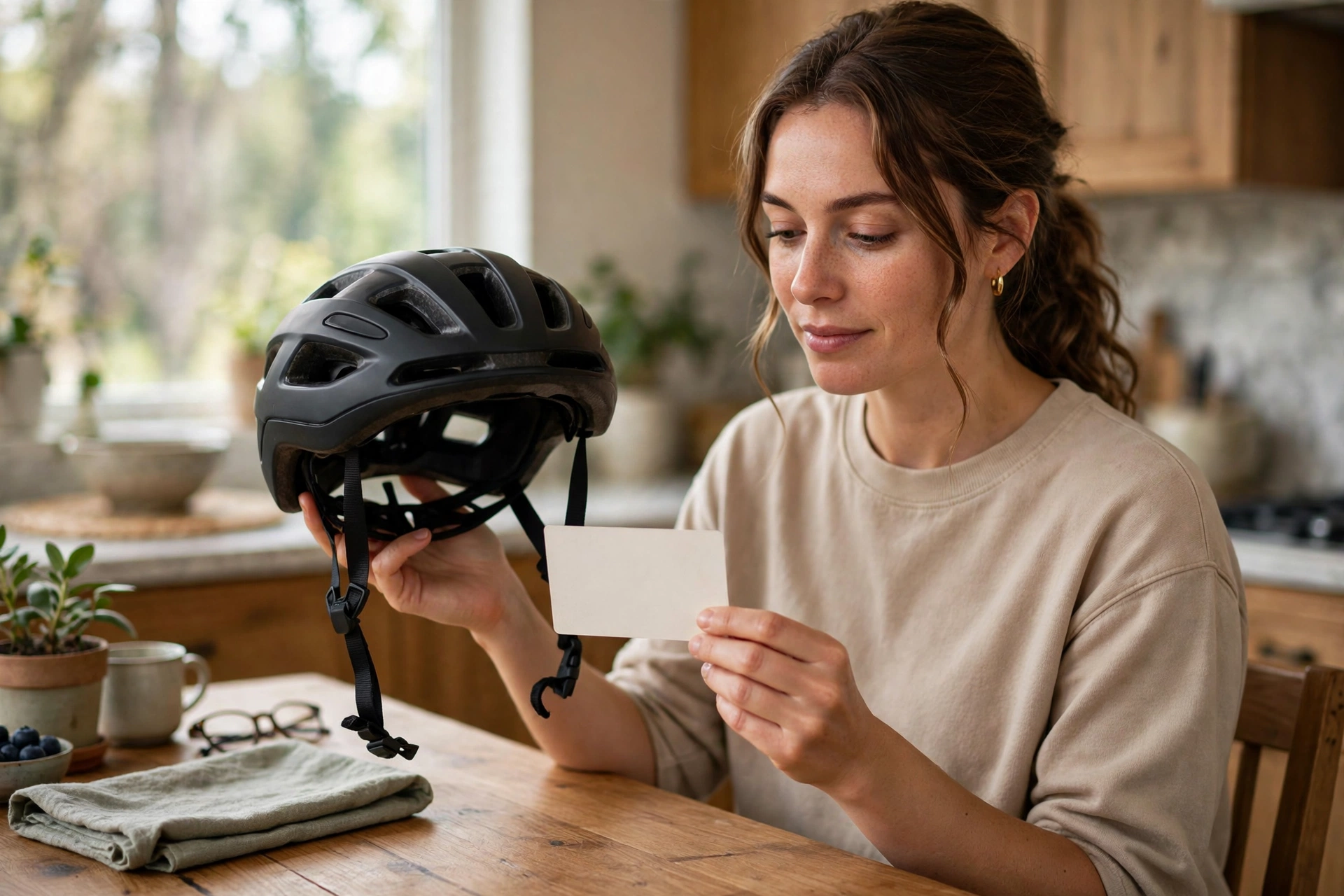
Registering a helmet means telling the maker that you bought it, usually through a form on their website or a card in the box. You give them your name and an email address, the model name, the size, and the serial number, which is normally printed on a label inside the helmet or on the box it came in. Some makers also ask where and when you bought the helmet, and some ask for a copy of the receipt. Once the form is sent, the maker keeps those details on file, and you usually get a confirmation email to show that the helmet is registered.
Registration is not the same as a warranty, and it does not add extra cover on its own. The warranty is the maker’s promise to repair or replace a faulty helmet, and that promise stands whether or not you registered, in general terms. What registration does is make the warranty easier to use, because the maker already has your details and the helmet’s details, so you do not have to dig out an old receipt or prove when you bought it.
Why do helmet makers offer registration?
Helmet makers offer registration for a few practical reasons, and the most important one is safety. If a fault is found in a batch of helmets, the maker needs a way to reach the people who own one, and a registration list is the fastest way to do that. A safety notice sent to registered owners can reach the right people quickly, while an unregistered owner may never hear about it. In general terms, registration helps the maker warn riders about a problem before it causes harm.
Registration also helps with warranty and service. When a rider contacts the maker about a cracked shell, a broken buckle, or a worn liner, the maker can look up the helmet straight away and see when it was bought and which model it is. That makes the conversation shorter and the outcome clearer.

What are the downsides of registering a helmet?
The main downside is sharing your personal details with another company. Registration asks for your name and email address, and sometimes your home address, and that information goes onto the maker’s mailing list unless you opt out. That can mean extra marketing emails, and some riders would rather not be contacted at all. In general terms, the risk is small, but it is real, and it is worth reading the form before you send it to see what you are agreeing to.
There is also the simple cost of your time. Registration takes a few minutes, and if you own several helmets, the forms add up. Some riders find the process fiddly, especially if the serial number is hard to read or the website asks for details that are not on the box. If the form looks long or asks for details you are not comfortable sharing, you can always stop and leave the helmet unregistered.
How do you register a helmet?
Registering a helmet is usually straightforward. Start by finding the serial number, which is normally on a sticker inside the helmet, under the liner, or on the box. Then go to the maker’s website and look for a page called product registration, warranty registration, or register your helmet, which is often linked from the support or warranty pages. Fill in your details and the helmet’s details, upload a copy of the receipt if the form asks for one, and send it off. You should get a confirmation email within a short time, and it is worth keeping that email somewhere safe.
If the helmet came with a paper card instead of a web link, you can usually post the card or scan its code with a phone. Some shops will also register the helmet for you at the till, so it is worth asking when you buy. In general terms, the best time to register is on the day you buy the helmet, while the box, the receipt, and the serial number are all still to hand.
Should you register your helmet?
For most riders, the answer is yes, because the benefits outweigh the small effort involved. Registration is usually free, it takes only a few minutes, and it makes warranty claims simpler and safety notices more likely to reach you. If your helmet is ever recalled or found to have a fault, being on the maker’s list is the fastest way to find out, and that alone is worth the form. Registration does not change how the helmet protects your head, though — safety features built into the helmet, such as MIPS, work the same whether the helmet is registered or not. In general terms, it is a small step that protects the money you spent on the helmet.
There are a few cases where it matters less. If you bought a second-hand helmet, the maker may not let you register it, and if you are only keeping the helmet for a short time, the record may never be used. Some riders also prefer not to share their details at all, and that is a fair choice too. But for a new helmet that you plan to use for years, registration is a sensible habit, much like keeping the receipt. It costs nothing, it takes minutes, and it is there when you need it, even if you hope you never will.
Is helmet registration free?
In general terms, yes. Most makers offer registration for free, and it takes only a few minutes on their website. Be wary of any service that asks you to pay to register a helmet.
Do you have to register a helmet to use the warranty?
Usually no. A warranty normally stands whether or not you registered, but registration can make a claim faster and simpler because the maker already has your details and the helmet’s serial number.
Is it safe to share your details when registering a helmet?
In general terms, registering on the maker’s own website is safe, but read the form first to see what you are agreeing to, and opt out of marketing emails if you do not want them. Only share the details the form genuinely needs.

Olivia
Writer at Helmet Today, covering helmet reviews, fit and riding safety.