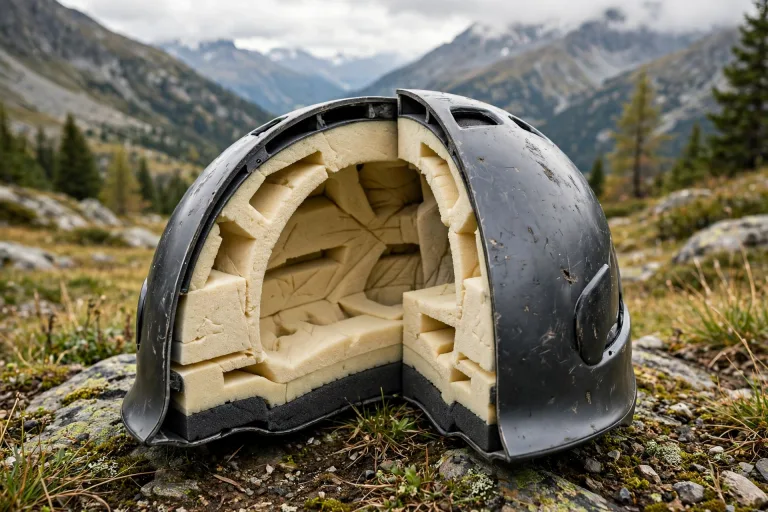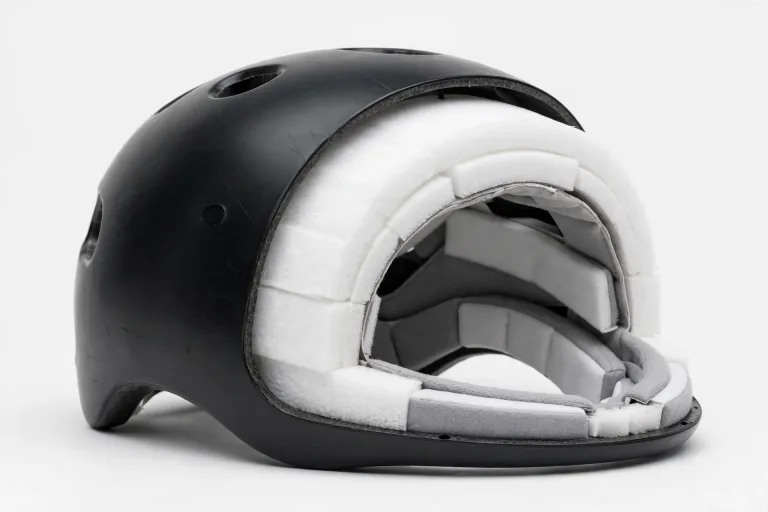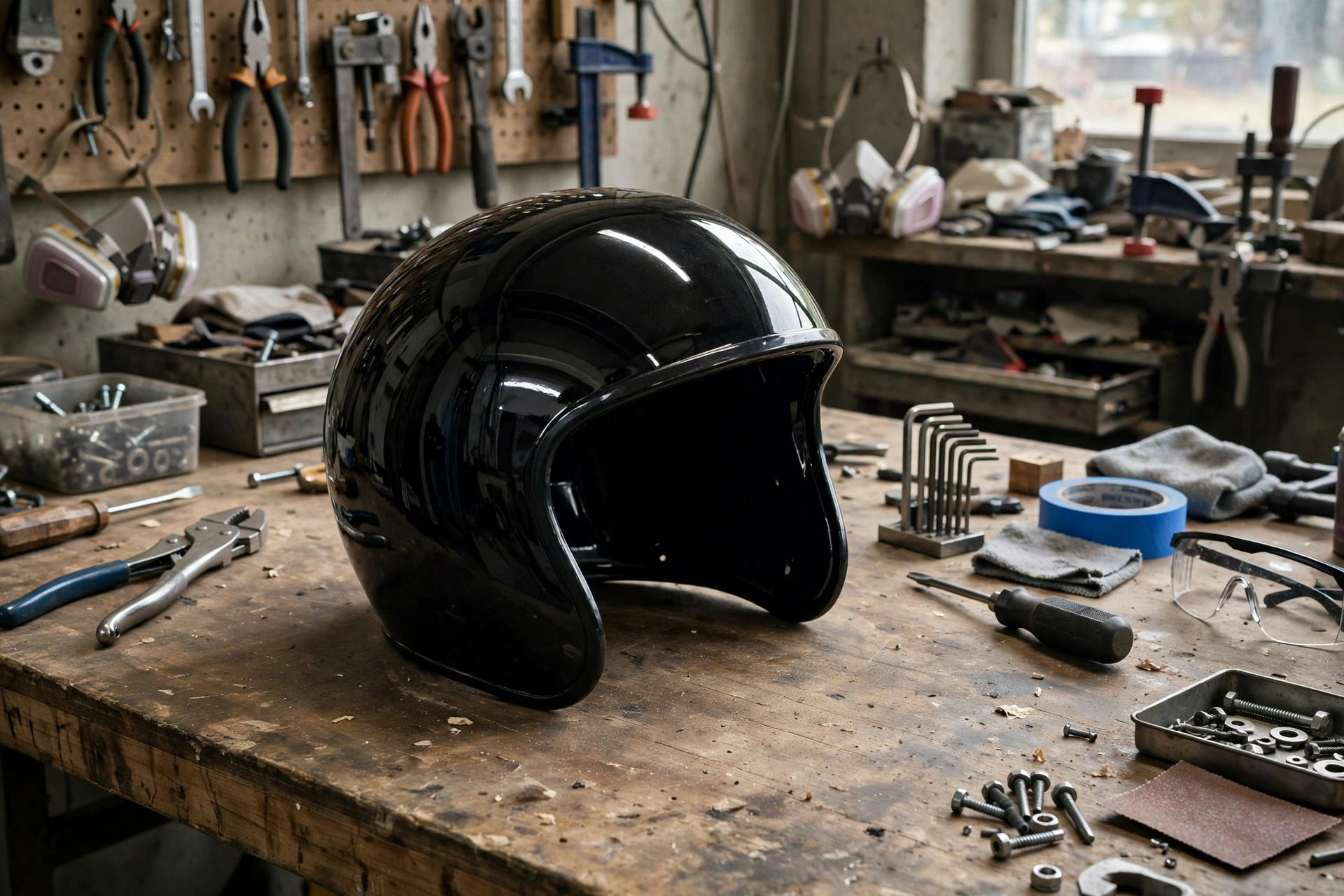
A polycarbonate helmet shell is the hard outer layer of a helmet made from polycarbonate, a tough, lightweight plastic that is shaped into a smooth, rigid cover to protect the head from knocks and scrapes. In general terms, the shell is the first line of defence: it takes the hit, spreads the force over a wider area, and stops sharp objects from reaching the softer liner underneath. Polycarbonate is one of the most common shell materials in modern helmets, and you will find it on motorcycle helmets, ski helmets, bike helmets, and many work and sports helmets.
The shell is only one part of a helmet, but it is the part you see and touch, and it does a lot of the work. Underneath it sits a liner, usually made from foam, which soaks up the energy of an impact, and under that sits the comfort padding that rests against your head. The shell holds all of those layers together, gives the helmet its shape, and protects them from rain, sun, and everyday wear. A good shell is strong without being heavy, and polycarbonate has become popular because it manages that balance well.
What is polycarbonate?
Polycarbonate is a type of plastic known for being both strong and light, and it is used in far more places than helmets. In general terms, it is the same family of material found in safety glasses, riot shields, and the windows of some vehicles, where a clear, tough material is needed. It can be moulded into complex shapes when it is heated, and once it cools it keeps that shape, which makes it ideal for a helmet shell that needs smooth curves and a precise fit.
What makes polycarbonate useful for helmets is how it behaves on impact. Rather than shattering, it tends to flex slightly and spread the force of a knock across the shell, which gives the foam liner underneath a better chance to do its job. It is also resistant to weather and to many of the chemicals a helmet meets in daily use, such as sweat and rain. It is not unbreakable, and no plastic is, but for its weight it is one of the toughest materials a helmet maker can choose.
How is a polycarbonate helmet shell made?
A polycarbonate helmet shell is made by heating small pellets of the plastic until they soften, then shaping the soft material into the form of a helmet. In general terms, the most common method is injection moulding, where the softened plastic is forced into a mould shaped like the inside of the helmet, and left to cool and harden. The result is a single smooth piece with no seams, which is then trimmed, checked, and finished with paint or a clear coating.
Once the shell has cooled, the maker adds the other parts of the helmet: the foam liner is fitted inside, the comfort padding and chin strap are attached, and any vents, visors, or fittings are fixed in place. The finished helmet is then checked for fit and quality before it is packed. Because moulding is a repeatable process, polycarbonate shells can be made in large numbers to a consistent shape, which helps keep the price of the helmet down while keeping the quality steady.
What are the advantages of a polycarbonate shell?
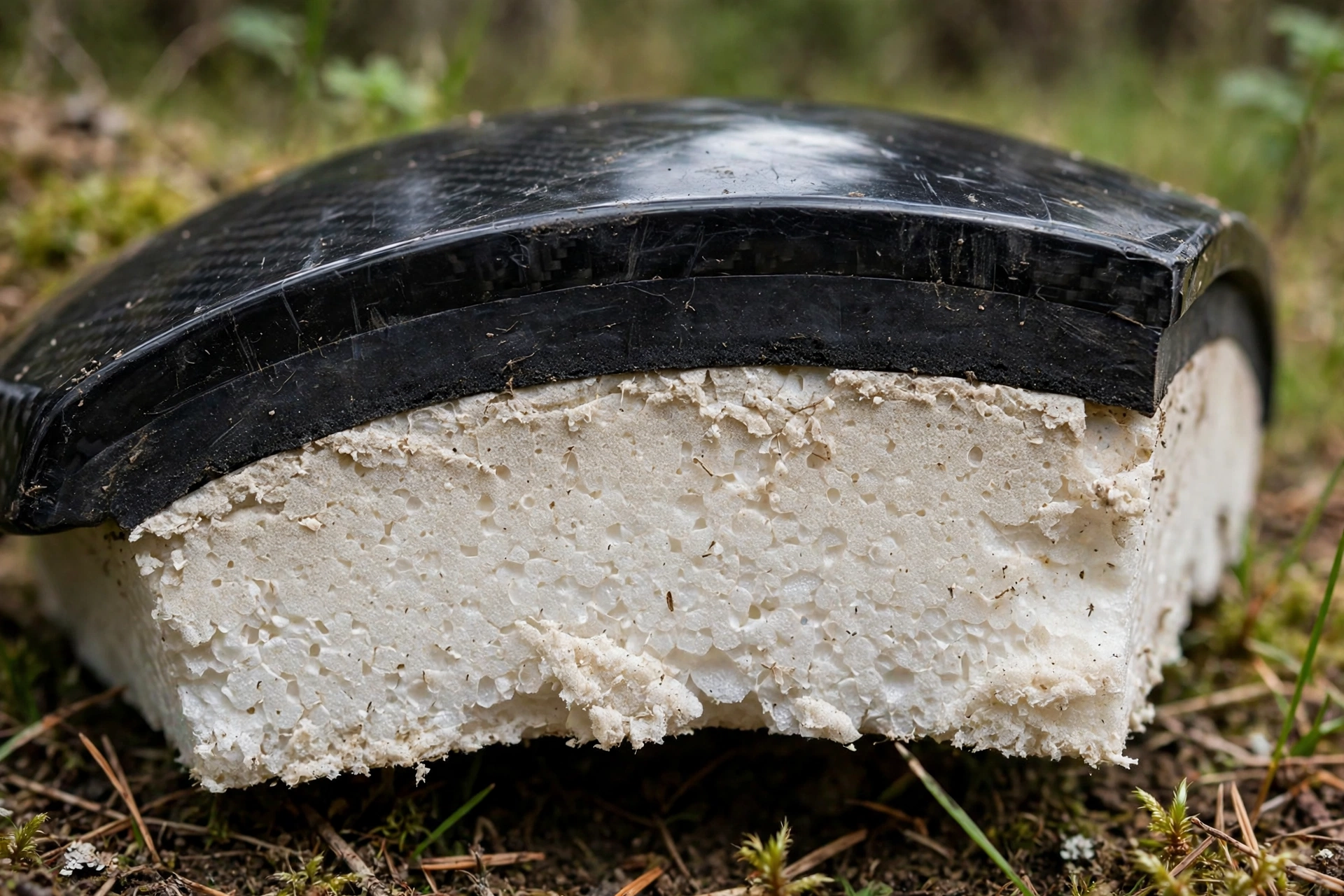
The biggest advantage of a polycarbonate shell is its balance of strength, weight, and price. It is lighter than many older shell materials, so the helmet is easier to wear for a long time, and it is strong enough to handle the knocks of everyday use. It is also cheaper to produce than high-end materials such as carbon fibre, which means a polycarbonate helmet can offer solid protection without a high price tag. For most riders, that balance is exactly what they need.
Polycarbonate also handles everyday wear well. It resists scratches better than some softer plastics, it copes with rain and sun, and it keeps its shape over time. Because it can be moulded into smooth, rounded forms, makers can design helmets that slip through the air cleanly and look smart at the same time. In general terms, a polycarbonate shell is a practical choice: strong where it matters, light enough to wear all day, and affordable enough to replace when the time comes.
What are the downsides of a polycarbonate shell?
Polycarbonate is not perfect, and its main weakness is that it can be affected by certain chemicals and by long exposure to strong sunlight. Some solvents, fuels, and cleaning products can damage the surface, which is why makers warn riders to clean their helmets with mild soap and water rather than harsh chemicals. In general terms, a polycarbonate shell that is looked after will last well, but one that is left in the sun for years or cleaned with the wrong product can become brittle.
The other downside is weight. Although polycarbonate is light for a plastic, it is heavier than premium materials such as carbon fibre or composite shells, so a polycarbonate helmet often weighs a little more than a top-end helmet of the same size. For most riders, that difference is small and easy to live with, but a rider who wears a helmet for many hours a day may notice it. It is a trade-off: polycarbonate gives up a little lightness in return for a much lower price.
How does polycarbonate compare with other shell materials?
Compared with fibreglass, polycarbonate is usually lighter and cheaper to make, although fibreglass can be repaired more easily and is often found on helmets that are built to be serviced. Compared with carbon fibre, polycarbonate is heavier and less stiff, but it costs far less, which is why carbon fibre is mostly found on premium helmets while polycarbonate is found across the whole market. In general terms, each material has its place, and the right choice depends on the rider’s budget and how the helmet will be used.
What matters most is not the shell material alone but the helmet as a whole. A well-made polycarbonate helmet with a good liner, a comfortable fit, and a safety system designed to reduce rotational forces in a fall, such as MIPS, can protect better than a poorly made helmet in a more expensive material. When you choose a helmet, check that it meets the safety standard for your activity, try it on for fit, and treat the shell material as one part of the decision rather than the whole of it.
Is a polycarbonate helmet shell safe?
In general terms, yes. Polycarbonate is a strong, well-tested shell material used in helmets across many sports, and a helmet with a polycarbonate shell that meets the safety standard for its activity offers solid protection.
Is polycarbonate better than fibreglass for a helmet?
Neither is better in every way. Polycarbonate is usually lighter and cheaper, while fibreglass can be easier to repair. The best choice depends on your budget, your activity, and how the helmet fits.
Can a polycarbonate helmet shell be repaired?
In general terms, no. If the shell is cracked or deeply damaged, the helmet should be replaced rather than repaired, because hidden damage can weaken it and a repair may not restore its strength.

Olivia
Writer at Helmet Today, covering helmet reviews, fit and riding safety.