The ASTM F2040 snow sports helmet standard is the test standard used in the United States for ski and snowboard helmets, setting out how a helmet should be tested for impact protection, strap strength, and coverage before it can carry the F2040 label. In general terms, if you buy a ski or snowboard helmet in the US, the F2040 mark is the sign that the helmet has been tested to a recognised set of rules for snow sports, rather than to a standard written for a different activity such as cycling or motorcycling.
ASTM International is the organisation that writes the standard, and F2040 is its number for helmets used in non-motorised snow sports, which covers skiing and snowboarding. The standard does not design the helmet for the maker; instead, it sets the tests a helmet must pass, and the maker designs a helmet that can pass them.
What does ASTM F2040 actually test?
ASTM F2040 tests a helmet in a few main ways, and each test looks at a different part of how a helmet protects the head. In general terms, the impact test drops a helmet onto a hard surface from a set height and measures how much of the force reaches the head inside the helmet, because the helmet’s job is to slow down that force and spread it out. The test is repeated at different points on the helmet, since a fall can strike the front, the side, the back, or the top of the head.
The standard also tests the retention system, which is the strap and buckle that keep the helmet on your head. A helmet that comes off in a fall cannot protect you, so the strap is pulled with a set force to check that it holds and that the buckle does not slip or break. There are also checks on how much of the head the helmet covers, so that the protection reaches the areas it is meant to cover, and on the field of vision, so that the helmet does not block too much of what the wearer can see.
Who is the ASTM F2040 standard for?
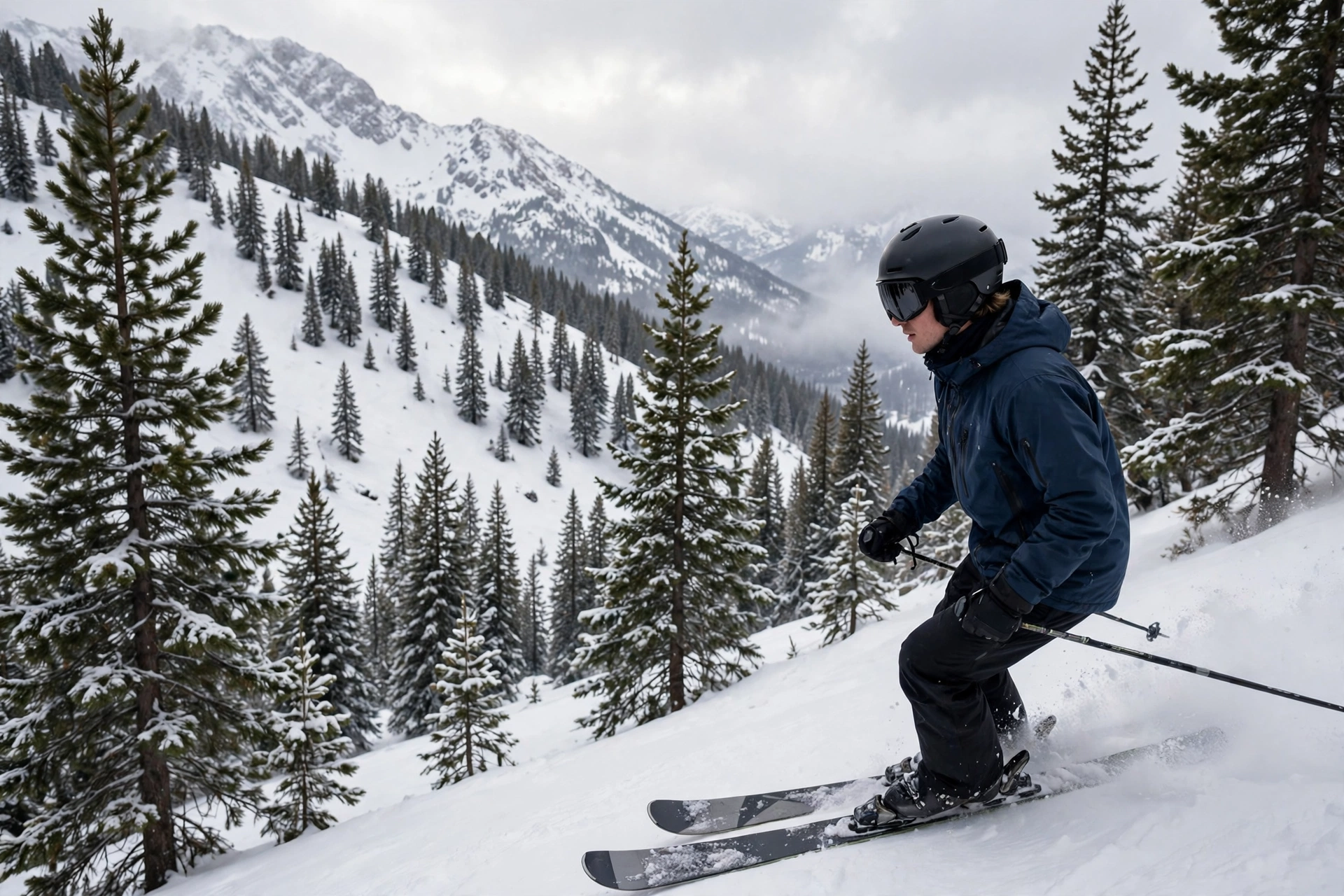
ASTM F2040 is written for makers of helmets for recreational skiing and snowboarding, and for the laboratories that test those helmets. In general terms, it covers the helmets worn by skiers and snowboarders on the slopes, whether they are beginners learning to turn or experienced riders heading off the groomed runs. The standard is a guide for the industry, and it gives shops and buyers a common reference point when they compare one helmet with another.
It is worth knowing that the standard is aimed at non-motorised snow sports, so it does not cover helmets for snowmobiles or other motorised use, which have their own standards. It also does not cover every situation on the mountain: it tests the helmet against the kind of impacts that are most common in skiing and snowboarding, but no helmet standard can cover every possible fall.
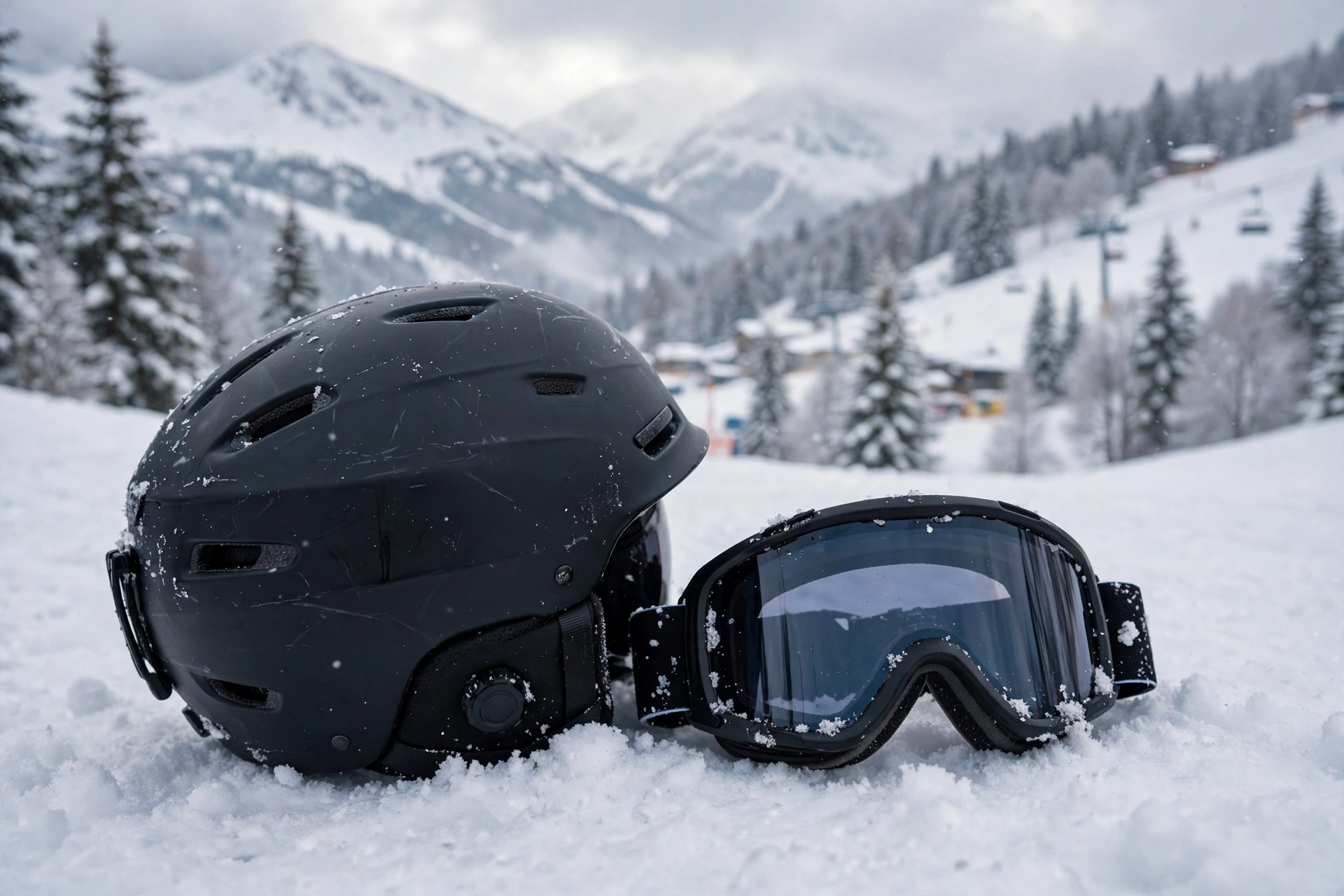
How is ASTM F2040 different from other helmet standards?
ASTM F2040 differs from other helmet standards mainly because it is written for snow sports, and the conditions on snow are different from those on a road or a building site. In general terms, a ski helmet has to work in cold weather, so the materials are tested at low temperatures, where some plastics can become stiff or brittle. A standard written for warm-weather cycling would not need the same cold-weather checks, so a helmet that passes one standard may not be suitable for the other activity.
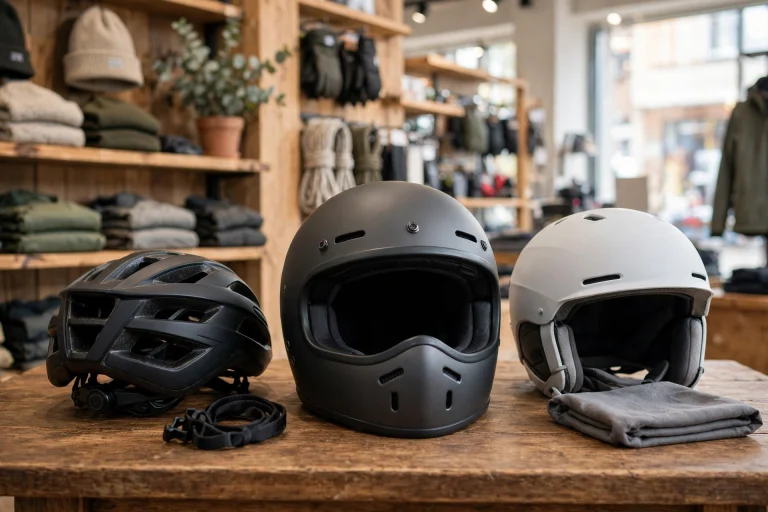
The other main difference is in the kind of impacts tested. Snow sports falls often happen at speed on hard snow or ice, and they can involve sliding as well as a direct hit, so the F2040 tests are shaped around those risks. Other standards, such as those for bicycle helmets, are shaped around the falls that cyclists are most likely to have. That is why it matters to buy a helmet made for your sport: the standard on the label should match the activity you will use it for, and a helmet that meets a different standard is not automatically the right choice for the slopes.
How do you know if a helmet meets ASTM F2040?
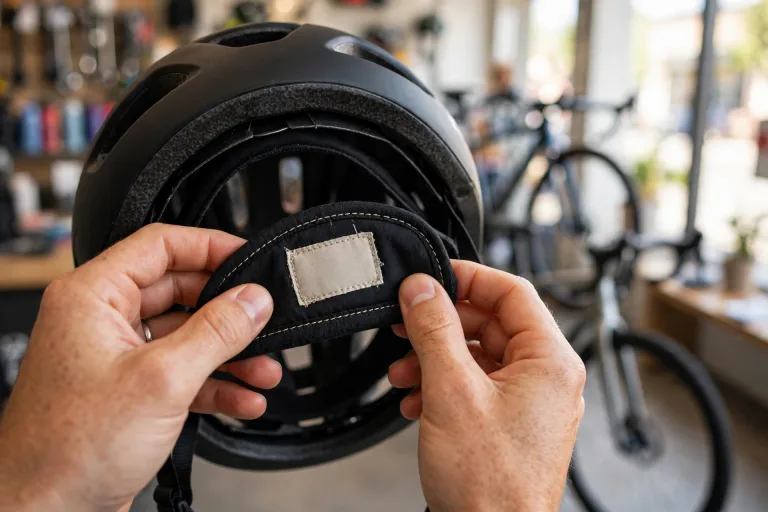
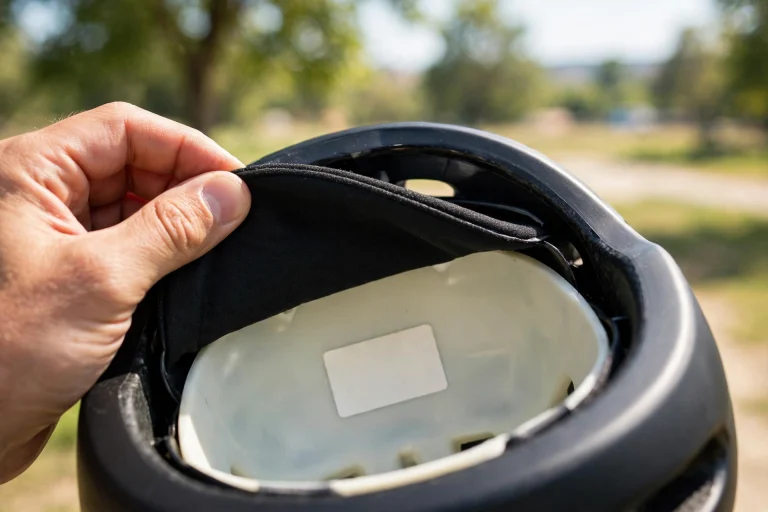
You can tell whether a helmet meets ASTM F2040 by looking for the label inside the helmet or on its packaging. In general terms, the label should name the standard and the organisation behind it, and it is often shown alongside other marks, such as the European standard for snow sports helmets, because many helmets are sold in more than one market and are tested to more than one standard. If you cannot find any label, ask the shop or check the maker’s website for the helmet’s certification.
It also helps to know that a helmet can carry more than one certification at the same time, and that is normal. A helmet tested to both ASTM F2040 and the European equivalent has simply been put through two sets of tests, and either mark on its own is a sign that the helmet has been tested. What matters most is that the standard named on the label matches snow sports, that the helmet fits your head well, and that it is comfortable enough to wear all day, because a helmet that stays at home protects no one.
Does an ASTM F2040 helmet guarantee safety?
No, an ASTM F2040 helmet does not guarantee safety, and no helmet can. In general terms, the standard shows that a helmet has passed a set of laboratory tests, which is a real and useful check, but a laboratory test cannot reproduce every fall on a mountain. A helmet reduces the risk of a head injury in many common falls, but it cannot remove the risk entirely, and it cannot protect against every kind of impact or against injuries to other parts of the body.
Fit matters just as much as the label. A helmet that is too loose can shift in a fall, and a helmet that is too tight can be uncomfortable enough that you are tempted to leave it off. Some helmets also include extra features designed to help with certain kinds of impacts, such as MIPS, a system intended to reduce rotational forces in a fall. Those features can be worth knowing about, but they do not change the basic point: choose a helmet that meets the standard, fits well, and suits the way you ski or ride, and replace it after a hard impact or when the maker advises it.
What does ASTM F2040 stand for?
ASTM F2040 is the number of the standard written by ASTM International for helmets used in non-motorised snow sports, such as skiing and snowboarding. The number is simply the standard’s reference in the ASTM system.
Is ASTM F2040 the same as the European snow helmet standard?
No, they are separate standards written by different organisations, although they cover the same activity. Many helmets are tested to both, and either mark shows the helmet has been tested for snow sports.
Should I replace a helmet that has been in a crash?
In general terms, yes: a helmet that has taken a hard impact may have hidden damage even if it looks fine, so it is best to replace it. If you are unsure, ask the maker or a specialist shop for advice.

Olivia
Writer at Helmet Today, covering helmet reviews, fit and riding safety.