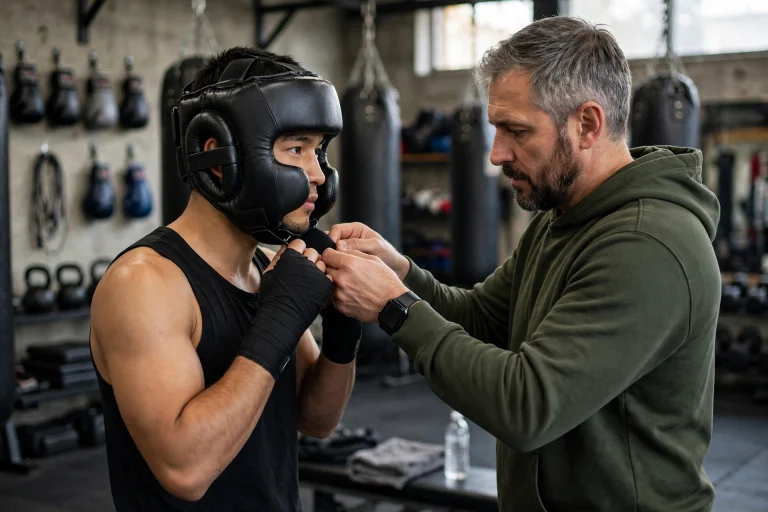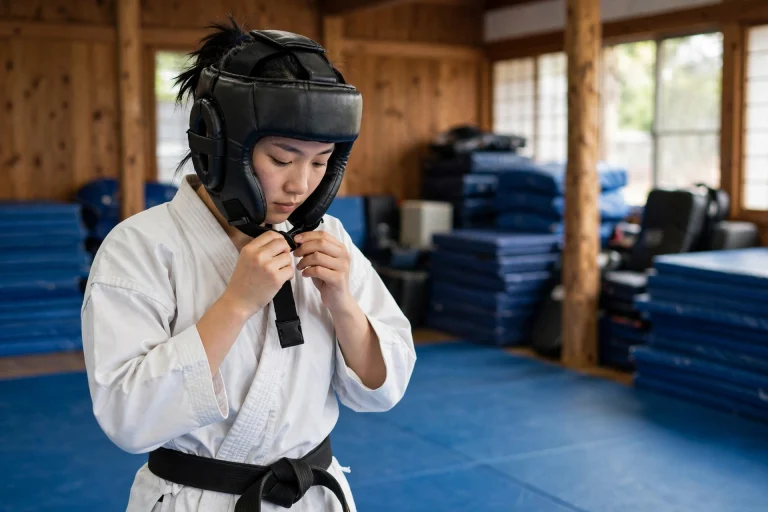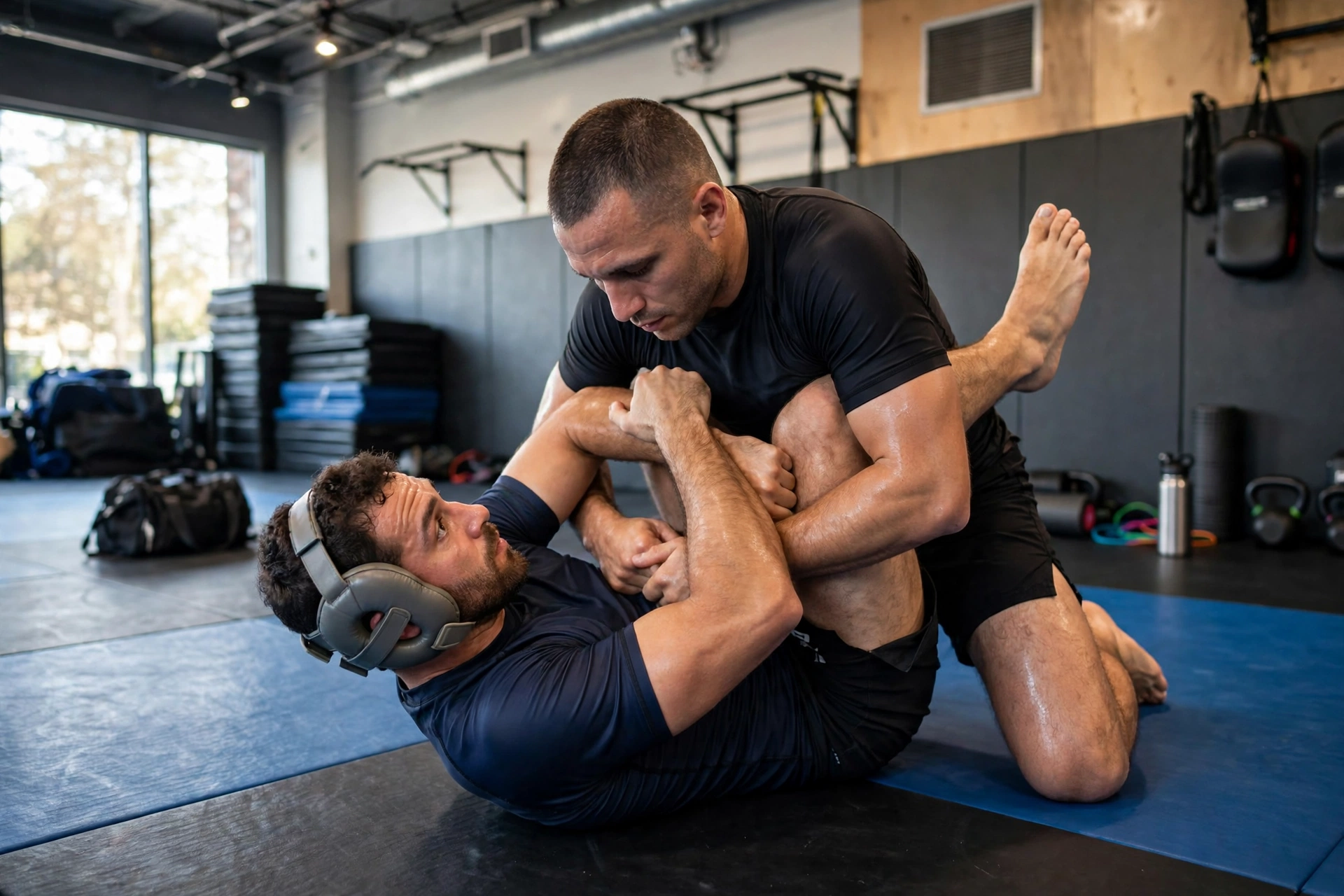
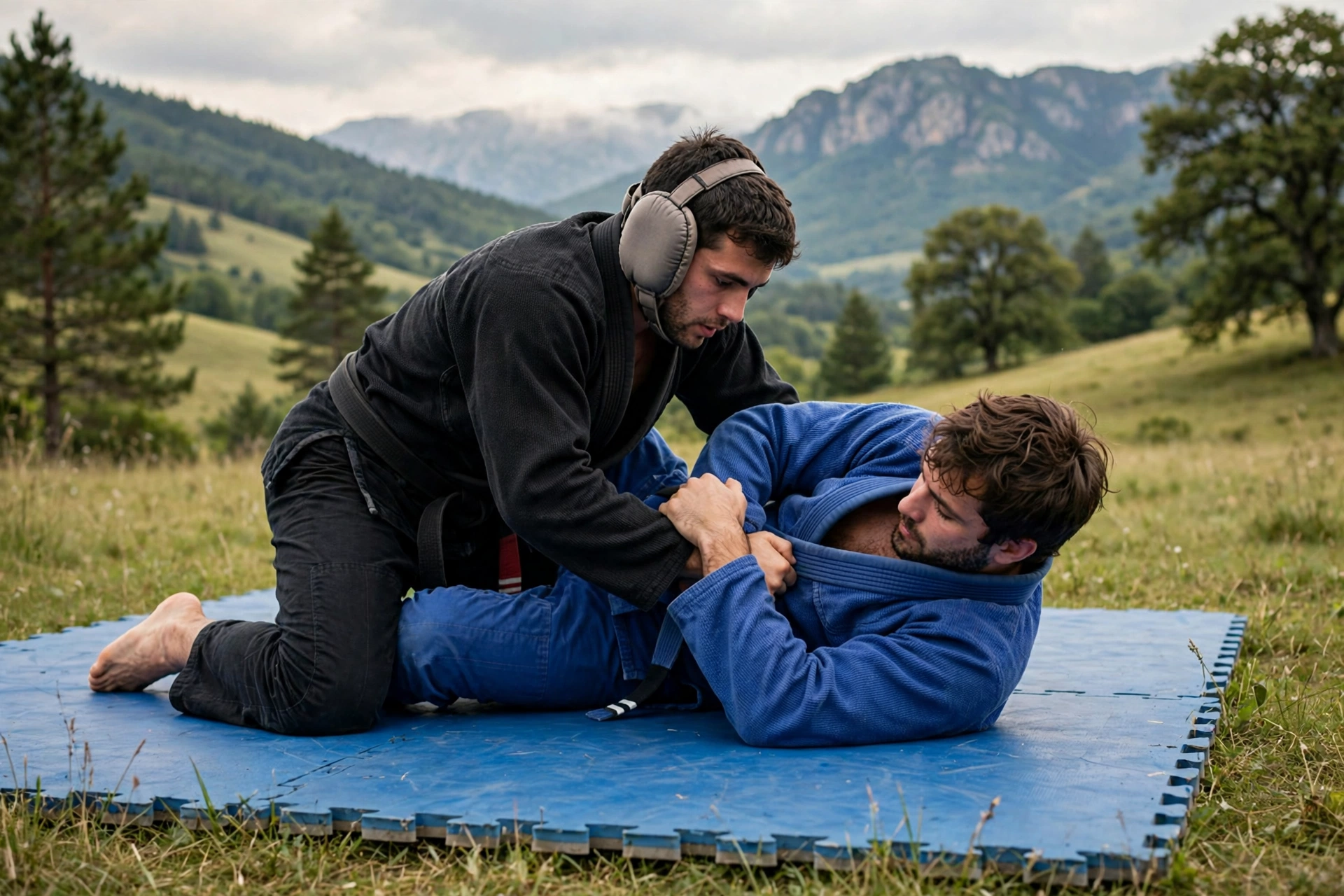
Brazilian jiu-jitsu ear guards are soft, close-fitting guards worn over the ears to protect them from the friction and pressure of grappling on the mat. In general terms, they are the same idea as wrestling ear guards, adapted for BJJ: a pair of padded ear cups held in place by straps, designed to reduce the rubbing that can lead to cauliflower ear, without getting in the way of rolls, guards, and submissions.
Ear guards are not required in BJJ, and many practitioners never wear them. Others wear them every session, especially after an ear injury or after years of training. This guide explains what BJJ ear guards are, who wears them, and how to choose and use them well.
What Are BJJ Ear Guards?
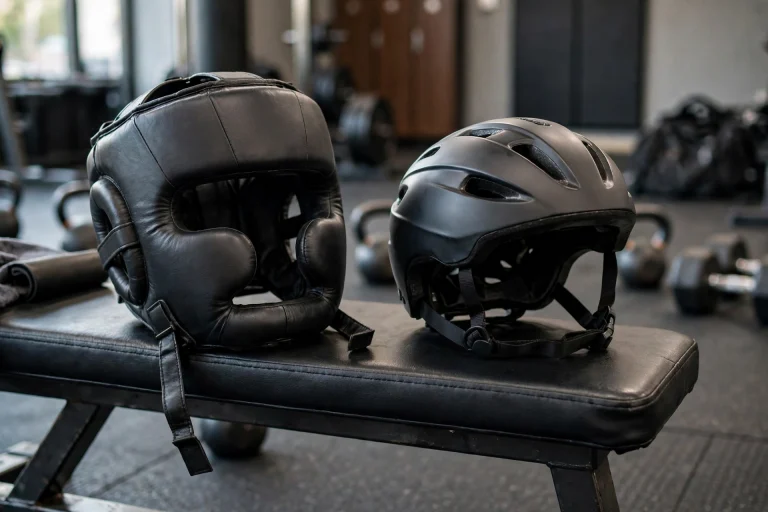
BJJ ear guards are soft headgear made for grappling. Unlike a hard helmet, they have no shell over the top of the head. Instead, they have two padded ear cups, usually made from foam or a soft, flexible material, joined by straps that run over the head and around the back. Some models are made from a stretchy, neoprene-style material that hugs the head, while others use a firmer cup with an adjustable strap system borrowed from wrestling.
The design is deliberately low-profile. BJJ involves close contact, with heads pressed together in clinches, side control, and guard passing, and a bulky guard would be caught, pulled, or used as a grip by an opponent. A good BJJ ear guard sits close to the head, with smooth surfaces and no loose straps or hard edges that could snag. It should feel like a second skin, not like a piece of equipment.
Ear guards are usually worn on their own, with the rest of the head bare. They are most common in no-gi training, where there is more skin-to-skin contact on the ears, but they are also used in gi training.
Why Do Some BJJ Practitioners Wear Ear Guards?
The main reason is cauliflower ear. In BJJ, the ears are rubbed, squeezed, and bent during scrambles, guard passes, and escapes from side control. Over time, that repeated trauma can cause the outer ear to swell and, if it heals without care, to stay misshapen. Practitioners who train several times a week, especially those who favour a pressure-heavy top game, face the most exposure.
Some practitioners start wearing ear guards after their first ear injury. Once an ear has swollen, it can be more vulnerable to further knocks, and a guard helps protect it while it heals. Others wear them as a precaution, because they want to avoid an injury that could keep them off the mat or change the shape of their ear. In general terms, it is a personal choice, and there is no shame in wearing one, just as there is no rule that says you must.
A smaller number wear ear guards for comfort or confidence. Knowing the ears are protected can help a practitioner focus on technique rather than flinching away from pressure on the ear.
Are BJJ Ear Guards Allowed in Competition?
Whether ear guards are allowed in BJJ competition depends on the rules in use. In some events, soft ear guards are allowed, while in others they are not, or they are allowed only if they meet certain conditions, such as having no hard parts. A competitor should always check the rules for their specific event well before the day, and ask the organiser if the wording is unclear.
Even where they are allowed, some competitors choose not to wear them in a match. A guard that is fine in training can feel different under competition pressure, and an opponent may use it as a grip or pull on it during a scramble. Others wear them in every match, because the protection matters more to them than the small risk of interference. There is no single right answer, and the choice is often made after trying the guard in hard training rounds.
For training, the rules are simpler: most clubs allow ear guards, and many coaches encourage them for students with an ear injury. If you are unsure, ask your coach. They can tell you whether ear guards are welcome in that club, and whether a particular model is likely to cause problems for your training partners. If you are learning about helmet technology, reading about what MIPS is for helmets can help you understand one of the features you may see listed on protective headgear.
How Do You Choose BJJ Ear Guards?
Start with fit. The ear cups should cover the whole ear without pressing it flat, and the straps should hold the guard in place without slipping. Try the guard on and move your head in all directions, then practise a few rolls or guard passes if you can. If the guard shifts, twists, or needs constant adjustment, it is the wrong size or model.
Next, check the material. Soft, smooth materials are kinder to both you and your training partner than hard plastic. Look for even padding inside the cups, with no hard edges, and straps that lie flat against the head. A guard that is too bulky will be caught more often, while one that is too thin may not protect the ear enough. In general terms, a low-profile, soft guard suits BJJ better than a hard wrestling-style cup, though some practitioners prefer the firmer wrestling style.
Comfort and hearing matter as well. You should still be able to hear your coach and your partner, even if the sound is slightly muffled. If the guard blocks your hearing badly or gives you a headache after a short wear, try another model. And check that the guard does not interfere with your vision: you need to see your partner’s hips, grips, and movements clearly, even when your head is turned.
How Do You Look After BJJ Ear Guards?
BJJ ear guards get sweaty, so wash and dry them regularly. After each session, rinse or wipe them according to the maker’s instructions, and let them air-dry fully before the next use. Do not leave a damp guard in a kit bag for days, because it can smell and the straps can wear out faster. If the guard is machine-washable, use a gentle cycle and let it dry naturally, away from direct heat.
Inspect the guard before each session. Look for torn seams, frayed straps, flattened padding, or cups that no longer hold their shape. A guard that has lost its padding or whose straps slip is not protecting the ear properly, and should be repaired or replaced. In general terms, a guard used several times a week will wear out faster than one used occasionally, so check it often.
Frequently Asked Questions
Q: Do BJJ ear guards stop cauliflower ear completely?
A: No, they lower the risk by reducing friction and spreading contact, but they do not remove it entirely. Prompt care for any ear swelling is still important.
Q: Are BJJ ear guards the same as wrestling headgear?
A: They are similar in purpose, but BJJ guards are usually softer and lower-profile to suit grappling without a gi grip. Some practitioners use wrestling headgear for BJJ, but a BJJ-specific guard is often more comfortable.
Q: Can I wear ear guards in gi and no-gi training?
A: Yes, in general terms. Ear guards are used in both, though they are more common in no-gi, where there is more direct skin contact on the ears. Check with your coach if you are unsure.

Olivia
Writer at Helmet Today, covering helmet reviews, fit and riding safety.