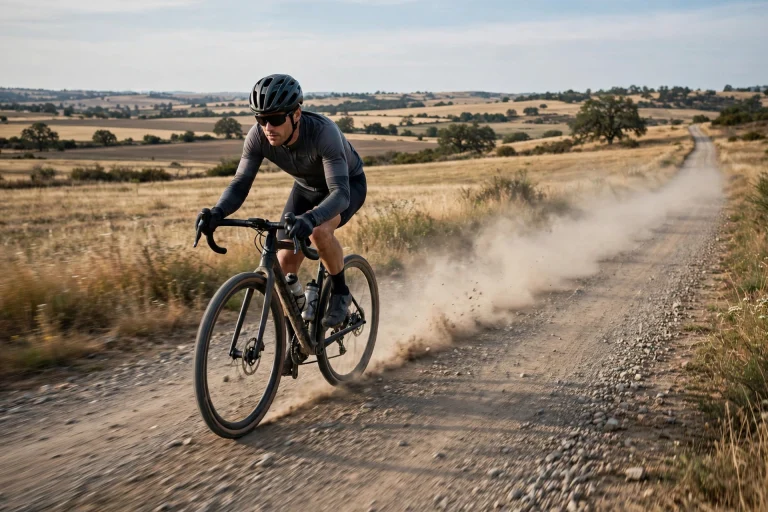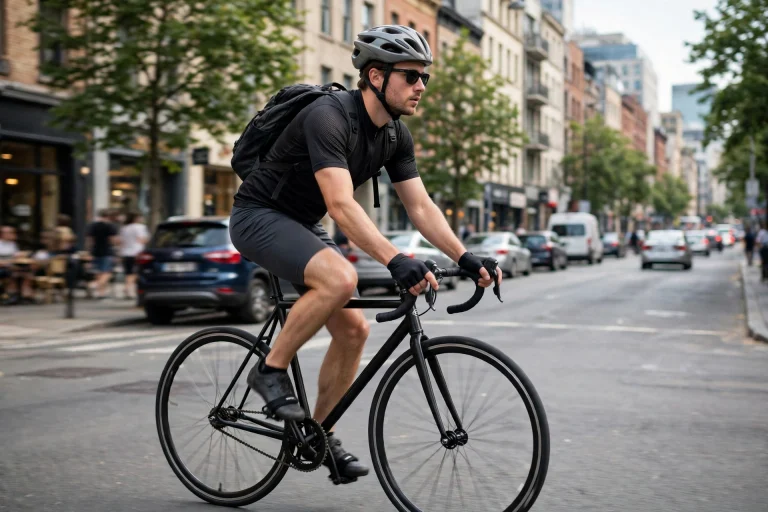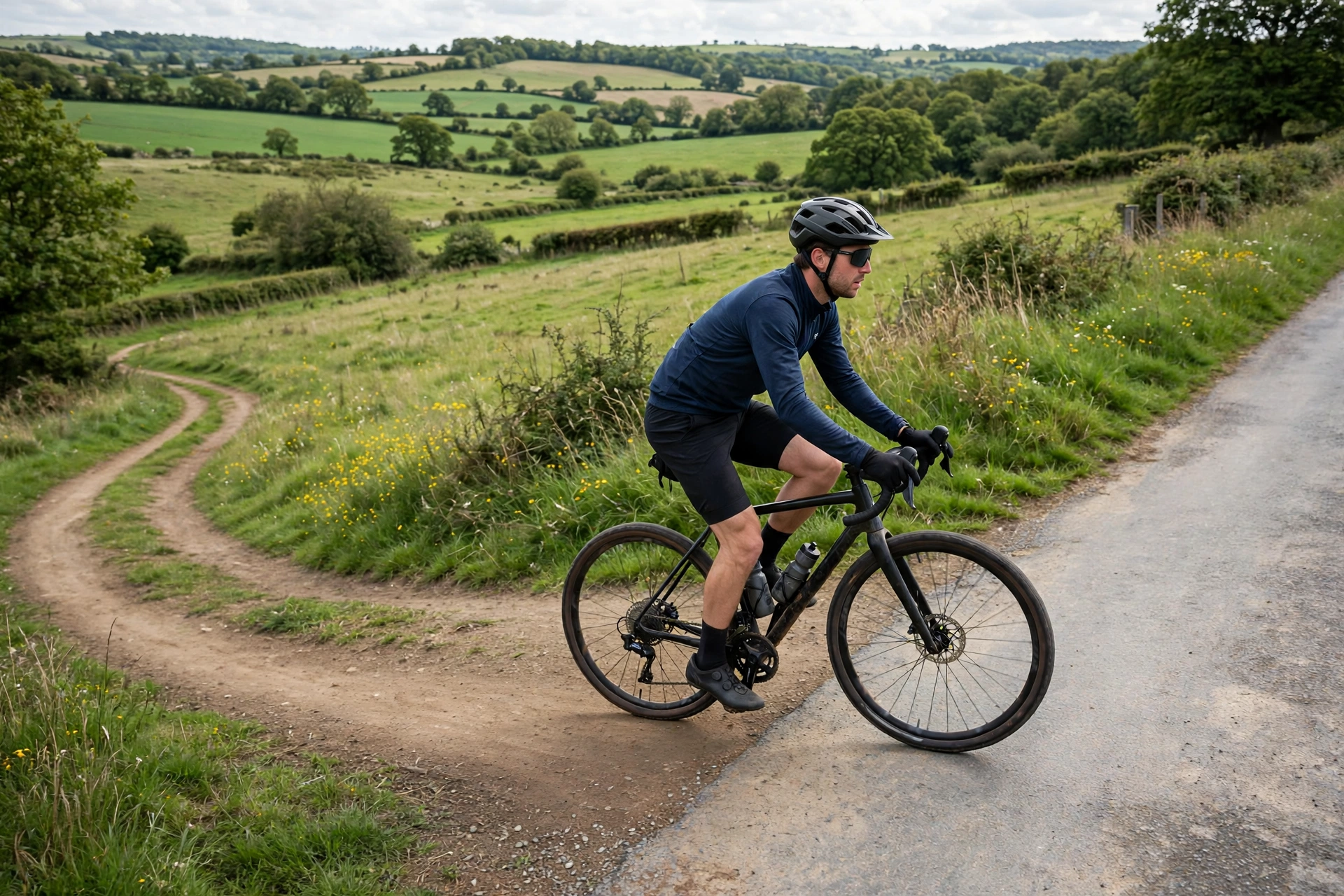
In general terms, the best helmet for mixed road and trail riding is one that balances the ventilation and light weight of a road helmet with the extra coverage of a trail helmet. You do not need two helmets for two surfaces — one well-chosen helmet can handle both, as long as you pick it with both kinds of riding in mind.
Mixed riding is common: a road ride that turns onto a gravel track, a commute that cuts through a park, or a weekend loop that links quiet lanes with woodland trails. Each surface asks something slightly different of a helmet, and the right choice is the one that copes with both without being a compromise you regret on either.
What Makes Mixed Road and Trail Riding Different?
Road riding and trail riding put different demands on a helmet. On the road, you are usually moving faster, working hard, and generating a lot of heat, so ventilation and light weight matter most. The falls that happen on the road tend to be at speed on a hard surface, and a road helmet is shaped for that.
On the trail, speeds are lower but the surface is unpredictable. Loose gravel, roots, ruts, and mud can throw the bike sideways, and a fall can come from an unexpected direction. That makes coverage at the back and sides of the head more valuable, because you are more likely to hit the ground at an angle or on uneven ground.
Mixed riding means you face both sets of demands in a single ride. A helmet that is perfect for one surface and poor for the other will let you down at some point. The aim is to find a helmet that does both jobs well enough that you never have to think about which surface you are on.
Which Helmet Style Suits Both Road and Trail?
For most mixed riders, a cross-country mountain bike helmet is the best starting point. These helmets are designed to be light and well ventilated, like road helmets, but they usually offer more coverage at the back and sides of the head. That extra coverage is useful on the trail and costs very little on the road.
A road helmet can also work for mixed riding, especially if the trails you ride are smooth and not very technical. If your off-road sections are mostly hardpack gravel and gentle paths, a road helmet will keep you cool and comfortable, and its lower weight is a real benefit on long road sections. The trade-off is less coverage if you do fall on a rough section.
Some helmets are marketed specifically for gravel or all-road riding, and these are often a good fit for mixed use. They tend to combine road-helmet ventilation with trail-helmet coverage, and many come with a small removable peak. Whatever style you choose, make sure it meets a recognised bicycle helmet safety standard for your region, and check the label inside the helmet to confirm which standard it meets.
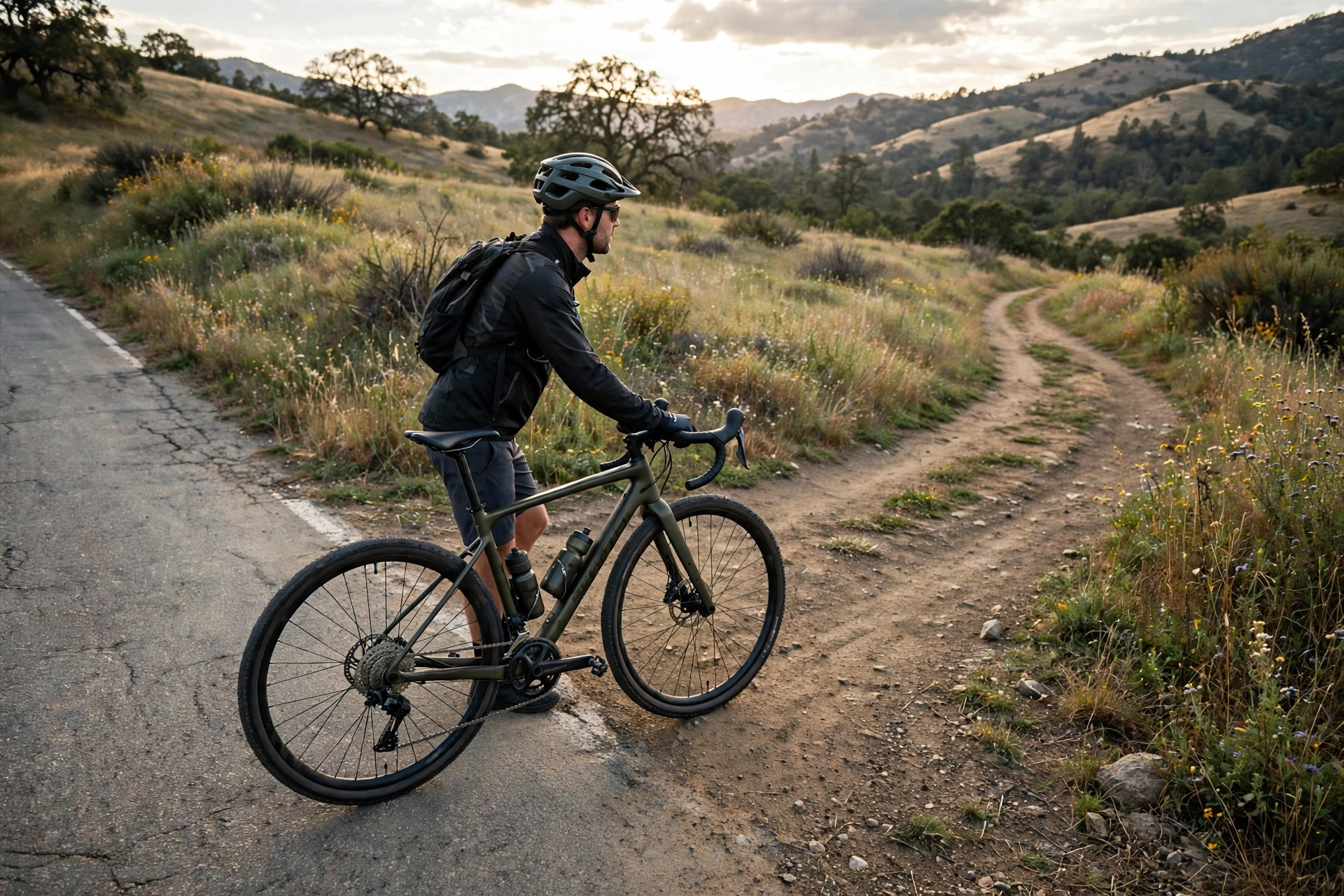
How Do You Balance Ventilation and Coverage?
Ventilation and coverage pull in opposite directions, so the balance is the key decision in a mixed-use helmet. More coverage means more material around your head, which can mean less airflow. But modern helmets are good at managing this trade-off, with vents and internal channels that keep air moving even in a helmet with generous coverage.
Look for a helmet with plenty of vents and channels that run front to back. These move air across your head at road speeds and still help on slower trail climbs, where there is less wind to push air through. In general terms, a helmet that ventilates well at low speed is better for mixed riding than one that only works at high speed.
Padding also affects how cool a helmet feels. Thin, breathable pads let air reach your skin, while thick pads can trap heat. Removable, washable pads are a practical plus for mixed riding, because trail sections leave a helmet dusty and sweaty. Try the helmet on and wear it for a while — a helmet that feels cool and comfortable in the shop is more likely to stay that way on a long ride.
What Should You Check Before Buying a Mixed-Use Helmet?
Fit comes first, as it does with any helmet. The helmet should sit level on your head, low enough to cover your forehead, without tilting back. It should feel snug all around, with no pressure points, and it should not rock from side to side or slide forward when you shake your head. Use the retention system at the back to fine-tune the fit, and fasten the chin strap snugly under your chin.
Next, check how the helmet works with the rest of your kit. Does it fit your glasses or goggles comfortably? If it has a peak, can you see clearly when you are in a low position on the drops, and when you are sitting up on a climb? A peak that blocks your view is worse than no peak at all. If you are learning about helmet features, reading about what MIPS is for helmets can help you understand one of the technologies you may see listed on the box.
Finally, think about the practical details. Is the helmet light enough for long road sections? Does it have reflective details or a mount for a rear light, which help if your ride runs into the evening? Can you wash the pads easily after a muddy trail section? Small details like these decide whether a helmet becomes a favourite or a chore.
Can One Helmet Really Do Both Jobs Well?
Yes, for most riders, one helmet can do both jobs well. The gap between road helmets and trail helmets has narrowed a lot, and a good cross-country or all-road helmet is genuinely versatile. It will not be the lightest helmet on the road, or the most protective helmet on the trail, but it will be good at both — and that is what mixed riding needs.
There are exceptions. If your trail riding is very technical, with steep descents and big features, a dedicated trail helmet with more coverage may be worth having as a second helmet. And if you race on the road, a dedicated aero road helmet may be worth the investment. But for everyday mixed riding, one versatile helmet is the sensible choice.
The real test is simple: wear the helmet on a ride that includes both surfaces, and see whether you notice it. A good mixed-use helmet disappears — you forget it is there on the road, and you feel protected on the trail. If you are constantly adjusting it, or if it feels too hot on the road or too exposed on the trail, it is not the right helmet for your riding.
Frequently Asked Questions
Q: Can I use a road helmet on trails?
A: Yes, in general terms, for smooth trails and gentle off-road sections. For rougher trails with roots, ruts, and loose descents, a helmet with more rear and side coverage is a better choice.
Q: Is a mountain bike helmet too heavy for road riding?
A: Not necessarily. A cross-country mountain bike helmet is usually only slightly heavier than a road helmet, and the extra coverage is worth the small weight penalty for mixed riding.
Q: Should a mixed-use helmet have a visor?
A: A small removable peak can be useful, because it shields your eyes from sun and rain on the trail. If you ride mostly on the road, or the peak blocks your view, you can take it off.

Olivia
Writer at Helmet Today, covering helmet reviews, fit and riding safety.