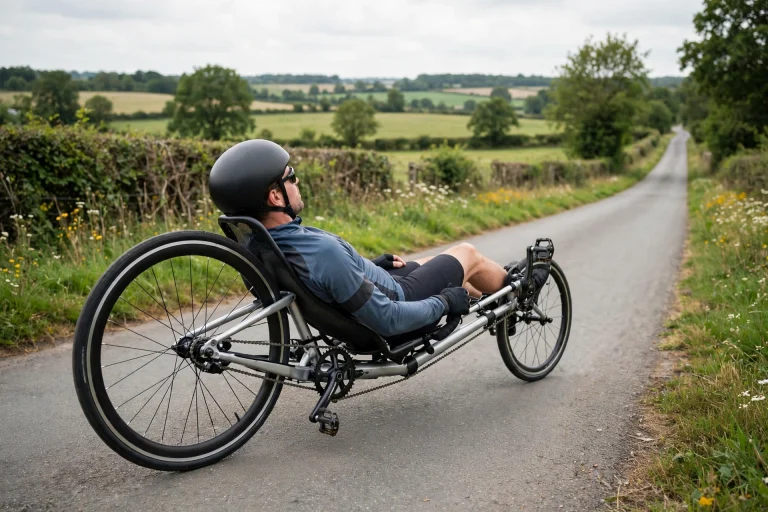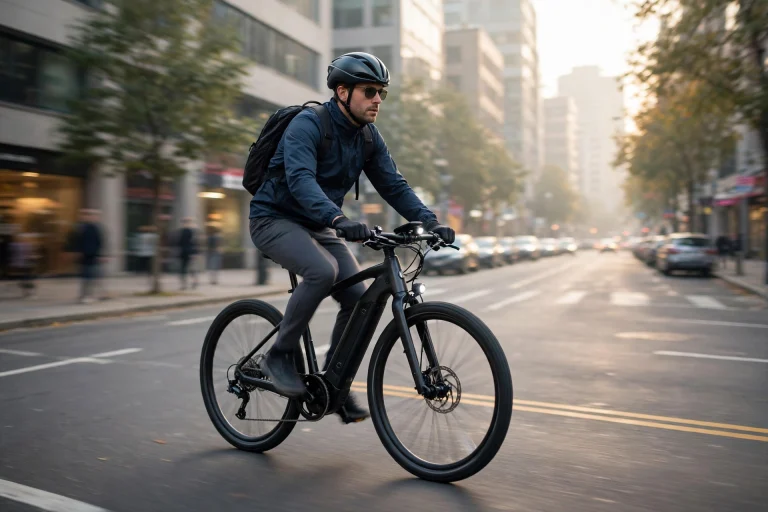
In general terms, a helmet intercom reaches a few hundred metres in open ground, but the real-world range depends on the system, the terrain and what stands between the riders. A basic Bluetooth intercom may hold a clear connection for a short distance, while a mesh system can stretch much further by passing the signal from rider to rider. The range figure on the box is a best-case number measured in ideal conditions — on a real ride, expect less.
Range matters most on group rides. When riders spread out along a road or trail, the intercom is what keeps the group together. If the range is too short, riders at the back drop out of the conversation and miss warnings about hazards and turns. Understanding what affects range, and how the two main technologies differ, helps you choose a system that stays connected on the rides you actually do. This guide explains how far a helmet intercom reaches and what you can do to get the most from it.
How Far Does a Bluetooth Intercom Reach?
A Bluetooth intercom connects riders in a chain, with each unit paired to the next. In open ground with a clear line of sight, a modern Bluetooth unit can hold a connection over a few hundred metres. That is usually enough for two riders travelling together, or a small group riding close on an open road.
The chain is the weakness. If one rider in the middle drops out — because they stop, turn off, or fall out of range — the riders on either side may lose each other too, because the signal has to pass through the missing link. Re-pairing a broken chain takes time and usually means stopping, which is inconvenient in the middle of a ride.
Bluetooth range also falls quickly when the line of sight is blocked. Hills, bends, buildings and thick trees all absorb or reflect the signal. On a winding country road, two riders who cannot see each other may lose the connection even though they are not far apart. For that reason, Bluetooth suits pairs and small groups on open roads better than large groups on twisty routes.
How Far Does a Mesh Intercom Reach?
A mesh intercom works differently. Instead of a chain, every unit joins one shared network, and the signal can hop from rider to rider to reach the far end of the group. This means the total reach of the group can be much greater than the range of any single pair of units, because each rider acts as a relay for the others.
In open ground, a mesh group can stay connected over a distance of a kilometre or more from the first rider to the last, depending on the system and the spacing between riders. As long as each rider is within range of at least one other rider, the whole group stays linked. This makes mesh the better choice for larger groups and for rides where the group spreads out.
Mesh also recovers better when riders drop out. If a rider stops for fuel or falls behind, the rest of the group keeps talking, and the missing rider rejoins automatically when they come back into range. There is no chain to break and no re-pairing to do, which is a real advantage on a long ride with many stops.

What Affects Intercom Range in the Real World?
Terrain is the biggest factor. A clear line of sight gives the best range, while hills, bends and thick woodland cut it down sharply. A signal that travels easily across an open field may struggle through a forested valley. Riding in a built-up area has the same effect, with buildings and other vehicles absorbing and reflecting the signal.
Weather plays a smaller part. Heavy rain and wet foliage can weaken a signal slightly, but the effect is usually minor compared with terrain. What matters more is the position of the units themselves. An intercom mounted low on the helmet, shielded by the rider’s body or the bike’s fairing, may have a shorter range than one mounted higher with a clear path to the other riders.
Interference from other devices can also shorten the range. A busy area with many Bluetooth devices, Wi-Fi networks and phone signals creates a noisy radio environment that can make connections less stable. Battery level matters too — a unit running low on charge may transmit at reduced power, so keeping units charged helps to keep the range at its best.
How Can You Get the Most Range from Your Intercom?
The simplest step is to keep the group close together. Even a system with a long range works best when riders stay within sight of each other. On a group ride, the leader should set a pace that keeps the group compact, and riders should avoid letting large gaps open up, especially before bends and hills where the signal is weakest.
Positioning helps too. Mount the unit where it has the clearest path to other riders — usually high on the side of the helmet, not buried under a jacket collar or behind a bulky fairing. Keep the firmware updated, because makers often improve connection stability and range in software updates. And keep the battery charged, since a low battery can reduce transmit power.
If your group regularly rides routes where riders drop out, consider switching to a mesh system. The ability to relay through other riders and to rejoin automatically solves most range problems on group rides. For pairs who always ride close together, a good Bluetooth unit is usually enough, and it costs less.
Does a Longer Range Always Mean a Better Intercom?
Not necessarily. A very long range is useful on open roads and large group rides, but it is not the only thing that matters. Sound quality, battery life, ease of use with gloves, and how well the unit handles wind noise all affect the riding experience just as much. A unit with a huge range but poor audio will still be frustrating to use.
For most riders, the right question is not “how far can it reach?” but “will it stay connected on my usual rides?” If you ride with one partner on open roads, a modest range is fine. If you ride in a large group on twisty trails, range and automatic reconnection matter much more. Match the system to your riding, not to the biggest number on the box.
It also helps to understand the helmet the intercom mounts to. If you are learning about the safety technology inside the helmet itself, reading about what MIPS is for helmets can help you understand how modern helmets handle rotational forces in a crash.
Frequently Asked Questions
Q: Why does my intercom cut out on bends?
A: The signal needs a clear path between units, and a hill or a bend can block it. Mesh systems cope better because the signal can hop through other riders, but even mesh has limits in hilly or wooded terrain.
Q: Can I extend my intercom’s range?
A: In general terms, you can improve it by keeping the group closer together, mounting the unit high on the helmet, keeping the firmware updated and the battery charged. You cannot exceed the range the hardware was designed for.
Q: Is mesh always better than Bluetooth for range?
A: For groups of three or more, mesh usually gives a longer effective range and better recovery when riders drop out. For a pair riding close together, the difference is small and Bluetooth is often enough.

Olivia
Writer at Helmet Today, covering helmet reviews, fit and riding safety.