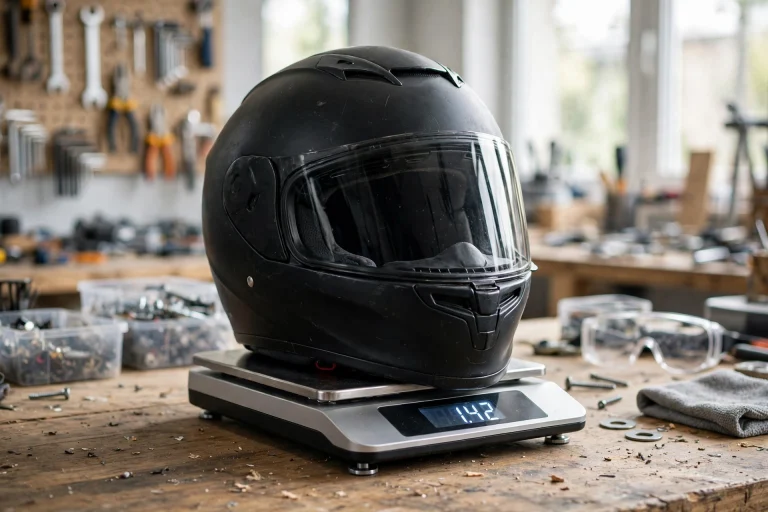
In general terms, helmet weight matters for road cycling, but less than many riders think — a lighter helmet feels more comfortable on long climbs and long rides, yet fit, ventilation, and how the weight is balanced matter more than a small difference in grams. A helmet that is light but fits badly will feel heavier and more tiring than a slightly heavier one that sits well and stays put.
Road cyclists spend hours in the saddle, often climbing hills where every bit of extra weight is felt. It is natural to look for a light helmet, and the lightest road helmets are impressively light. But road cycling is also about comfort over distance, cooling in the heat, and a helmet that you forget you are wearing. This guide explains what helmet weight really means on the road, and when it matters most.
How Much Does Helmet Weight Matter on a Climb?
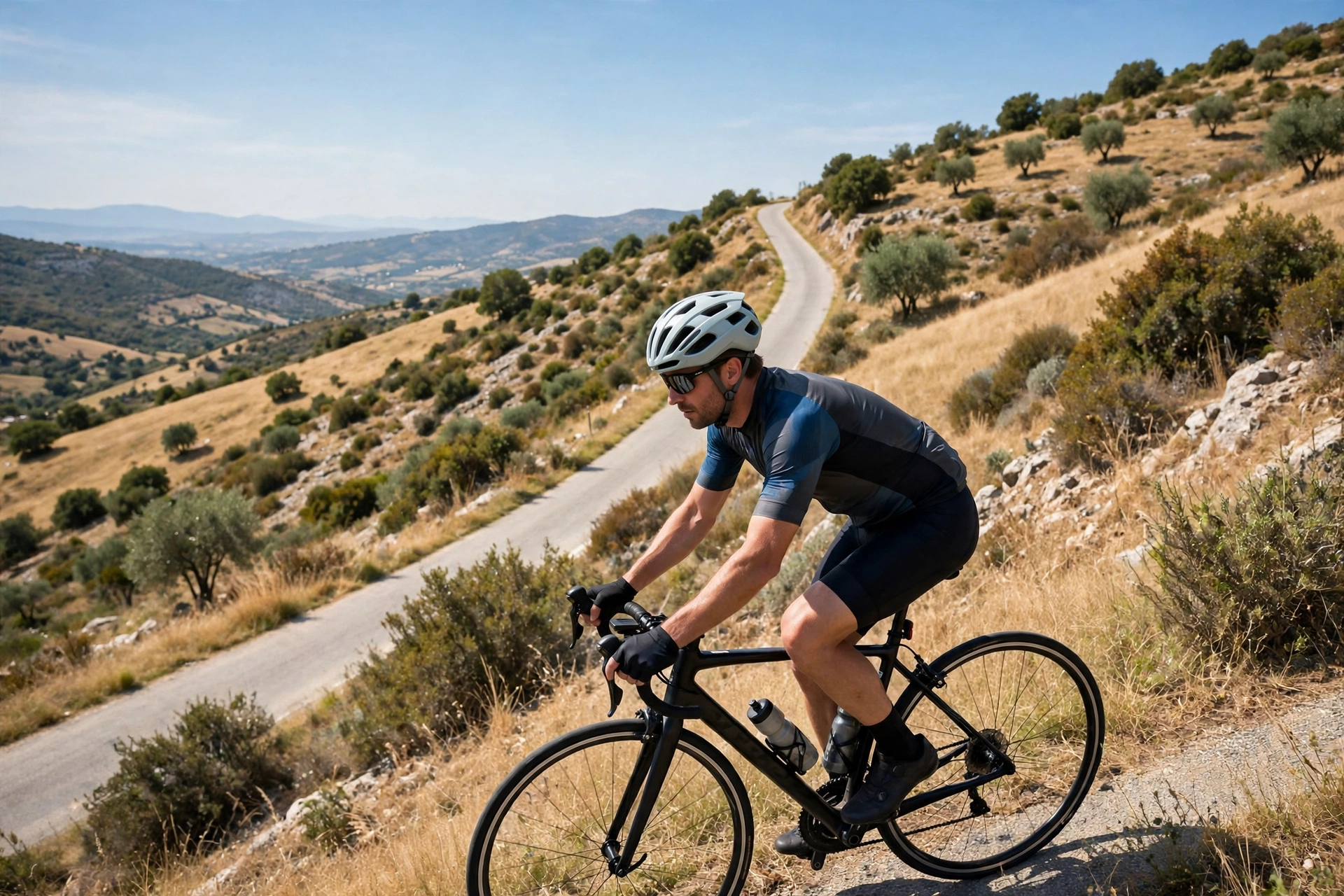
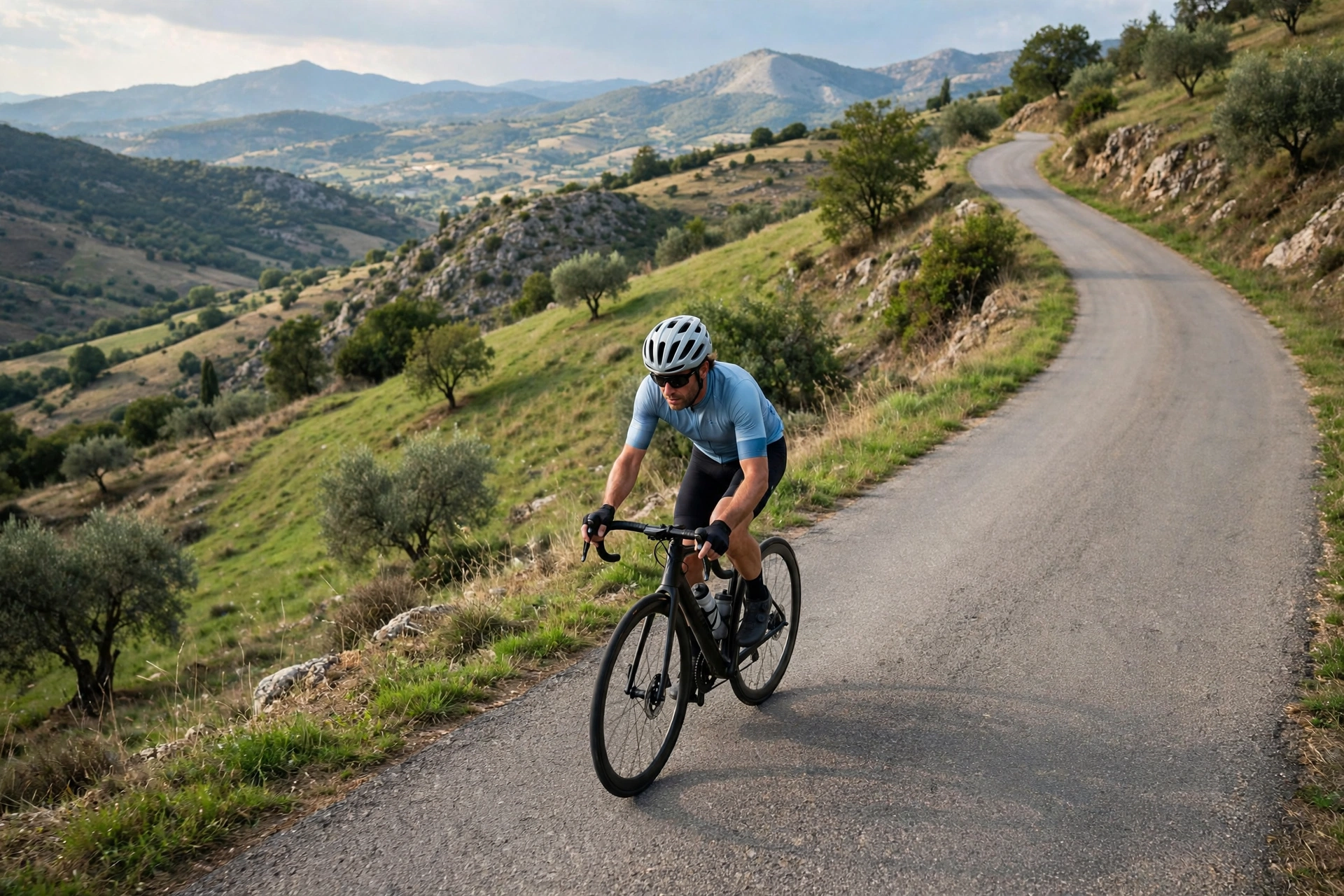
On a climb, you are working against gravity, and any weight you carry makes the climb harder. A helmet is a small part of your total weight — you, the bike, and your kit together weigh far more — so the weight of the helmet alone makes only a small difference to your speed. In general terms, the difference between a light helmet and a slightly heavier one is tiny compared with the difference your fitness and your position make.
What you feel on a climb is not just the weight, but how it is carried. A helmet that sits well, with its weight balanced evenly on your head, feels lighter than one that pulls forward or to one side, even if the two helmets weigh the same. A helmet that rocks or slides as you climb is tiring, because your neck muscles have to work to keep it steady.
That said, on a long, hot climb, a light helmet does feel better. You are already working hard, sweating, and breathing heavily, and a helmet that feels heavy adds to the sense of effort. If you ride in the mountains or do long hilly rides regularly, choosing a light, well-vented helmet is a sensible way to make those rides more comfortable.
What Makes a Road Helmet Feel Light?
Balance matters more than the number on the scales. A helmet that sits low and snug, with padding that spreads the weight evenly, feels lighter than one that perches high on the head or presses on one spot. When you try a helmet on, it should feel as if it is part of your head, not as if it is sitting on top of it.
Ventilation also changes how light a helmet feels. A helmet with good airflow keeps your head cool, and a cool head feels less tired than a hot one. On a warm day, a well-vented helmet can feel much lighter in practice than a heavier, hotter one, even if the difference in weight is small. Look for vents that channel air from the front to the back of the helmet.
The straps and the fit system play a part too. Straps that sit flat and a fit dial that lets you tighten the helmet evenly will keep it stable without pressing too hard. A helmet that needs constant adjusting, or that slips when you look down, will feel heavier than it is, because you are always aware of it.
When Does Helmet Weight Matter Less Than Fit and Ventilation?
On flat rides and short rides, helmet weight matters very little. You are not climbing against gravity, and the ride is over before neck tiredness sets in. For those rides, a helmet that fits well and keeps you cool is a better choice than the lightest helmet you can find, especially if the light helmet is hot or uncomfortable.
In hot weather, ventilation matters more than weight. A helmet with poor airflow can make your head overheat, which slows you down far more than a few extra grams ever would. Choose a helmet with good vents for summer riding, and save the very light, less vented helmets for cooler days or shorter rides.
For riders with neck problems, or for anyone who rides for many hours at a time, fit and balance matter more than the weight alone. A helmet that distributes its weight evenly and stays put will cause less strain than a lighter helmet that pulls forward. Try the helmet on for a few minutes, move your head around, and see how it feels before you decide.
Should You Pay More for a Lighter Road Helmet?
In general terms, lighter road helmets often cost more, because they use lighter materials and more careful design to keep the weight down while still meeting safety standards. Whether that extra cost is worth it depends on how you ride. If you ride long, hilly routes regularly, a light helmet can make those rides more comfortable, and the cost may feel justified.
If you mostly ride flat, short routes, or you ride for fun rather than for speed, a mid-weight helmet that fits well and vents well will serve you just as well. Spend the money on fit and comfort first: a helmet that fits perfectly is worth more than a lighter one that does not.
When you compare helmets, hold them in your hands and try them on, rather than just comparing numbers. A helmet that feels light, cool, and stable on your head is the right one, whatever it weighs. And make sure it meets the safety standard for your country before you buy.
How Do You Choose the Right Weight for Your Riding?
Start by thinking about your longest, hardest rides. If those are long climbs in the heat, a light, well-vented helmet will help. If they are flat rides in cool weather, weight matters less, and you can choose based on fit and comfort alone. Match the helmet to the riding you actually do, not the riding you imagine.
Next, try on several helmets in your size. Choose the one that feels lightest and most comfortable, sits level, and stays put when you shake your head. Check that the vents let air through, that the straps sit flat, and that the helmet works with your sunglasses if you wear them.
If you are learning about how helmets handle different kinds of impact, reading about what MIPS is for helmets can help you understand one of the technologies used in modern helmet design. Weigh that alongside weight, fit, and ventilation, and remember that the best helmet is the one you are happy to wear on every ride.
Frequently Asked Questions
Q: Will a lighter helmet make me faster on climbs?
A: In general terms, only by a tiny amount. Helmet weight is a small share of your total weight, so fitness and position matter far more — though a light helmet does feel more comfortable.
Q: Is a very light road helmet less safe?
A: In general terms, no. A light helmet that meets the right safety standard and fits well can protect you just as well as a heavier one. Fit and the standard matter more than weight.
Q: What matters more than helmet weight for road cycling?
A: Fit, ventilation, and balance matter more for most riders. A helmet that fits well, stays put, and keeps you cool will feel lighter and be more comfortable on long rides.

Olivia
Writer at Helmet Today, covering helmet reviews, fit and riding safety.