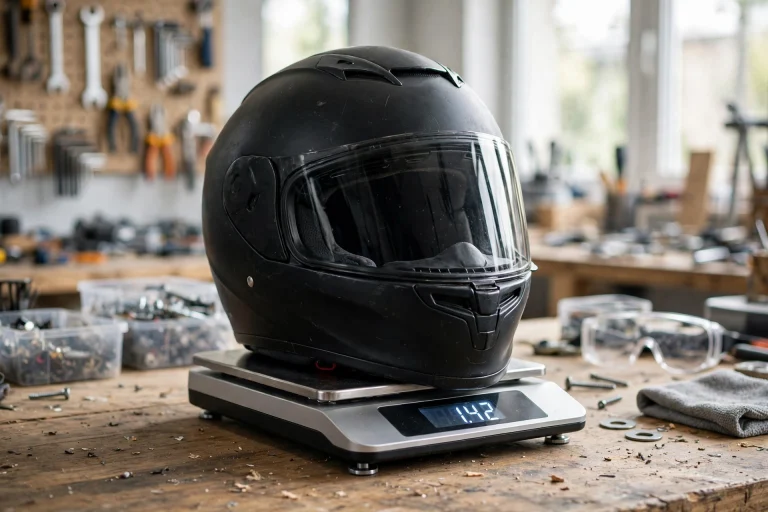
In general terms, helmet weight matters for women riders in the same way it matters for any rider — a lighter helmet can ease neck tiredness on long rides — but fit, hair, and head shape often change what feels heavy, so the best helmet is the lightest one that fits your head shape comfortably and stays put. Many women find that a helmet designed with a smaller shell and a ponytail-friendly fit feels lighter, even when it weighs the same as a standard helmet.
Women riders are not all the same, of course: head sizes, hair, and riding styles vary widely. But many women have smaller heads, longer hair, or a different head shape than the average helmet is designed for, and those differences can make a helmet feel heavier than it should. This guide explains how weight, fit, and hair work together for women riders, and how to choose a helmet that feels light.
Why Can the Same Helmet Feel Heavier on One Rider Than Another?
How heavy a helmet feels depends on more than its weight. It depends on how the weight is spread across the head, how snugly the helmet fits, and whether it presses on one spot. A helmet that fits well spreads its weight evenly, so it feels light. A helmet that is too large, too small, or the wrong shape will press on the forehead or temples, or rock from side to side, and that makes it feel heavier.
Head shape matters a great deal. Some helmets are rounder, some are longer front to back, and a helmet that matches your head shape will sit comfortably and feel light. A helmet that does not match your shape will create pressure points, and those pressure points can feel like heaviness, even if the helmet is light on the scales.
Hair also plays a part. Long hair, a bun, or a ponytail changes how the helmet sits, and if the helmet presses on a bun or pulls on the hair, it can feel uncomfortable and heavy. A helmet with a ponytail opening, or one that leaves room for hair at the back, can make a big difference to comfort.
How Does Hair Affect Helmet Weight and Fit?
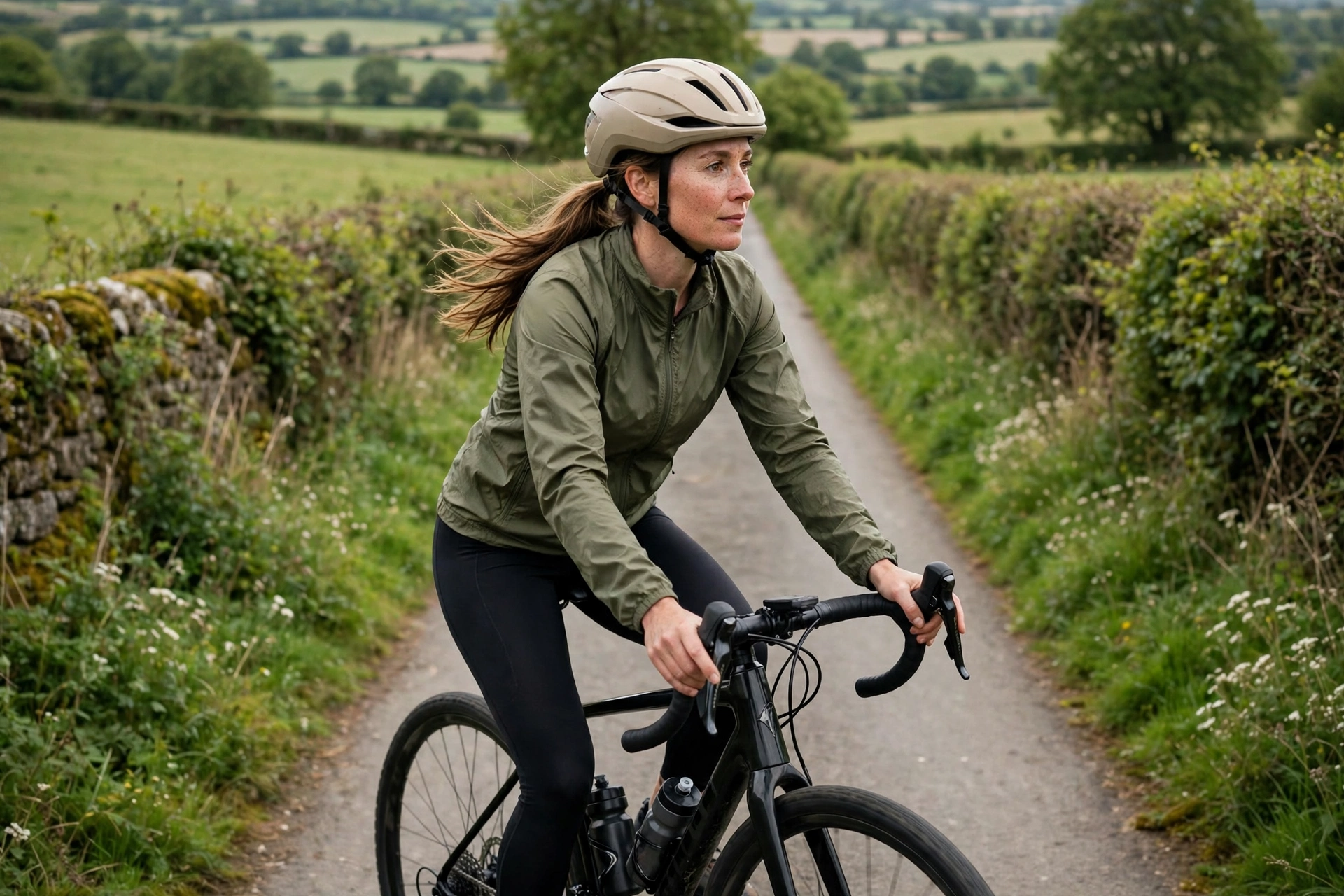
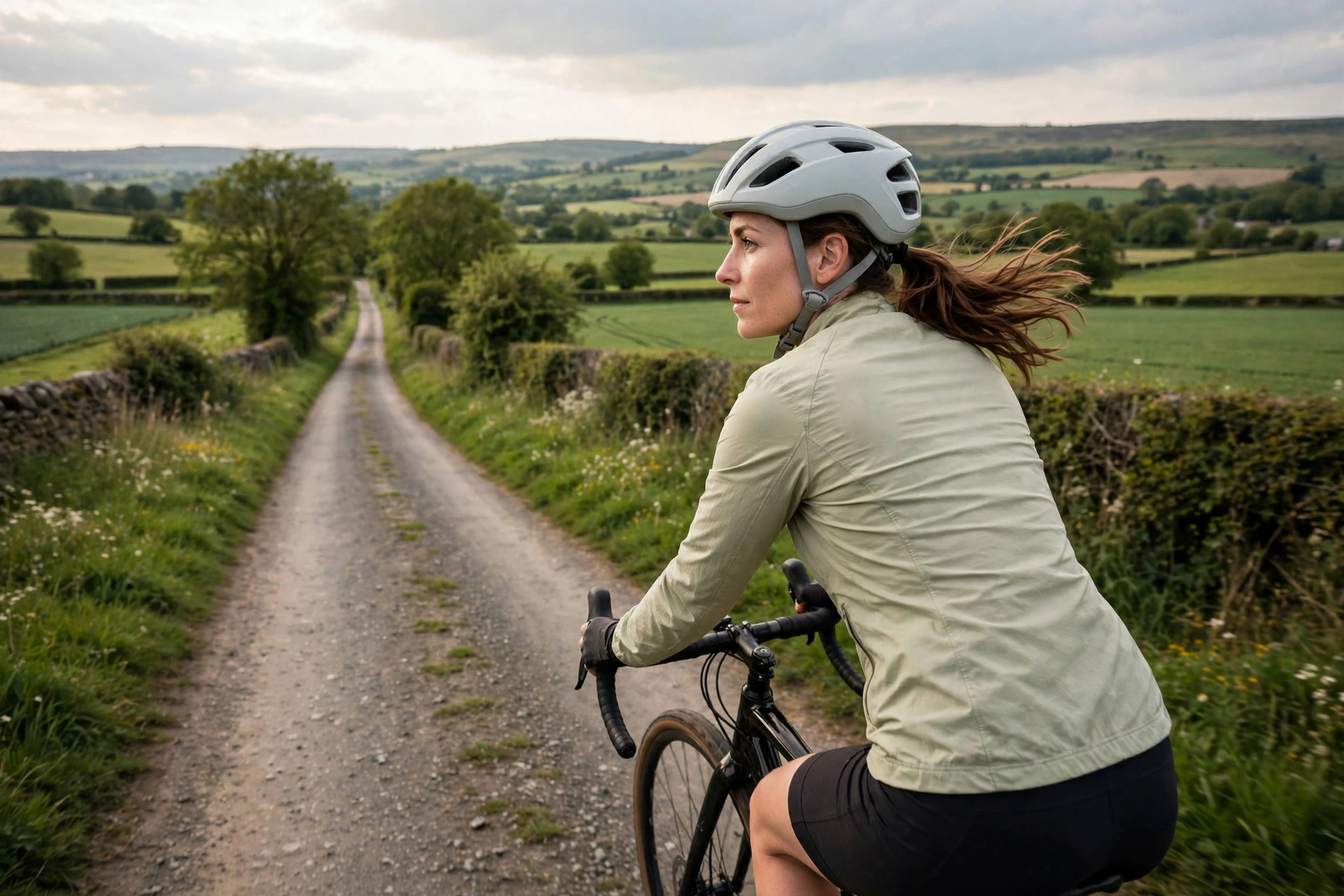
If you wear your hair in a ponytail, a helmet with a gap or opening at the back lets the ponytail sit naturally, rather than being squashed under the helmet. That helps the helmet sit level and stable, which makes it feel lighter. Without that opening, the ponytail can push the helmet forward, so it sits too high on the forehead and feels unbalanced.
A bun can cause a similar problem. A low bun may fit under some helmets, but a high bun will push the helmet up and forward. Try the helmet on with your hair in the style you normally ride with, not with your hair loose, so you can see how it really fits. If you change your hairstyle often, look for a helmet with an adjustable fit system that can cope with different hair volumes.
Thick hair can also make a helmet feel tighter and warmer, which can feel like heaviness. A helmet with good ventilation and soft, even padding will help, and a fit dial that lets you loosen the helmet slightly on a hot day can make it more comfortable. The goal is a helmet that fits your hair as well as your head.
Do Women’s Specific Helmets Weigh Less?
Some helmets made for women use a smaller shell and less material, which can make them lighter than a standard helmet in the same style. But not all women’s helmets are lighter, and some are simply a standard helmet in different colours. In general terms, the label matters less than the fit: a women’s helmet that fits your head shape well will feel lighter than a standard helmet that does not.
When you try helmets on, do not limit yourself to helmets labelled for women. Try a range of helmets in your size, including standard and women’s models, and choose the one that fits best and feels lightest. The right helmet is the one that sits level, feels snug without pressing, and stays put when you shake your head.
Also consider the riding you do. A light road helmet may suit a commuter or a road cyclist, while a slightly heavier helmet with more coverage may suit a mountain biker. Match the helmet to your riding, not just to the label, and make sure it meets the safety standard for your sport.
How Can You Make a Helmet Feel Lighter on Long Rides?
Fit is the first step. A helmet that is adjusted correctly, with the straps snug and the fit dial set so the helmet sits level, will feel lighter than one that is loose or tilted. Check the fit before every ride, and adjust the straps if they have slipped. A helmet that stays put needs less effort from your neck muscles to hold it steady.
Ventilation helps too. A helmet with good airflow keeps your head cool, and a cool head feels less tired than a hot one. On a warm day, a well-vented helmet can feel much lighter in practice than a hotter one, even if the two helmets weigh the same. Look for vents that let air flow from the front to the back.
Finally, build up your riding gradually. If you are new to riding, or returning after a break, your neck muscles will tire sooner, and any helmet will feel heavier at first. Short, regular rides will strengthen those muscles, and the helmet will soon feel lighter. If neck tiredness persists, try a lighter helmet or check that your riding position is not putting extra strain on your neck.
What Should Women Riders Look for When Choosing a Helmet?
Start with fit and head shape. Try on several helmets in your size, with your hair in your normal riding style, and choose the one that sits level, feels snug, and stays put. Check that there is room for a ponytail if you wear one, and that the helmet does not press on your forehead or temples.
Next, check the weight by holding the helmet and then wearing it for a few minutes. Walk around, move your head from side to side, and look up and down. The helmet that feels lightest and most comfortable is usually the right one, provided it fits well and meets the right safety standard.
If you are learning about how helmets handle different kinds of impact, reading about what MIPS is for helmets can help you understand one of the technologies used in modern helmet design. Weigh that alongside weight and fit, and remember that a helmet you are happy to wear on every ride is the one that will protect you when it matters.
Frequently Asked Questions
Q: Do women need a women’s specific helmet?
A: In general terms, no. A women’s helmet can fit well, but the best helmet is the one that matches your head shape and size, whether it is labelled for women or not — try several and compare.
Q: Will a lighter helmet help if my neck gets tired on long rides?
A: In general terms, yes, it can help. A lighter helmet puts less load on your neck muscles, though a good fit and a comfortable riding position matter just as much.
Q: How do I fit a helmet with a ponytail?
A: Try the helmet on with your ponytail in place, and look for a helmet with a rear opening or room for the ponytail. The helmet should sit level and stay put without pushing forward.

Olivia
Writer at Helmet Today, covering helmet reviews, fit and riding safety.