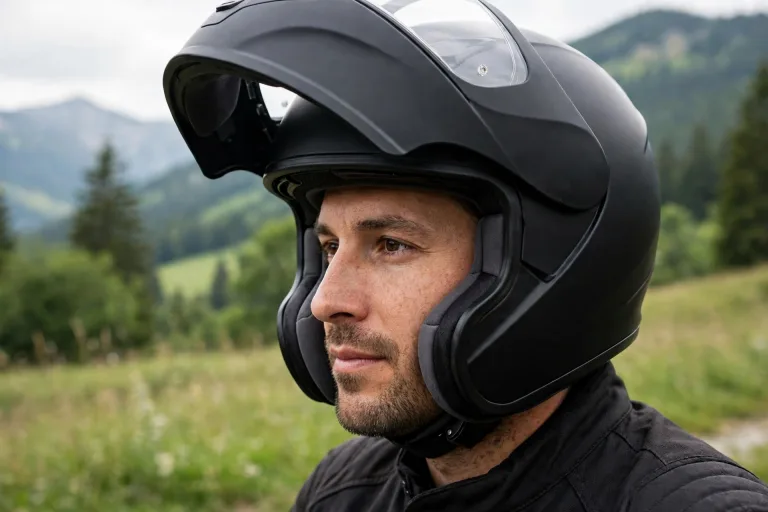
A helmet hurts your ears in most cases because it presses on them, and the pressure is usually caused by a fit that is too tight, padding that sits in the wrong place, or a helmet shape that does not match your head. Your ears sit close to the sides of the shell, so even a small amount of extra pressure can become painful after a short ride. The good news is that ear pain is often a sign that something about the fit needs adjusting, rather than a problem with your ears themselves.
Ear pain from a helmet can range from a mild ache after an hour on the road to a sharp pain that starts within minutes of putting the helmet on. If the pain goes away soon after you take the helmet off, the cause is most likely pressure from the helmet, and the sections below explain how to find the cause and what to do about it.
What causes a helmet to hurt your ears?
A helmet hurts your ears when part of the helmet presses on the ear or folds it over. The most common cause is cheek pads that are too thick for your face, which push the ears flat against the head and hold them there for the whole ride. In general terms, any pressure that stays in one place for a long time can turn into pain.
The shape of the helmet can also play a part. Helmets are made in different shapes, and some are narrower around the sides than others, so a helmet that fits well around the forehead can still press hard on the ears. The ear pockets, which are the spaces inside the helmet where the ears sit, may be too shallow for your ears, or the speaker pockets in a helmet made for a communication system may press on the ear.
Is the helmet too small if it hurts your ears?
A helmet that hurts your ears is often too small, but not always, because ear pain can also come from a helmet that is the right size but the wrong shape. A helmet that is too small will usually feel tight all over, not just around the ears, and it may leave marks on the forehead, press on the temples, and feel hard to put on and take off. If the helmet feels tight in several places at once, the size is the most likely problem, and a larger size is worth trying.
If the helmet feels comfortable everywhere except around the ears, the size may be right and the shape or the padding may be the problem. Some helmets have cheek pads that can be swapped for thinner ones, which can take the pressure off the ears without changing the size of the shell. A helmet fitter or a shop that sells helmets can often help you work out whether the problem is size or shape, and they may be able to suggest a different model that suits your head better.
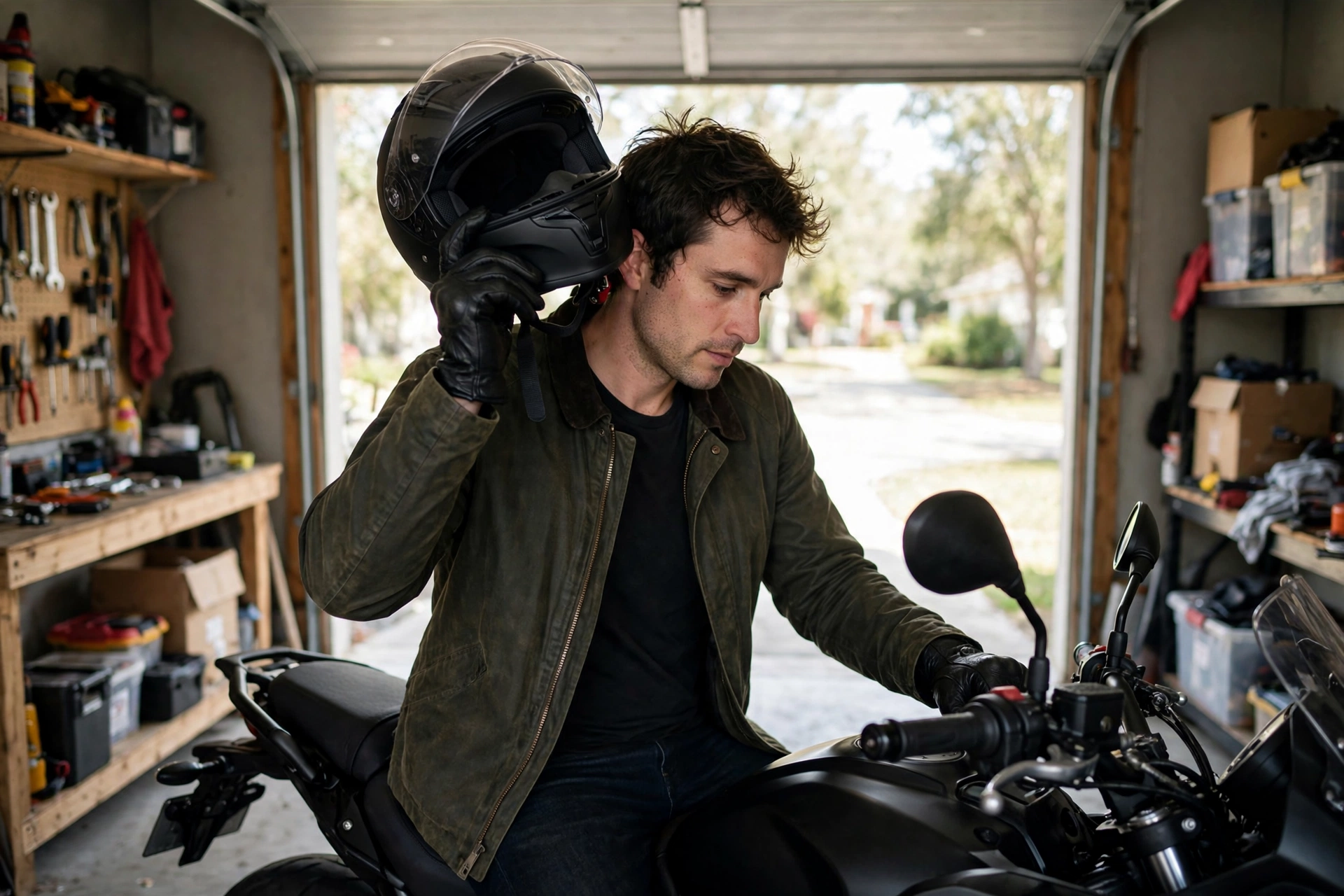
Can the shape of the helmet cause ear pain?
Yes, the shape of the helmet can cause ear pain, even when the size seems right. Heads come in different shapes, and helmets are made in different shapes too, so a helmet that suits one rider can press on the ears of another. A helmet with a narrow shape can squeeze the sides of the head, while a helmet with a round shape can leave gaps elsewhere and still press on the ears if the ear pockets are shallow. In general terms, a helmet that matches the shape of your head will feel comfortable all round, including around the ears.
The position of the ears inside the helmet matters as well. A helmet with deeper ear pockets or with a lining that can be adjusted around the ears may suit you better, and trying on several models before buying is the best way to find one that fits your head shape.
How can I stop my helmet from hurting my ears?
You can stop a helmet from hurting your ears by checking the fit first, and then making small changes to the padding or the way you wear the helmet. Start by putting the helmet on slowly, holding your ears flat against your head as you pull it down, so the ears do not fold over inside the helmet. Check that the lining lies flat around the ears, and that the chin strap is snug but not so tight that it pulls the helmet down hard onto the ears.
If the fit is still uncomfortable, look at the cheek pads. Many helmets have cheek pads that can be removed and replaced with thinner ones, and a thinner pad can make a real difference to ear comfort. You should not cut or remove padding yourself to make room, because the padding is part of the helmet’s protection, and removing it can make the helmet less safe. If none of these steps help, it may be time to try a different helmet, and a shop that offers fitting can help you find one that suits your head.
When should I replace a helmet that hurts my ears?
You should replace a helmet that hurts your ears if the pain does not go away after you have checked the fit, adjusted the pads, and given the helmet time to break in. A new helmet can feel tight for the first few rides as the lining settles, and in general terms a small amount of tightness that eases over time is normal. But if the pain stays the same, gets worse, or starts within minutes of every ride, the helmet is not the right fit for you, and keeping it will not make it better.
You should also replace a helmet that hurts your ears if it has been in a crash or a hard drop, because damage to the shell or the lining can change how it presses on your head. In general terms, a helmet that no longer fits well, shows cracks or damage, or has lining that has worn thin should be replaced. When you choose a replacement, it can help to learn about features that protect your head in a crash, including a system designed to reduce rotational forces, such as MIPS, which is found in some modern helmets. A helmet that fits well and feels comfortable is one you will want to wear on every ride, and that is the helmet that keeps you safest.
Why does my helmet hurt my ears after an hour?
Your helmet may hurt your ears after an hour because pressure builds up slowly as the padding presses on the same spot. A fit that feels fine at first can become painful over time, so a thinner cheek pad or a different helmet shape may help.
Can ear pain from a helmet cause hearing damage?
Ear pain from helmet pressure is usually soreness of the outer ear rather than damage to your hearing, but see a doctor if the pain is severe, keeps coming back, or your hearing changes.
Should I wear earplugs if my helmet hurts my ears?
Earplugs can help with wind noise, but they do not fix pressure from a helmet, and they can add to the discomfort if the helmet already presses on your ears. Fix the fit first, and use earplugs only if they sit comfortably inside the helmet.

Olivia
Writer at Helmet Today, covering helmet reviews, fit and riding safety.