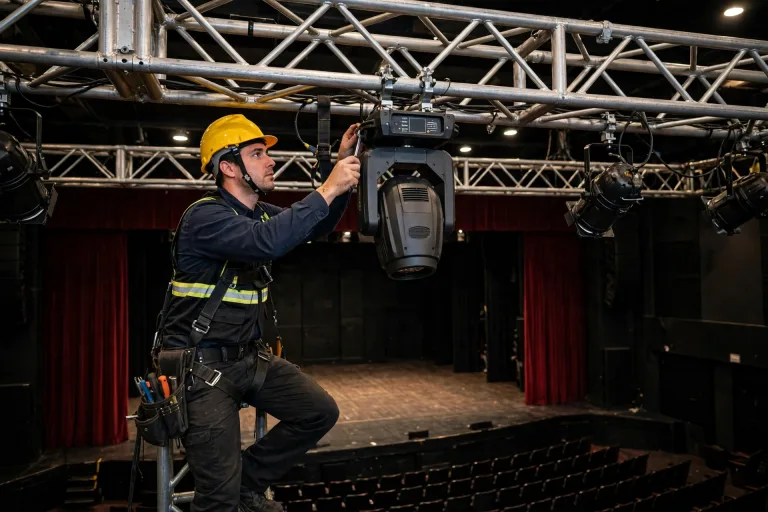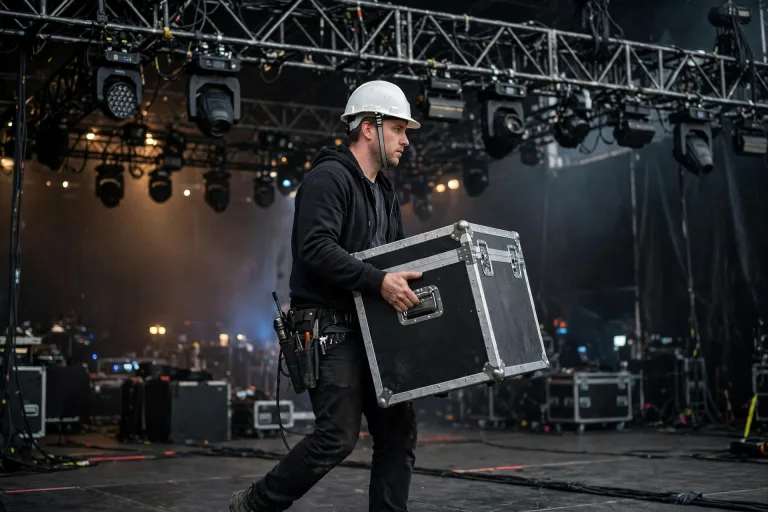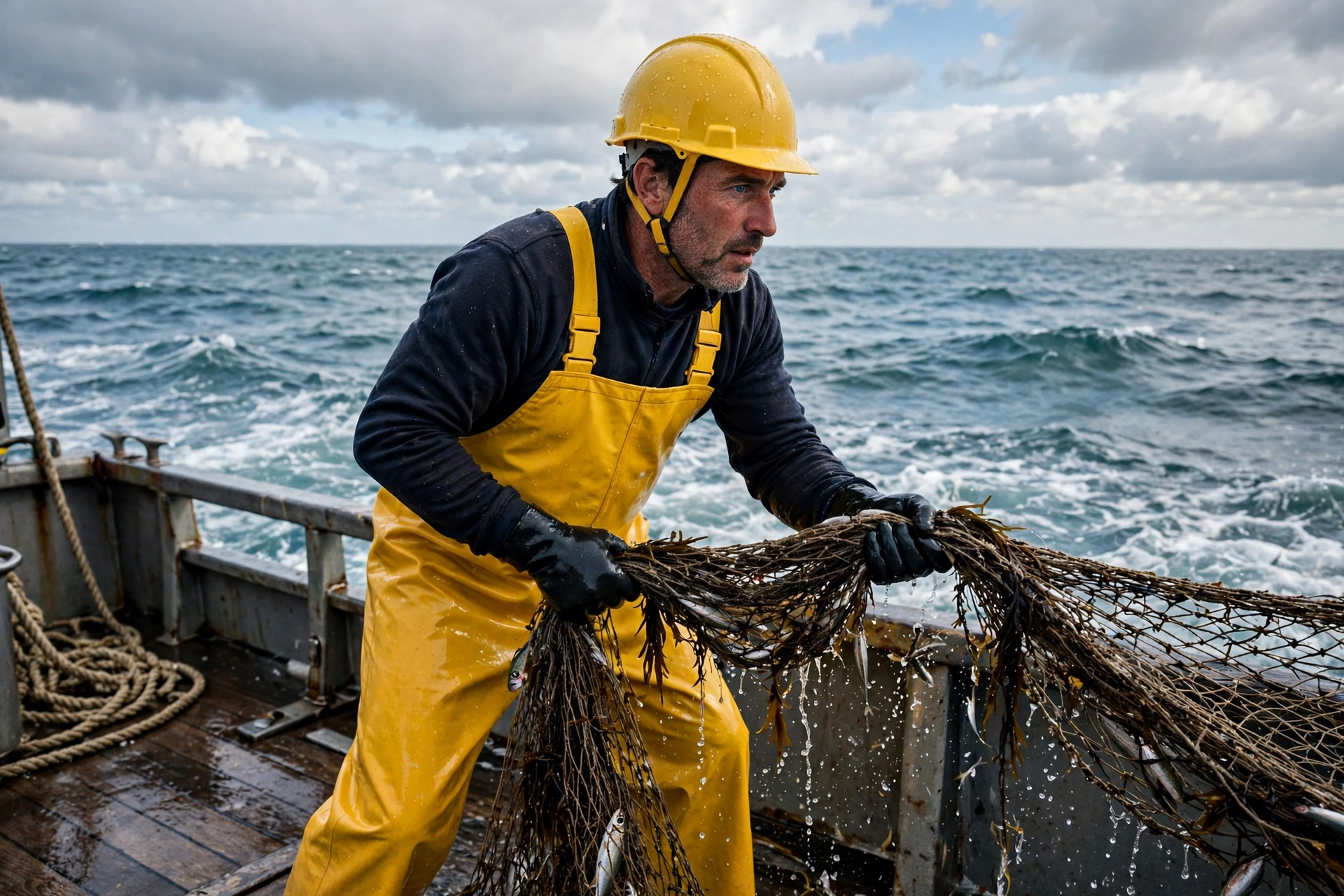
A helmet for fishermen is a safety helmet worn by commercial fishermen and anglers working on boats, piers, and fish farms to protect the head from falling gear, swinging booms, slippery decks, and knocks against hard surfaces, and in general terms every fisherman working on a boat should wear one that fits well and suits the conditions at sea. Fishing is one of the most dangerous jobs in the world, and the deck of a working boat is a hard, wet, and moving place. A helmet is essential safety equipment for that kind of work, not an optional extra.
A fisherman’s day can involve hauling nets, handling heavy crates, working under a swinging crane, and moving around a deck that pitches and rolls with the waves. The work is physical, the weather is often poor, and the fisherman’s head is close to hard metal, ropes, and machinery all day. A falling hook, a swinging block, or a slip on a wet deck can cause a serious injury, and a helmet gives the fisherman protection in all of those moments.
Why do fishermen need a helmet?
Fishermen need a helmet because the deck of a boat is full of hazards that can strike the head without warning. Nets, crates, and gear are hauled overhead, and a heavy block or hook can fall or swing into a worker’s head. The deck is wet and slippery, and a fisherman who slips can hit their head on the deck, the rail, or a machine. A helmet spreads the force of those impacts and helps to protect the skull.
There is also the risk of being struck by part of the boat’s gear, such as a boom, a winch, or a mast, as the boat moves in the waves. A helmet gives a layer of protection against those knocks too. A helmet is one part of safety gear for work at sea, and it works best alongside a lifejacket, non-slip boots, and safe working on deck.
What kind of helmet is best for fishermen?
The best helmet for fishermen is, in general terms, a light, well-ventilated industrial safety helmet with a hard outer shell, a chin strap, and a fit that stays secure when the wearer looks up or leans over. Many fishermen use a climbing-style safety helmet rather than a basic hard hat, because those helmets sit lower on the head, have a chin strap that keeps them in place in wind and spray, and are made to cope with falls as well as falling objects.
The helmet should be able to cope with salt water and wet conditions. A helmet used at sea will get wet and salty, so it should be easy to rinse clean with fresh water and to dry out. Vents that let air in without too much spray are useful, and a removable, washable lining is practical. The helmet should also work with safety glasses, ear protection, and waterproof clothing, without pressing on the ears or blocking hearing.
How should a helmet for fishermen fit?
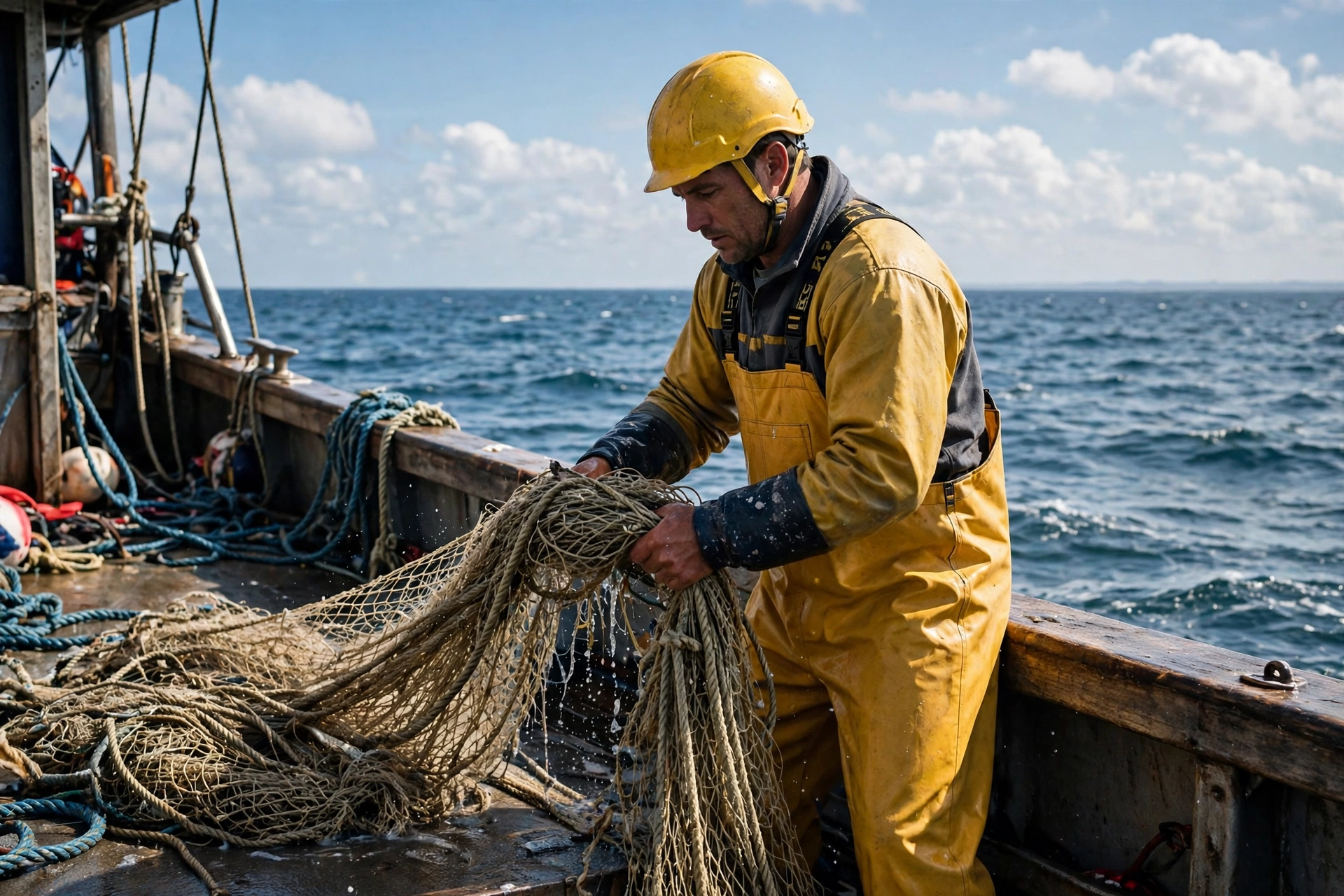
A helmet for fishermen should fit snugly, sit level on the head, and stay firmly in place when the wearer looks up, leans over, or is thrown about by the movement of the boat. The helmet should cover the forehead and the top of the head, and the chin strap should be fastened securely every time the fisherman is working on deck. A strap that is left loose lets the helmet slip or blow off in the wind, and a helmet lost overboard is no help to anyone.
The fit should be checked with the fisherman’s other gear in place, because a hood, safety glasses, and ear protection can change how a helmet sits. The helmet should not press on the arms of glasses or push them out of place, and it should not block the wearer’s hearing so much that they cannot hear warnings from the crew. The fisherman should also check that the helmet does not slip forward over the eyes when they look down, because clear vision matters when handling nets and gear on a moving deck.
What safety standards should a fisherman helmet meet?
A fisherman helmet should meet the recognised safety standards for industrial helmets, because those standards test helmets for the kinds of impacts that happen on a work site and on a boat. In general terms, boat owners and fishing companies look for helmets that carry a current industrial approval, and the rules of the vessel or the company will usually say which standards are accepted. A helmet that meets the standard has been tested for impact protection, for the strength of the shell, and for the way the harness inside the helmet holds it in place.
Fishermen should also check that the helmet is in good condition. A helmet that has been dropped onto a steel deck, struck by falling gear, or left in strong sun for a long time should be looked at with care, and in general terms a helmet that has taken a serious impact should be replaced rather than used again. The damage may not be easy to see, so a fisherman who has had a knock or a fall should think honestly about what the helmet has been through.
How should a fisherman helmet be looked after?
A fisherman helmet should be looked after with regular cleaning and sensible storage, in the same way as any work helmet. After a day at sea, the fisherman should rinse the helmet with fresh water to wash away the salt, wipe the shell with a damp cloth, and let the helmet dry naturally away from direct heat. The lining should be washed or replaced when it becomes worn, because a worn lining will not hold the helmet in place properly.
The helmet should be stored in a cool, dry place on the boat or ashore, away from direct sunlight and away from strong heat, because heat and sun weaken the shell over time. It should be kept where it will not be knocked about or used as a seat, because a hard knock can damage it even when no crack is visible. Fishermen who want to learn more about the features that help in a fall may want to read about MIPS, a system found in some helmets that is designed to reduce rotational forces, which can be useful in the slips and knocks of work on deck.
Is a normal hard hat enough for a fisherman?
In general terms, a basic hard hat is not the best choice for a fisherman, because it has no chin strap and can blow off in the wind or fall off on a moving deck. A safety helmet with a chin strap is usually the safer choice.
Can a fisherman wear a helmet in heavy rain?
Yes, in general terms a safety helmet for fishermen is made to cope with wet weather, and it should be rinsed with fresh water and dried after a wet day. It should not be worn with a hood that pushes it out of place.
When should a fisherman helmet be replaced?
A fisherman helmet should be replaced after a serious impact, a fall, or a strike from falling gear, or when it no longer fits well, shows damage, or has been used for a long time. When in doubt, replace it.

Olivia
Writer at Helmet Today, covering helmet reviews, fit and riding safety.