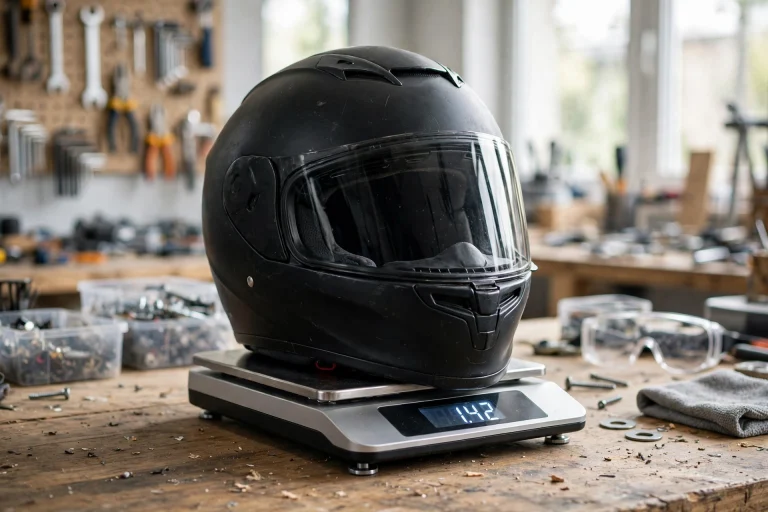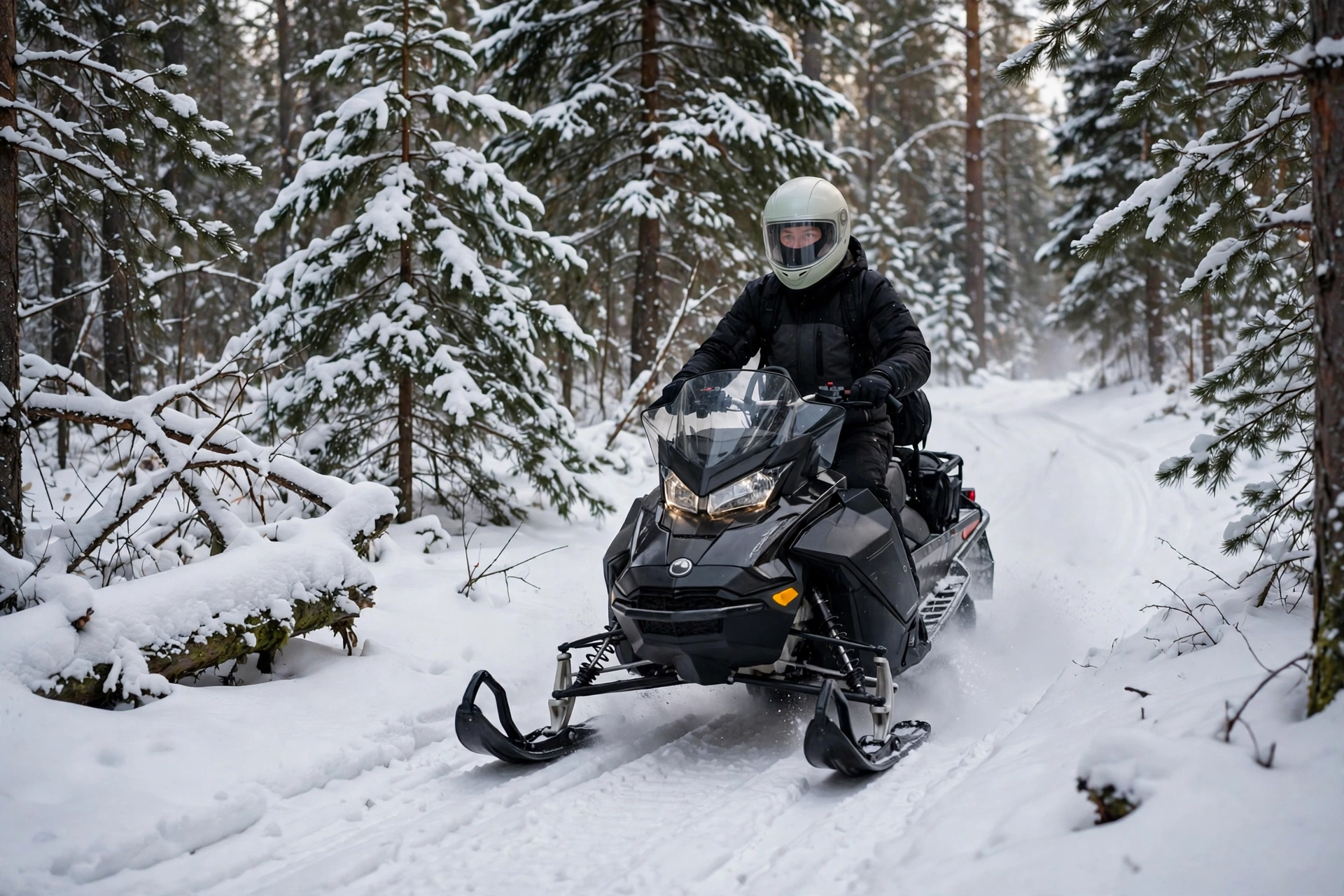
In general terms, helmet weight matters for snowmobile riders — a heavy helmet adds neck strain in the cold, where muscles are already stiff, and makes a long day on the trails more tiring, which is why many snowmobile riders look for the lightest helmet that still keeps them warm, fits well with a balaclava, and gives full face protection. Snowmobiling combines speed, cold, and rough trails, and all three make helmet weight more noticeable.
A snowmobile helmet is usually a full face helmet, worn with a balaclava and often with a heated visor or a breath guard. It needs to keep the cold air out, stop the visor fogging, and stay warm for hours. That extra warmth and protection can add weight, so finding a helmet that is both warm and light is a real balancing act. This guide explains how to get that balance right.
Why Does Cold Weather Make a Heavy Helmet Feel Worse?
In cold weather, your neck and shoulder muscles are stiffer than in warm weather, and they tire sooner when they have to hold up a heavy helmet. A helmet that feels fine in a warm shop can feel much heavier after an hour in freezing air, because cold muscles work less efficiently and recover more slowly.
The clothing adds to the problem. A balaclava, a neck warmer, and a thick jacket can change how the helmet sits, and if the helmet presses on the balaclava or the collar, it can feel heavier and more restrictive. A helmet that fits well over your usual cold-weather layers will feel lighter than one that squeezes them.
Long rides make the effect stronger. A snowmobile day can last many hours, with long stretches at speed on open trails, and a heavy helmet can leave your neck sore by the end of the day. A lighter helmet helps you stay comfortable and alert, which matters for safety on a fast machine in winter conditions.
How Light Can a Snowmobile Helmet Be?
Snowmobile helmets are usually full face helmets, so they are naturally heavier than a bike helmet, but there is still a useful range of weights among them. In general terms, a lighter snowmobile helmet uses a lighter shell and well-placed padding to keep the weight down, while still giving the warmth and coverage you need in the cold.
When you compare helmets, try them on with the balaclava and layers you normally wear. A difference that feels small in the shop can feel much larger after hours on the trails. Walk around in the helmet, move your head from side to side, and look up and down. The helmet that feels lightest and most comfortable is usually the right one, provided it fits well.
Do not chase the lightest helmet at any cost. A helmet that is light because it has very little insulation may feel cold on a long ride, and a helmet that is too light for your head size may not fit properly. The goal is a helmet that is light enough to ride in happily for hours, warm enough for the cold, and snug enough to stay in place at speed.
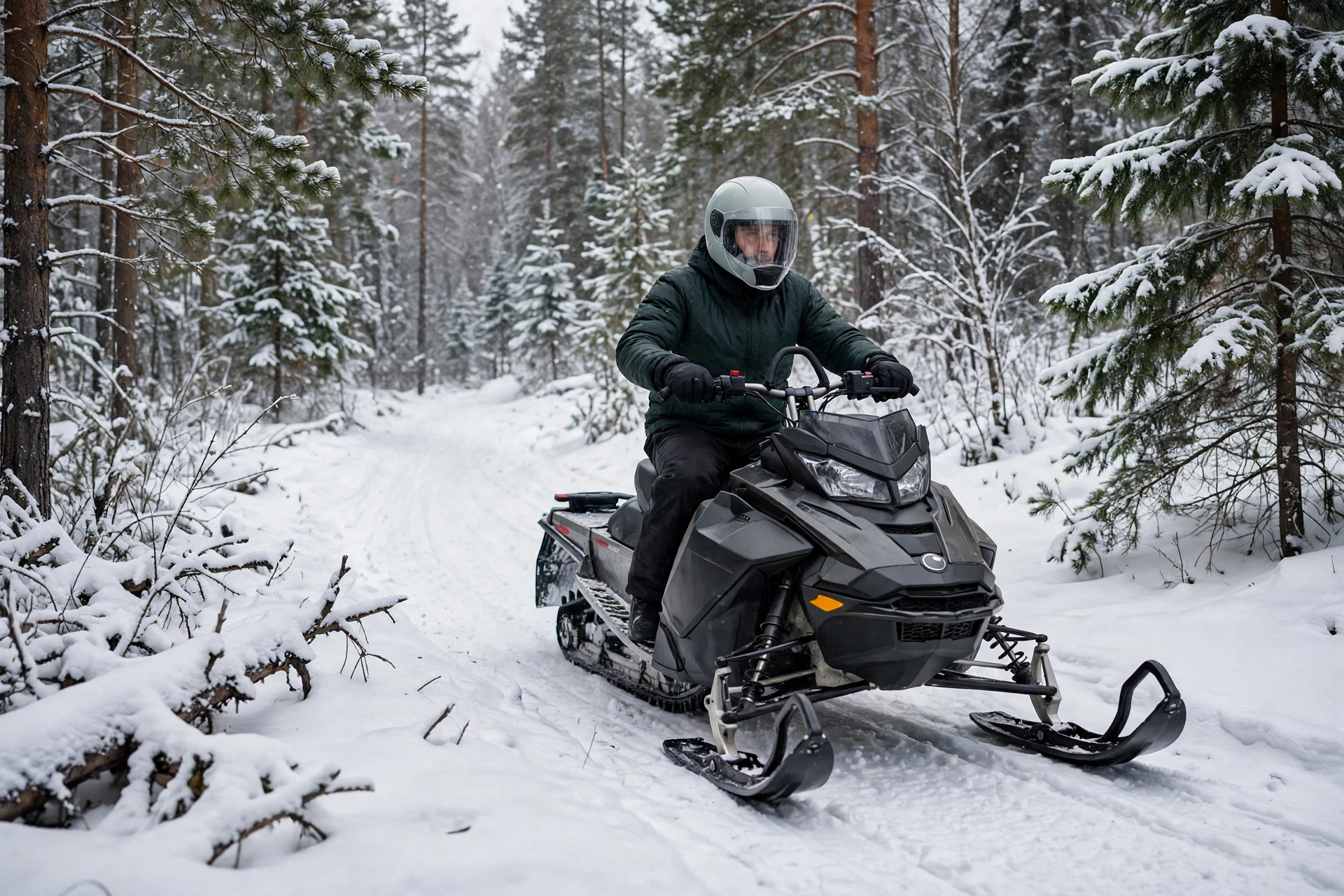
Does a Lighter Snowmobile Helmet Keep You Warm Enough?
Not always — and this is the key trade-off for snowmobile riders. A very light helmet may have less insulation, fewer ear pads, or thinner padding, which can let cold air in on a long, fast ride. In general terms, warmth and weight need to be balanced: a helmet that is light but cold is no better than a helmet that is warm but too heavy to wear comfortably.
Look for a helmet that is light but still has good cold-weather features: a well-sealed visor, a breath guard to stop fogging, and ear pads that keep the wind out. Some helmets have a heated visor, which adds a little weight but can make a big difference to visibility in cold, damp conditions. Weigh that extra weight against the benefit of a clear visor.
Your balaclava also matters. A good balaclava can add warmth without adding much bulk, and it can let you choose a slightly lighter helmet. Try the helmet and balaclava together, and make sure the combination still fits snugly without pressing too hard or pushing the helmet forward.
How Do Visor Fogging and Breath Guards Affect Weight?
Visor fogging is a common problem in cold weather, because warm breath meets the cold visor and condenses on it. A breath guard, which directs your breath away from the visor, can help, as can a heated visor or a double-layer visor. These features add a little weight, but they can make the ride much safer, because a fogged visor blocks your view of the trail.
In general terms, the small extra weight of a breath guard or a heated visor is worth it if it keeps your vision clear. A helmet that is light but fogs up constantly is not a good choice for snowmobiling, because you will spend the ride lifting the visor or wiping it, which lets cold air in and distracts you from the trail.
Check the visor before you buy. It should be clear, scratch-free, and easy to open and close with gloves on. If the helmet has a heated visor, check how it connects to the snowmobile and whether the cable is easy to manage. A visor that works well in the cold is worth a little extra weight.
What Should You Look for in a Snowmobile Helmet?
Start with weight, warmth, and fit together. Try on several helmets in your size, with your balaclava on, and choose the lightest one that sits level, feels snug, keeps your ears warm, and stays put when you move your head. Check that the visor seals well and that the breath guard sits comfortably.
Next, check the comfort features. The padding should feel soft and even, the strap should fasten easily with gloves, and the helmet should feel balanced on your head rather than pulling forward. If you ride in very cold weather, look for a helmet with good insulation and a visor that resists fogging.
If you are learning about how helmets handle different kinds of impact, reading about what MIPS is for helmets can help you understand one of the technologies used in modern helmet design. Weigh that alongside weight, warmth, and fit, and remember that a helmet you are happy to wear all day in the cold is the one that will protect you when it matters.
Frequently Asked Questions
Q: Will a lighter snowmobile helmet make my neck less sore?
A: In general terms, yes. A lighter helmet puts less load on cold, stiff neck muscles, which can ease soreness on long rides — though a good fit and warm layers matter too.
Q: Is a heated visor worth the extra weight?
A: In general terms, yes, for many riders. A heated visor keeps your view clear in cold, damp conditions, and that safety benefit usually outweighs the small extra weight.
Q: How do I fit a snowmobile helmet over a balaclava?
A: Try the helmet on with the balaclava you normally wear. It should still sit level and feel snug without pressing too hard, and the visor should seal well.

Olivia
Writer at Helmet Today, covering helmet reviews, fit and riding safety.