Yes, you can usually replace a helmet buckle instead of the whole helmet, as long as the buckle is a separate part and the strap and shell are still in good condition. The buckle is the small clip that holds the chin strap closed, and on many helmets it is a standard part that can be swapped for a new one. A buckle that sticks, slips, cracks, or no longer clicks shut is a real safety problem, but it does not always mean the helmet itself is finished.
This repair is worth considering because the buckle is one of the hardest-working parts of a helmet. It is opened and closed every time you ride, it is exposed to sweat, dust, and weather, and it can wear out long before the rest of the helmet does. Replacing it is a small, low-cost job in most cases. The key is knowing when a simple buckle swap is safe, how to find the right part, and when the strap or helmet underneath is too damaged for a repair to be sensible.
When Is Replacing the Buckle the Right Choice?
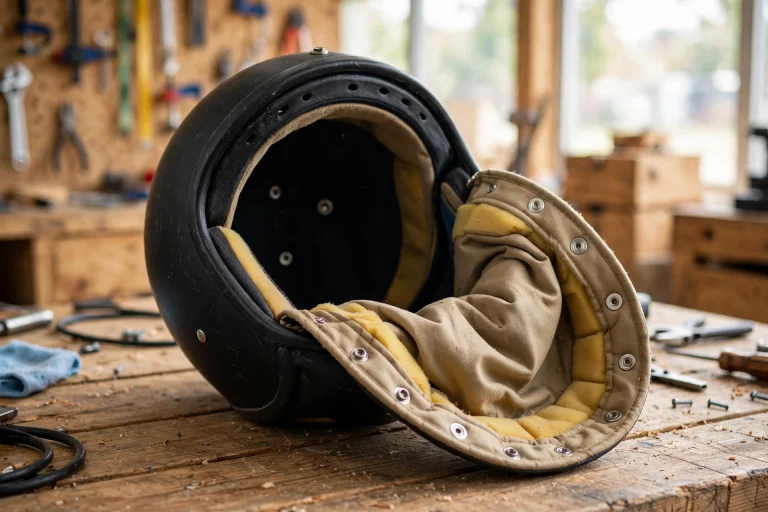
Buckle replacement is the right choice when the buckle itself is the only problem. Common signs include a buckle that will not click shut, one that pops open under a gentle tug, a release button that sticks, or a buckle body with a visible crack. If the strap, the shell, and the foam liner are all still in good condition, and the helmet fits well, a new buckle restores the helmet to full working order.
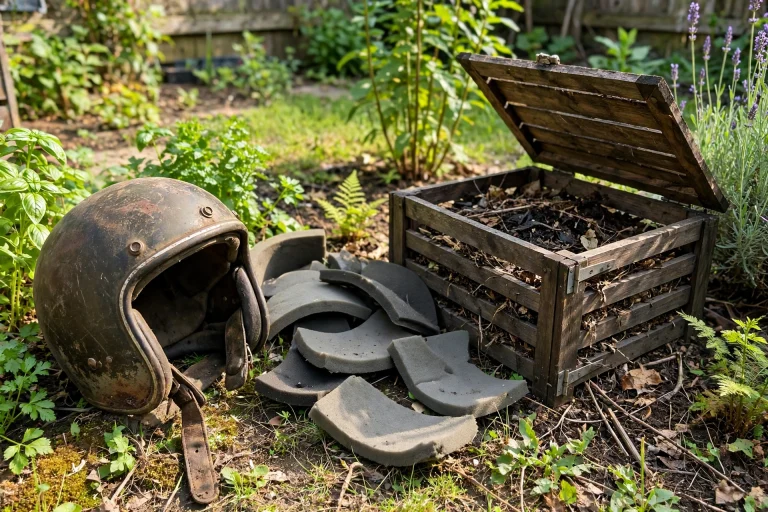
Buckle replacement is not the right choice when the damage goes beyond the buckle. If the strap is frayed, cut, or badly faded, or if the stitching where the strap joins the helmet has come loose, a new buckle will not fix the problem. The strap is what holds the helmet on your head, and a weak strap is just as dangerous as a broken buckle. Likewise, if the helmet has been in a crash or has a cracked shell, the whole helmet should be replaced rather than repaired.
How Do You Find the Right Replacement Buckle?
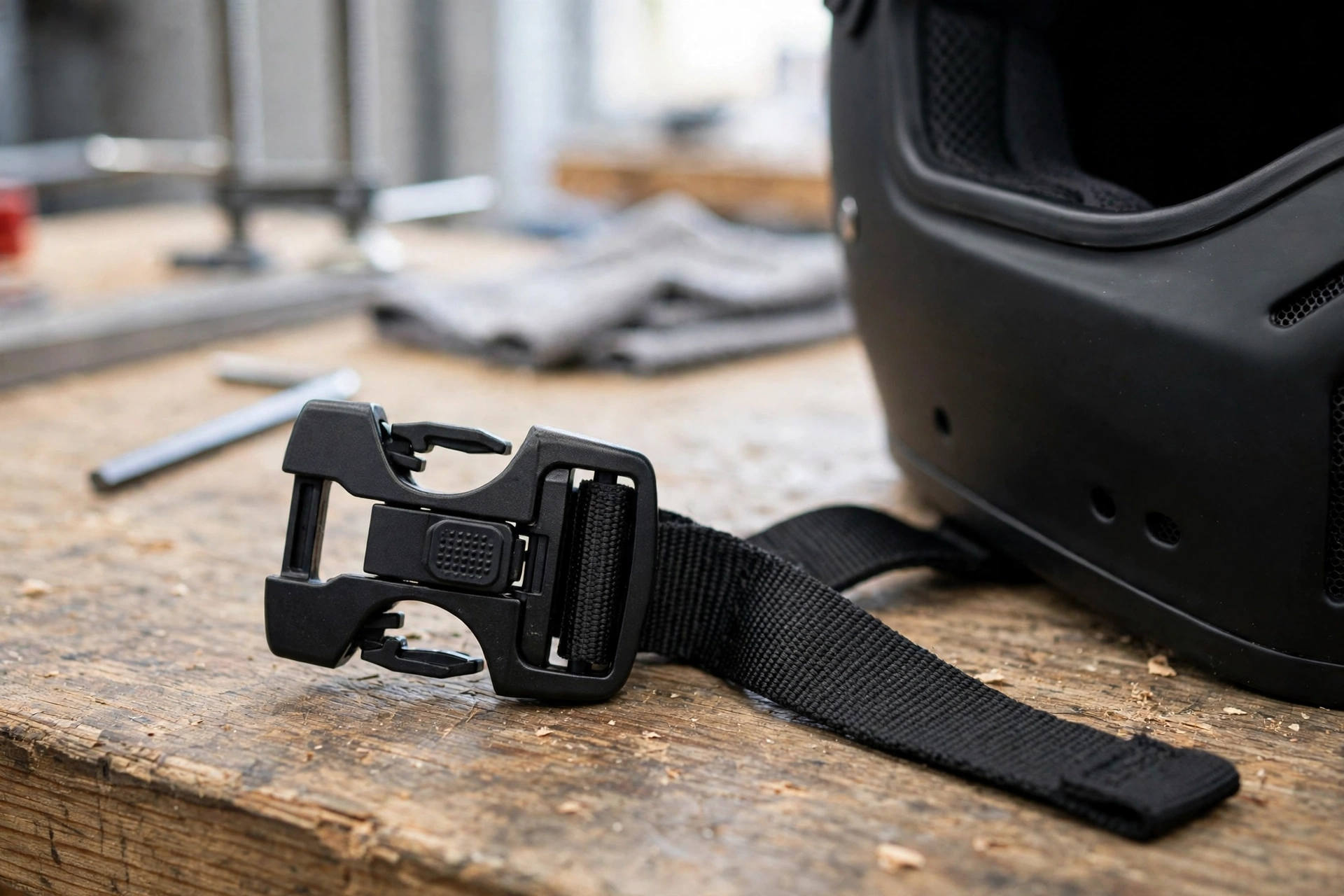
The first step is to work out what kind of buckle your helmet uses. Most helmets use one of a small number of common designs: a quick-release clip with a spring-loaded button, a double D-ring, or a ratchet-style buckle. The quick-release type is the easiest to replace, because the buckle is often a self-contained unit that threads onto the strap. Double D-rings are simple metal rings with no moving parts, and they rarely need replacing at all, though they can be swapped if they are bent or corroded.
If the maker does not sell a spare, a general replacement buckle of the same type and strap width may work. Measure the width of your strap before you buy, because buckles are made to fit specific strap widths, and a buckle that is too wide or too narrow will not hold securely. If you are learning about how helmets handle different kinds of impact, reading about what MIPS is for helmets can help you understand one of the technologies used in modern helmet design.
How Do You Replace a Helmet Buckle?
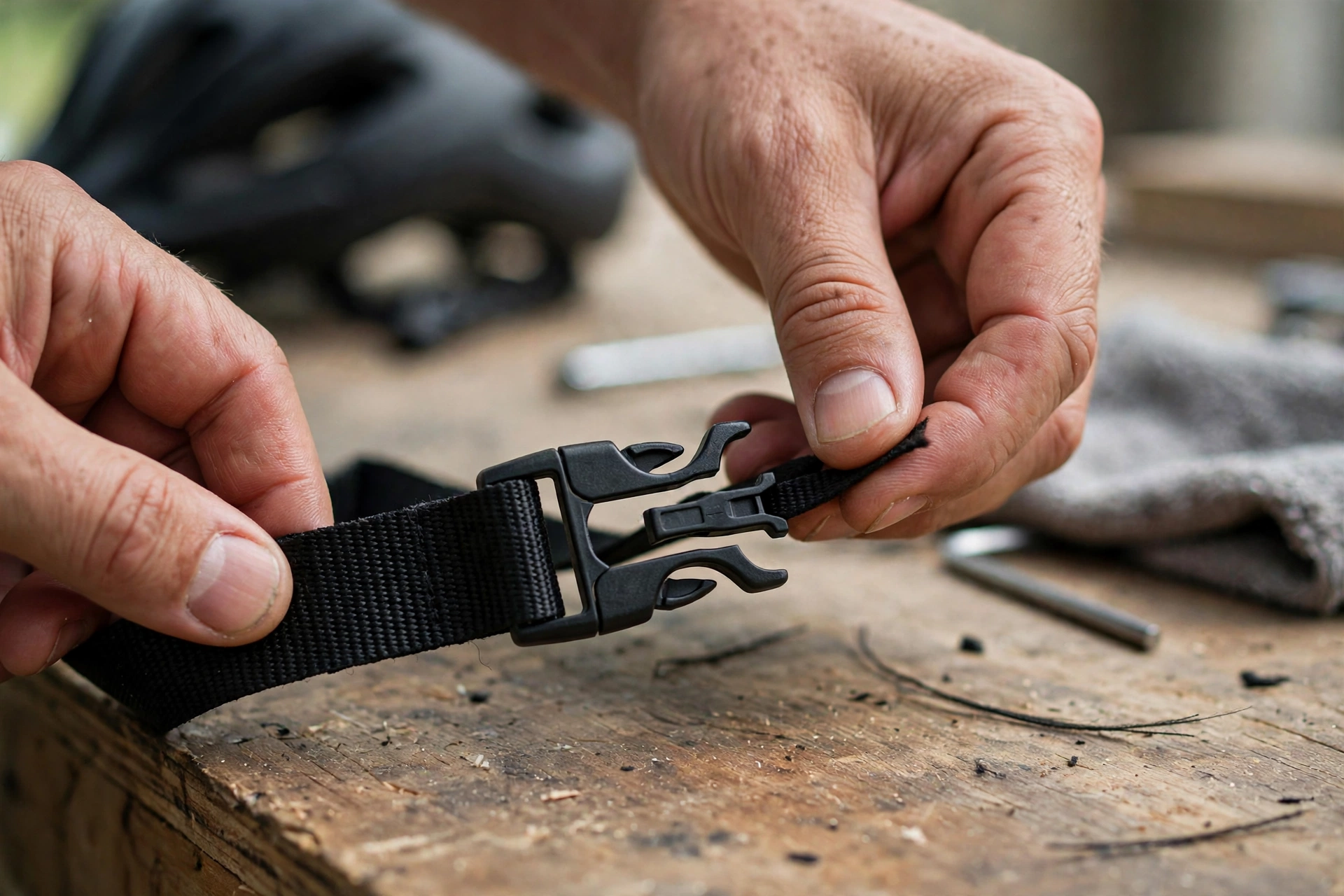
Replacing a quick-release buckle is usually a simple job that needs no special tools. Start by threading the strap out of the old buckle, noting how it passes through the slots. The strap typically loops through the buckle in a particular way, and getting this right is what makes the buckle hold under load. Take a photo before you undo anything, so you have a clear reference for threading the new one.
Once the old buckle is off, thread the strap through the new buckle in exactly the same way. Pull the strap through slowly, making sure it lies flat without twists, and check that the adjustment slider, if there is one, still moves freely. Then click the buckle shut and pull firmly on the strap to test it. A good buckle should click crisply and stay shut under a strong tug. If it slips or feels loose, the strap may be threaded the wrong way, so take it apart and try again.
Some buckles are stitched onto the strap rather than threaded, and these are harder to replace at home. If the buckle is sewn in, the old stitching has to be removed and the new buckle stitched back on with strong thread. This is a job for a repair shop or a saddler, because the stitching has to be strong enough to hold in a crash. In general terms, if you are not confident with a needle and heavy thread, it is better to pay a professional than to risk a weak repair on a safety-critical part.
How Do You Test a New Buckle Before Riding?
Testing the new buckle before you ride is essential, because the buckle is what keeps the helmet on your head. Start with the helmet off your head: click the buckle shut and pull hard on both ends of the strap. The buckle should stay firmly closed, and the strap should not slip through it. Press the release button and check that it opens smoothly, then click it shut again and repeat the pull test a few times.
Next, put the helmet on and fasten it as you would for a ride. The strap should sit snugly under your chin, with room for about two fingers between the strap and your chin. Shake your head gently and try to roll the helmet forward off your head; it should stay in place. If the helmet moves or the buckle feels loose, stop and re-check the threading. A buckle that passes these tests on the ground is ready for the road, but if anything feels wrong, do not ride with it.
When Should You Replace the Helmet Instead?
There are times when a new buckle is not enough. If the strap itself is frayed, cut, or stretched, the helmet should be replaced, because a new buckle cannot fix a weak strap. The same applies if the stitching that holds the strap to the helmet has failed, or if the part of the shell where the strap attaches is cracked or damaged. These are structural problems, and they mean the helmet can no longer be trusted to stay on in a crash.
Frequently Asked Questions
Q: Can I replace a helmet buckle myself?
A: In general terms, yes, if the buckle threads onto the strap rather than being stitched on. Threaded buckles are a simple swap, but a stitched-in buckle should be replaced by a professional, because the stitching has to be strong enough to hold in a crash.
Q: How do I know if the buckle is the problem or the strap?
A: If the buckle will not click shut, pops open, or is cracked, the buckle is the problem. If the strap is frayed, cut, stretched, or the stitching is loose, the strap is the problem, and the helmet should usually be replaced rather than repaired.
Q: Is a replacement buckle as safe as the original?
A: Yes, as long as it is the correct part for your helmet and strap width, it is fitted correctly, and it passes a firm pull test. A wrong-size buckle or one that is threaded incorrectly may slip, so always test it thoroughly before riding.

Olivia
Writer at Helmet Today, covering helmet reviews, fit and riding safety.