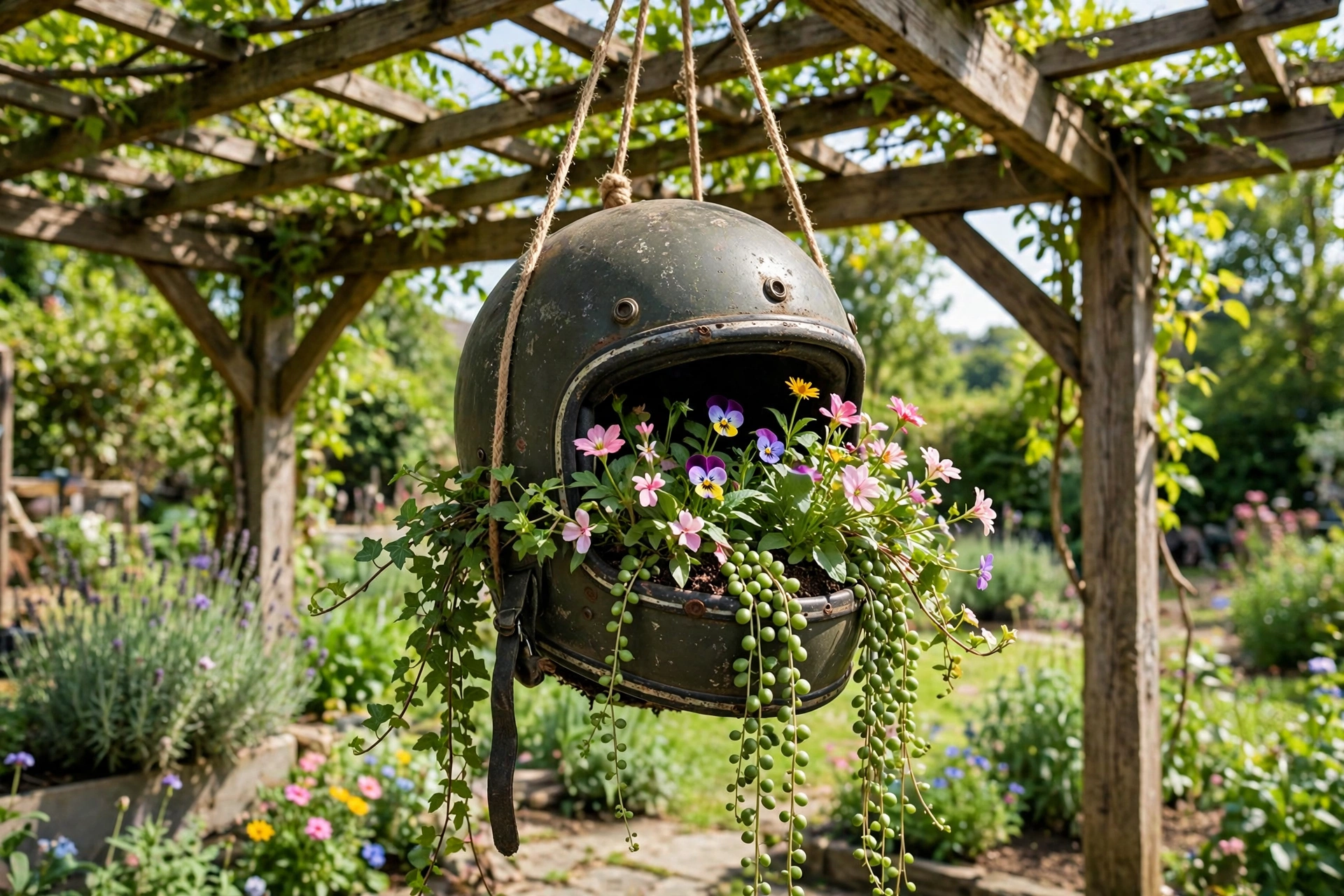
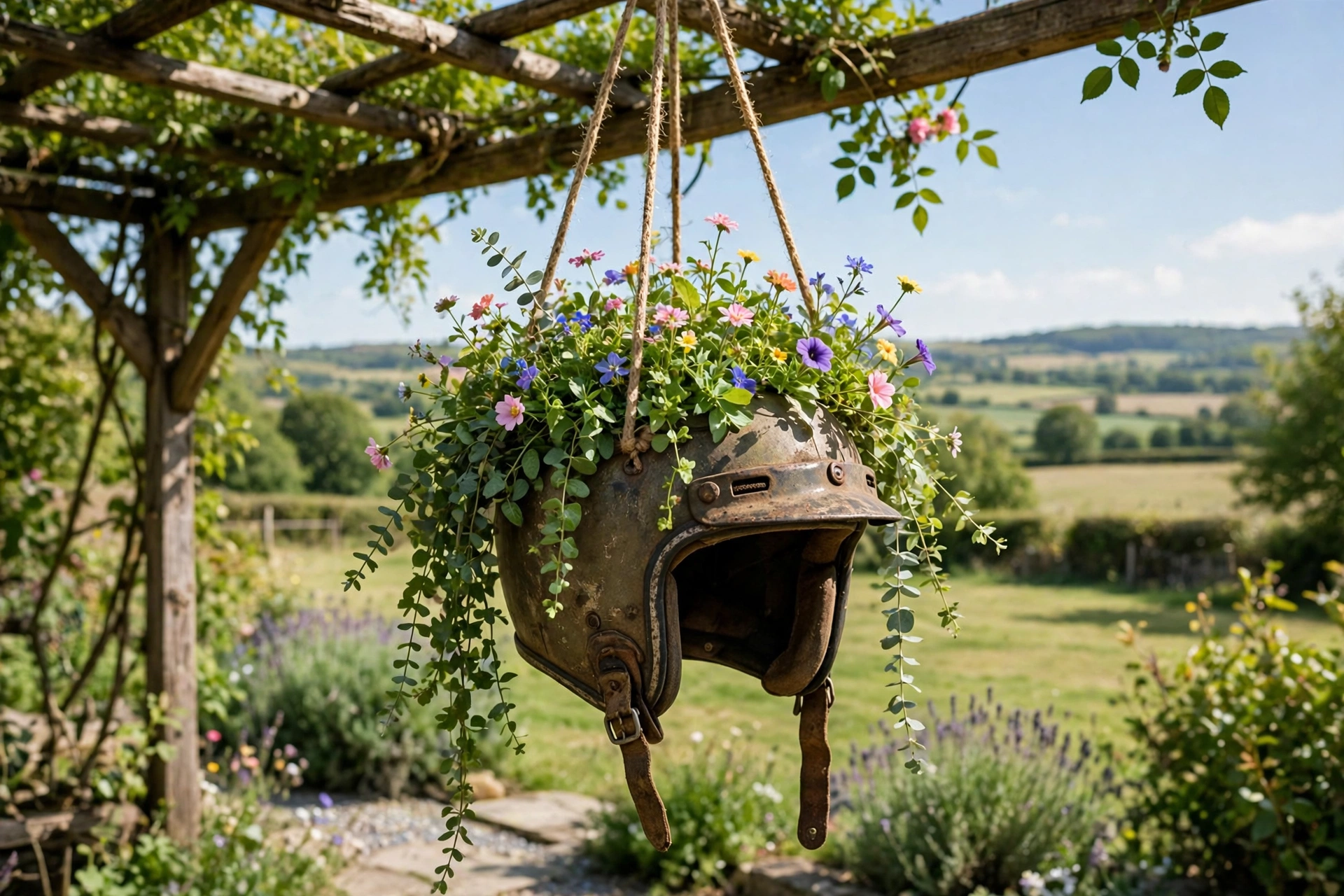
Yes, you can upcycle an old helmet into a hanging basket — as long as the helmet is truly retired from protective use and will never be worn on the road again. A retired helmet makes a surprisingly good hanging planter: its hard shell holds soil, its rounded shape drains and displays plants well, and hanging it up keeps it out of landfill. The key rule is that the helmet must be one you have already replaced, not one you still rely on for safety.
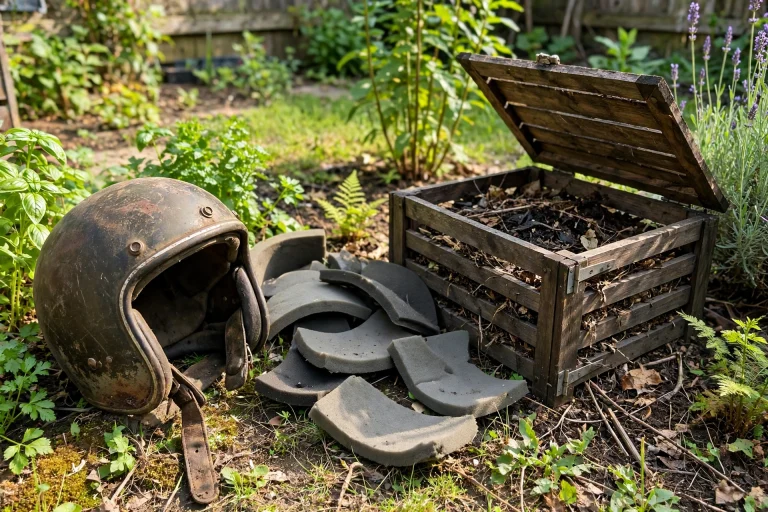
This is a popular upcycling idea because helmets are hard to recycle. Most helmets combine a hard outer shell, a foam liner, straps, and padding, and those materials are bonded together in ways that make them difficult to separate. Turning a retired helmet into a hanging basket gives it a second life and keeps a bulky item out of the bin. This guide looks at whether the idea works in general terms, which helmets suit it, how to prepare one safely, and which plants do best in it.
Is an Old Helmet Safe to Use as a Hanging Basket?
In general terms, yes, a retired helmet is safe to use as a hanging basket, because it no longer needs to protect anyone. The safety concern with old helmets is about wearing them: foam liners degrade over time, and a helmet that has been dropped or crashed may have hidden damage. None of that matters once the helmet becomes a planter, because it will never take an impact again. What matters instead is that the shell is intact enough to hold soil and that it is clean.
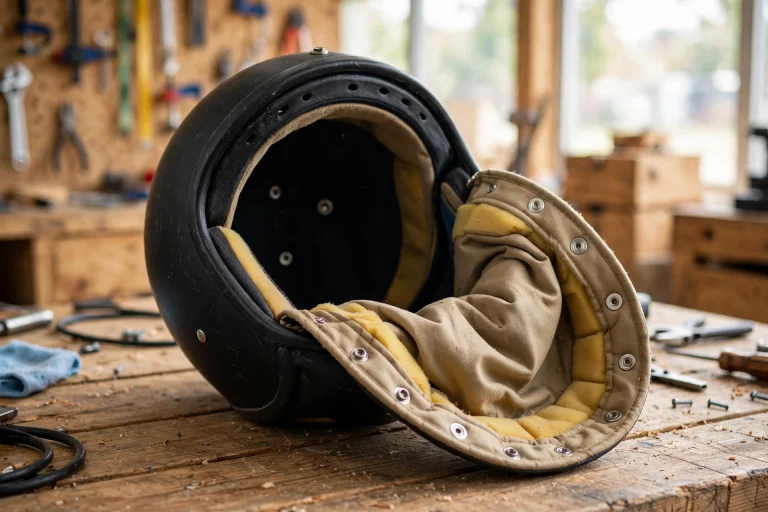
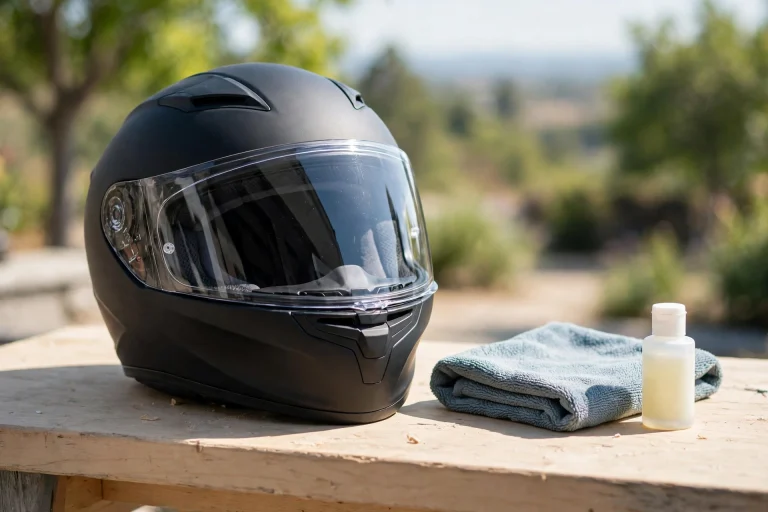
Before you start, check the helmet over. Remove the visor if it has one, and take out any loose padding that is falling apart. Give the shell a good wash with warm soapy water and let it dry fully. If the straps are frayed or mouldy, cut them off — you will not need them, and they can harbour damp. A helmet with a cracked shell can still work as a basket if the crack is small, but a badly split shell may not hold soil well, so choose the sturdiest retired helmet you have.
The one thing you must not do is upcycle a helmet you still wear. If you drill holes in a helmet or fill it with soil, it can never be used as protective gear again. So only use a helmet that has already been replaced by a new one, or one that has reached the end of its working life and is already out of service.
How Do You Turn a Helmet into a Hanging Basket?
The basic method is simple. First, drill several small drainage holes in the bottom of the shell so water can escape — without drainage, plant roots will sit in water and rot. Use a small drill bit and work slowly, because helmet shells are tough and can crack if you force the drill. Three or four holes about the width of a pencil are usually enough. Wear eye protection while drilling, since small chips of shell can fly off.
Next, decide how the basket will hang. The easiest way is to drill three evenly spaced holes around the rim of the helmet and thread strong cord, chain, or wire through them, gathering the lengths above the helmet and tying them to a ring or hook. Make sure the cord is rated for the weight of a helmet full of wet soil, which is heavier than you might expect. Test the hanging setup empty first, then add soil gradually and check that nothing slips.
Finally, line the inside of the helmet with a piece of landscape fabric or an old cloth to keep the soil from washing out through the drainage holes while still letting water through. Fill it with a light potting mix rather than heavy garden soil, which will make the basket too heavy to hang safely. Then add your plants, water them gently, and hang the basket somewhere it gets the right amount of light.
Which Plants Work Best in a Helmet Basket?
Trailing plants are the best choice, because they spill over the rim and soften the hard shape of the helmet. Good options include trailing lobelia, ivy, creeping jenny, and petunias, all of which grow happily in a shallow container and look attractive as they cascade downwards. Herbs such as thyme and oregano also work well, because they like good drainage and do not need deep soil.
Avoid plants that need a lot of root space or grow very tall, because a helmet is a shallow container and a tall plant will make the basket top-heavy. Small flowering plants, succulents, and trailing foliage are the safest bets. Succulents are a particularly good choice if the basket will hang in a sunny spot and you do not want to water it every day.
Think about weight as well. Wet soil is heavy, so a helmet basket full of soil and plants can weigh several kilos. Choose light plants and a light potting mix, and hang the basket from a hook or beam that can take the load.
Where Should You Hang a Helmet Basket?
The best spot depends on the plants you have chosen, but in general terms a sheltered spot with a few hours of sun suits most trailing plants. A porch, a pergola, or a balcony wall all work well. Avoid hanging the basket where it will swing into a walkway or where people might bump their heads on it.
Wind is another factor. A hanging basket catches the wind, and a helmet is heavier and more solid than a woven basket, so it can swing with real force in a gust. Hang it somewhere sheltered, and use a strong hook that will not work loose.
Also think about watering. A hanging basket dries out faster than a pot on the ground, because air moves around it on all sides. Check the soil regularly in warm weather and water when the top feels dry.
What Else Can You Do with a Retired Helmet?
A hanging basket is only one option. A retired helmet can also become a quirky storage container in a garage or workshop, holding gloves, cables, or small tools. Some people use old helmets as planters sitting on a shelf rather than hanging, which avoids the weight and swinging worries altogether. Others turn them into bird feeders by filling them with seed and hanging them from a tree.
If you would rather not keep the helmet at all, check whether any local recycling or helmet collection scheme will take it. Some helmet makers and retailers run take-back programmes, and some community groups collect old helmets for art projects or training use. If you are learning about what happens to helmet materials, reading about what MIPS is for helmets can help you understand one of the technologies used in modern helmet design.
Frequently Asked Questions
Q: Can I upcycle a helmet I still wear into a hanging basket?
A: No. Once you drill holes in a helmet or fill it with soil, it can never be used as protective gear again. Only upcycle a helmet that has already been replaced and is permanently out of service.
Q: Do I need drainage holes in a helmet hanging basket?
A: Yes. Without drainage holes, water collects in the shell and plant roots will rot. Drill three or four small holes in the bottom of the helmet before adding soil.
Q: What plants grow best in a helmet basket?
A: Trailing plants such as ivy, creeping jenny, lobelia, and petunias work well, as do small herbs and succulents. Avoid tall or deep-rooted plants, since a helmet is a shallow container.

Olivia
Writer at Helmet Today, covering helmet reviews, fit and riding safety.