Yes, helmets work properly without MIPS — MIPS is an added safety feature, not a requirement, and a good helmet without it still protects your head well. Helmets were protecting riders for decades before MIPS existed, and a well-made helmet that fits properly and meets safety standards does its job with or without a slip-plane layer inside. MIPS adds an extra layer of protection against certain kinds of impact, but its absence does not make a helmet unsafe.
This is a common question because MIPS is marketed heavily, and it is easy to get the impression that a helmet without it is somehow incomplete. In reality, MIPS is one of several technologies that can improve a helmet, and the basics — a strong shell, a good foam liner, and a proper fit — matter far more. This guide explains what MIPS does in general terms, and why a non-MIPS helmet is still a proper helmet.
What Is MIPS and What Does It Do?
MIPS stands for Multi-directional Impact Protection System. It is a thin, low-friction layer inside the helmet that allows the shell to move slightly relative to your head during an angled impact. That small sliding movement is designed to reduce the rotational forces that reach the brain when a helmet hits the ground at an angle, which is how most real-world crashes happen.
The idea is that a straight-on impact is rare; most falls involve the head striking at an angle, which twists the head as well as pushing it. The foam liner in a helmet handles the straight-line force, while MIPS is designed to help with the twisting force. It is a clever addition, and it has become common in cycling and snowsports helmets in particular.
It is important to keep the scale in mind. MIPS is an extra layer inside a helmet that already has a shell and a foam liner doing the main work. It refines the protection rather than providing it, and a helmet without MIPS still has the shell and liner that do most of the job.
Do Helmets Without MIPS Still Meet Safety Standards?
Yes. Safety standards for helmets test the shell and the liner, not the presence of MIPS, and a helmet must pass those tests to be sold. A non-MIPS helmet that meets the relevant standard has been tested for impact protection and has passed, which means it is a properly protective helmet by any reasonable measure.
Standards set a minimum level of protection that every helmet must reach, and MIPS is not part of that minimum. That does not mean MIPS is useless — it means the standards were written before MIPS existed, and they test the core protection that every helmet must provide. A helmet with MIPS passes the same tests and then adds its extra layer on top.
When you are choosing a helmet, the safety standard it meets is a better guide than whether it has MIPS. Look for a helmet that meets the standard for your activity, fits well, and is comfortable enough that you will wear it every time. Those three things matter more than any single feature.
When Might MIPS Be Worth Having?
MIPS is worth considering if you ride in situations where angled impacts are likely, which is most real-world riding. If you are choosing between two helmets that are otherwise equal in fit, comfort, and price, the one with MIPS gives you an extra layer of protection for the same effort. Many riders choose it for that reason, and it is a sensible choice when the price difference is small.
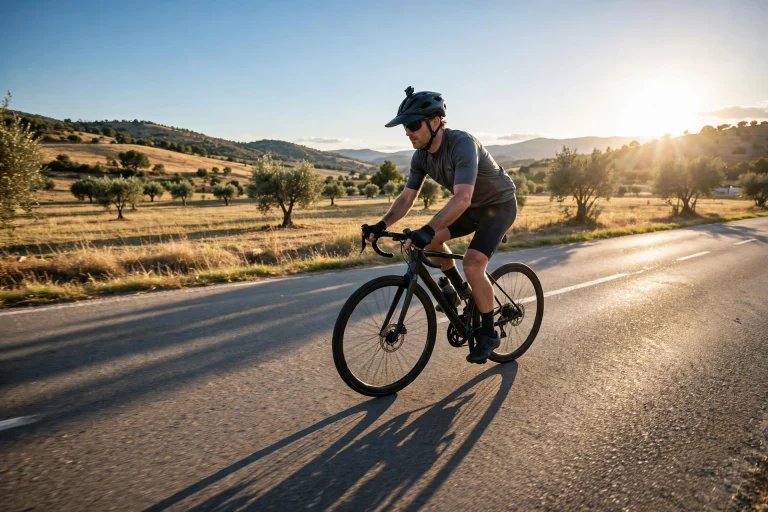
It is also worth having if you ride at higher speeds or on rougher terrain, where crashes are more likely to involve a glancing blow. Mountain bikers, road cyclists, and motorcyclists all face angled impacts regularly, and the extra protection against rotational forces is a genuine benefit in those situations.
That said, MIPS is not the only technology that addresses rotational forces. Some makers use their own slip-plane or shear-layer designs that do a similar job under a different name, and some helmets use a spherical liner design. If you are learning about these technologies, reading about what MIPS is for helmets can help you understand how the system works and how it compares to other designs.
What Matters More Than MIPS?
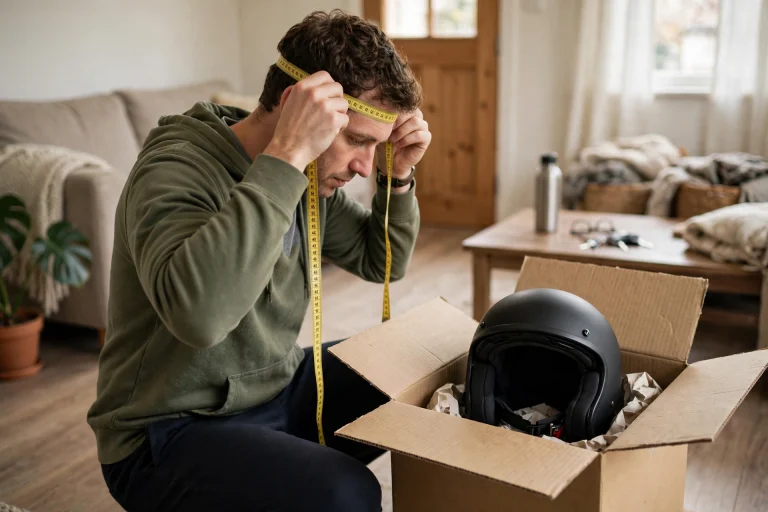
Fit matters more than any feature. A helmet that fits properly stays in place in a crash and lets the liner do its job. A helmet that is too loose can shift or come off, and a helmet that is too tight is uncomfortable enough that you may be tempted to leave it at home. No safety feature can make up for a bad fit, so try helmets on and choose the one that sits level, feels snug without squeezing, and stays put when you shake your head.
Condition matters too. A helmet that has been dropped hard, crashed in, or left in strong sunlight for years may not protect as well as it once did, MIPS or not. Replace a helmet after a crash, and replace it if the liner has gone soft or the shell is cracked. A new, well-fitting helmet without MIPS protects you better than an old, damaged helmet with it.
Finally, wearing the helmet matters most of all. The best helmet in the world only helps if it is on your head. A comfortable helmet you wear every time beats a feature-packed one you leave behind, every time.
Should You Replace a Non-MIPS Helmet?
In general terms, no — not just to get MIPS. If your current helmet fits well, is in good condition, and meets the safety standard for your activity, it is doing its job. Replacing it purely to add MIPS is not necessary, and the money is better spent on making sure your next helmet, when the time comes, is the best fit you can find.
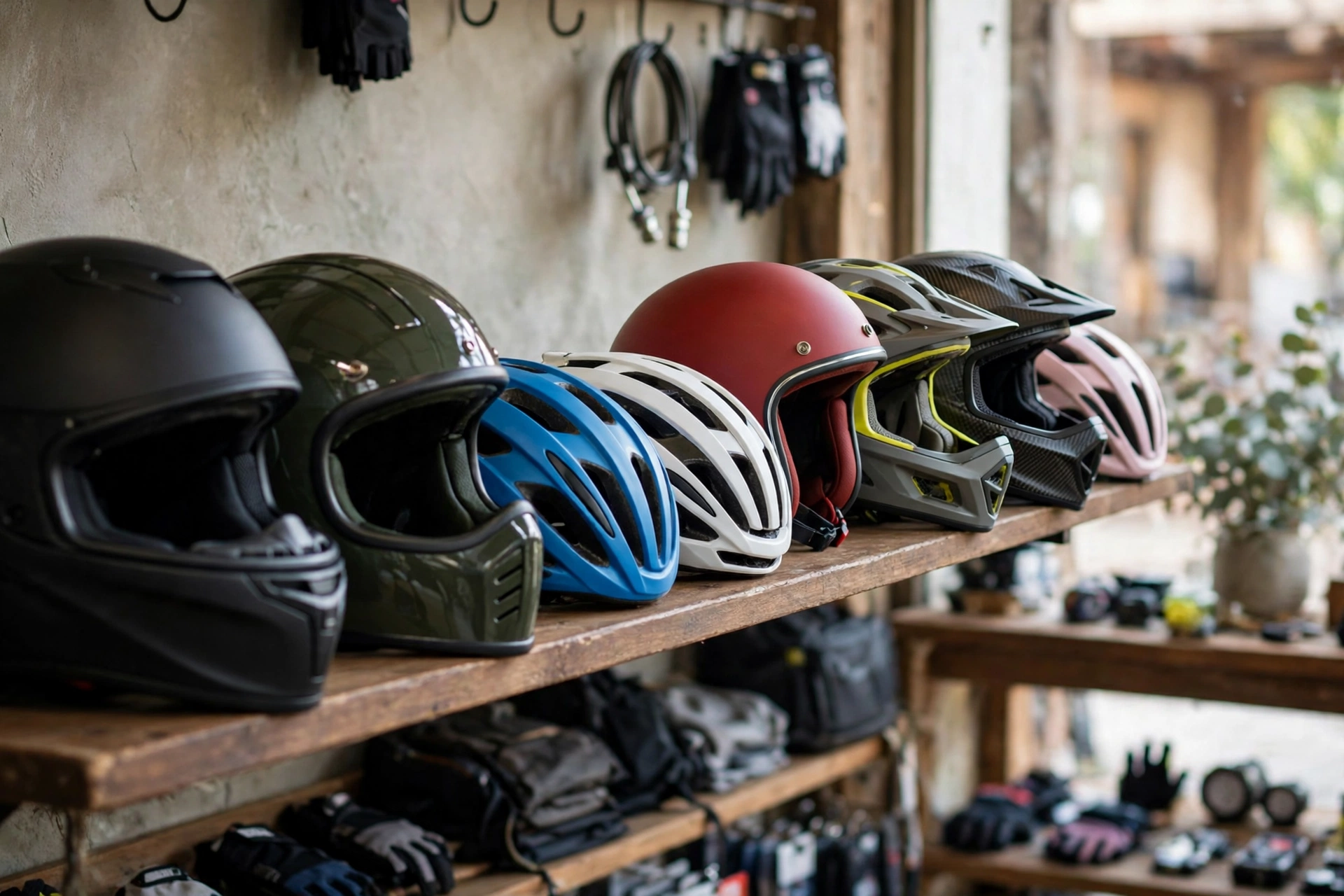
When you do replace your helmet, MIPS is worth considering, along with fit, comfort, ventilation, and weight. Think of it as one item on a list of good features, not as a pass-or-fail test. A helmet is a package, and the best package is the one that fits you, suits your riding, and meets the standard.
So if you own a non-MIPS helmet, wear it with confidence. It works properly, it meets the standards, and it protects your head. MIPS is a bonus, not a requirement.
Frequently Asked Questions
Q: Do helmets work properly without MIPS?
A: Yes. A well-made helmet that fits properly and meets safety standards protects your head well without MIPS. MIPS is an added feature that helps with rotational forces, not a requirement for a helmet to work.
Q: Is a helmet with MIPS safer than one without?
A: In general terms, a MIPS helmet may offer extra protection against angled impacts. But fit, condition, and the safety standard the helmet meets matter more than any single feature.
Q: Should I replace my helmet just to get MIPS?
A: No. If your current helmet fits well, is in good condition, and meets the standard, it is doing its job. Consider MIPS when you next replace your helmet.

Olivia
Writer at Helmet Today, covering helmet reviews, fit and riding safety.