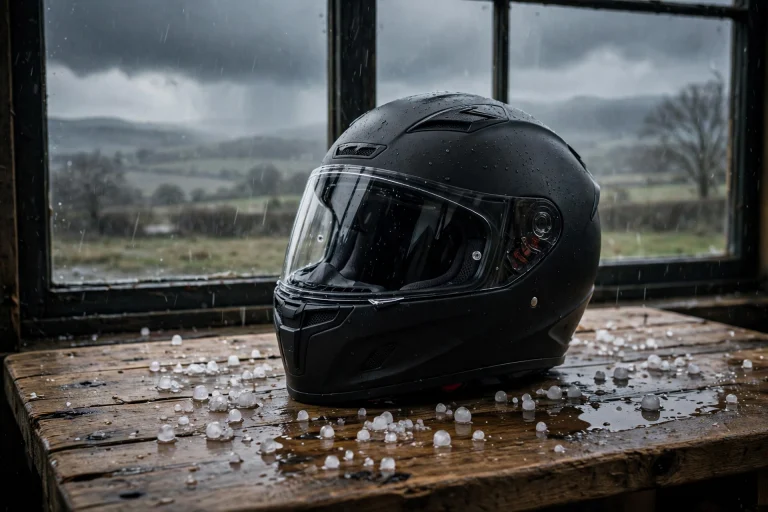
Yes, helmets do protect against sunburn — the shell shades the top of your head, ears, and part of your face from direct sun, though it does not cover everything. A helmet is not sunscreen, and it will not protect your whole face, but it does block a good share of the sun that would otherwise hit the skin it covers. For the skin it leaves exposed, you still need sunscreen.
This is a useful question for anyone who rides in sunny weather, because sunburn is easy to forget about when you are focused on the road. A helmet covers the scalp, which is one of the easiest places to burn and one of the hardest to notice until it is too late. This guide explains how much sun protection a helmet gives in general terms, where it falls short, and how to protect the rest of your skin.
How Much Sun Does a Helmet Block?
A helmet covers the top and sides of your head, which is the area that gets the most direct sun when you are upright and riding. The shell is solid, so no sunlight passes through it to the scalp underneath. That means the skin under the helmet is protected from sunburn as long as the helmet is on, which is a real benefit on a long sunny ride.
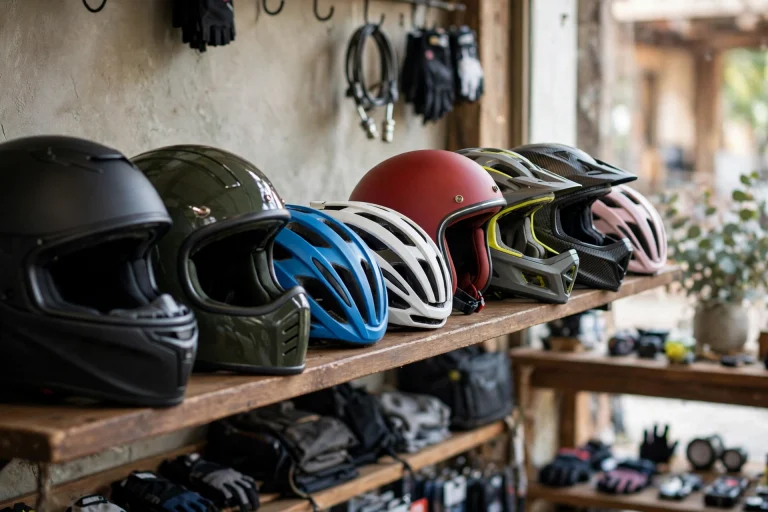
The amount of shade depends on the helmet’s shape. A full-face motorcycle helmet covers the whole head and much of the face, giving the most sun protection of any helmet type. A cycling helmet covers the top of the head but leaves the face and neck exposed, and its vents let in small patches of sunlight. A wide-brimmed helmet or one with a peak shades the face a little more, but no standard helmet covers the lower face or the neck fully.
It is worth remembering that the sun does not only come from above. Reflected light from the road, water, and light-coloured surfaces can reach the skin under the brim of a helmet, so the protection is good but not complete. That is why the parts of your head the helmet covers are safe, but the parts it does not cover need their own protection.
Which Parts of Your Head Still Need Protection?
Your face is the main area left exposed. The nose, cheeks, chin, and lips get direct sun while you ride, and they burn easily. A visor helps a little, especially a tinted one, because it shades the upper face, but it does not replace sunscreen. The ears and the back of the neck are also common sunburn spots for riders, because they sit just outside the helmet’s coverage and catch the sun from the side and behind.
Sunscreen is the answer for all of these areas. Apply a broad-spectrum sunscreen to your face, ears, and neck before you ride, and reapply it on long rides, especially if you are sweating. Sweat washes sunscreen away, and a helmet does nothing to stop that, so reapplying matters even though part of your head is covered.
Lip balm with sun protection is worth using too, because lips burn easily and are often forgotten. A thin balaclava or neck gaiter can also protect the neck and lower face, and it has the added benefit of keeping sun off skin that sunscreen may have missed.

Can You Get Sunburned Through a Helmet’s Vents?
In general terms, a little sun does reach the scalp through the vents of a cycling helmet, because the vents are open holes in the shell. The patches of skin under the vents get small amounts of direct sunlight, and on a very long ride in strong sun, those patches can redden. It is not common, and it is rarely severe, but it can happen.
The risk is higher if you have short hair or a shaved head, because there is less hair to shade the scalp under the vents. If you ride for hours in strong sun, a thin skull cap or bandana under the helmet solves the problem completely — it blocks the sunlight coming through the vents while still letting air flow.
Motorcycle helmets have fewer and smaller vents, so this is much less of an issue for motorcyclists. Their bigger sun problem is the face and neck, which the helmet does not cover, rather than the scalp under the vents.
Does a Helmet Replace Sunscreen?
No, a helmet is a partial shield, not a replacement for sunscreen. It protects the scalp and the top of the head well, but it leaves the face, ears, neck, and arms exposed. Anyone riding in the sun needs sunscreen on every bit of skin the helmet and clothing do not cover, and needs to reapply it during long rides.
It also helps to think about timing. The sun is strongest in the middle of the day, so rides early in the morning or later in the afternoon carry less sunburn risk. If you must ride at midday, take the sun seriously: sunscreen, a cap under the helmet, and a neck gaiter together give far better protection than a helmet alone. If you are learning about helmet design and comfort in different conditions, reading about what MIPS is for helmets can help you understand one of the technologies used in modern helmet design.
Clothing matters too. A long-sleeved jersey or jacket protects your arms, which get a lot of sun while riding. Light, breathable fabrics keep you cool while blocking the sun, and they are a better choice than bare arms on a long sunny ride.
Should You Worry About Sun Damage Under a Helmet?
In general terms, no — the skin under a helmet is well protected, and sunburn there is uncommon. The real worry is the skin the helmet does not cover, and that is easy to deal with. A routine of sunscreen before every sunny ride, reapplied as needed, covers the gaps the helmet leaves.
There is one more thing worth knowing: some helmet materials can degrade with long exposure to strong sunlight, so storing your helmet out of direct sun when you are not riding is good practice. Keep it in a cool, shaded place, and it will last longer and protect you better.
So enjoy the sun, wear your helmet, and put sunscreen on the rest. The helmet handles the top of your head; the sunscreen handles the rest.
Frequently Asked Questions
Q: Do helmets protect against sunburn?
A: Yes, partly. A helmet blocks direct sun from the scalp and the top of the head, but it leaves the face, ears, and neck exposed, so those areas still need sunscreen.
Q: Can you get sunburned through helmet vents?
A: A little sun can reach the scalp through the vents of a cycling helmet on a long ride in strong sun. A thin skull cap under the helmet blocks it completely.
Q: Does a helmet replace sunscreen?
A: No. A helmet is a partial shield, not a replacement for sunscreen. Apply sunscreen to every bit of skin the helmet and clothing do not cover, and reapply it on long rides.

Olivia
Writer at Helmet Today, covering helmet reviews, fit and riding safety.