No, helmets do not make you slower in any way that matters for most riders — a modern helmet adds very little weight and drag, and any tiny loss of speed is far outweighed by the protection it gives. The idea that a helmet slows you down comes from a time when helmets were heavy and bulky. Today’s helmets are light, streamlined, and designed with airflow in mind, so the effect on your speed is small.
That said, the question is worth asking properly, because helmets do add some weight and some wind resistance, and in competitive cycling those small differences can matter. This guide looks at how much a helmet really affects speed in general terms, where the effect comes from, and why it should not put anyone off wearing one.
How Much Weight Does a Helmet Add?
A modern cycling helmet is light, and a motorcycle helmet is heavier but still only a small fraction of the total weight of rider plus bike. For a cyclist, the helmet is a tiny share of the combined weight, and its effect on climbing speed is correspondingly tiny. For a motorcyclist, the helmet’s weight is even less significant next to the weight of the bike and the power of the engine.
Weight matters most when you are accelerating or climbing a hill, because you have to lift that weight with every pedal stroke or throttle twist. But the weight of a helmet is so small compared to the weight of your body and your bike that the difference it makes is hard to notice in everyday riding. A full water bottle often weighs more than a cycling helmet, and nobody worries that a water bottle makes them slower.
What you feel on your head is different from what the clock shows. A helmet can feel heavy after a long ride, especially if it fits badly or the straps pull, and that feeling of tiredness can make you feel slower even when you are not. A well-fitted, comfortable helmet feels lighter, and that comfort is worth more than a few grams saved.
Does a Helmet Create Wind Resistance?
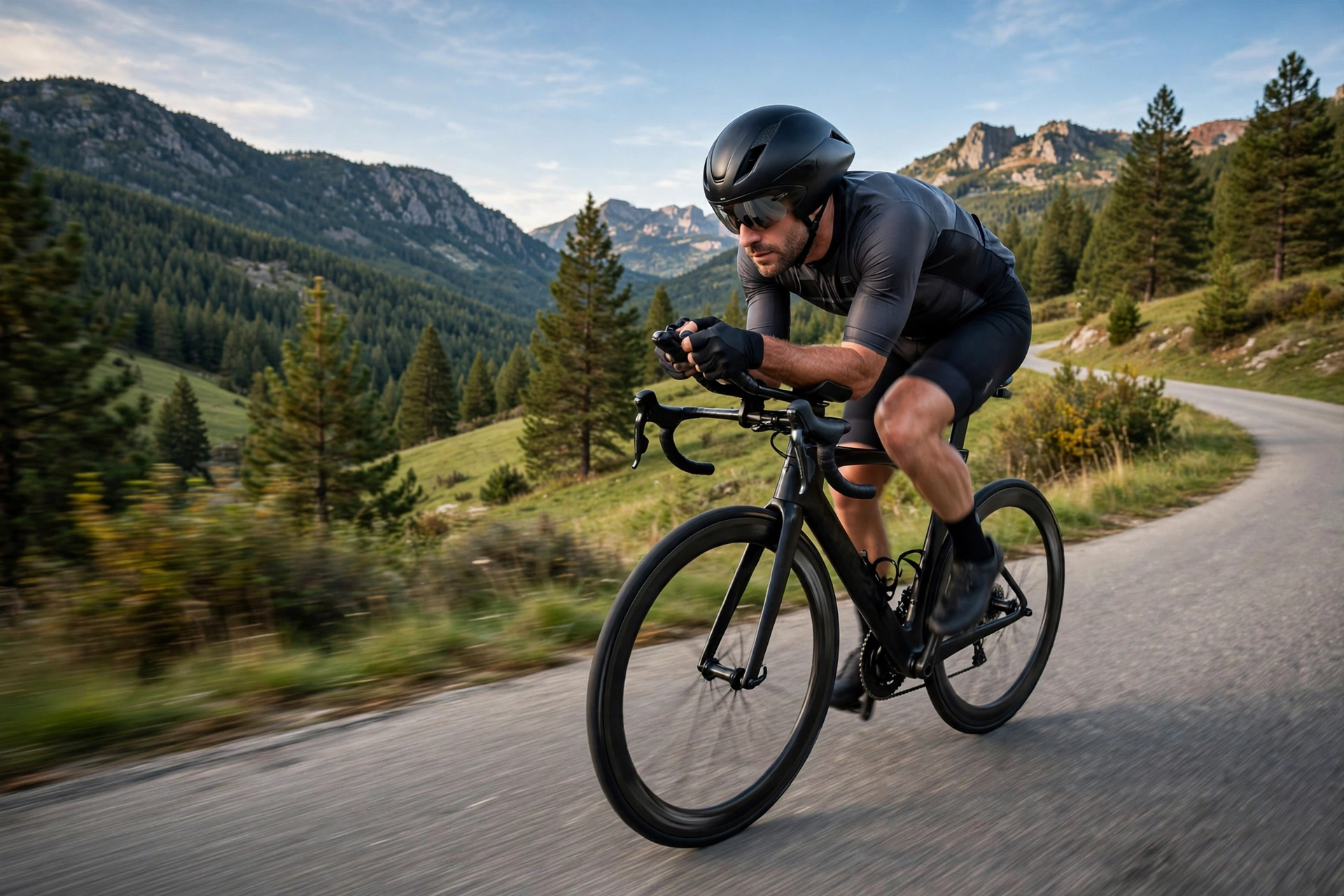
Yes, a helmet does create some drag, because anything on your head changes the shape of the air flowing around you. But helmet makers work hard to keep that drag low, and many modern helmets are shaped to guide air smoothly over and around them. Some time-trial helmets are even designed to be more aerodynamic than a bare head, with long tails that smooth the airflow behind the rider.
The drag from a helmet is small compared to the drag from the rest of your body. Your torso, arms, and legs present a much bigger surface to the wind than your head does, so your riding position matters far more for speed than your helmet. Tucking in, lowering your shoulders, and keeping your elbows close to your body will save far more time than taking your helmet off ever could.
Ventilation plays a part too. A helmet with large vents lets more air through, which can add a little drag, while a smooth helmet with fewer vents is slightly faster in the wind but warmer on your head. Most riders are better off with good ventilation and a tiny bit of drag than with a hot head and a tiny bit of speed.
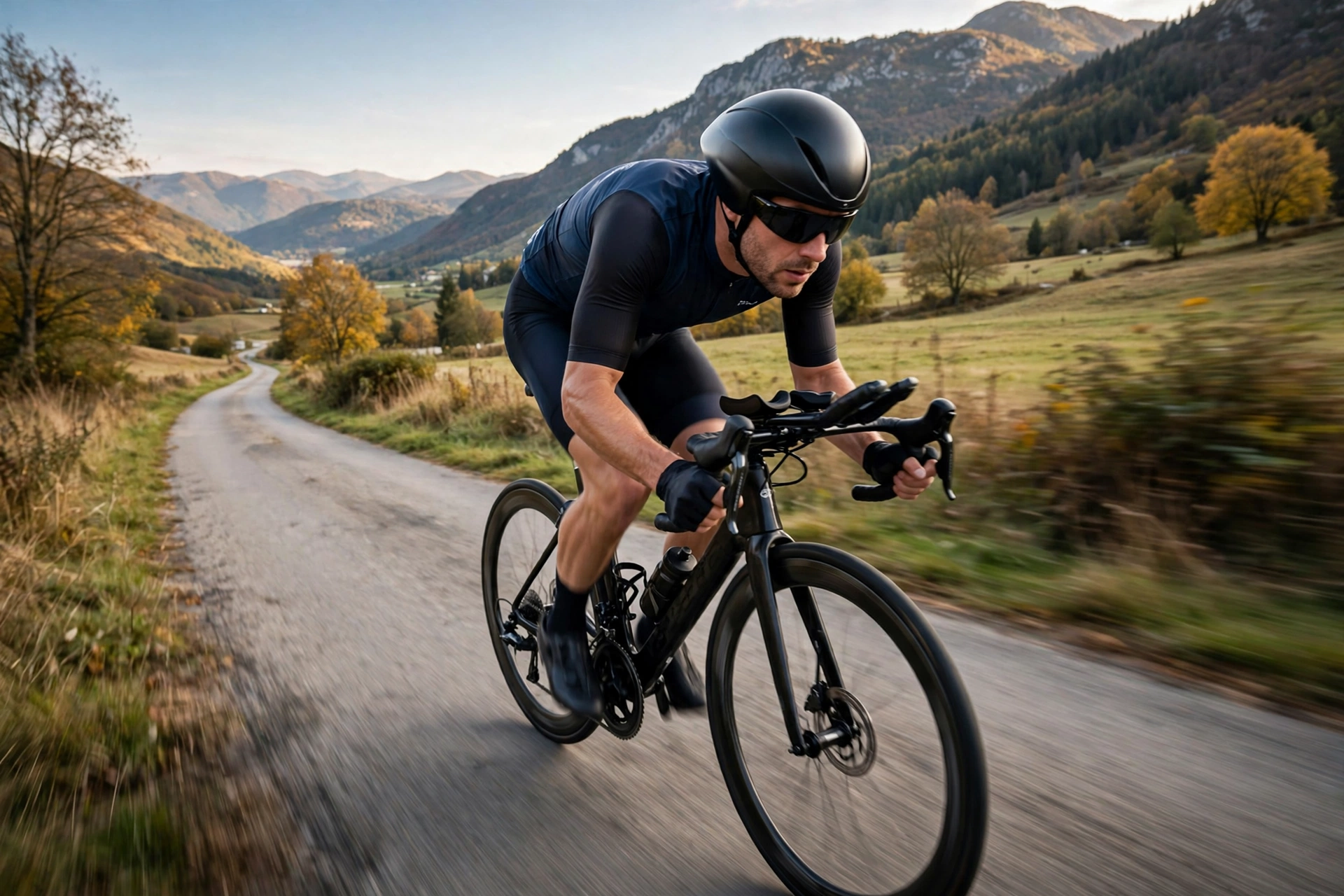
Do Helmets Slow Down Competitive Cyclists?
In competitive cycling, every small gain matters, and professional teams do test helmets in wind tunnels to find the fastest option. The differences between helmets are measured in seconds over long distances, and a poor choice can cost a rider time in a race decided by fractions of a second. That is a real effect, but it belongs to the world of elite racing, not everyday riding.
For an amateur rider, the difference a helmet makes to speed is far smaller than the difference made by fitness, riding position, tyre choice, and road conditions. A rider who trains regularly and rides in a good position will be faster with a helmet on than an unfit rider without one. The helmet is not the thing holding most riders back.
It is also worth remembering that in most organised races and sportives, wearing a helmet is required. The question of whether to wear one does not really arise — the choice is which helmet to wear, and the fastest helmet is the one that fits well, feels comfortable, and lets you ride at your best for the whole event.
What About Motorcyclists and Helmet Drag?
For motorcyclists, the engine does the work, so the weight of a helmet has almost no effect on speed. Wind resistance matters more at motorway speeds, and a helmet that catches the wind badly can be tiring on a long ride, pulling at your neck and making you work harder to hold your head steady. But that is a comfort and fatigue issue, not a speed issue — the bike will still reach the same speed.
Choosing a helmet with a good aerodynamic shape and a snug fit reduces wind noise and buffeting, which makes high-speed riding more comfortable. A visor that seals well also helps, because it stops air leaking in and creating drag around your face. If you are learning about how helmet design balances protection and comfort, reading about what MIPS is for helmets can help you understand one of the technologies used in modern helmet design.
Some riders worry that a helmet makes them slower to react, because it limits what they can hear or see. A well-fitted helmet with a clear visor should not restrict your field of vision, and while it does muffle wind noise, it also cuts the roar that can be distracting. In general terms, a good helmet helps you ride better, not worse.
Is the Speed Question a Reason to Skip a Helmet?
No. Even if a helmet did cost you a few seconds over a long ride, that trade is not worth making. A helmet protects your head in a crash, and no amount of saved time is worth the risk of a serious head injury. The speed difference is tiny, the protection difference is enormous, and that is the end of the argument in general terms.
It helps to think about what actually makes you fast. Fitness, skill, a good riding position, and a well-maintained bike all matter far more than the helmet on your head. Spend your effort on those, and let the helmet do its job quietly in the background. The fastest rider is usually the one who trains well, rides smart, and stays safe enough to keep riding.
So wear the helmet, choose one that fits well and feels comfortable, and forget about the clock. The helmet is not slowing you down — it is keeping you in the saddle for the next ride.
Frequently Asked Questions
Q: Do helmets make you slower?
A: In general terms, no, not in any way that matters for most riders. A modern helmet adds very little weight and drag, and the effect on speed is tiny compared to fitness, position, and road conditions.
Q: Are aerodynamic helmets faster than normal helmets?
A: Slightly, in wind tunnel tests, and the difference can matter in elite racing. For everyday riding, comfort and fit matter far more than the small aerodynamic gain.
Q: Does a heavy helmet make you tired?
A: A badly fitting helmet can feel heavy and tiring on a long ride. A well-fitted, comfortable helmet feels much lighter, so fit matters more than the weight on the label.

Olivia
Writer at Helmet Today, covering helmet reviews, fit and riding safety.