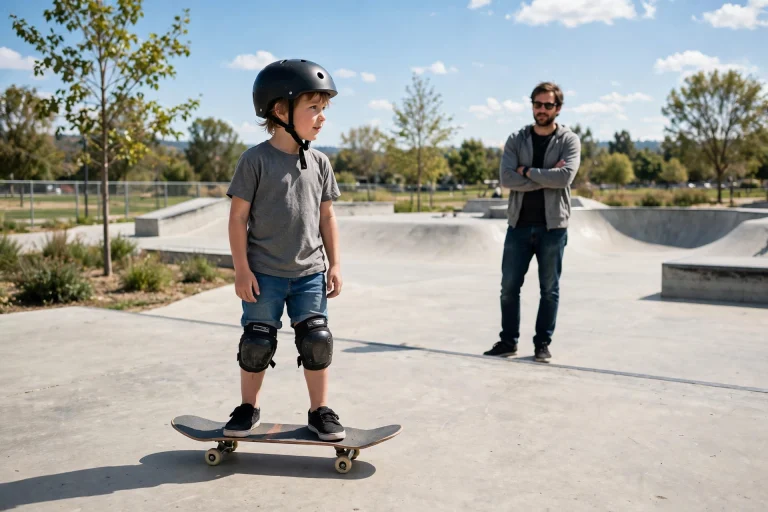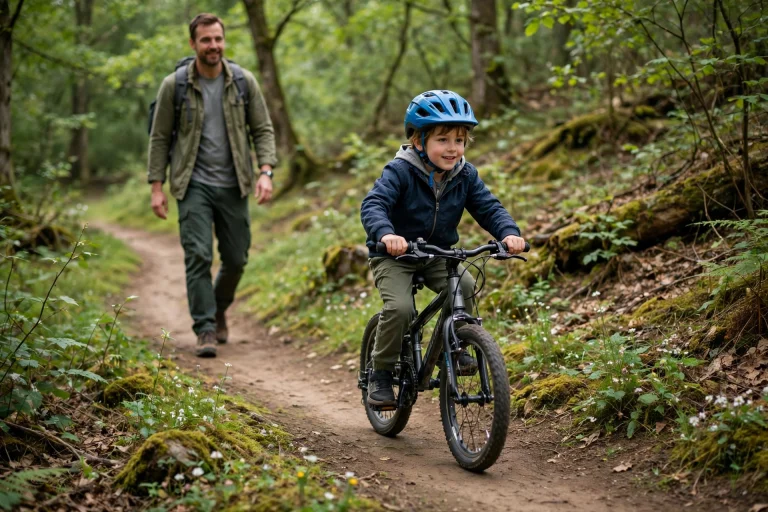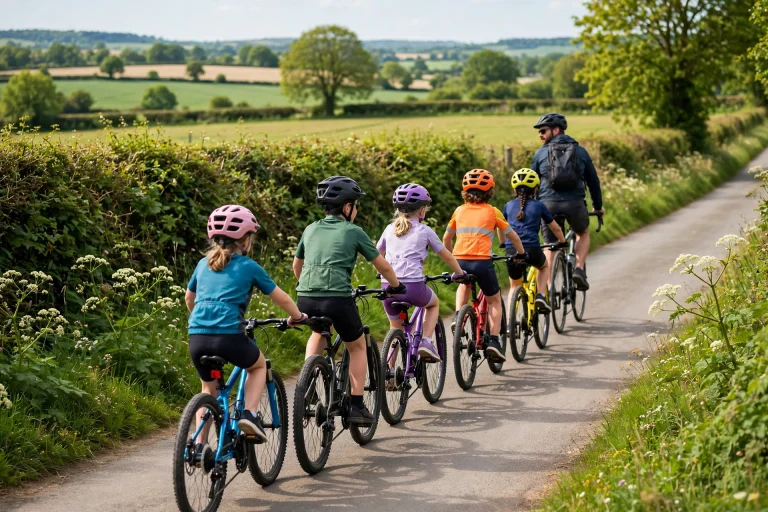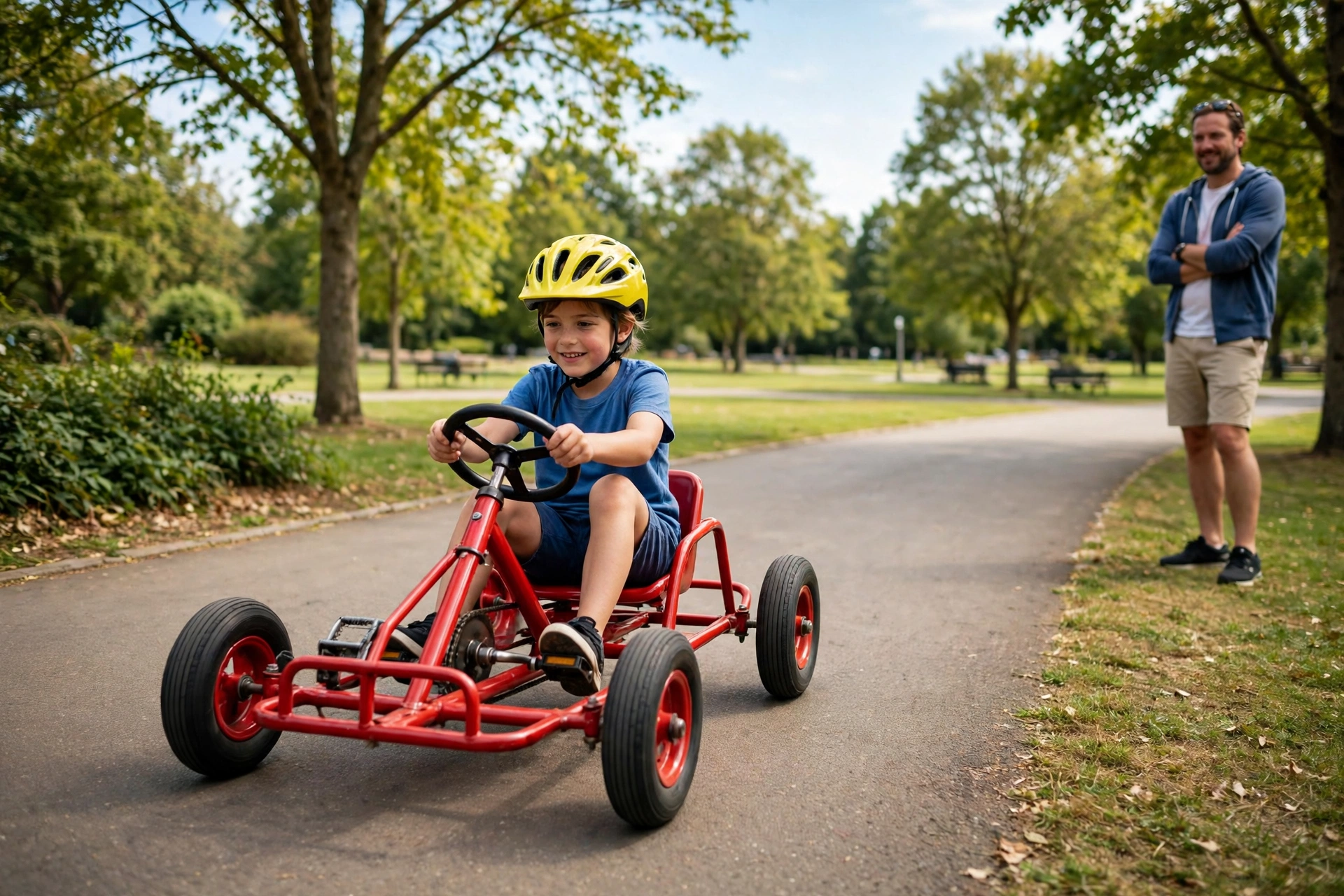
A kids helmet for pedal go-karts is a well-fitting helmet that protects a young driver’s head while they ride a pedal-powered go-kart, and it should fit snugly, sit level, and always be worn with adult supervision on a safe, traffic-free surface. Pedal go-karts are fun, fast, and low to the ground, and children can pick up surprising speed on a slope or a smooth track. In general terms, a helmet is essential for go-karting, because a child can tip over on a corner, hit a bump, or come off the kart — and a helmet is the most important piece of protective gear they wear.
Pedal go-karts are popular in gardens, parks, and on holiday sites, and they teach children steering, pedalling, and braking in a way that feels like real driving. But they are still moving vehicles, and young drivers are still learning. A helmet cannot guarantee safety, and it does not replace adult supervision, a safe driving area, and a go-kart that is in good working order. This guide explains what kind of helmet suits pedal go-karting, how to fit it, and how to keep karting safe and fun.
What Kind of Helmet Suits Pedal Go-Karting?
For pedal go-karting, a children’s cycling helmet or a skate-style helmet is often suitable, depending on the kart, the speed, and the rules of the place where the child rides. The helmet should be light, comfortable, and shaped to cover the top, sides, and back of the head. Look for a smooth outer shell, soft inner padding, and plenty of ventilation, because karting is energetic work and a hot head makes a child uncomfortable.
Check the manufacturer’s guidance and the rules of the venue or the kart maker before choosing, because some organised karting sessions may require a particular type of helmet. In general terms, the helmet should match the child’s head size, not just their age, and it should stay firmly in place when the child shakes their head or turns quickly. A helmet that slides around will not protect properly and will distract the driver.
How Should a Pedal Go-Kart Helmet Fit?
Measure your child’s head with a soft tape around the widest part, just above the eyebrows and ears, and compare the result with the maker’s size chart. The helmet should sit level on the head, about two fingers’ width above the eyebrows, covering the forehead without sliding down over the eyes. It should feel snug all the way around without pressing hard in one place.
The straps need checking too. The side straps should meet in a V shape just below each ear, and the chin strap should be snug enough for only one or two fingers between the strap and the chin. The buckle should close firmly and stay closed. When you push the helmet gently from the front, back, and sides, it should move the skin of the forehead rather than sliding freely. An adult should check the fit before every ride, because straps loosen and children grow. Never buy a helmet to grow into.
If you are learning about how helmets handle different kinds of impact, reading about what MIPS is for helmets can help you understand one of the technologies used in modern helmet design.
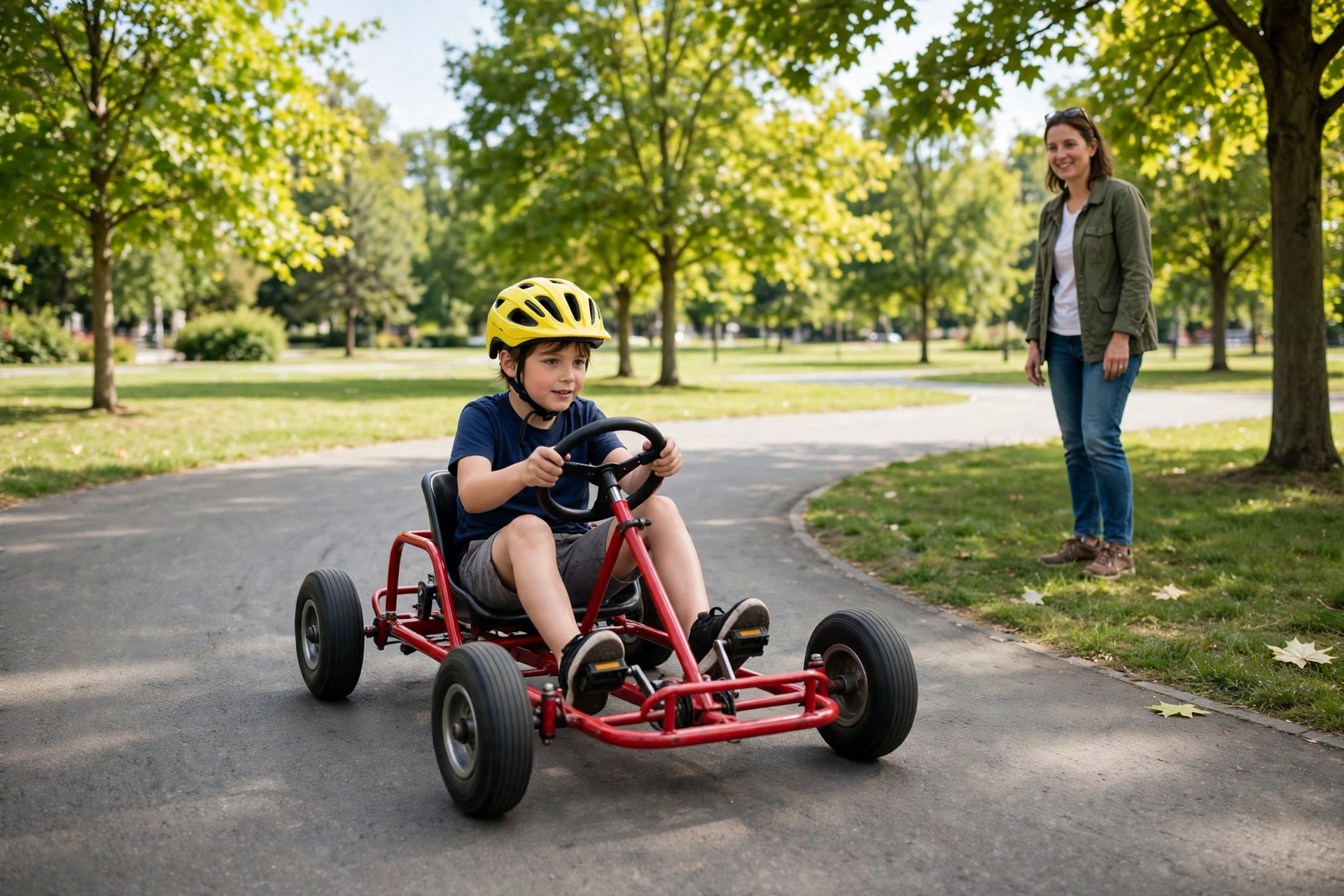
Where Is It Safe to Drive a Pedal Go-Kart?
Pedal go-karts should only be used on safe, traffic-free surfaces with adult supervision. A flat garden, a quiet park path, a closed playground, or an organised karting track is suitable, while public roads, steep hills, and areas with pedestrians or other vehicles are not. The surface should be smooth and clear of obstacles, loose gravel, and wet patches, which can make the kart skid or tip.
Adults should check the area first, set clear rules about where to drive and where to stop, and watch at all times. Children should drive one at a time on narrow paths, keep a safe distance from each other, and slow down for corners. A first-aid kit and a phone should be nearby. Before the first drive, check the kart: the steering should work smoothly, the brakes should stop the kart properly, the pedals should turn freely, and the tyres should be firm.
- Surface: smooth, flat, traffic-free, and clear of obstacles.
- Supervision: an adult watching at all times, with a phone nearby.
- Kart check: steering, brakes, pedals, and tyres all working properly.
- Rules: agreed driving area, speed, and stopping points before driving.
- Spacing: one kart at a time on narrow paths, safe distances kept.
How Do You Keep Pedal Go-Karting Fun and Safe?
Start slowly and build up. Let your child learn how the kart steers and brakes on a flat surface before trying faster driving or gentle slopes, and teach them to brake early and to look where they want to go. Praise good control and careful driving rather than speed, and remind them that the best drivers are the ones who stay in control and look after the kart and the people around them.
Keep sessions short, especially at first. Young drivers tire quickly, and a tired driver makes more mistakes. Take breaks, drink water, and stop while the fun is still high. In general terms, a short session that ends with a smiling child is better than a long one that ends in a bump or a fright.
After karting, check the helmet for damage and wipe it clean, and check the kart too, especially the brakes and steering. Store the helmet somewhere cool and dry, away from strong sunlight, so it stays in good condition for the next drive.
When Should a Pedal Go-Kart Helmet Be Replaced?
In general terms, replace the helmet when your child outgrows it, when it has been involved in a crash or a hard knock, or when it shows signs of damage such as cracks, loose straps, or padding that has gone soft or compressed. Follow the manufacturer’s guidance on replacement, and check the fit regularly, because children grow fast and a helmet that fitted last month may be tight today.
Also replace the helmet if it has been dropped hard onto a hard surface, even if there is no visible crack, because damage inside may not be obvious from the outside. Never use a second-hand helmet unless you know its full history. If you are unsure about the condition of a helmet, replace it — a helmet is a protective item, and its condition matters more than its cost.
Frequently Asked Questions
Q: Does my child need a helmet for a pedal go-kart?
A: Yes. A child on a pedal go-kart can tip over on a corner, hit a bump, or come off the kart, so a well-fitting helmet should be worn on every drive, with adult supervision and a safe, traffic-free area.
Q: What type of helmet is best for pedal go-karting?
A: In general terms, a children’s cycling helmet or a skate-style helmet is often suitable, depending on the kart and the venue’s rules. Check the manufacturer’s guidance and the venue’s rules, and choose a helmet that fits snugly and stays in place.
Q: Can my child drive a pedal go-kart on the pavement or road?
A: No, in general terms. Pedal go-karts should be used on safe, traffic-free surfaces such as a garden, a park path, or a closed track, and never on public roads or pavements shared with traffic and pedestrians.

Olivia
Writer at Helmet Today, covering helmet reviews, fit and riding safety.