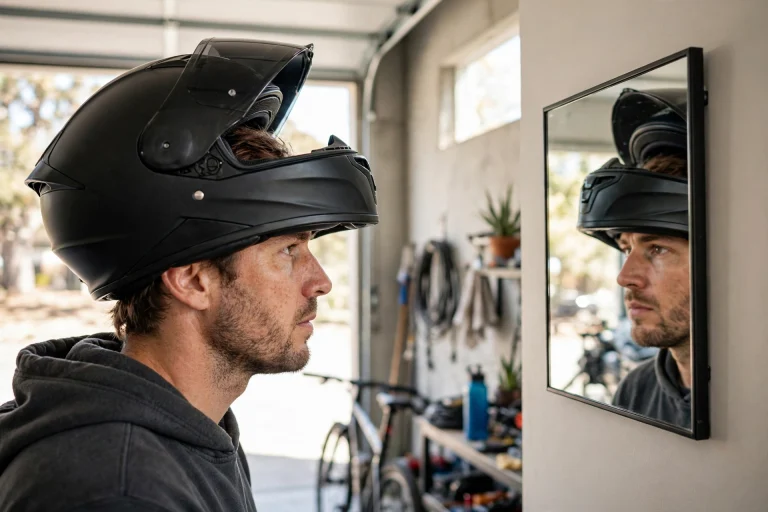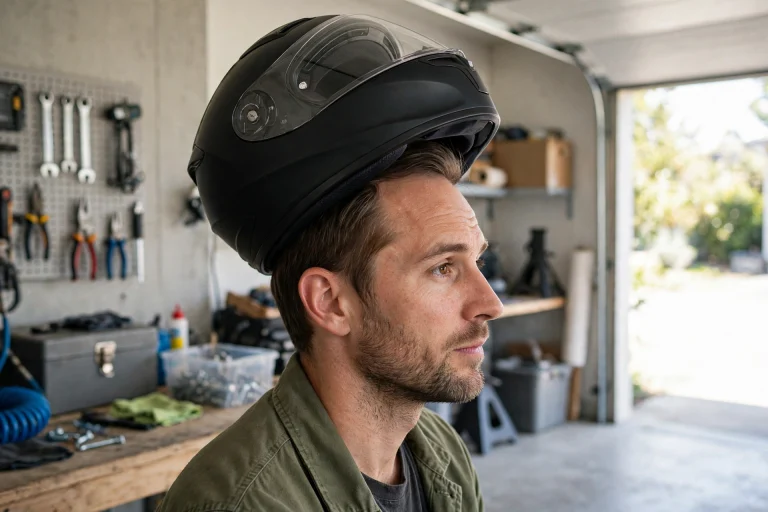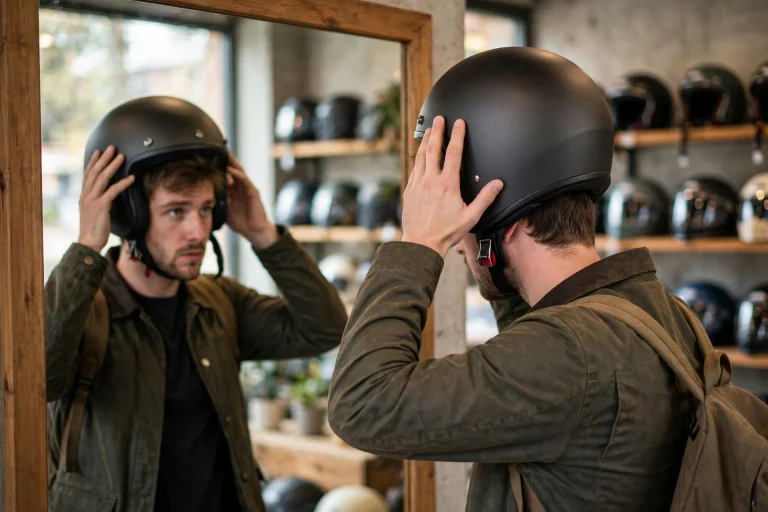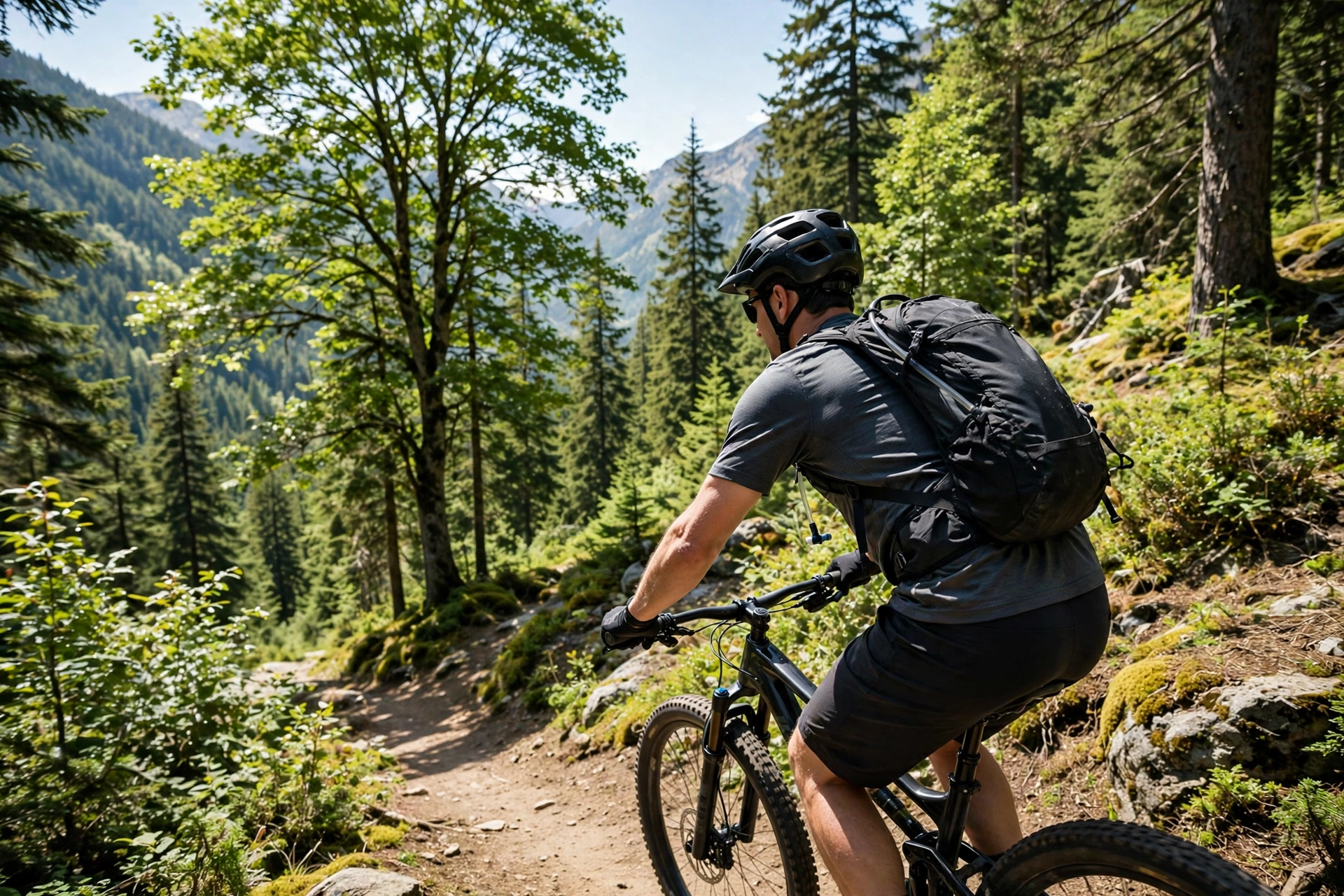
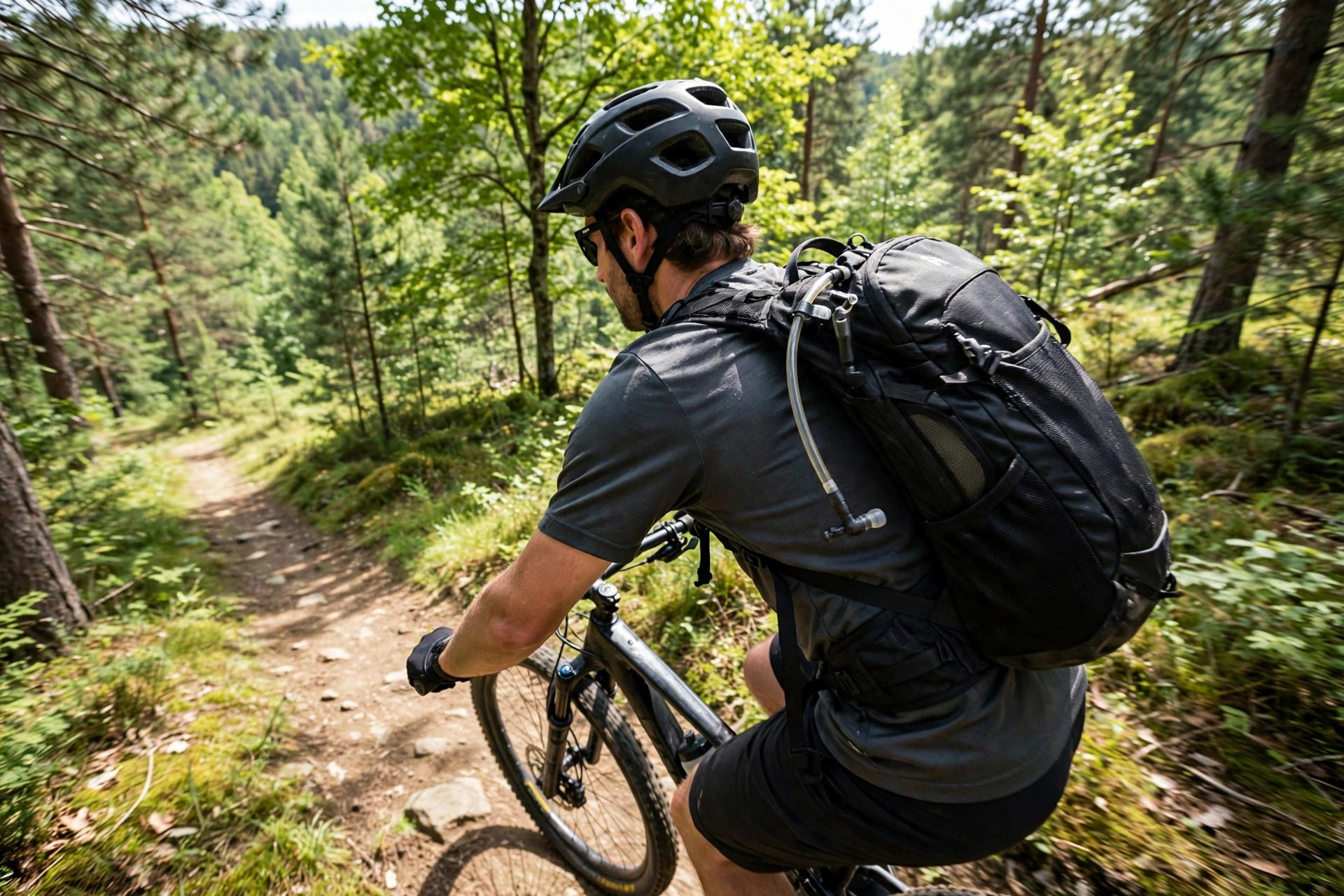
In general terms, a helmet and a hydration pack fit together well when the helmet sits level on the head and the pack sits flat against the back, with the pack’s shoulder straps and chest strap adjusted so the pack does not push the helmet forward or lift it at the back. A hydration pack adds bulk and straps around the shoulders and neck, and if it sits too high or its straps are too tight, it can meet the helmet and change how the helmet sits. The fix is usually a lower pack position and a careful fit check with the pack on.
Many riders wear a hydration pack on long rides, trail days, and hot-weather outings, and many never check how it works with their helmet. The result can be a helmet that presses on the pack when the rider looks down, straps that rub the neck, or a drinking tube that gets in the way. This guide explains how a hydration pack changes the fit, how to adjust the two together, and how to keep drinking comfortably on the move.
How Does a Hydration Pack Change the Way a Helmet Fits?
A hydration pack sits on the back, held by shoulder straps that run over the shoulders and close to the neck. When the pack is full, it is heavier and sits slightly lower, but when it is nearly empty it can ride up, and its top edge can meet the lower rear edge of the helmet. That meeting point is where most fit problems happen, and it is why the fit should be checked with the pack filled as it will be on the ride.
The shoulder straps can also change how the helmet feels. Straps that sit too close to the neck can press against the lower edge of the helmet or rub the skin under the chin strap, and a chest strap fastened too high can pull the shoulder straps up into the helmet. In general terms, the pack should sit flat against the back and low enough that its top edge stays clear of the helmet through the normal range of head movement.
How Should You Adjust a Hydration Pack to Wear with a Helmet?
Put the pack on first, fill the bladder as you will for the ride, and settle the pack low on your back so that it sits flat and its top edge is well below the helmet. Tighten the shoulder straps until the pack feels stable, then fasten the chest strap across the middle of the chest rather than high up near the neck, because a high chest strap pulls the shoulder straps up towards the helmet.
Then put the helmet on and check the fit as usual: level on the head, front edge about two fingers’ width above the eyebrows, and steady when you shake your head gently. Look down, look up, and turn your head left and right, and check that the helmet does not press on the pack or catch on the shoulder straps at any point. Lean forward into your riding position and repeat the check, since that is when the pack and the helmet are closest.
What Should You Look for When Choosing a Hydration Pack?
Choose a pack in the right size for the length of your rides. A small pack with a modest bladder is enough for a short ride and will sit lower and lighter on the back, while a large pack for a full day out will be heavier and needs better straps to stay in place. A pack that is too big for the ride will bounce and shift, and a shifting pack is more likely to meet the helmet.
Look for a pack with a stable fit: wide, padded shoulder straps, a chest strap that adjusts easily, and a waist strap if the pack is large. A pack that hugs the body and does not bounce will stay low on the back and clear of the helmet. Some packs are shaped with a lower profile at the top, which leaves more room for the helmet, and that shape is worth looking for if you ride in a tucked position.
Check the drinking tube and the bite valve before you buy. The tube should be long enough to reach your mouth comfortably while you are wearing a helmet, and the valve should be easy to open and close with gloves on. If you want to understand how some helmets handle the twisting forces that can happen in a fall, reading about what MIPS is for helmets can help you decide whether that feature is worth looking for, but the fit of the helmet and the pack together should come first.
What Problems Can Happen When a Pack and a Helmet Do Not Fit Together?
The most common problem is the pack riding up and pressing on the back of the helmet when the rider looks down. This can push the helmet forward over the eyes or lift it at the back, and it can be uncomfortable over a long ride. The fix is usually to lower the pack, loosen the shoulder straps slightly, or tighten the waist strap so the pack stays low on the back.
Another problem is the shoulder straps rubbing the neck or catching on the helmet straps. This often happens when the chest strap is fastened too high, pulling the shoulder straps up towards the helmet. Lowering the chest strap to the middle of the chest usually fixes it. In general terms, the straps should sit flat on the shoulders and chest, well clear of the helmet and the chin strap.
How Do You Keep the Combination Comfortable on Long Rides?
Check the combination before every long ride, with the pack filled as it will be on the day. A full bladder changes the weight and the position of the pack, so a fit check done with an empty pack may not hold once the pack is full. Put the pack on first, then the helmet, and run through the full check: level helmet, clear gap at the back, free head movement, and a drinking tube that reaches comfortably.
Frequently Asked Questions
Q: Will a hydration pack push my helmet out of place?
A: It can, if the pack sits too high or its straps are too tight, but a well-adjusted pack should stay clear of the helmet. Settle the pack low on your back, keep the chest strap at mid-chest, and check the fit with the pack filled as it will be on the ride.
Q: Should I check the helmet fit with the hydration pack on?
A: Yes. Always fit the helmet with the pack on, filled as it will be for the ride, and check the fit in your normal riding position. A fit checked without the pack may change once the pack is on.
Q: How do I drink from a hydration pack while wearing a helmet?
A: Use the clip or magnetic holder on the shoulder strap to keep the tube in place, with the bite valve within easy reach of your mouth. Take a sip on a straight, quiet stretch, and check before you set off that the tube reaches comfortably without pulling on the helmet or the straps.

Olivia
Writer at Helmet Today, covering helmet reviews, fit and riding safety.