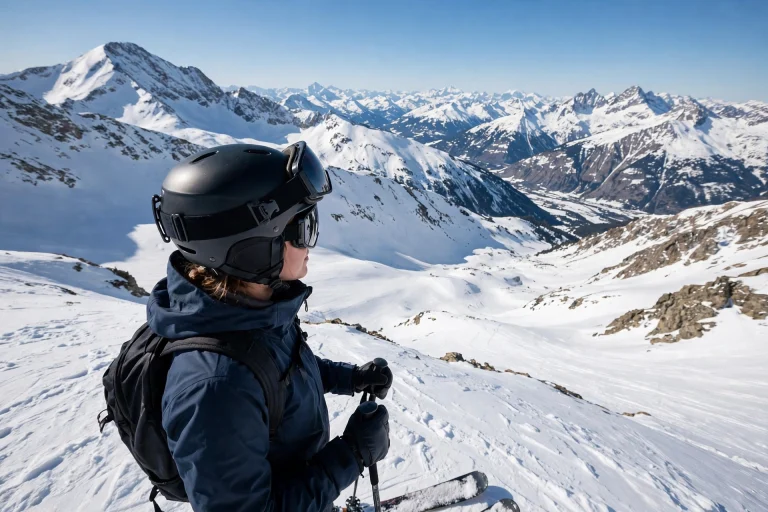
A helmet with a built-in Bluetooth speaker is a helmet that has speakers fitted into the shell or ear area, letting the rider hear music, directions, or phone calls without wearing earphones. In general terms, the speakers connect wirelessly to a phone, and the sound plays close to the ears while leaving them open to the sounds around the rider. It is a feature aimed at cyclists, motorcyclists, skiers, and other riders who want audio on the move.
How Does a Bluetooth Speaker Helmet Work?
A Bluetooth speaker helmet works by pairing with a phone or another device over Bluetooth, the same wireless connection used by earphones and car speakers. The phone sends music, a podcast, a navigation voice, or a phone call to the helmet, and the built-in speakers play it near the rider’s ears. The controls are usually buttons on the helmet or a small remote on the handlebars, so the rider can change the volume or skip a track without reaching for the phone.
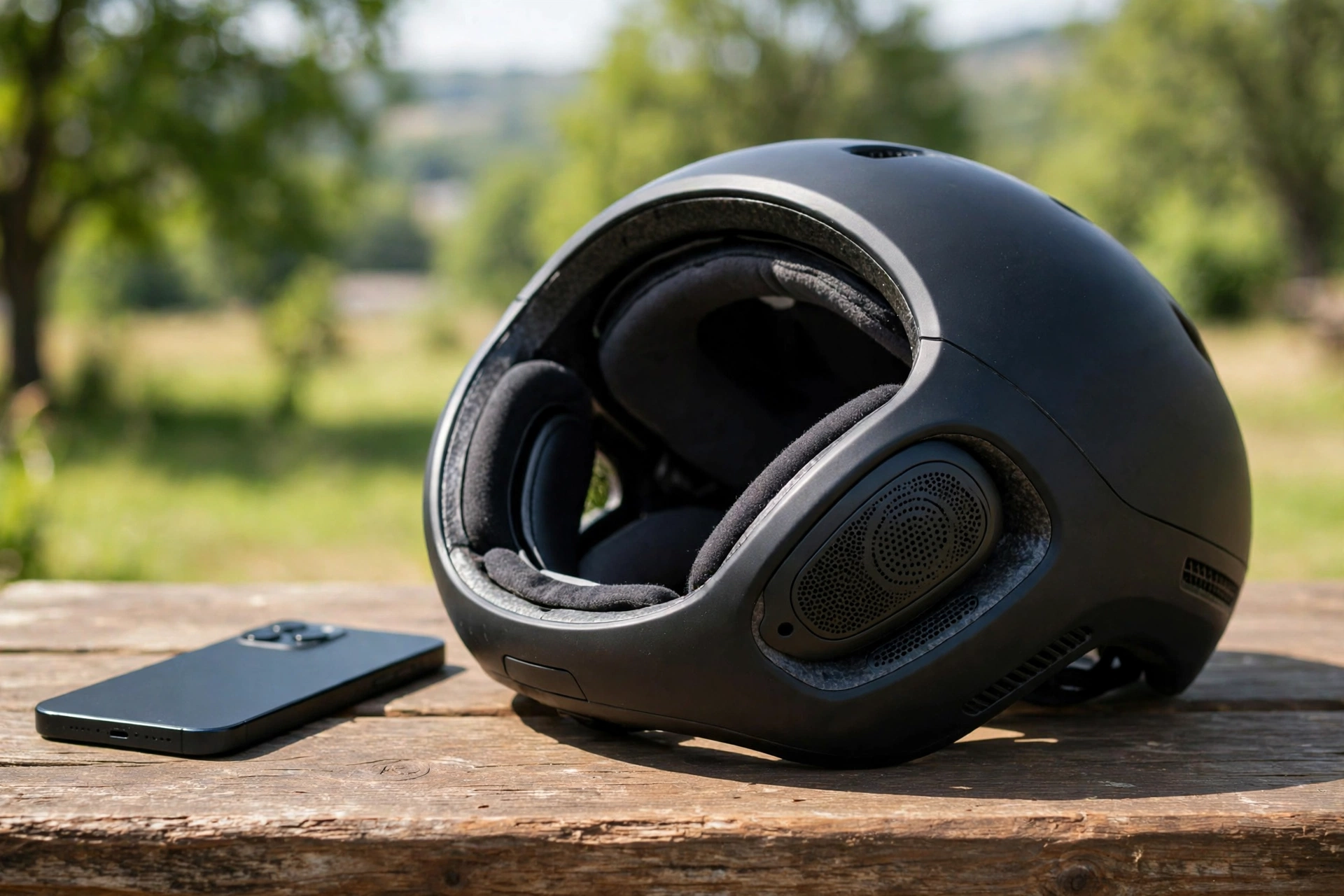
The speakers are built into the helmet’s ear area or into pockets in the liner, and they are powered by a small rechargeable battery. Some helmets also have a microphone, so the rider can take a phone call or talk to a voice assistant. In general terms, the system is designed to be used hands-free, so the rider can keep both hands on the bars and both eyes on the road.
Why Would a Rider Want Speakers Built Into a Helmet?
The most common reason is convenience. A rider who wants to listen to music or follow spoken directions does not need to fit earphones under a helmet, which can be uncomfortable and can fall out. Built-in speakers sit in the right place every time, and they do not press against the ears the way earphones can. They also mean there is nothing to plug in or to lose.
Another reason is awareness. Because the speakers sit near the ears rather than inside them, the rider can still hear traffic, other riders, and warning sounds. This matters on the road, where hearing a car approaching from behind is part of staying safe. If you want to understand one of the safety technologies used in modern helmets, reading about MIPS is a good place to start, though that is about impact protection rather than audio.
Does a Bluetooth Speaker Make a Helmet Less Safe?
A speaker does not make a helmet protect the head better, and it can make it worse if it is fitted badly. The key question is whether the speakers and battery were built into the helmet by the maker, in a helmet that was tested and certified with the speakers in place. A helmet designed this way should be fine, because the maker has checked that the speakers do not weaken the shell or liner.
A speaker system added afterwards, by cutting into the shell or liner to make room, could damage the helmet and should be avoided. It can also change the fit, which matters because a helmet that does not sit properly will not protect as well. In general terms, the safest choice is a helmet that was designed with speakers built in from the start, and certified as a complete helmet.
What Are the Downsides of a Bluetooth Speaker Helmet?
The main downsides are battery life, weight, and distraction. The speakers need power, so the helmet has a battery that must be charged, and the sound will stop when the battery runs out. The speakers and battery also add a little weight, which can matter on a long ride. And even with the ears open, music or a phone call can distract a rider from the road.
Sound quality is another trade-off. Small speakers in a helmet cannot match the sound of good earphones, and wind noise at speed can make music hard to hear. Some riders also find that the speakers press on their ears or change the fit of the helmet. In general terms, a speaker helmet is a compromise between convenience and sound quality, and it suits riders who value the first more than the second.
How Do You Choose a Helmet With a Built-In Bluetooth Speaker?
When choosing a helmet with a built-in Bluetooth speaker, check first that the helmet itself is a good helmet: it should be certified to the right standard for the activity, fit well, and feel comfortable. The speakers should be a bonus on top of a solid helmet, not a reason to buy a helmet that does not fit or is not certified.
Then look at the audio side. Check how long the battery lasts, how the helmet is charged, how loud the speakers go, and whether the controls are easy to use with gloves on. Try the helmet on with the speakers in place, and if possible listen to them before buying. In general terms, a speaker helmet is worth it when the helmet is good, the sound is clear enough at riding speed, and the battery lasts long enough for your rides.
Is It Legal to Listen to Music Through a Helmet Speaker?
The rules on listening to music while riding vary by country and by activity, so riders should check the local law where they ride. Some places restrict the use of earphones while cycling or driving, and a helmet speaker may or may not count as an earphone under those rules. In general terms, a speaker that leaves the ears open is often treated differently from earphones that block the ear, but that is not a guarantee.
Even where it is legal, it is sensible to keep the volume low enough to hear traffic and other warning sounds. A rider who cannot hear a car horn or a shouted warning is less safe, whatever the law says. The best approach is to check the local rules and to use the speakers at a volume that still lets the sounds of the road through.
What is a helmet with a built-in Bluetooth speaker?
It is a helmet with speakers fitted into the shell or ear area, which play music, directions, or calls from a phone over a wireless Bluetooth connection, without earphones.
Can I still hear traffic with a Bluetooth speaker helmet?
In general terms, yes, because the speakers sit near the ears rather than inside them, so traffic and warning sounds can still be heard. Keeping the volume low helps.
Do Bluetooth speaker helmets need charging?
Yes, the speakers run on a battery that must be charged, and the sound stops when the battery runs out. Check the battery life before you buy.

Olivia
Writer at Helmet Today, covering helmet reviews, fit and riding safety.