A kids helmet for a first snow day is a warm, well-fitting snow helmet that protects a young child’s head while they play, slide, and learn in the snow. It should sit level on the head, cover the forehead, and stay snug without sliding around, even over a thin hat or balaclava. For a first snow day, comfort matters as much as protection, because a child who feels warm and free to move will enjoy the snow far more than one who is cold, pinched, or distracted by an awkward helmet.
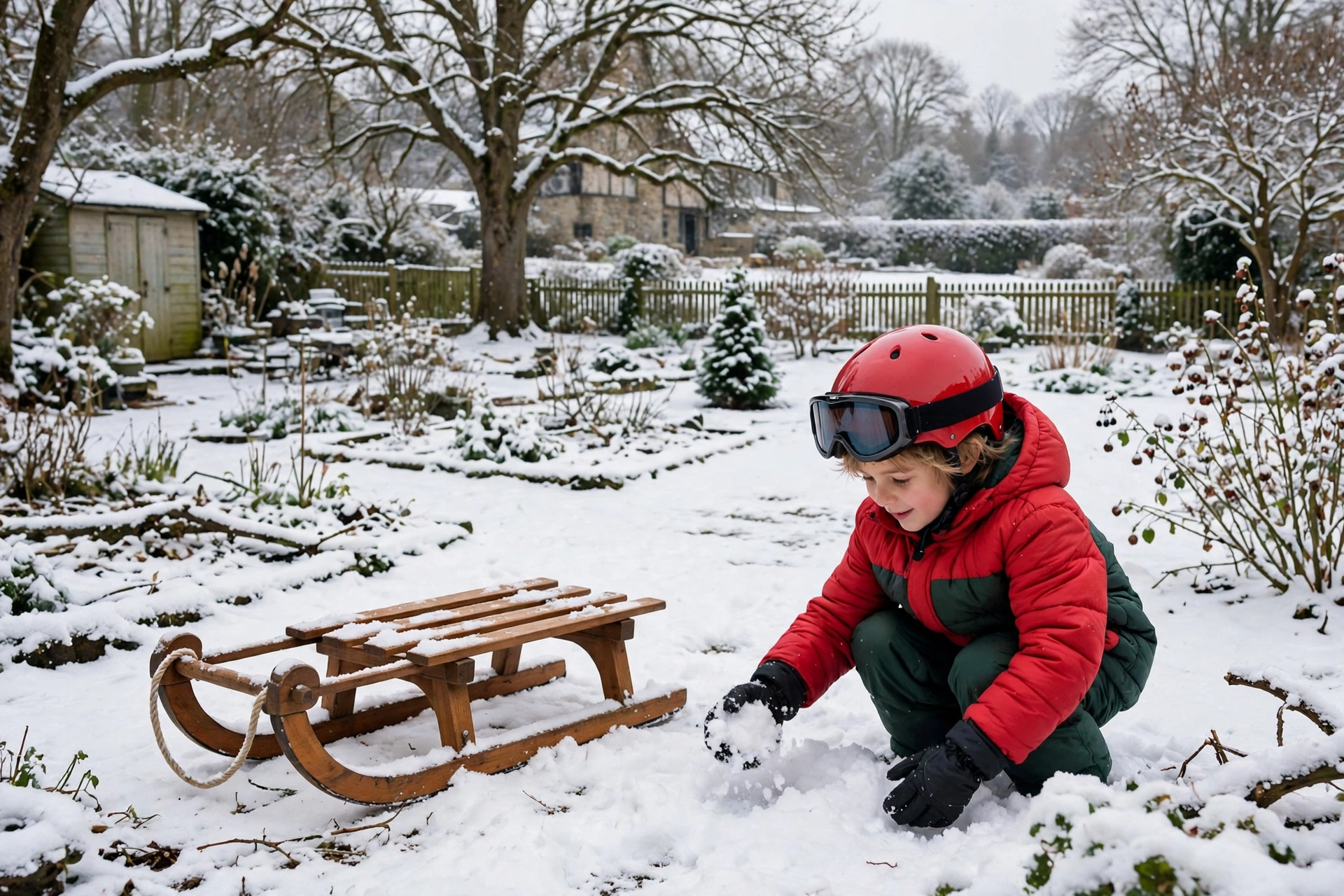
A first snow day is usually about gentle play rather than fast skiing or boarding. Children build snowmen, roll in soft snow, try a small sledge, and fall over often. A good snow helmet for a young child is light, warm, and simple to put on, with soft ear pads and a chin strap that a parent can adjust with gloves on. In general terms, a helmet made for snow sports is the right choice for sledging and snow play, while a bike helmet is not, because it is not made for cold weather or for the kind of soft, tumbling falls that happen in snow.
What makes a helmet right for a first snow day?
The best helmet for a first snow day is light and warm. Snow helmets have soft ear pads that cover the ears, vents that can be closed on a cold day, and a smooth shell that sheds snow. The helmet should feel comfortable the moment it goes on, with no hard edges pressing on the head. If a child keeps pulling at the helmet, something is wrong with the fit or the padding.
Size matters more than looks. Measure around the child’s head just above the eyebrows and ears, and choose the size that matches that measurement. A helmet that is too big will slide down over the eyes or tip back, while one that is too small will squeeze and give a headache. Many kids snow helmets have a simple dial or pads that let a parent fine-tune the fit at home.
How should a kids snow helmet fit?
A good fit starts with the helmet sitting level on the head, about two finger-widths above the eyebrows. The chin strap should be snug enough that only one or two fingers fit underneath, and the helmet should not move more than a small amount when the child shakes their head gently. Ask the child to nod and turn their head: the helmet should move with the head, not slide around on its own.
Check the fit with the layers the child will actually wear. If they will wear a thin balaclava under the helmet, fit the helmet over it, not over bare hair. A thick woolly hat under a helmet usually makes the fit worse, because the helmet sits too high and slides. A thin, smooth layer is a better choice, and the ear pads already provide warmth.
- The helmet sits level, not tipped back or forwards.
- The forehead is covered, with only a small gap above the eyebrows.
- The chin strap is snug but not digging in.
- The child can hear, see, and turn their head easily.
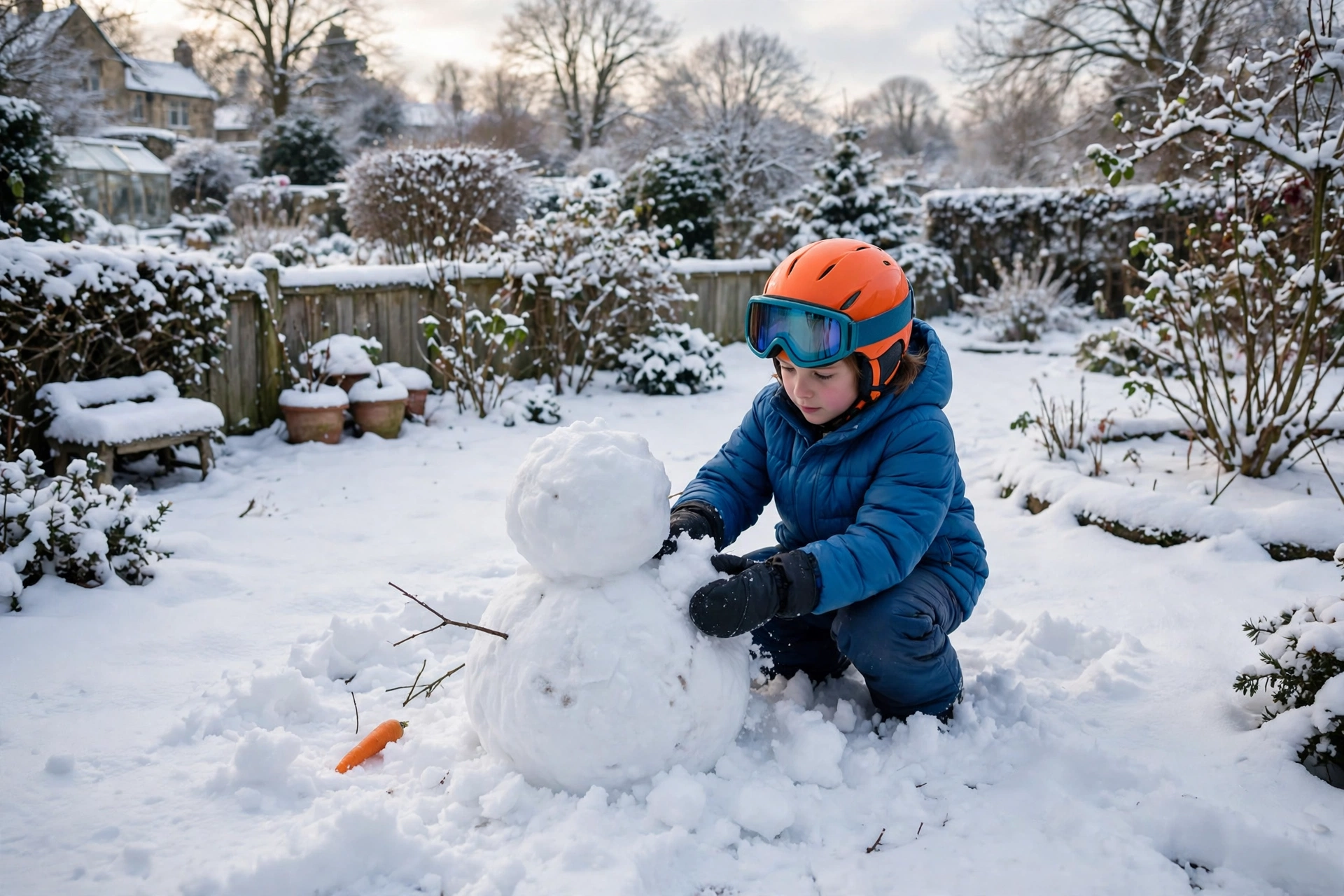
What should a child wear with a snow helmet?
Warm layers under the helmet matter on a first snow day. A thin balaclava or neck warmer keeps the neck and chin warm without changing the fit, and it stops snow from slipping down the back of the neck. Goggles keep wind and snow out of the eyes, and they work best when they fit the helmet properly, with no gap at the forehead.
Gloves, a warm jacket, and waterproof trousers complete the picture. Children fall over a lot on a first snow day, so waterproof layers keep them dry and happy for longer. Wet, cold children get miserable quickly, and a miserable child will not want to keep the helmet on.
How do you help a child enjoy their first snow day safely?
Start slowly and keep it fun. Let the child walk in the snow, make footprints, and get used to the cold before trying a sledge or a gentle slope. A first snow day should feel like play, not a lesson. Stay close, hold their hand on slippery ground, and let them set the pace.
Choose a safe spot for sledging. Pick a gentle slope with a clear, flat run-out at the bottom and no trees, fences, or roads in the way. Check the slope yourself first, and sledge with the child or watch from the bottom. In general terms, a helmet helps protect the head if a sledge tips over, which is common with young children.
What mistakes should parents avoid on a first snow day?
One common mistake is using a bike helmet in the snow. Bike helmets have large vents that let cold air in, and they are not made to keep a child’s head warm or to handle the soft, tumbling falls of snow play. A snow helmet, with its ear pads and closable vents, is a better fit for the job, and some snow helmets also include a MIPS liner, which is designed to help manage rotational forces in a fall.
Another mistake is buying a helmet to grow into. A helmet that is too big will slide over the eyes and will not protect the head properly, so buy the size that fits now. Children grow quickly, but a helmet that fits today is safer than one that might fit next year. Check the fit again at the start of each winter.
How do you look after a kids snow helmet?
After a snow day, shake the snow off the helmet and let it dry at room temperature with the vents open. Do not put it on a radiator or near a heater, because strong heat can damage the foam inside. Wipe the shell with a soft, damp cloth, and let the ear pads dry fully before storing the helmet.
Store the helmet in a cool, dry place, away from direct sunlight. A helmet bag or a shelf in a cupboard works well. Avoid leaving it in a hot car or a damp garage, because heat and damp can weaken the materials over time.
Check the helmet before each winter. Look for cracks in the shell, loose pads, or a strap that no longer holds. If the helmet has been in a hard crash or a heavy fall, it may need replacing, even if it looks fine from the outside. In general terms, a helmet that has taken a hard impact should be checked carefully and replaced if there is any doubt.
Can a child wear a bike helmet for a first snow day?
In general terms, it is better not to. A bike helmet is not made for cold weather, and its large vents let cold air in. A snow helmet with ear pads and closable vents keeps a child warmer and is made for snow play.
Should a child wear a hat under a snow helmet?
A thin balaclava or a thin, smooth layer works well. A thick woolly hat usually makes the helmet sit too high and slide around. Fit the helmet over the layer the child will actually wear.
What age can a child start wearing a snow helmet?
Most young children can wear a snow helmet once they can sit up, walk, and play in the snow with supervision. Choose a helmet made for their head size, check the fit carefully, and keep the first snow day short, gentle, and closely supervised.

Olivia
Writer at Helmet Today, covering helmet reviews, fit and riding safety.