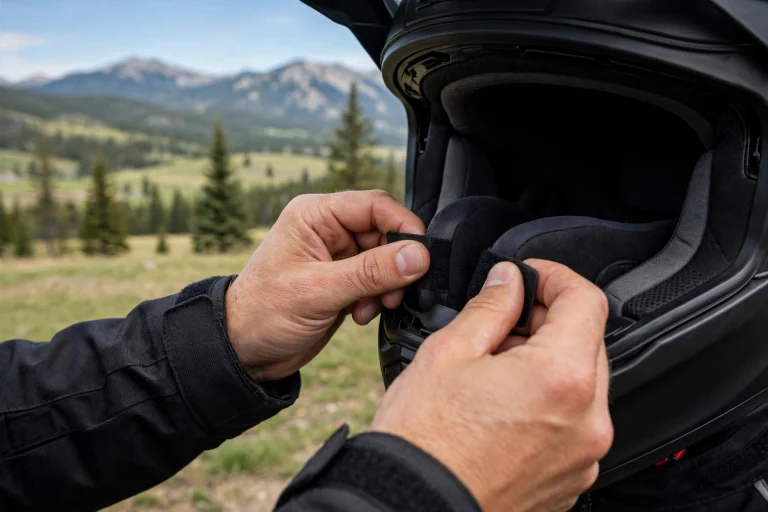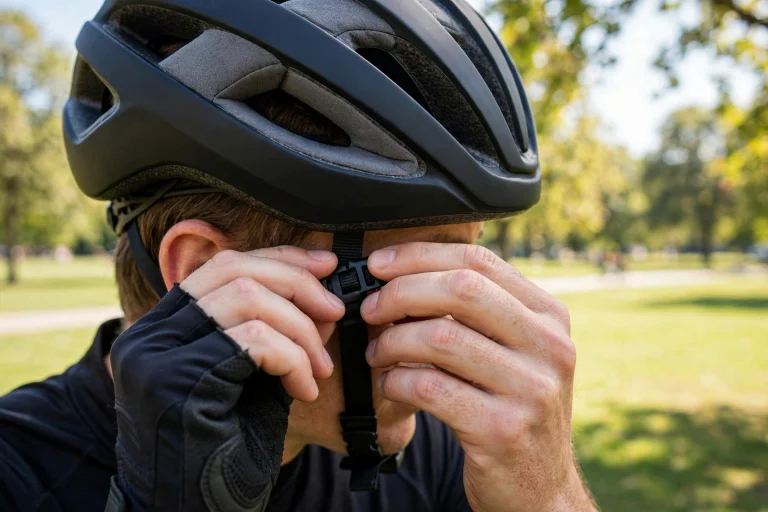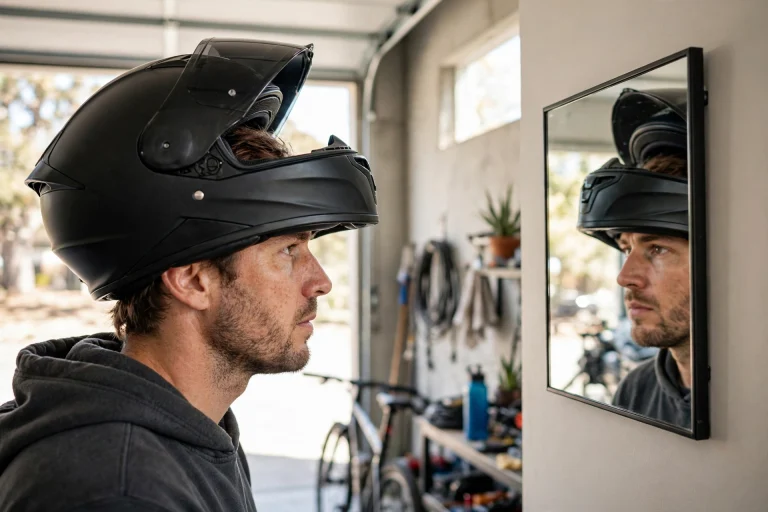
For a rider with cochlear implants, a helmet should fit snug without pressing on the implant processor or the area behind the ear, with room for the device and soft padding around it. The key is a fit that holds the helmet steady while leaving the processor free, so the device stays in place, stays comfortable, and keeps working. Every implant and every head is different, so the fit needs to be checked carefully, and if you are unsure about anything, ask your clinician or audiologist for advice.
A cochlear implant has two parts: an internal part under the skin behind the ear, and an external processor that sits behind the ear and is held in place by a magnet. A helmet can press on the processor, push it out of place, or make it uncomfortable, especially if the helmet is tight or the padding sits right over the device. A careful fit avoids those problems, and it also protects the processor from knocks during a ride.
What makes helmet fit different with cochlear implants?
The main difference is the processor. It sits behind the ear, where a helmet’s padding and straps often sit too, so a helmet that fits well for someone else may press on the device for you. Pressure on the processor can be uncomfortable, and it can also push the processor off its magnet, which stops it working until it is put back.
The area behind the ear may also be more tender than the rest of the head, especially after surgery or when the skin is still settling. A helmet that presses hard there can cause soreness quickly, even if the rest of the fit feels fine. Soft, even pressure is important, and any hard edge near the implant area is a problem.
How should you check the fit around the processor?
Put the processor on first, exactly as you would wear it, and then put the helmet on over it. The helmet should sit level, cover the forehead, and stay steady when you shake your head gently. Check that the processor is still sitting in its usual place, with its magnet holding well, and that no pad or strap is pushing it sideways or pressing it hard against the head.
- The processor stays in its usual place with the helmet on.
- No pad or strap presses hard on the device or the skin behind the ear.
- The helmet sits level and stays steady when you shake your head.
- You can hear clearly through the processor with the helmet on.

What helmet features help with cochlear implants?
Helmets with removable or adjustable pads are the most helpful, because they let you make room around the processor. A helmet with a simple fit dial at the back can also help, because it holds the helmet steady without squeezing the sides. Look for soft, smooth padding, and avoid helmets with hard plastic edges or stiff foam near the ears.
A helmet with a little extra room around the ears can make a real difference. Some helmets are shaped with more space in that area, and trying on several models is the best way to find one that clears the processor comfortably. A helmet that is slightly roomier around the ears but still snug at the forehead and crown can be a good match.
How do you protect the processor while riding?
A helmet already helps protect the processor from knocks, because the shell covers the side of the head. That is one benefit of wearing a helmet: it shields the device from branches, rain, and glancing bumps. Make sure the processor is firmly attached before you put the helmet on, and check it again after the helmet is on.
Consider a processor retainer or clip if you use one. A small clip or cord that attaches the processor to clothing or hair can stop it being lost if it does come off during a ride. Many implant users already use one in daily life, and it is just as useful on a bike.
Keep the processor dry. Sweat and rain can affect the device, so a sweatband, a water-resistant cover made for the processor, or a helmet with good rain protection can help. Wipe the processor dry after a ride, and follow the maker’s guidance on cleaning and care. Some helmets also include a MIPS liner, which sits between the shell and the head, so check that it does not press on the processor or change how the helmet sits.
What should you do if the helmet presses on the implant?
First, stop and adjust the fit. Loosen the fit dial a little, move the pads, or reposition the processor and try again. Sometimes a small change is enough. If the pressure stays, try a different helmet size or shape, because a helmet that presses on the implant is not the right helmet for you, however good it looks.
Do not try to force the fit by padding the processor or taping it down. That can make the pressure worse, and it can also affect how the device works. A better answer is a helmet with more room around the ears, or pads that can be moved away from the device.
How do you test a helmet before buying?
Try the helmet on with the processor in place, and wear it in the shop for at least ten minutes. Walk around, nod, turn your head, and check that the processor stays put and that nothing presses on it. Listen to how things sound through the processor with the helmet on, and make sure you can hear traffic and voices well enough to ride safely.
Bring the accessories you will actually use, such as a skull cap, a retainer clip, or glasses, and try the helmet with all of them on. A fit that works without glasses may fail when glasses are added, so test the full set-up you will ride with.
If a shop lets you, take the helmet for a short test ride or a walk outside. Real movement shows up problems that standing still does not, such as a helmet that shifts when you look over your shoulder. A helmet that passes that test is far more likely to work well on a real ride.
Can I wear a helmet over a cochlear implant processor?
In general terms, yes, many riders with cochlear implants wear helmets. The helmet should fit without pressing on the processor or the skin behind the ear, and the processor should stay in place with the helmet on. If you are unsure, ask your clinician or audiologist.
Will a helmet stop my cochlear implant working?
A helmet should not stop the processor working, but it can push the processor off its magnet or cover the microphone, which changes the sound. Check that the processor stays in place and that you can hear clearly with the helmet on before you ride.
What should I do if my helmet hurts where my implant is?
Take the helmet off and let the skin rest. Try adjusting the pads or the fit, or a different helmet with more room around the ears. If soreness or swelling keeps happening, ask your clinician or audiologist for advice before riding again.

Olivia
Writer at Helmet Today, covering helmet reviews, fit and riding safety.