For a rider with a sensitive scalp, a helmet should fit snug without pressing hard anywhere, with soft, smooth padding and a liner that does not rub or catch the skin. The right fit feels even all around the head, with no hot spots, no pinching at the temples, and no straps digging in. Comfort is not a luxury here: a helmet that hurts will be worn less often, and a helmet that is left at home protects no one.
A sensitive scalp can make helmet wearing uncomfortable in ways other riders never notice. Seams, rough fabric, stiff foam edges, and tight pressure points can all cause soreness, itching, or a headache within minutes. Some riders find the discomfort comes from the liner, others from the fit, and many from a mix of both. The good news is that small changes to the fit, the pads, and the layers under the helmet often make a big difference.
What causes helmet discomfort on a sensitive scalp?
The most common cause is uneven pressure. A helmet that is slightly too small, or shaped differently from the rider’s head, presses hard in one or two spots, often at the forehead or above the ears. That pressure can feel fine for a few minutes and then build into a headache. A helmet that is too tight overall squeezes everywhere, which is worse still.
Rough or stiff materials are another cause. Some liners have seams, scratchy labels, or coarse fabric that rubs the skin with every bump. Sweat makes it worse, because damp skin is more easily irritated, and salty sweat can sting small sore spots. Heat also plays a part: a hot, unventilated helmet makes the scalp sweat more and feel more tender.
Hair can add to the problem. Long hair bunched under a helmet creates lumps that press into the scalp, and tight hair ties can leave sore spots of their own. How the hair is worn under the helmet matters as much as the helmet itself.
How should a helmet fit a sensitive scalp?
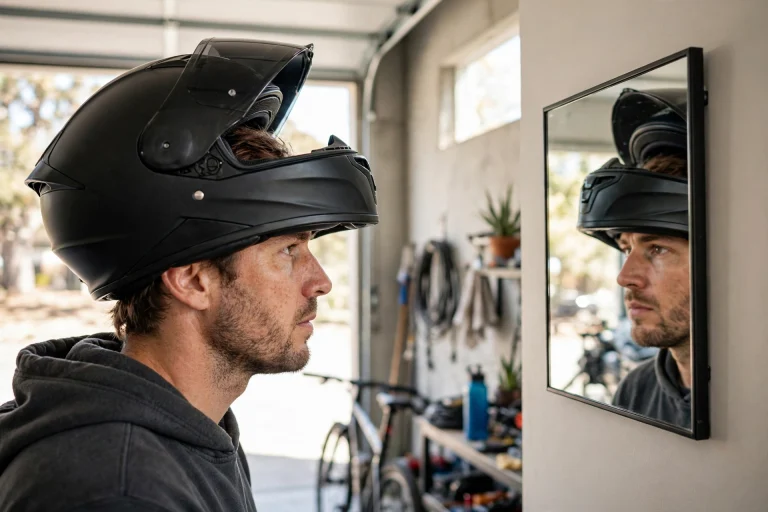
Start with the right size and shape. Measure around the head just above the eyebrows and ears, and choose the size that matches. Then check the shape: some helmets are rounder, some are longer front to back, and the right shape spreads pressure evenly. A helmet that matches your head shape should feel snug all over, with no single point pressing harder than the rest.
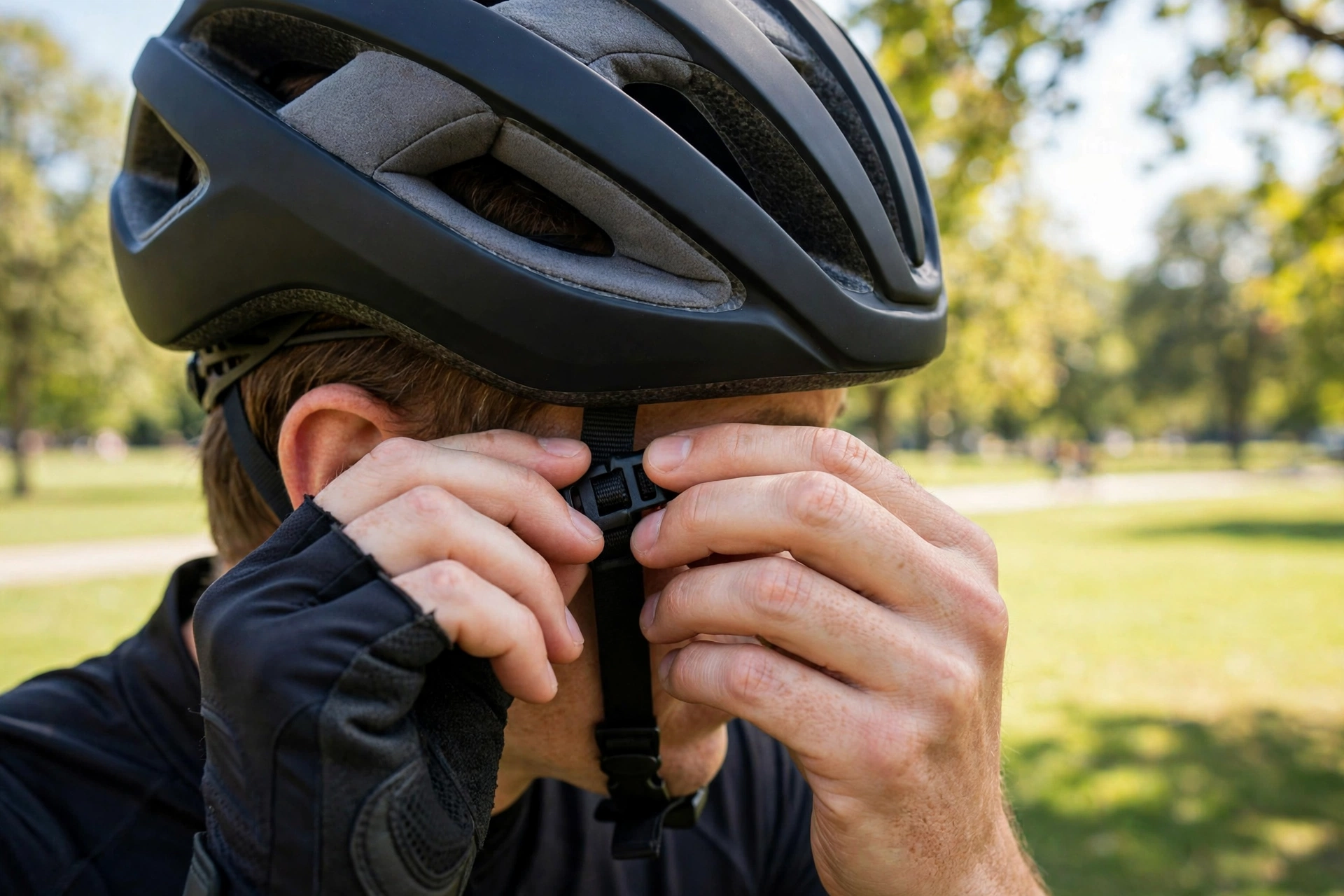
Use the fit adjuster gently. Tighten it just enough that the helmet stays in place when you shake your head, and no more. The chin strap should be snug, with one or two fingers fitting underneath, and it should not pull the helmet down hard onto the head. If the helmet only feels secure when it is uncomfortably tight, the size or shape is wrong.
- The helmet sits level, with even pressure all around.
- No single spot presses harder than the rest.
- The chin strap is snug but does not pull the helmet down.
- You can wear the helmet for half an hour without soreness.
Test the fit at home before a long ride. Wear the helmet indoors for twenty or thirty minutes, and note where it starts to hurt. That short test reveals pressure points that a quick try-on in a shop may miss.
What padding and liner changes help?
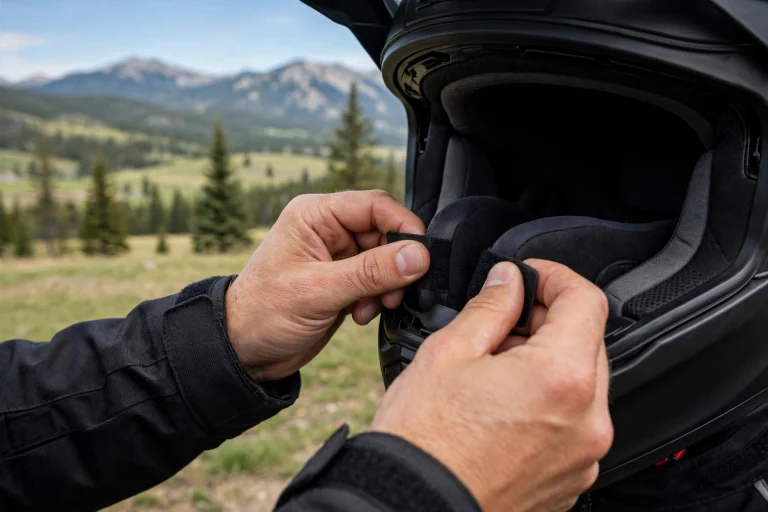
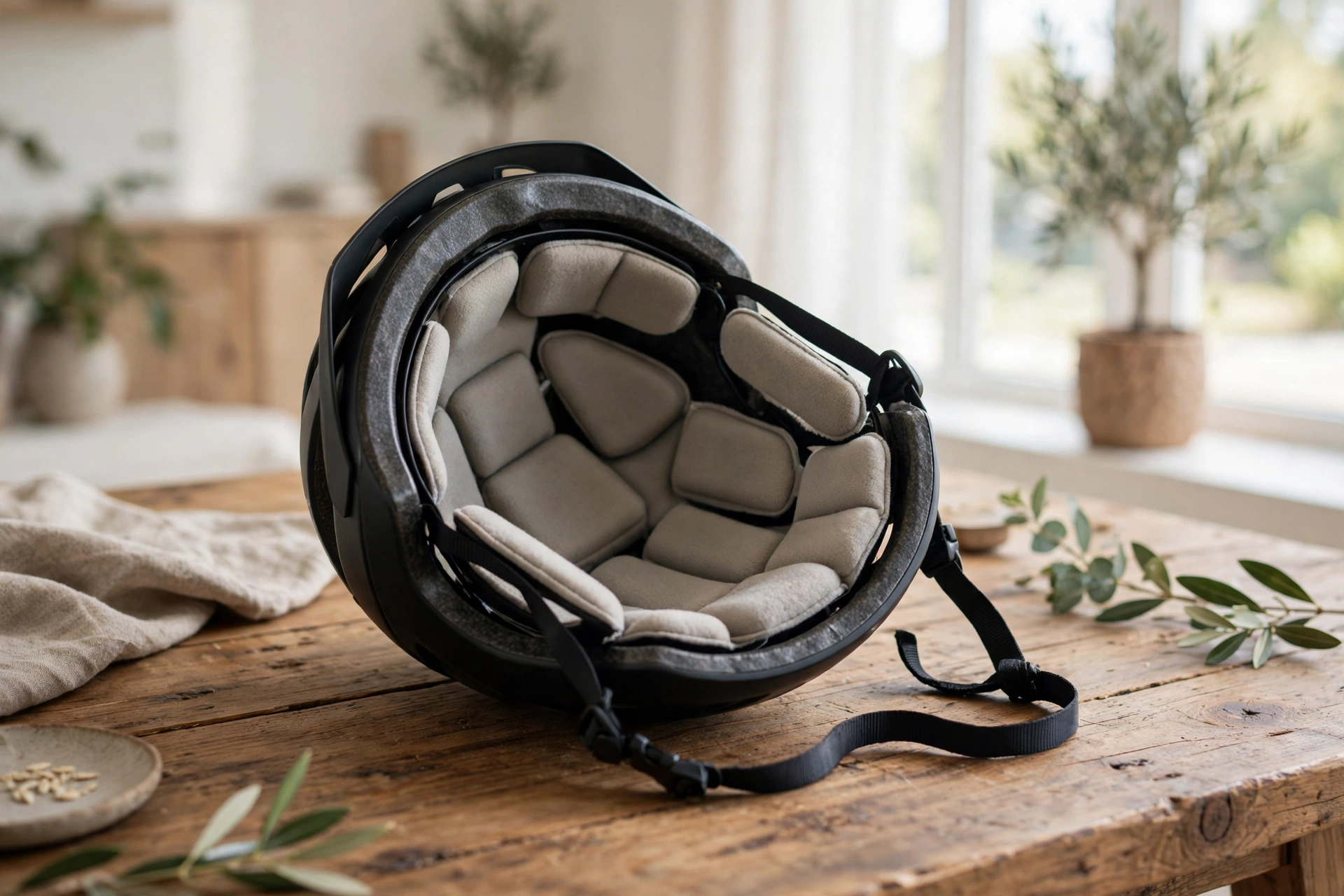
Soft, smooth pads make the biggest difference for many riders. Look for helmets with thick, soft comfort padding and a smooth liner fabric, and avoid liners with raised seams or rough stitching where they touch the scalp. Some makers sell replacement pad sets in different thicknesses, which let you fine-tune the fit without changing the helmet.
Try a thin, smooth skull cap or liner under the helmet. A seamless, moisture-wicking cap creates a smooth layer between the skin and the helmet, stops seams from rubbing, and helps manage sweat. Choose a thin cap, because a thick one changes the fit and can make the helmet too tight. A cap made for cycling or snow sports is usually a good choice.
Can hair and styling reduce scalp soreness?
Yes, how you wear your hair under a helmet matters a lot. Long hair is best worn in a low, flat style, such as a low ponytail or a loose plait at the nape of the neck, so it does not create lumps under the helmet. A high bun or a tight knot presses into the scalp and creates a sore spot within minutes.
Avoid tight hair ties and metal clips under the helmet. They press into the scalp and can leave marks, and they can also catch on the liner. Soft, fabric-covered ties are kinder, and a low, loose style spreads the pressure more evenly.
What about vents, weight, and helmet type?
Good ventilation helps a sensitive scalp a great deal. Vents let air flow over the head, which keeps the scalp cooler and drier, and a drier scalp is less easily irritated. A helmet with large, well-placed vents is often more comfortable on long rides, and some helmets also include a MIPS liner, which sits between the shell and the head and can change how the helmet feels, so try it on and check that it does not add pressure points.
Weight matters too. A lighter helmet presses less on the head and neck, which helps on long rides. A heavy helmet can feel fine at first and then grow uncomfortable as the ride goes on, so pay attention to how it feels after an hour, not just in the first minute.
When should you replace or change a helmet for comfort?
If a helmet keeps causing soreness after you have tried different pads, a liner cap, and careful fitting, it is probably the wrong shape or size for your head. A helmet should not hurt, and a different model may fit far better. Do not keep wearing a painful helmet in the hope that your scalp will get used to it, because it usually will not.
Replace pads that have gone flat or rough with use. Foam breaks down over time, and old pads can feel harder and less even than new ones. A fresh pad set is often cheap and can make an old helmet feel new again, so it is worth trying before buying a whole new helmet.
Replace the helmet itself if it has been in a crash or a hard fall, even if it looks fine. The foam inside may be damaged, and a damaged helmet will not protect you properly. In general terms, a helmet that has taken a hard impact should be replaced, whatever the comfort question.
Why does my helmet give me a headache?
It is usually a pressure point, a size that is too small, or a shape that does not match your head. Try a different size or shape, adjust the fit so pressure is even, and wear the helmet at home for half an hour to find where it presses.
Will a skull cap under my helmet help a sensitive scalp?
In general terms, yes. A thin, seamless, moisture-wicking cap creates a smooth layer between the skin and the liner, stops seams from rubbing, and helps manage sweat. Choose a thin cap so it does not change the fit.
Should I see a clinician about scalp soreness from a helmet?
If soreness, redness, or flaking persists even with a well-fitting helmet, clean pads, and gentle hair care, it is worth asking a clinician or pharmacist. The cause may be a skin issue rather than the helmet, and they can advise on what to do next.

Olivia
Writer at Helmet Today, covering helmet reviews, fit and riding safety.