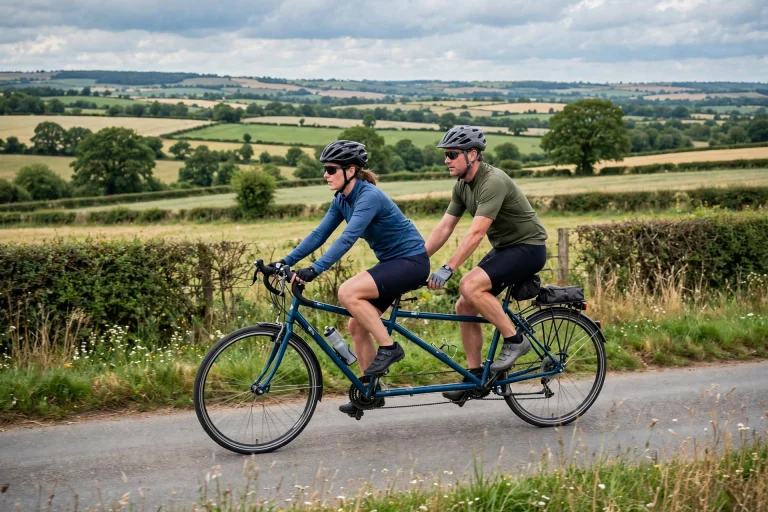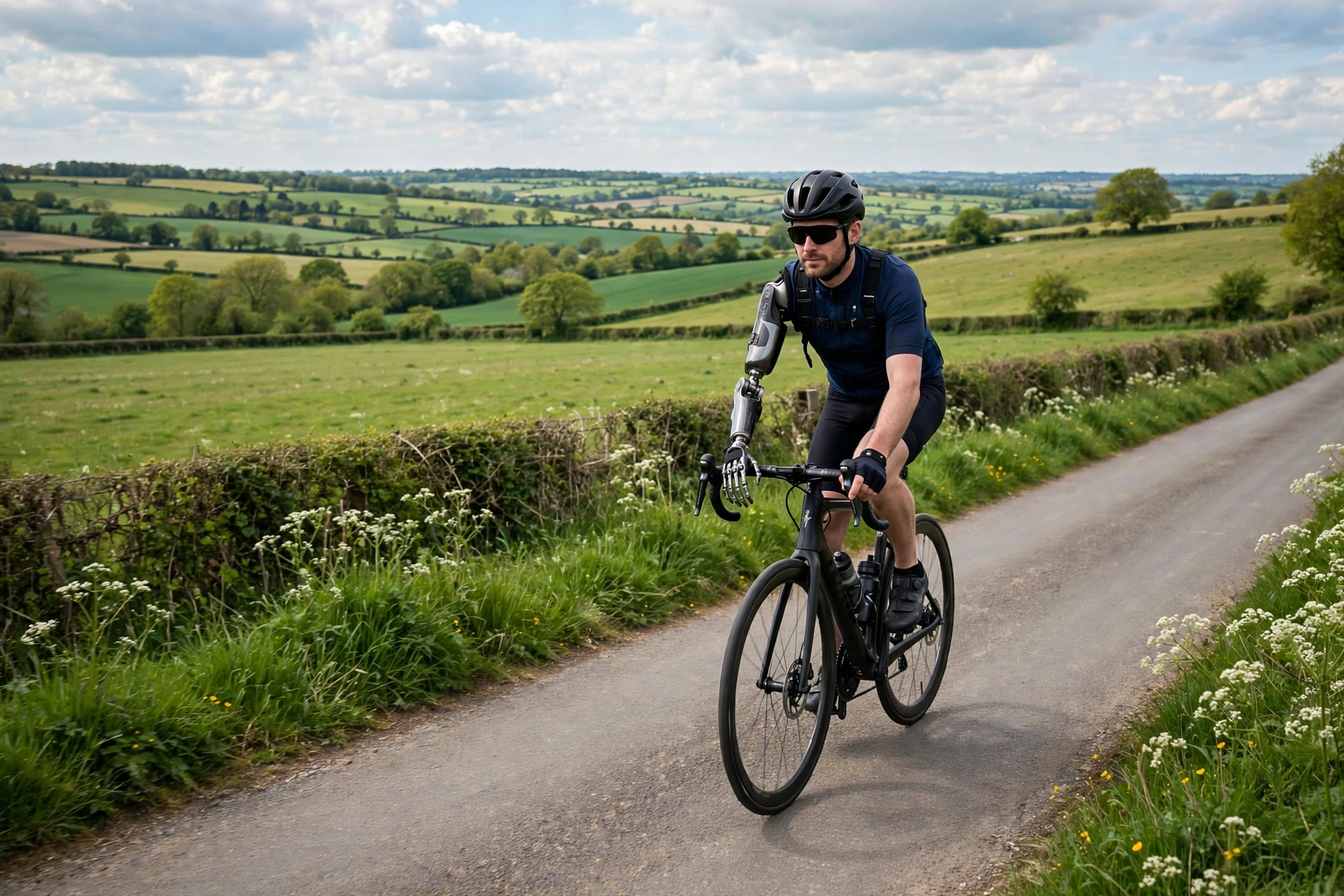
A helmet for riders with a limb difference is a riding helmet chosen and fitted to suit the rider’s own needs, comfort, and balance on the bike. A limb difference means a person was born with or has acquired a limb that is shaped or works differently, and it can affect how they hold the handlebars, mount the bike, or put on a helmet. The right helmet is one that fits well, feels comfortable, and works with the rider’s way of riding.
There is no single helmet made only for riders with a limb difference. Instead, the rider and their coach or bike fitter choose from the helmets already on the market, looking for the features that make riding easier and safer for that person. The goal is the same as for any rider: a helmet that protects the head, fits properly, and does not get in the way of enjoying the ride.
What should a rider with a limb difference look for in a helmet?
The first thing to look for is fit. A helmet should sit level on the head, with the front edge just above the eyebrows, and it should feel snug all round without pressing hard in one place. The rider should try on several sizes and shapes, because helmets differ in how round or oval they are inside. A helmet that fits well will stay in place and protect the head properly.
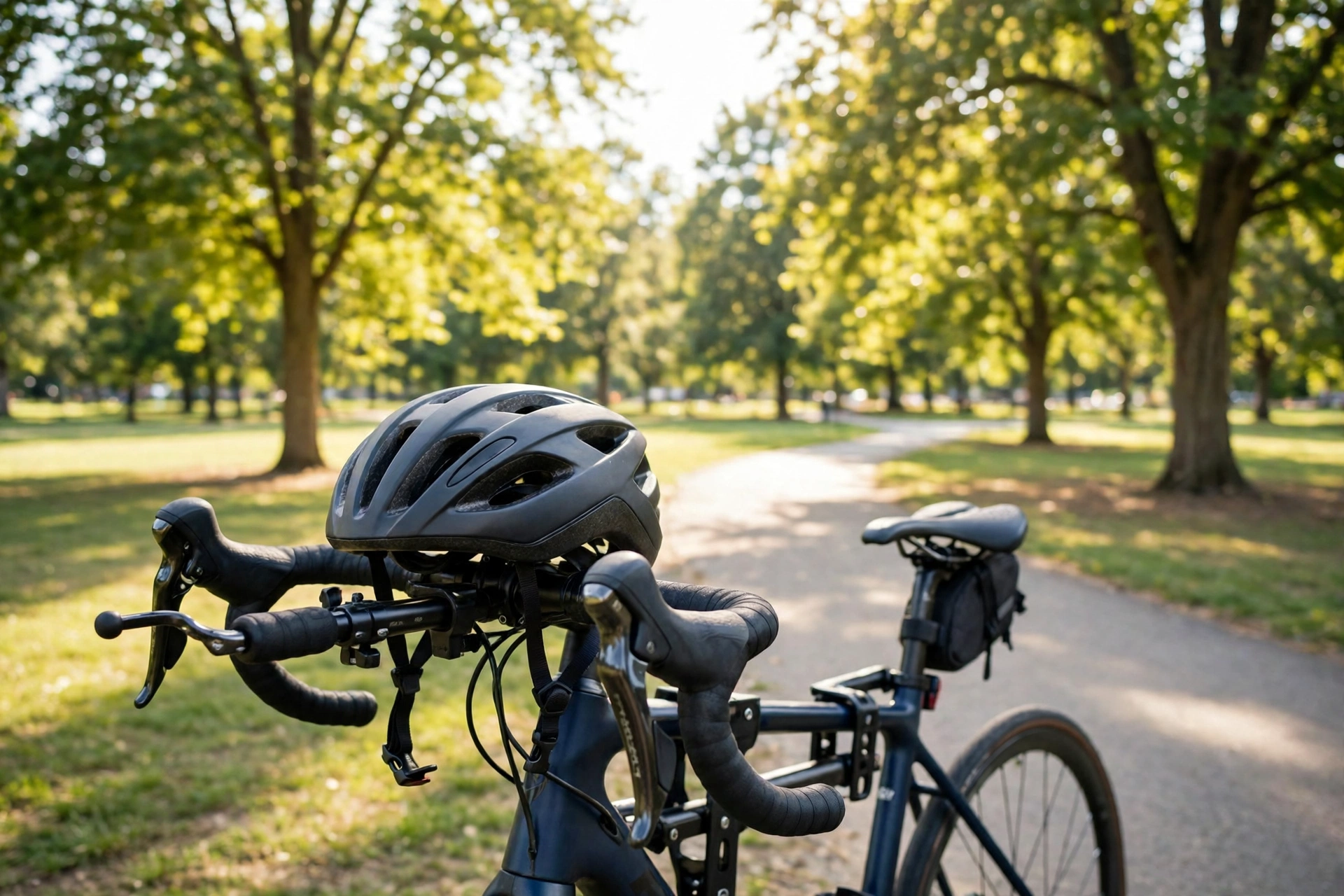
The second thing is the fastening. Some riders find a standard buckle hard to use with one hand, so a helmet with a magnetic buckle or a simple one-handed fastening can help. The strap should be easy to adjust and to fasten with the rider’s usual grip. A bike shop can show the rider different buckles and let them try each one before buying.
Weight and ventilation matter too. A lighter helmet puts less strain on the neck, which helps on longer rides, and good airflow keeps the rider cool. A helmet with vents that can be opened and closed is useful, because the rider can adjust the airflow without stopping. The rider should also check that the helmet works with any glasses or hearing aids they use.
How can a helmet be fitted for a rider with a limb difference?
A good bike shop or a specialist fitter can help a rider find the right helmet. The fitter will measure the head, try different sizes, and adjust the pads and straps until the fit is right. They can also show the rider the easiest way to put the helmet on and take it off, which may involve a different technique from the usual two-handed method.
What about balance and control on the bike?
Balance and control depend on the rider, the bike, and the setup together. A rider with a limb difference may use an adapted bike, such as a bike with a different handlebar, a modified brake lever, or a trike with three wheels. A coach or a bike fitter can help set up the bike so the rider feels stable and in control. The helmet does not change balance on its own, but a helmet that fits well and does not distract the rider helps them concentrate on the road.
Some riders prefer a trike because it stays upright at low speed and when stopping, which can make mounting and dismounting easier. Others ride a standard two-wheel bike with small adaptations. There is no right answer for everyone, and the best setup is the one the rider feels confident using. A test ride in a safe place is the best way to find out what works.
Are there clubs and events for riders with a limb difference?
Yes, there are cycling clubs and events that welcome riders with a limb difference, including para-cycling clubs and inclusive cycling groups. These clubs often have adapted bikes to try, coaches who understand different needs, and rides at a pace that suits everyone. Riding with a club is a good way to meet other riders, learn new skills, and find routes that are safe and enjoyable.
Para-cycling is a recognised sport, with races and events at many levels, from local club rides to international competition. Riders are grouped by their type of impairment, so the racing is fair. A rider who enjoys competition can talk to a club or a national cycling body about how to get started, and a coach can help with training and bike setup.
How should the helmet be looked after?
A helmet should be checked regularly for damage. The shell is looked over for cracks or dents, the strap and buckle are tested, and the lining is checked for wear. If the helmet has been in a crash, it should be replaced, even if it looks fine, because the inside may have absorbed the impact. A damaged helmet should not be used again.
Helmets should be stored in a cool, dry place away from direct sunlight, ideally in a bag. The lining can be removed in many helmets and washed, which keeps it fresh and helps it keep its shape. A helmet that fits well and is in good condition is the best protection a rider can have.
Some helmets use a system that lets the shell move slightly in an angled impact, an idea similar to MIPS in other sports helmets. This feature can be useful for any rider, and it is worth asking about when choosing a helmet. The most important thing, though, is fit: a helmet that fits properly and is worn every time gives the best protection.
Where can a rider get more help?
A good starting point is a local bike shop with experience in adaptive cycling, or a cycling club that welcomes riders of all abilities. The staff can help with helmet fitting, bike setup, and advice on routes. A national cycling body may also have a list of inclusive clubs and coaches in the area.
If a rider has questions about their health, their balance, or whether cycling is suitable for them, they should talk to a clinician or a physiotherapist who knows their situation. A clinician can give advice that is specific to the rider, and a coach can then help put that advice into practice on the bike. This is general information only, not medical advice.
Online groups and forums for riders with a limb difference can also be useful. Other riders can share what worked for them, from helmet buckles to bike adaptations, and the community is often welcoming to newcomers. The key is to ask questions, try things out, and find the setup that feels right.
Is there a special helmet made for riders with a limb difference?
No, there is no single helmet made only for riders with a limb difference. Riders choose from standard helmets, looking for a good fit, an easy fastening, and a comfortable weight. A bike shop or fitter can help find the right one.
Can a rider with a limb difference race competitively?
Yes, para-cycling welcomes riders with a limb difference, with events at many levels. A club or a national cycling body can explain how to get started, and a coach can help with training and bike setup.
What if a helmet buckle is hard to use with one hand?
Look for a helmet with a magnetic buckle or a simple one-handed fastening, and ask a bike shop to show you different options. The strap should be easy to fasten and adjust, and the fit should be checked every time the helmet is worn.

Olivia
Writer at Helmet Today, covering helmet reviews, fit and riding safety.