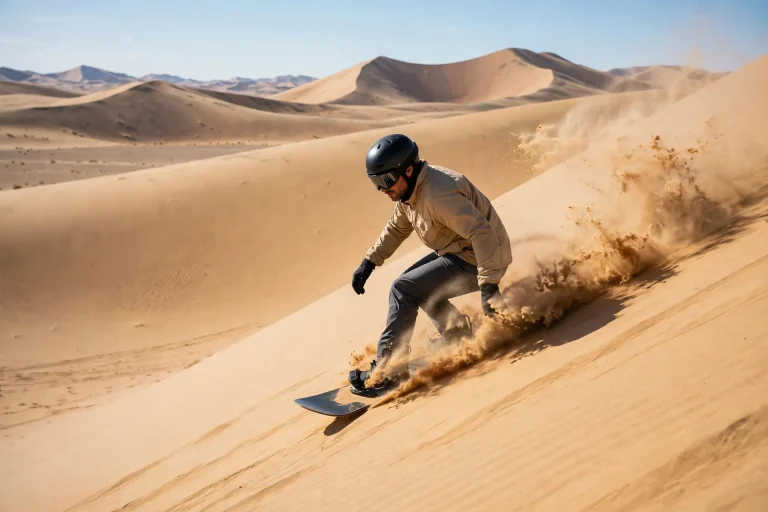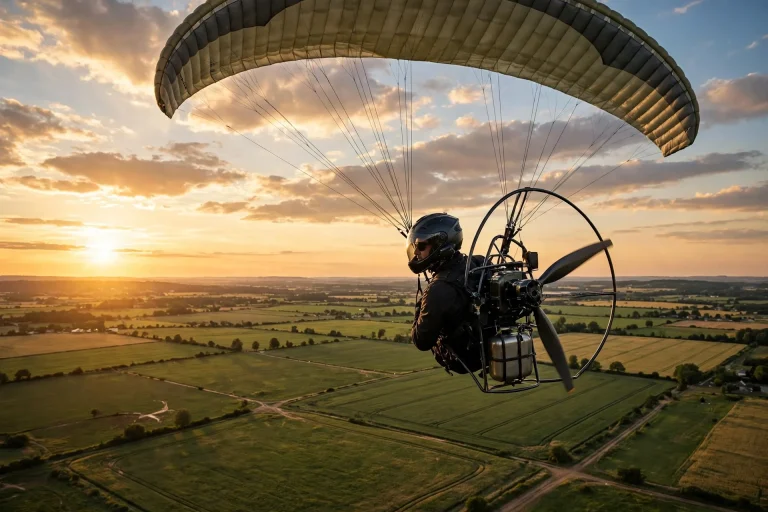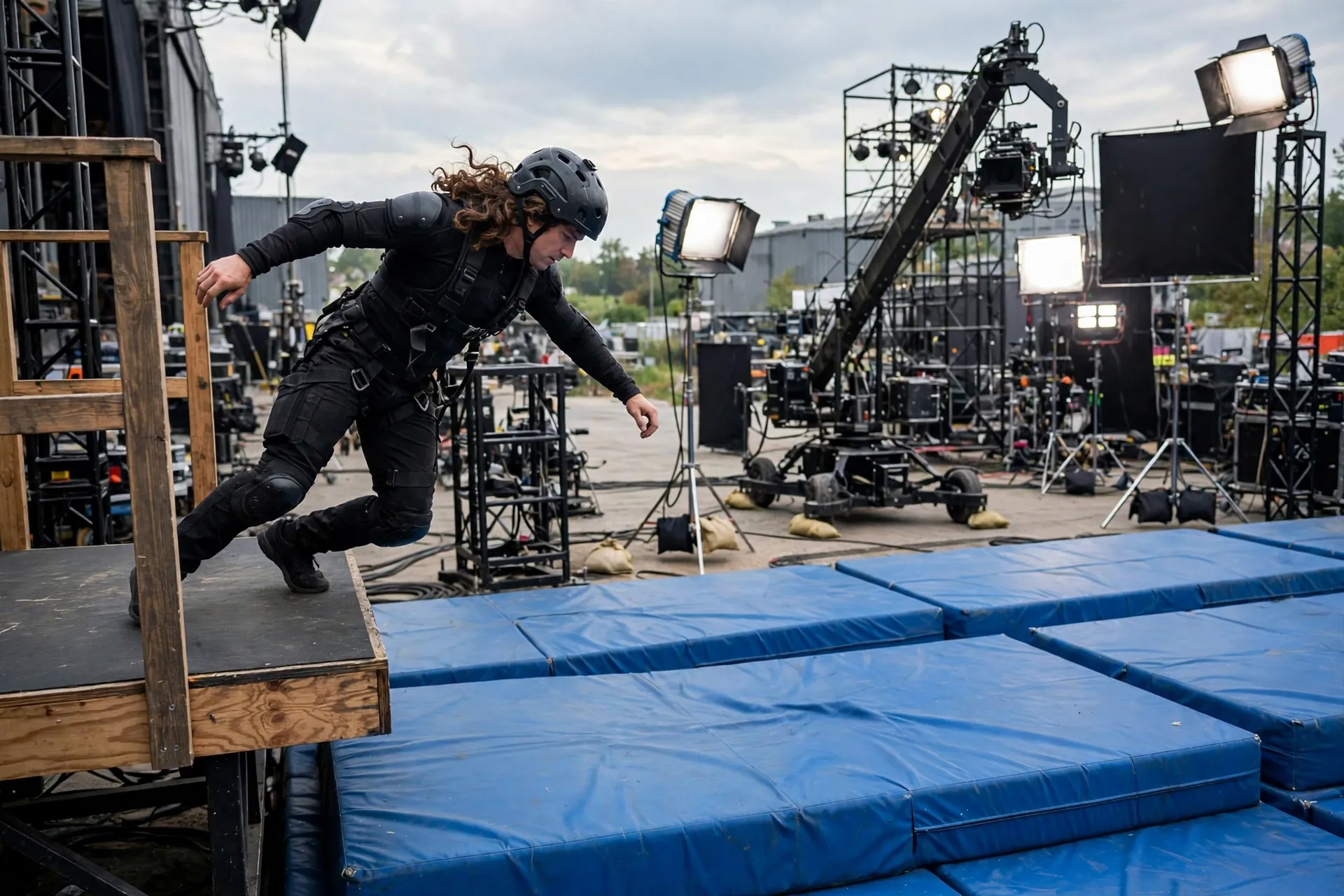
A helmet for film stunt performers is a protective helmet worn during dangerous scenes, such as falls, fights, and vehicle stunts, to protect the performer’s head while the camera is rolling. Stunt performers, often called stunt doubles, step in for actors when a scene is too risky, and a helmet is one of the key pieces of safety kit. The challenge is that the helmet often has to stay hidden, because the audience should see the character, not the safety gear.
In general terms, the helmet used by a stunt performer is chosen for the stunt in question. A high fall may call for a climbing or industrial helmet, a fight scene may use a thin padded cap, and a motorcycle scene uses a proper motorcycle helmet. The stunt coordinator picks the protection that fits the risk, and the wardrobe department works out how to hide it under a wig, a hat, or a costume.
What do film stunt performers do?
Film stunt performers carry out the dangerous action in a film or television show, from falls and fights to car chases and fire scenes. They are trained professionals who rehearse each stunt carefully, often with the help of rigs, airbags, wires, and padding placed just out of shot. Their job is to make a dangerous moment look real on screen while keeping the risk as low as possible.
Stunt performers often double for a specific actor, matching their height, build, and hair, so the switch between actor and double is hard to spot. They work closely with the director, the stunt coordinator, and the camera crew, and every stunt is planned, rehearsed, and checked before it is filmed. Safety kit, including helmets, is part of that planning from the start.
Why do stunt performers wear helmets?
Stunt performers wear helmets because even a carefully planned stunt can go wrong. A fall from a height, a mistimed punch, or a vehicle that moves a fraction too far can all cause a head injury, and a helmet is the main protection against it. The head is the part of the body that is hardest to protect in any other way, so a helmet is worn whenever the stunt involves a real risk to the head.
The helmet also protects against less obvious risks, such as hitting a piece of set, a camera rig, or the ground during a roll or a slide. In general terms, a stunt performer would rather wear a helmet and have the shot look slightly different than risk a head injury for the sake of a perfect take.
How are stunt helmets hidden on camera?
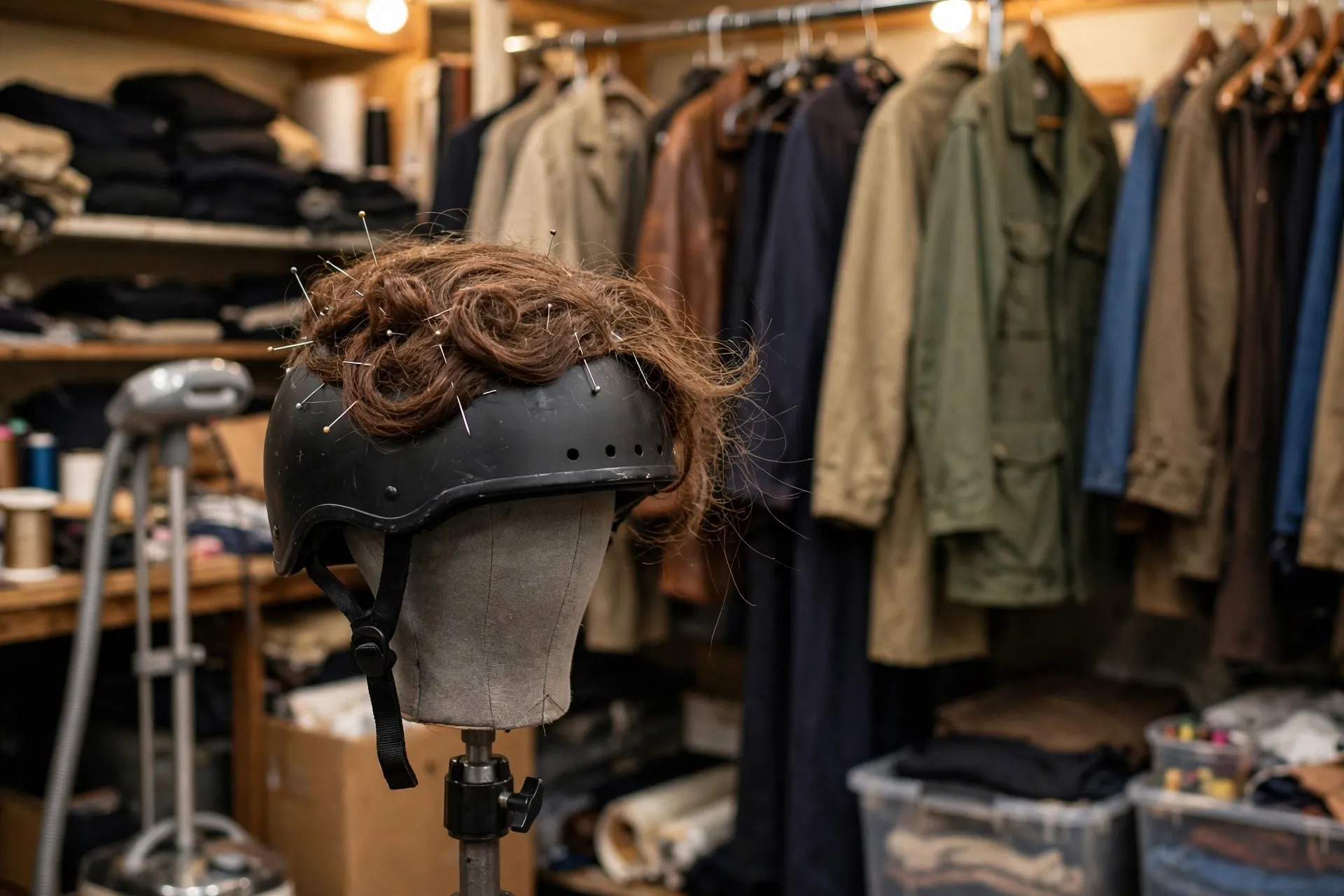
Stunt helmets are often hidden under a wig, a hat, or a piece of costume that matches the character. A thin, low-profile helmet can sit under a wig made to match the actor’s hair, and a cap or a hood can cover it further. The camera angle and the editing also help, since the shot can be framed to keep the top of the head out of view at the moment of impact.
For some stunts, the helmet does not need to be hidden at all. A motorcycle stunt, a sports scene, or a character who would naturally wear a helmet can show the helmet openly. In other cases, the performer wears a padded cap that looks like hair from a distance, or a helmet painted to match the costume. The aim is always the same: the audience sees the character, not the safety kit.
What kind of helmet is used for different stunts?
The kind of helmet depends on the stunt. A high fall or a drop onto a hard surface may call for a climbing helmet or a helmet with a strong shell and good impact padding. A fight scene may use a thin, soft padded cap that absorbs glancing blows without showing on camera. A vehicle stunt uses the helmet made for that vehicle, such as a motorcycle helmet for a bike scene.
Some stunt helmets are made specially for film work, with a low profile and a shape that sits close to the head, so they fit under a wig. Others are standard sports or industrial helmets, chosen because they protect well and are easy to adjust. The stunt coordinator decides which helmet fits the risk, and the performer checks the fit before every take.
How do stunt helmets fit under wigs and costumes?
A stunt helmet worn under a wig has to fit closely, or the wig will sit too high and look wrong on camera. The wig department measures the performer’s head with the helmet on, and the wig is made or adjusted to fit over it. The helmet’s straps are kept flat and tight, and any buckles are tucked away so they do not show through the costume.
Some helmets include a system designed to reduce rotational forces in a fall, such as MIPS, and the low-profile layer can work well under a wig. Comfort matters too, because a performer may wear the helmet for hours between takes. If the helmet presses or slips, the performer tells the coordinator, and the fit is adjusted before filming continues.
How are stunt helmets checked and looked after?
Stunt helmets are checked before every use for cracks, dents, and damage to the shell, straps, and lining. A helmet that has taken a hard hit in a stunt is usually taken out of service, because the inner padding may have been compressed even if the outside looks fine. In general terms, a helmet that has protected a performer in a serious knock should not be used again.
Between shoots, helmets are stored in a dry place, away from heat and chemicals, and the lining is cleaned so the helmet is fresh for the next performer. Wigs and costume pieces that fit over the helmet are stored with it, so the combination can be checked quickly at the next fitting. Careful kit management is part of what makes stunt work repeatable and safe.
Do actors wear helmets too?
Sometimes, if the actor performs part of a stunt themselves. In general terms, though, the riskier the action, the more likely a trained stunt performer in a helmet will take over, and the actor will be filmed in the safer close-up shots.
Can the audience tell when a stunt double is wearing a helmet?
Usually not, because the helmet is hidden under a wig or a hat, and the camera and the edit keep the switch hidden. A well-planned stunt is designed so the audience sees the character, not the safety kit.
When should a stunt helmet be replaced?
Replace it after a hard impact, if the shell or straps are damaged, or if the fit no longer stays secure. In general terms, a helmet that has done its job in a serious knock should be retired, even if it looks fine from the outside.

Olivia
Writer at Helmet Today, covering helmet reviews, fit and riding safety.