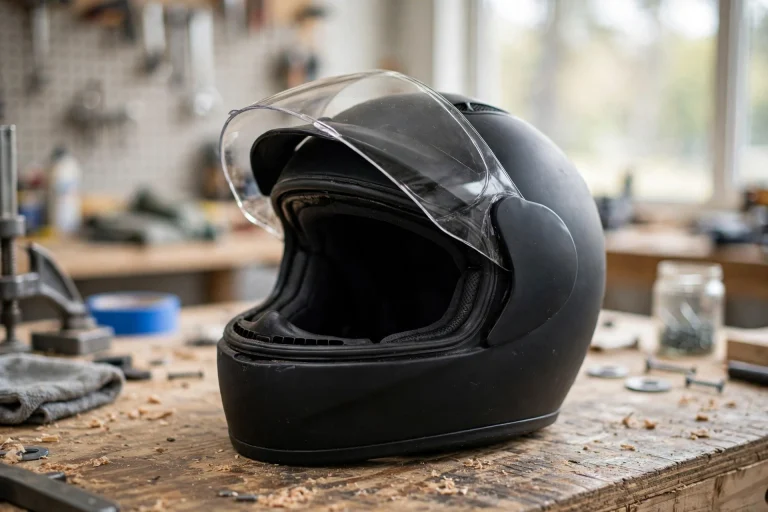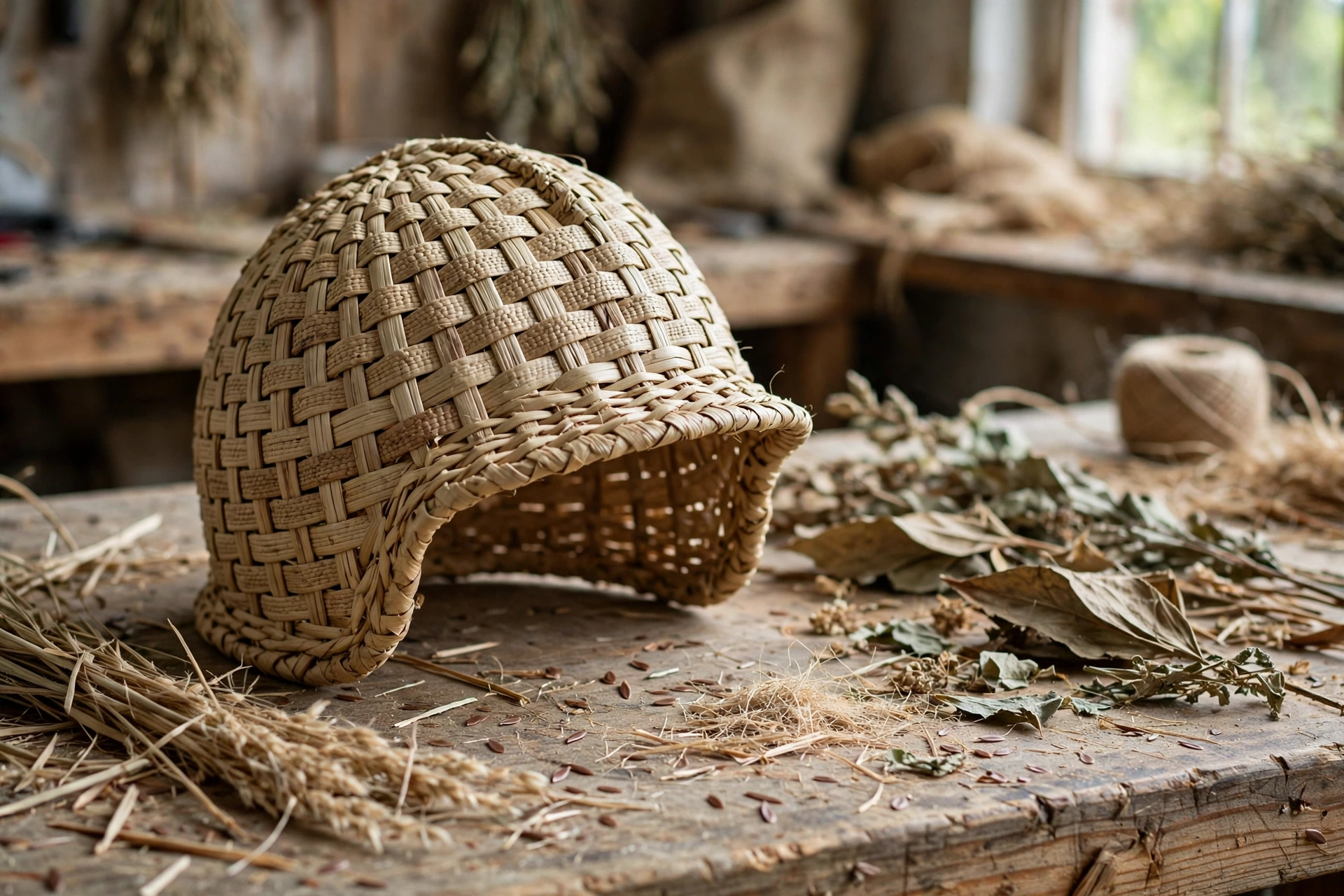
A bio-based helmet shell is a helmet shell made partly or wholly from materials that come from plants or other renewable sources, instead of from oil-based plastics alone. It might use plant fibres, such as flax or hemp, or resins made from plant oils, to replace some or all of the usual synthetic materials. The idea is to make a helmet that protects just as well but leaves a smaller mark on the environment.
Bio-based shells are still a new idea in the helmet world, and they are not yet common on the shelves, but they are attracting a lot of interest from makers who want to reduce their use of oil-based plastics. If you care about where your helmet comes from, as well as how it protects you, a bio-based shell is worth understanding, even if you are not ready to buy one yet.
What materials are used in a bio-based shell?
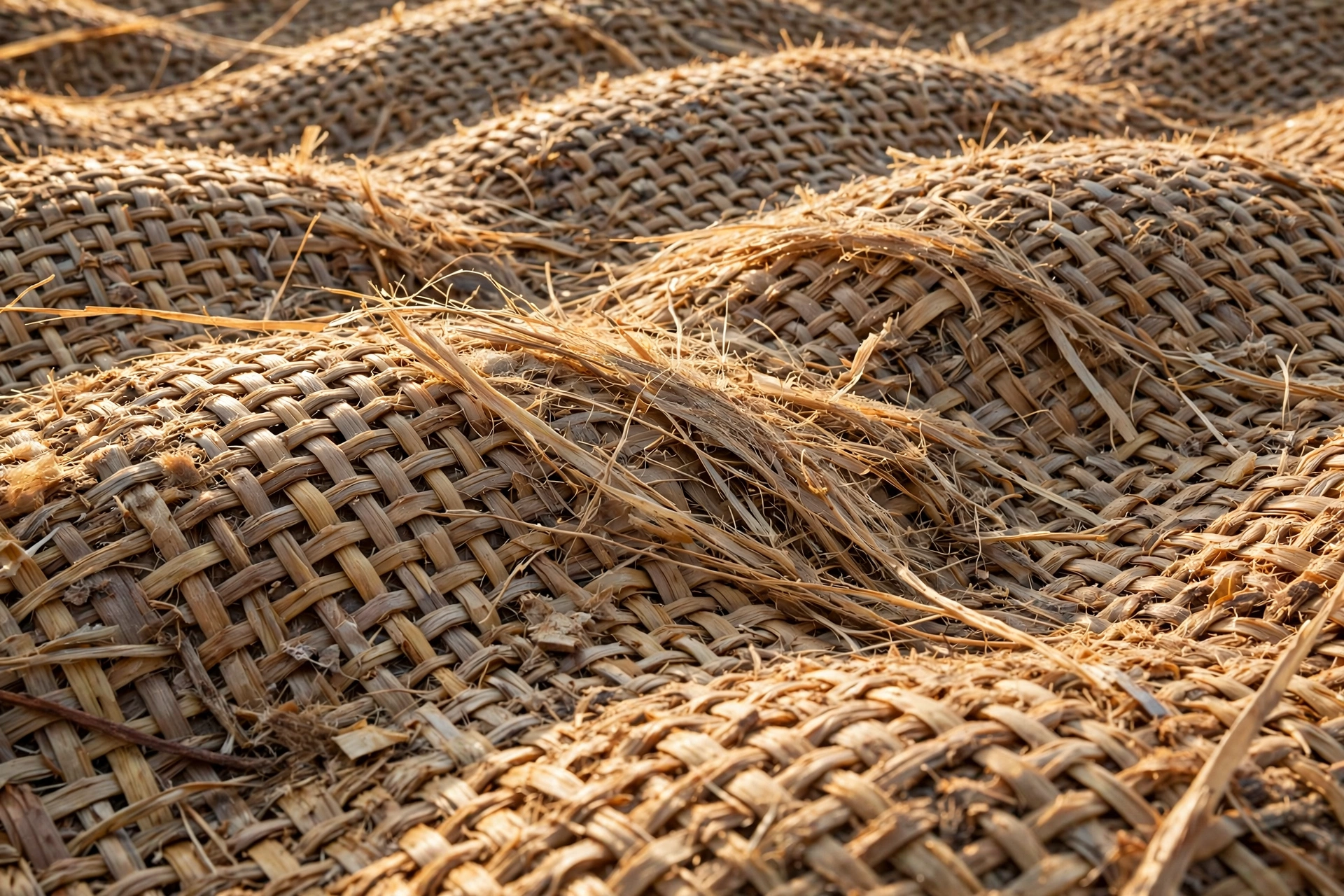
The most common bio-based material in a helmet shell is plant fibre, which is used to replace the glass or carbon fibre that usually gives a shell its strength. Flax is a popular choice, because its fibres are strong, light, and easy to grow, and hemp is another option, because it grows quickly with little water or chemicals. These fibres are woven into a fabric and then set in resin, just like glass fibre, to form a hard, light shell.
The resin that holds the fibres together can also be bio-based. Most resins are made from oil, but some makers now use resins made from plant oils, such as linseed oil or soybean oil, which come from crops rather than from crude oil. A shell that uses both plant fibres and a plant-based resin is more bio-based than one that uses only one of them, and makers will usually say how much of the shell comes from renewable sources.
How is a bio-based shell made?
A bio-based shell is made in much the same way as a conventional composite shell. The fibres are woven into a fabric, cut to shape, and laid into a mould, and then the resin is added and the whole thing is heated and pressed until it sets hard. The difference is in the materials that go into the mould, not in the basic process, which is why existing factories can often make bio-based shells with only small changes to their equipment.
Does a bio-based shell protect as well as a normal shell?
In general terms, a well-made bio-based shell can protect as well as a conventional shell, because the protection comes from the combination of the shell and the liner, not from the shell material alone. A flax-fibre shell, for example, can be as strong and as stiff as a glass-fibre shell, and it can spread the force of a blow in the same way. The key is that the shell is designed and tested properly, whatever it is made from.
The liner matters too. A bio-based shell is usually paired with a conventional foam liner, because the liner does most of the work in absorbing a blow, and bio-based foams are still rare. A helmet with a bio-based shell and a modern liner, such as a MIPS liner, can offer the same protection as a conventional helmet, with a smaller environmental footprint. The shell is only one part of the package.
Why are makers interested in bio-based shells?
The main reason is the environment. Conventional helmet shells are made from oil-based plastics and synthetic fibres, which use fossil fuels and are hard to recycle. Plant fibres and plant-based resins come from crops that can be grown again, and they use less energy to produce, which means a bio-based shell can have a smaller carbon footprint than a conventional one.
Another reason is waste. A helmet that is made from renewable materials is easier to dispose of at the end of its life, because the plant fibres will break down more readily than glass or carbon fibre. Some bio-based resins are also designed to be easier to recycle, which means the shell can be broken down and reused, rather than ending up in landfill. This is still a work in progress, but it is a real advantage.
There is also a marketing reason. Riders who care about the environment are looking for products that match their values, and a bio-based helmet appeals to them in a way that a conventional helmet does not. Makers who offer a bio-based option can reach those riders, and they can show that they are thinking about sustainability, not just about sales.
What are the challenges of bio-based shells?
The main challenge is consistency. Plant fibres vary more than synthetic fibres, because they are grown, not made, and their strength can change with the weather, the soil, and the harvest. A maker has to test every batch of fibre carefully, and sort out the weaker fibres, to make sure every shell is as strong as the last. This takes time and care, and it can make bio-based shells more expensive.
Moisture is another challenge. Plant fibres absorb water, and a shell that absorbs moisture can weaken over time, especially if it is used in wet conditions. Makers deal with this by treating the fibres and by sealing the shell with a protective coating, but the coating has to be maintained, and a shell that is scratched or damaged may let moisture in. Riders need to look after a bio-based shell carefully.
Cost is a further challenge. Bio-based materials are produced in smaller quantities than conventional materials, so they cost more, and the extra testing and quality checking adds to the price. A bio-based helmet will usually cost more than a similar conventional helmet, and for many riders, that extra cost is hard to justify, even if they like the idea.
Should you buy a helmet with a bio-based shell?
If you care about the environment and you are happy to pay a little more, a bio-based helmet can be a good choice, as long as it carries a certification label that proves it was tested and passed. Look for a helmet from a maker that is open about how much of the shell is bio-based, and what materials were used, rather than one that uses the term as a vague selling point.
Are bio-based helmets fully made from plants?
No, in general terms most bio-based helmets are only partly made from plant materials, because the liner, straps, and fittings are usually still conventional. A helmet described as bio-based may have a shell that is partly plant fibre and partly conventional fibre, so check the maker’s description to see how much is bio-based.
Can a bio-based shell be recycled?
Some bio-based shells are easier to recycle than conventional shells, because the plant fibres break down more readily, but it still depends on the resin and the design. Ask the maker about recycling, and do not assume a bio-based helmet can be put in a normal recycling bin.
Do bio-based helmets cost more?
Yes, in general terms a bio-based helmet costs more than a similar conventional helmet, because the materials are produced in smaller quantities and need more testing and quality checking. The price is likely to come down as more makers adopt bio-based materials and production grows.

Olivia
Writer at Helmet Today, covering helmet reviews, fit and riding safety.