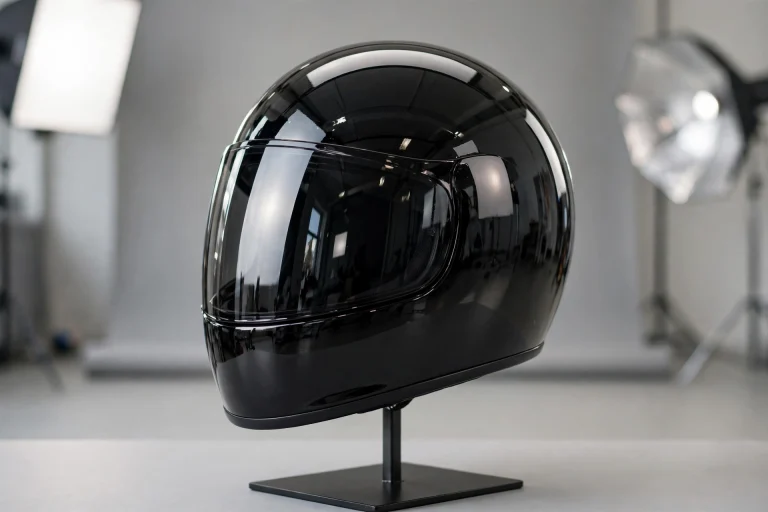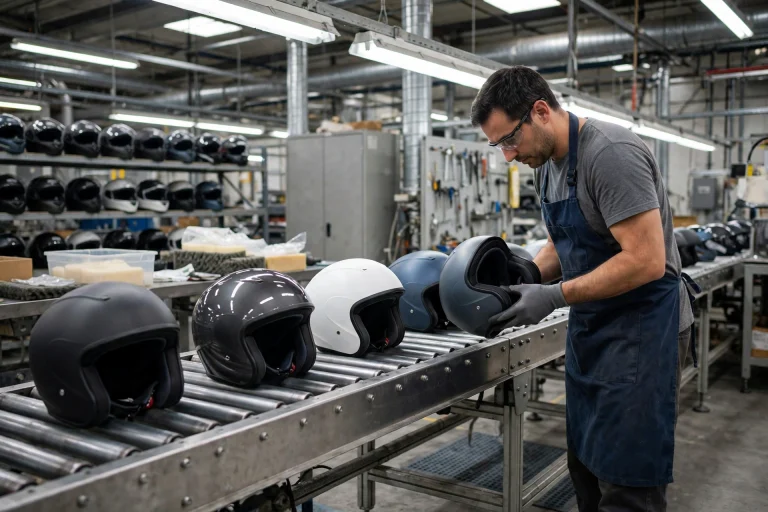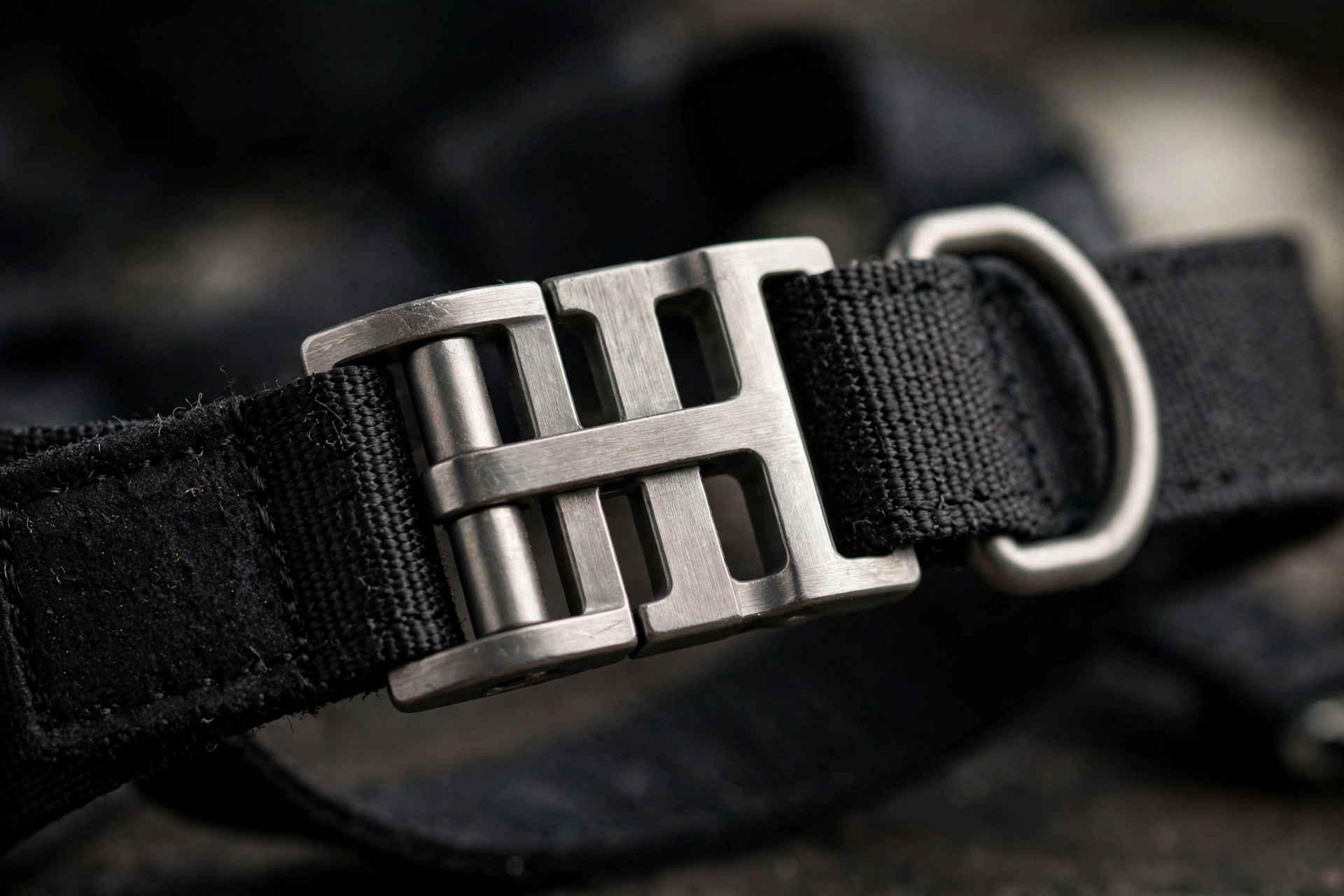
Titanium in a helmet is a light, very strong metal used for small hard parts such as buckles, screws, visor mounts, and rivets, rather than for the shell or liner itself. Makers choose titanium where a part needs to be strong and light at the same time, and where it has to resist rust and wear over years of use. You will not find a whole helmet made from titanium, but you may find titanium holding it together.
Titanium has a reputation as a premium material, and it is often mentioned in product descriptions as a sign of quality. That reputation is earned, because titanium is strong for its weight and it does not rust, but it is also expensive, which is why it is used sparingly. Understanding where titanium appears in a helmet, and where it does not, helps you judge whether it is worth paying extra for.
Where is titanium used in a helmet?
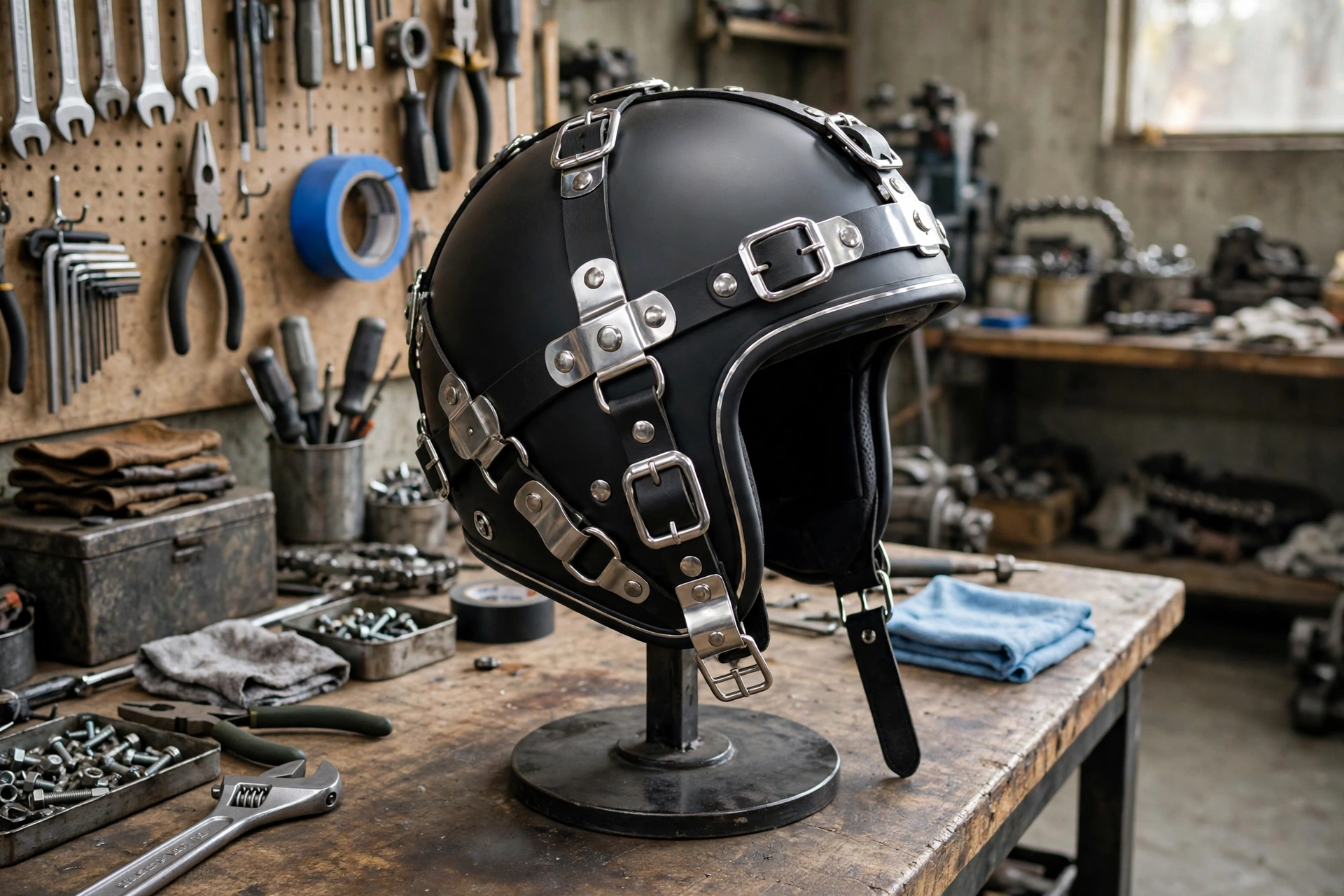
The most common place to find titanium in a helmet is in the hardware, which is the name for the small metal parts that hold the helmet together. Buckles, strap adjusters, screws, and the mounts that hold a visor or a peak in place are all made from metal, and titanium is sometimes chosen for these parts because it is strong, light, and resistant to rust.
Why do makers choose titanium?
The main reason makers choose titanium is its strength for its weight. Titanium is much lighter than steel, but it is almost as strong, which means a part made from titanium can be as strong as a steel part while weighing far less. For a helmet, where every gram counts, that is a real advantage, especially in parts that have to be strong, such as a buckle that holds the strap under load.
Titanium also resists rust and corrosion, which matters for a helmet that will be used in rain, sweat, and sea air. Steel parts can rust if their coating wears off, and aluminium parts can corrode in salty conditions, but titanium stays clean and strong. This is useful for riders who use their helmet in harsh conditions, or who keep a helmet for many years.
Another reason is durability. Titanium does not fatigue as easily as some other metals, which means it can be bent and stressed many times without weakening. A strap adjuster or a visor mount that is used every day needs to keep working for the life of the helmet, and titanium is a good choice for parts that are worked hard over a long time.
Does titanium make a helmet safer?
Titanium does not make the shell or the liner safer on its own, because the protection against a blow comes from the shell and the liner, not from the hardware. A titanium buckle will not make a helmet absorb an impact better, and a titanium screw will not make the shell stronger against a sharp object. What titanium does is make the small parts more reliable, and that reliability helps the helmet as a whole.
The clearest safety benefit is in the buckle and the strap fittings. A buckle that holds firmly under load keeps the helmet on the head, and a buckle that does not rust or wear out will keep holding for years. In that sense, titanium helps safety indirectly, by making sure the retention system works when it is needed, even after long use in bad conditions.
What are the downsides of titanium in helmets?
The main downside is cost. Titanium is expensive to buy and expensive to work with, because it is hard to machine and it needs special tools and skills. That cost is passed on to the rider, and a helmet with titanium hardware will usually cost more than a similar helmet with steel or plastic parts. For many riders, that extra cost is hard to justify for parts that are small and hidden.
Titanium is also harder to repair or replace than more common materials. If a titanium buckle or screw is damaged, it may need a replacement part from the maker, rather than a generic part from a shop, and that part may be expensive or hard to find. A steel or plastic part, on the other hand, can often be replaced cheaply and quickly.
How can you tell if a helmet uses titanium?
The maker will usually say so in the product description, naming the parts that are made from titanium. Look for a clear statement, such as titanium buckle or titanium visor screws, rather than a vague claim about titanium in general. A serious maker will say exactly which parts are titanium, because it is a selling point worth being specific about.
You can also tell by the look and feel of the parts. Titanium has a dull, grey colour, and it feels light for its size. It does not rust, so a part that stays clean after years of use in wet conditions may be titanium, although it could also be stainless steel or a coated alloy. The surest way to know is to check the maker’s specification, rather than guessing from the appearance.
If the description does not mention titanium, the helmet probably does not use it, and that is not a problem. Most helmets use steel, aluminium, or high-strength plastic for their hardware, and those materials are perfectly good when they are well made. Titanium is a premium option, not a necessity, and a helmet without it can be just as safe.
Is a titanium helmet worth the extra money?
For most riders, the extra money is better spent on fit, comfort, and a good liner than on titanium hardware. A helmet that fits well and is comfortable will be worn correctly every time, and that matters far more than the metal in the buckle. A helmet with a modern liner system, such as a MIPS liner, will give you more protection than a titanium screw ever could.
Titanium is worth it for riders who use their helmet hard, in harsh conditions, and who keep it for many years. A rider who rides in the rain, near the sea, or in dusty conditions will benefit from hardware that does not rust or wear out, and a rider who uses the visor mechanism every day will benefit from parts that keep working smoothly. For those riders, the extra cost can be a good investment.
Is a helmet shell ever made entirely from titanium?
No, in general terms a helmet shell is never made entirely from titanium. A solid titanium shell would be heavy, expensive, and hard to shape, and it would not absorb a blow the way a fibre or plastic shell with a foam liner does. Titanium is used for small parts and reinforcements, not for the shell itself.
Does titanium rust?
No, titanium is highly resistant to rust and corrosion, which is one of the reasons makers choose it for buckles and screws. It can still be scratched or marked, but it will not rust the way steel does, even after long use in wet or salty conditions.
Can titanium parts be replaced if they break?
Yes, in general terms titanium parts can be replaced, but you will usually need the correct part from the maker, because titanium hardware is made to fit that helmet. Contact the maker for the right replacement, and do not fit a generic part that was not designed for your helmet.

Olivia
Writer at Helmet Today, covering helmet reviews, fit and riding safety.