Rubber in a helmet is the soft, flexible material used for seals, edge trim, grip strips, and small parts around the shell, the visor, and the vents, and it is there to keep water and dust out, to stop parts from rattling, and to make the helmet more comfortable where it touches the rider. In general terms, rubber does not protect your head in a crash — that job belongs to the shell and the foam liner — but it plays an important supporting role in how the helmet feels and how well it is sealed. Most helmets have several rubber parts, and they are easy to miss because they are small and dark.
What Rubber Parts Does a Helmet Have?
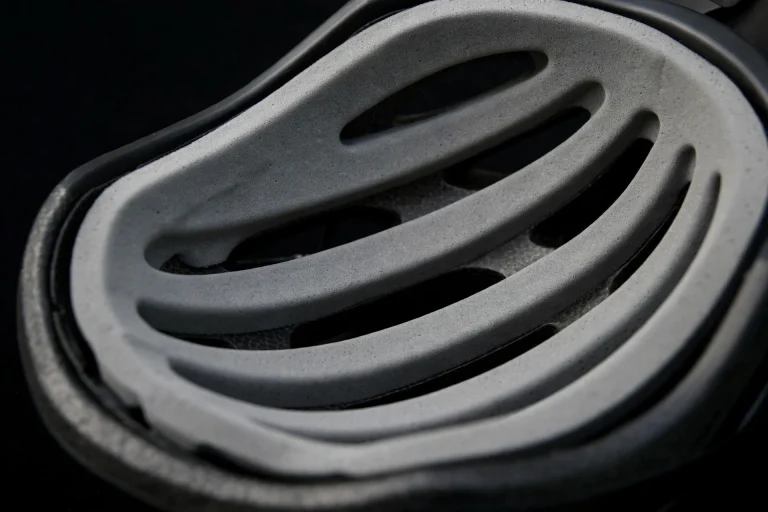
A helmet can have rubber in several places, and each part has a small but useful job. The most common rubber part is the edge trim that runs around the base of the shell, where it covers the raw edge and gives the helmet a neat, finished look. There is often a rubber seal around the visor or the eye port, a rubber gasket where the vents meet the shell, and small rubber pads or washers where the straps and the peak attach to the shell.
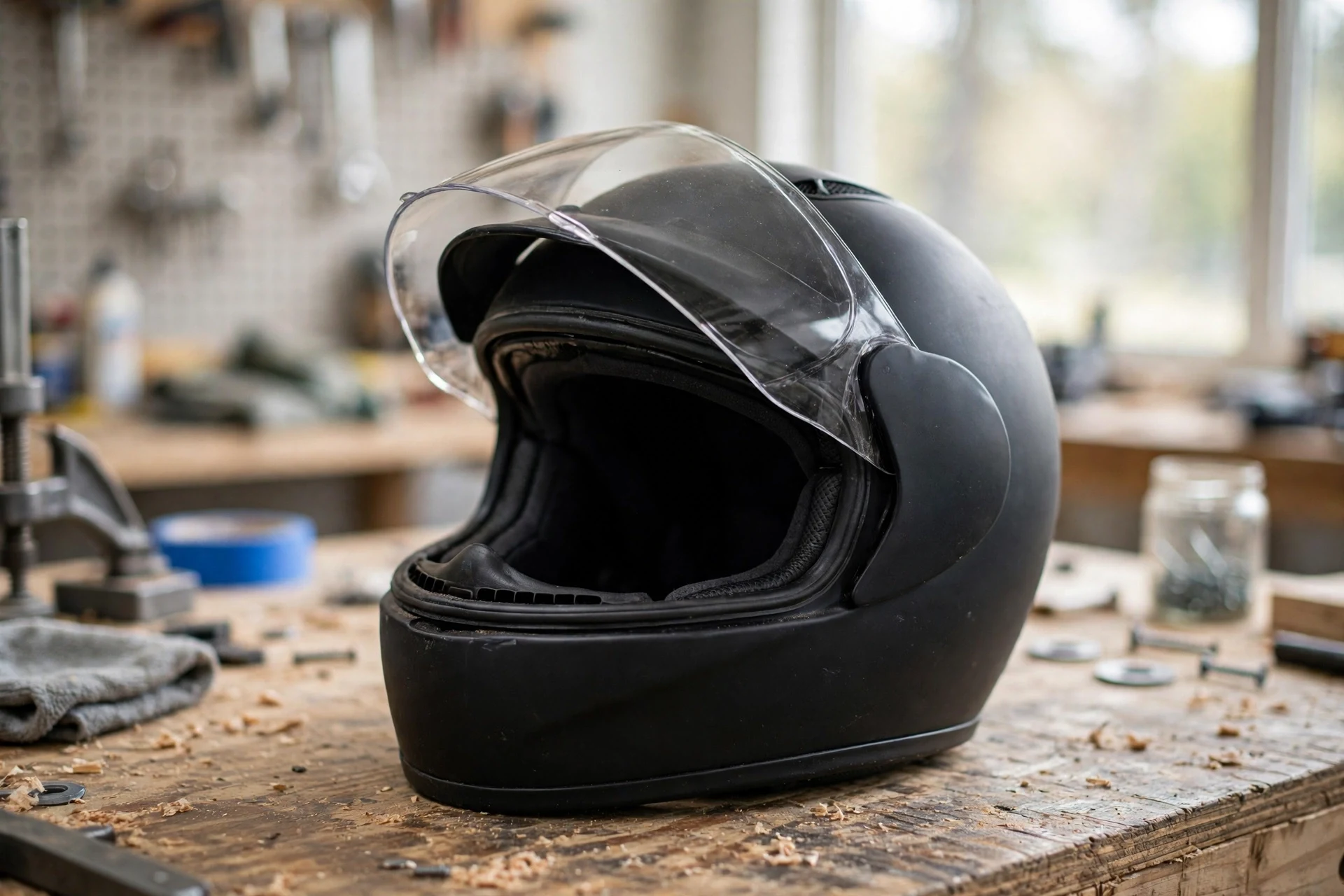
Some helmets also have rubber grip strips on the chin curtain or on the inside of the peak, and rubber plugs or covers over screw holes and mounting points. On a motorcycle helmet the visor seal is the most visible rubber part. In general terms, if a part of a helmet needs to be soft, flexible, and weatherproof, rubber is the material the maker reaches for.
Why Is Rubber Used in Helmets?
Rubber is used in helmets because it is soft, flexible, and able to form a tight seal against a hard surface, which makes it ideal for keeping rain, wind, and dust out of the helmet. Unlike the hard shell or the stiff foam liner, rubber can bend and squash slightly, so it can fill small gaps and stay in contact with the surface it seals even when the helmet moves or vibrates. That flexibility is what lets a visor seal keep water out on a wet ride.
Rubber also absorbs small vibrations and stops parts from rattling, which makes the helmet quieter. It grips well, so it helps straps, pads, and covers stay in place without slipping, and it is comfortable against the skin where it touches the face or the neck. In general terms, rubber is chosen wherever a helmet needs a part that is soft, grippy, and able to seal a gap.
What Kind of Rubber Is Used in a Helmet?
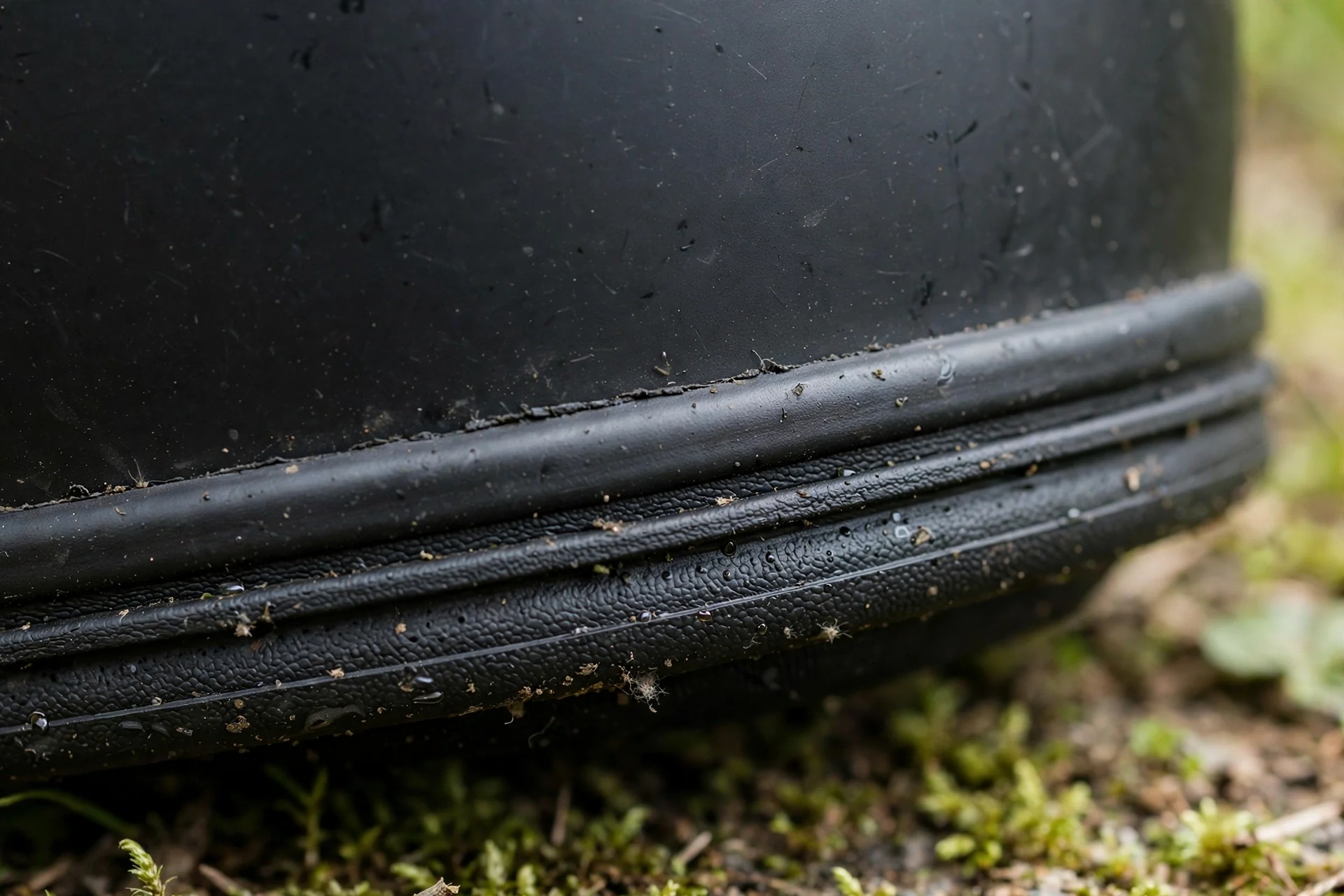
The rubber used in helmets is usually a synthetic rubber, which is made to stay flexible in hot and cold weather and to resist wear from sun, sweat, and rain. Natural rubber can stiffen in the cold and soften in the heat, so makers prefer synthetic types that hold their shape across a wide range of conditions. The exact type depends on the part: a visor seal needs to stay soft and springy, while edge trim needs to be tough enough not to peel away.
Some rubber parts are moulded into their final shape, while others are cut from sheet rubber and glued or pressed into place. In general terms, the rubber in a helmet is a small part of the whole, but it is made to a high standard because a seal that fails lets water in and a trim that comes loose looks untidy and can catch on things. Good rubber stays flexible for years, while poor rubber can harden, crack, and shrink with age and exposure to sunlight.
How Does Rubber Help With Fit and Comfort?
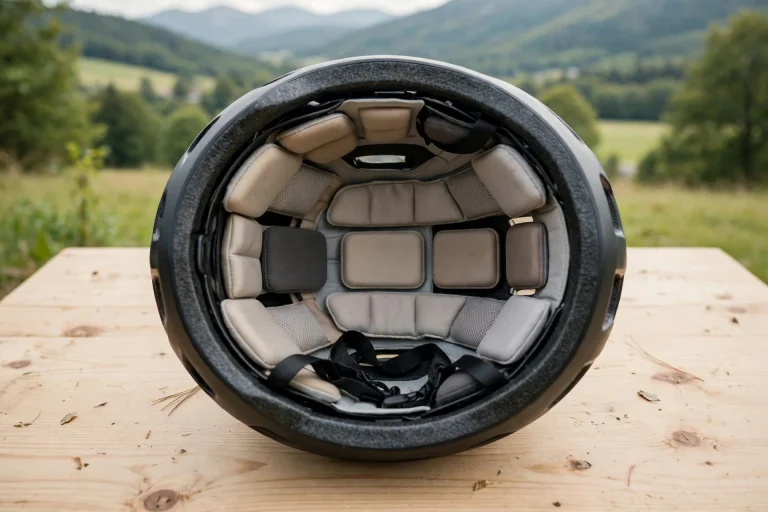
Rubber helps with fit and comfort by softening the places where hard parts of the helmet meet the rider’s head, face, and neck. The edge trim around the base of the shell stops the hard edge from digging in, and rubber pads where the straps meet the shell stop the straps from rubbing or pinching. On helmets with a chin curtain, a soft rubber edge helps the curtain sit gently against the chin without irritating the skin.
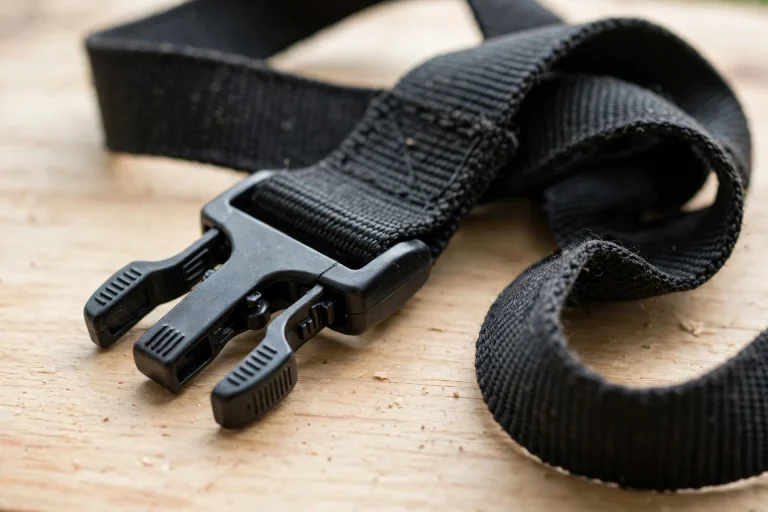
Rubber also helps the helmet stay in place, because it grips the skin and the hair more than smooth plastic does. A rubber-lined strap guide or a rubber pad under a buckle keeps the strap from sliding around, so the fit stays the same during a ride. If you want to understand one of the safety technologies used in modern helmets, reading about MIPS is a good place to start, though the rubber parts themselves are about comfort and sealing rather than impact protection.
How Does Rubber Protect Against Water and Dust?
Rubber protects a helmet against water and dust by forming a seal wherever there is a gap between two parts, such as between the visor and the shell or around a vent opening. When the visor is closed, its rubber seal presses against the shell and blocks the path that rain would take into the helmet, so the rider’s face stays dry. Around the vents, small rubber gaskets stop rain from running through the openings and into the padding.
The same sealing effect keeps dust and insects out, which matters on dry, dusty roads and trails. In general terms, a rubber seal only works if it is clean and undamaged, so dirt or grit caught in the seal can let water through, and a seal that has hardened or cracked will not press evenly against the shell. Wiping the seals clean and checking them for damage is a simple way to keep a helmet weatherproof.
How Do You Look After the Rubber Parts of a Helmet?
Looking after the rubber parts of a helmet is mostly a matter of keeping them clean and keeping them out of harsh sunlight when the helmet is not being worn. The seals and trim should be wiped with a damp cloth to remove dirt, sweat, and insect remains, and they should be left to dry naturally rather than dried with heat, which can make rubber hard and brittle. Rubber that is kept clean stays flexible for much longer.
It is worth checking the rubber parts from time to time for cracks, hardening, or peeling, especially on an older helmet or one that has been left in the sun. If a visor seal has gone hard or a piece of edge trim has come loose, it should be replaced following the maker’s instructions, since a worn seal lets water in and loose trim can catch on clothing or straps. In general terms, the rubber parts are small and cheap to replace, but they make a real difference to how dry, quiet, and comfortable a helmet feels.
Is the rubber in a helmet important for safety?
In general terms, no. Rubber seals and trim do not absorb impact, so they are not a safety feature in themselves. They matter for comfort, weatherproofing, and keeping parts in place, while the shell and the foam liner do the protective work.
Can rubber parts on a helmet be replaced?
Yes, in general terms. Visor seals, edge trim, and vent gaskets can usually be replaced, and many makers sell them as spare parts. It is best to use the maker’s own parts so the new seal fits the helmet exactly.
Why does the rubber on an old helmet go hard?
In general terms, rubber hardens with age, sunlight, and heat, which makes it stiff and less able to seal a gap. Storing a helmet in a cool, shaded place and keeping the rubber clean slows this down, but old rubber will eventually need replacing.

Olivia
Writer at Helmet Today, covering helmet reviews, fit and riding safety.