Circus performers wear a helmet only for some acts: in general terms, there is no single rule for the circus, because a clown, an aerialist, and a motorcycle stunt rider face very different risks, and each act decides its own head protection. Some circus acts use real helmets, some use costume headpieces that only look like helmets, and some use no head protection at all. The honest answer is that it depends entirely on the act, and a performer who says they wear a helmet is usually talking about one specific, high-risk skill.
This guide explains which circus acts use helmets, which use costume headpieces instead, what head risks performers do face, and how performers choose between a real helmet and a lookalike. In general terms, the rule of thumb is simple: if the act involves speed, height, or hard surfaces, a real helmet is sensible; if the act is about character, comedy, or balance, the headpiece is usually part of the costume, not protection.
Which circus acts use a real helmet?
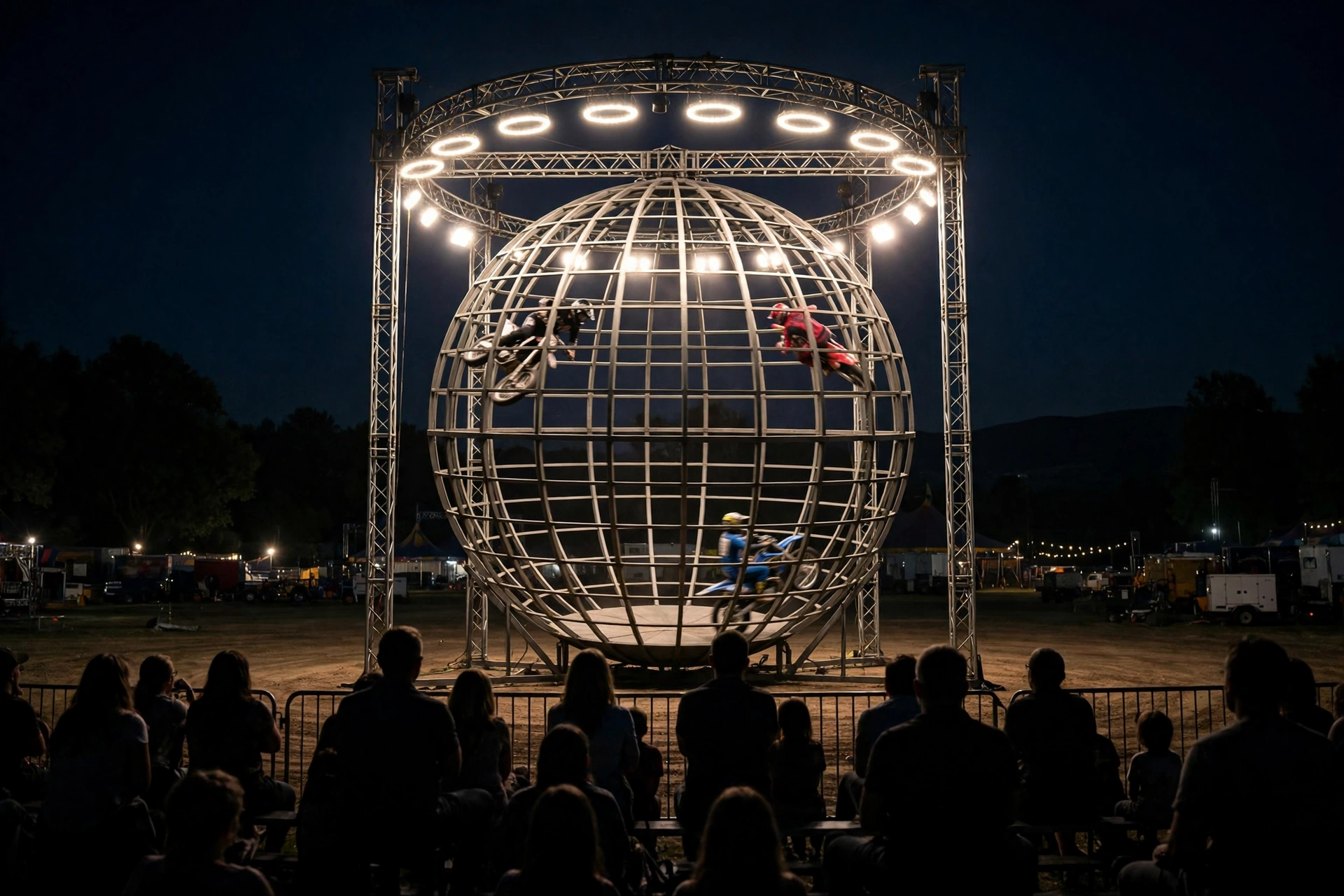
The clearest case is motorbike acts, such as the Globe of Death, where riders circle inside a steel sphere at speed. Riders in these acts wear real motorcycle helmets, because a fall inside a steel cage at speed is a serious impact, and no costume piece can protect against it. The same is true of any act that uses a motorbike, a bicycle at speed, or a vehicle of any kind inside the ring.
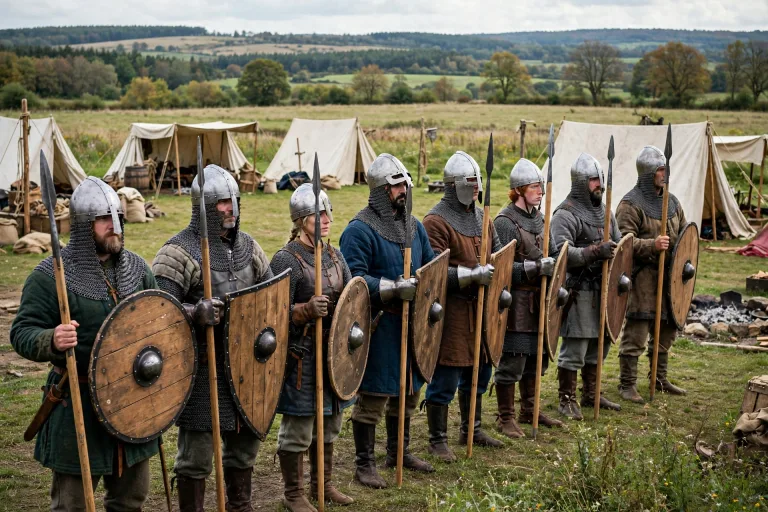
Other acts where a real helmet is common include high-speed juggling on a unicycle, stunt falls, and some acrobatic acts where the performer is thrown or caught. The helmet is usually chosen to match the costume where possible, but protection comes first, and a performer will wear a plain helmet rather than go without one.
Which circus performers wear costume headpieces instead?
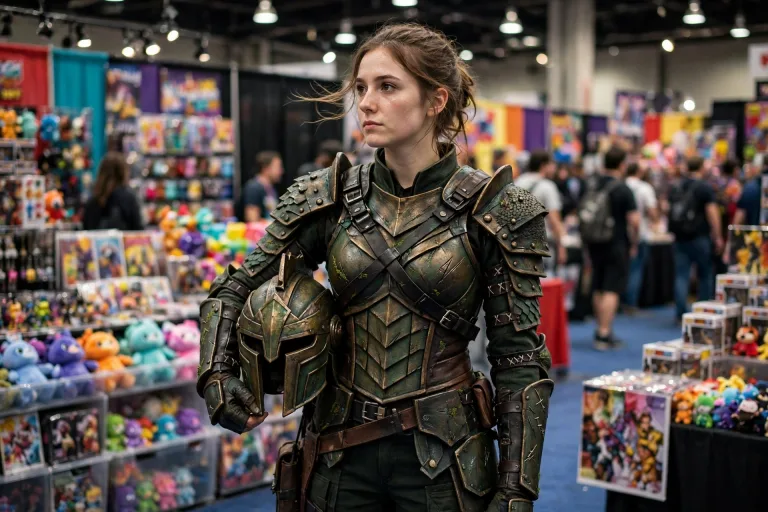
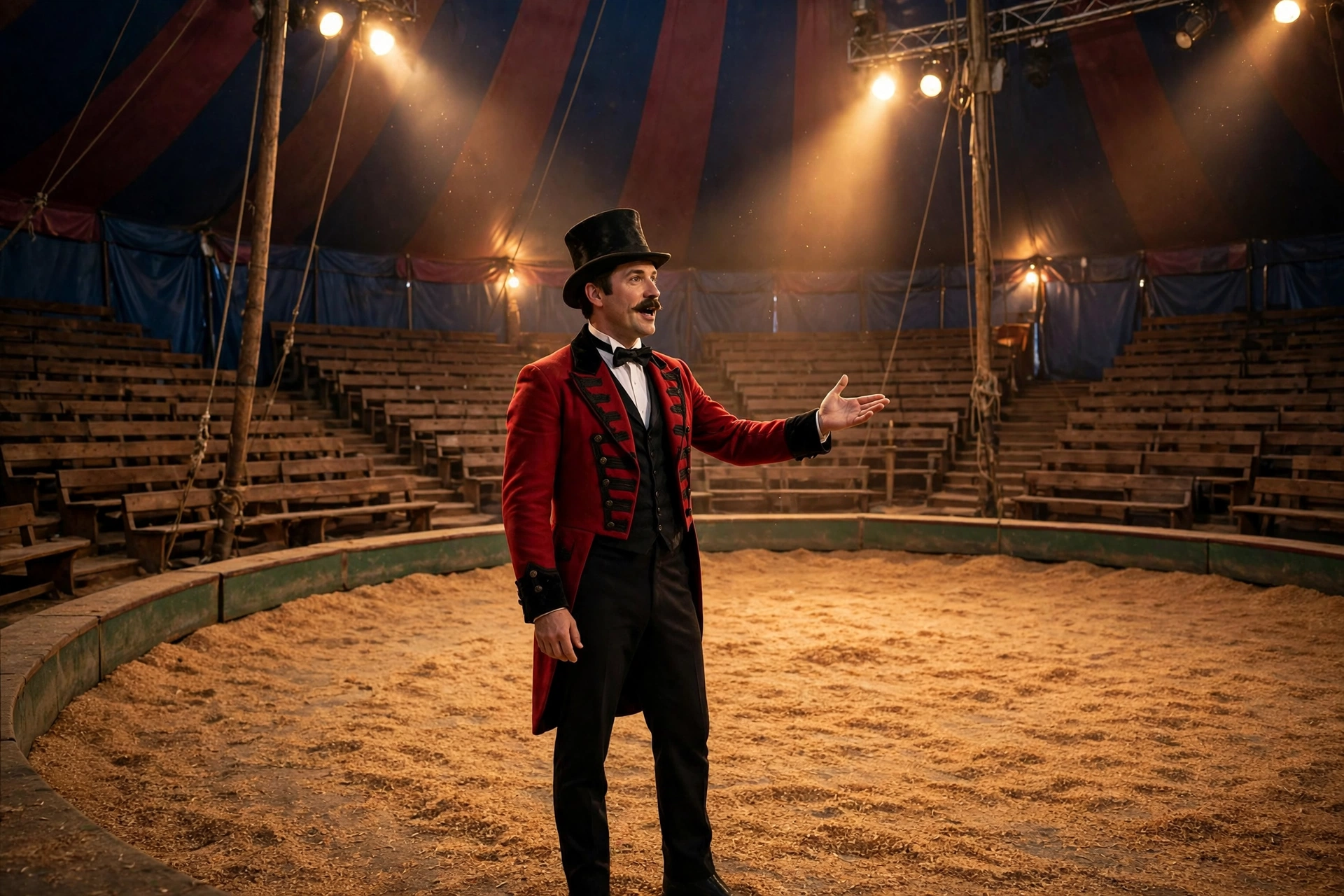
Many circus performers wear headpieces that look like helmets but are not protective at all. A clown’s hat, a ringmaster’s top hat, a showgirl’s headdress, and a strongman’s headband are all costume, made to be seen from the back of the tent, and they offer no protection in a fall. Some acts use a helmet-shaped prop, made from foam or thin plastic, that is part of the character rather than safety kit.
Aerialists are a good example of the other side of this. A trapeze artist, a silk performer, or a rope climber works high above the ring with no helmet, because a helmet would add weight, limit vision, and could catch on the equipment. Their safety comes from the rigging, the net or mat below, and years of training, not from head protection.
What head risks do circus performers face?
Circus performers face a wide range of head risks, because the work covers so many different acts. Aerialists can fall from height, acrobats can be dropped by a partner, jugglers can be struck by a falling prop, and riders can crash inside a globe or on a ramp. A knock to the head in the ring can cause a cut, a bruise, or in rare cases a concussion, and a fall from height is the most serious risk of all.
Other risks are less dramatic but still worth noting. Performers can slip on a dusty ring floor, collide with rigging or props in the dark, or be struck by a piece of equipment during a fast changeover. In general terms, the risks depend on the act, and a performer who does several different acts faces a different set of risks in each one. That is why the choice of head protection is made act by act, rather than by a single rule for the whole circus.
How do performers choose between a real helmet and a prop?
Performers choose a real helmet when the risk of a hard impact is real and the helmet will not ruin the act. That means checking whether the helmet fits the costume, whether it blocks vision or hearing, and whether it could catch on rigging or props. If the helmet passes those checks, it is worn. If it fails them, the performer looks for another way to reduce the risk, such as changing the act, adding mats, or practising the skill more slowly.
A prop helmet is chosen when the act needs the look of a helmet but the risk of impact is low. A clown who wears a foam helmet as part of a joke, for example, is not expecting to hit their head, and a real helmet would be heavy, hot, and out of character. In general terms, the honest approach is to ask what the headpiece is for: if it is there to protect, it must be a real helmet; if it is there to make people laugh, it is costume, and nobody should mistake it for protection.
What should a circus performer look for in a helmet?
A circus performer who needs a real helmet should look for one that fits the act. A motorcycle helmet is right for a motorbike act, a light sports helmet suits a fast ground act, and a helmet with good ventilation matters under hot ring lights. Fit is the most important thing: a helmet that slips, blocks vision, or presses on the forehead will be taken off, and a helmet that is not worn protects nobody.
The performer should also check that the helmet is in good condition, with no cracks, loose padding, or damaged straps, and that it is replaced after a hard impact. A helmet that has already absorbed a crash may look fine but may not protect again. In general terms, a helmet is a piece of safety equipment, not a costume, and it should be treated like one, with regular checks and replacement when needed. Some modern helmets include a system designed to reduce rotational forces in a fall, such as MIPS, and a performer choosing a helmet should look for one that fits well and suits the act, rather than the cheapest option.
How do circus performers stay safe without a helmet?
Performers who do not wear a helmet stay safe through training, rigging, and rehearsal. Aerialists practise over nets and mats, acrobats build a skill in small steps with spotters, and every act is rehearsed many times before it is performed for an audience.
Performers also rely on each other. A partner who catches, a rigger who checks the lines, and a ringmaster who calls the act all play a part in keeping everyone safe. If a performer is hurt, the show stops and the injury is treated like any other head injury, with the performer checked before they return. In general terms, the safety system in a circus is built on preparation, teamwork, and respect for the risks, and a helmet is only one part of it, used where it fits the act.
Do circus performers wear helmets?
Some do and some do not, depending on the act. In general terms, motorbike and high-speed acts use real helmets, while clowns, aerialists, and character acts usually wear costume headpieces or nothing at all.
Is a costume helmet the same as a real helmet?
No, a costume helmet made from foam or thin plastic is a prop, not protection. It may look like a helmet from the audience, but it will not protect the head in a fall.
What should a performer do after a head knock in the ring?
Stop the act and get checked, just as an athlete would. In general terms, any head knock should be treated seriously, and the performer should not carry on if there are symptoms such as dizziness, confusion, or headache.

Olivia
Writer at Helmet Today, covering helmet reviews, fit and riding safety.