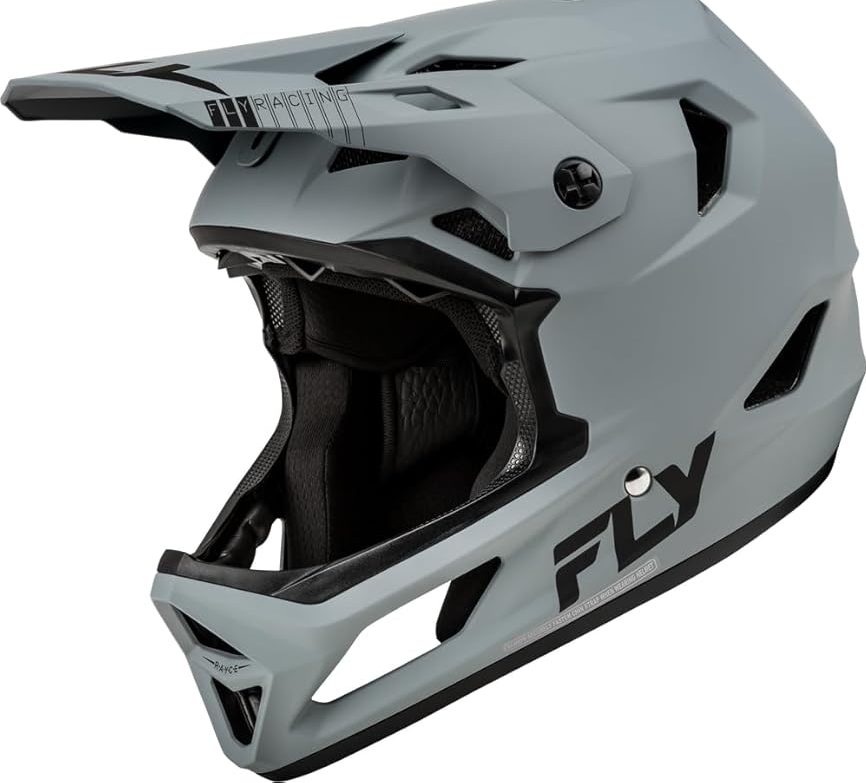

When I first looked into is there a motorcycle helmet law in Michigan, I found that the answer is not as simple as “yes” or “no.” Michigan does have a helmet law, but some riders can legally ride without a helmet.
The part that causes confusion is the exemption. Age alone is not enough. You also need to meet rules about motorcycle training or endorsement history and medical coverage. I broke the rules down below so you can quickly see where you stand.
Is There a Motorcycle Helmet Law in Michigan?
Yes. Michigan has a motorcycle helmet law under MCL 257.658. However, the law allows some riders age 21 and older to ride without a helmet if they meet specific conditions.
This is the first thing I would keep in mind. Michigan is not simply a “no helmet” state. The helmet exemption has clear limits.
| Rider | Basic rule |
|---|---|
| Under 21 | Helmet required |
| 21+ and meets exemption rules | Helmet may not be required |
| 21+ but fails an exemption rule | Helmet required |
The Michigan State Police gives the same basic answer. A motorcycle operator must wear a helmet unless the rider meets all of the conditions for the exemption.
When Can a Michigan Rider Go Without a Helmet?
A rider age 21 or older may ride without a helmet when the required conditions are met.
The rider must have at least $20,000 in first-party medical benefits and either have held a motorcycle endorsement for at least two years or have passed an approved motorcycle safety course.
| Requirement | What you need |
|---|---|
| Age | At least 21 |
| Experience or training | 2+ years with an endorsement or approved safety course |
| Medical benefits | At least $20,000 |
I would not skip any of these checks. The easiest mistake is to think turning 21 automatically makes a rider exempt. It does not.
What If You Are Under 21?
If you are under 21, the rule is much easier.
You must wear an approved motorcycle helmet.
Michigan’s motorcycle operator manual says a helmet is required for riders under 21. The same rule applies while taking an approved rider course or skills test.
This is one area where I would not rely on advice from another rider. Someone may tell you, “You don’t need one in Michigan,” but they may be talking about the adult exemption.
| Situation | Helmet? |
|---|---|
| Rider under 21 | Yes |
| Rider taking approved training | Yes |
| Rider taking skills test | Yes |
| Eligible rider 21+ outside those situations | May be exempt |
The age rule is simple, but the other conditions become important once a rider turns 21.
Does the Motorcycle Endorsement Matter?
Yes. It can matter both for riding legally and for the helmet exemption.
Michigan requires a motorcycle endorsement to operate a motorcycle or three-wheeled motorcycle on public roads. The Michigan Department of State says riders can get an endorsement through an approved rider education course or through the temporary instruction permit and skills-test process.
There is an important distinction here.
Having a motorcycle endorsement does not automatically mean you can ride without a helmet. For the helmet exemption, the endorsement generally must have been held for at least two years unless you have completed an approved motorcycle safety course.
| Question | Answer |
|---|---|
| Need an endorsement to ride? | Yes |
| Does an endorsement alone remove the helmet rule? | No |
| Can an approved safety course satisfy the exemption? | Yes |
That distinction is easy to miss when reading short summaries of Michigan motorcycle law.
What About Motorcycle Safety Courses?
An approved motorcycle safety course can be important for the helmet exemption.
Michigan’s rider education program offers several courses. The Basic RiderCourse is designed for new riders, while other courses are aimed at riders with more experience.
One useful point I found is that you do not need years of riding experience before taking the basic course. Michigan says the basic course is designed to teach new riders the fundamentals.
If you are considering the helmet exemption, keep proof of your course completion. Paperwork may seem boring until you need to show that you completed the required training.
Does a Temporary Instruction Permit Let You Skip the Helmet?
No. A temporary instruction permit does not create the same helmet exemption as meeting the full requirements.
Michigan’s motorcycle information says a TIP lets a rider practice before taking the rider skills test. It also places limits on the rider, such as no nighttime riding or passengers and constant visual supervision by a qualified motorcycle operator.
| Rider status | Practical result |
|---|---|
| TIP holder | Follow TIP restrictions and helmet rules |
| Full endorsement | Normal endorsement rules apply |
| 21+ with exemption conditions | May ride without a helmet |
So I would not assume that getting a TIP is the shortcut to riding helmet-free.
What Medical Insurance Do You Need?
This is probably the most overlooked part of the Michigan helmet law.
A rider who uses the helmet exemption must have at least $20,000 in first-party medical benefits. The Michigan statute sets out the medical-benefit requirement for riders who do not wear a helmet.
Michigan State Police also describes the requirement as at least $20,000 in medical insurance coverage.
| Situation | Minimum medical benefit |
|---|---|
| Eligible rider without passenger | $20,000 |
| Rider with passenger | $20,000 per person, subject to the statutory rules |
| No required coverage | Helmet exemption does not apply |
This is why I would check your actual insurance policy instead of guessing. A general statement like “I have health insurance” may not answer the legal question.
Do Passengers Have to Wear Helmets in Michigan?
Passengers have a separate rule.
A passenger does not have to wear a helmet if the passenger is at least 21 and has at least $20,000 in first-party medical benefits in addition to the insurance required for the motorcycle operator.
That means the rider and passenger should not assume they both qualify just because the operator qualifies.
| Passenger | Helmet rule |
|---|---|
| Under 21 | Helmet required |
| 21+ with required medical coverage | May qualify for exemption |
| 21+ without required coverage | Helmet required |
There is another rule worth knowing. Michigan says a motorcycle passenger must be able to place their feet on the assigned footrests or pegs, except when a permanent physical disability prevents it.
That makes passenger safety more than just a helmet question.
What Kind of Helmet Is Legal in Michigan?
When a helmet is required, it must meet the applicable standards.
Michigan State Police advises riders to look for DOT compliance information on the helmet, box, and paperwork. It also warns that novelty helmets sold through questionable sources may not meet the required standards.
| Helmet choice | My takeaway |
|---|---|
| DOT-compliant helmet | Good choice when a helmet is required |
| Novelty helmet | Do not assume it meets the standard |
| Unknown used helmet | Check its condition and compliance carefully |
The Michigan motorcycle manual also notes that a full-face helmet gives the most head and face coverage.
Even when an adult can legally skip a helmet, I would still wear one. The law gives some riders a choice. Physics does not.
Are There Other Helmet Rules I Should Know?
Yes. Eye protection is another detail that can get lost in a quick search.
Michigan’s motorcycle safety guidance says riders traveling faster than 35 mph must use shatterproof goggles or a face shield, or have a windshield.
That means riding without a helmet does not mean you can ignore eye protection.
| Riding setup | Eye protection |
|---|---|
| Goggles | Meets the basic protection approach |
| Face shield | Protects the eyes |
| Windshield | Can provide the required protection |
This is also just practical. At road speed, a bug in your eye is a surprisingly effective reminder that you forgot your goggles.
What About Mopeds?
Mopeds have their own rule, so I would not mix the moped and motorcycle laws together.
Michigan says a moped operator under 19 must wear a crash helmet.
The state also defines motorcycles and mopeds differently. Some scooters can fall into either category based on their engine and speed, so the vehicle’s classification matters.
| Vehicle | Helmet point |
|---|---|
| Motorcycle | Motorcycle helmet rules apply |
| Moped under 19 | Helmet required |
| Moped 19+ | Helmet strongly encouraged |
If you have a scooter, it is worth checking how Michigan classifies it before assuming one set of rules applies.
Common Michigan Helmet Law Mistakes
After digging through the actual Michigan guidance, I think the biggest problem is oversimplified advice.
People often remember only one part of the rule. That can lead to a bad assumption.
| Common mistake | Better approach |
|---|---|
| “I’m 21, so I don’t need one.” | Check every exemption condition |
| “I have an endorsement, so I’m exempt.” | Check the two-year or course requirement |
| “I have health insurance.” | Confirm the required medical benefits |
| “My passenger can skip it too.” | Check the passenger’s age and coverage |
| “Any helmet is legal.” | Check DOT compliance |
I would also avoid relying on a friend’s experience. Their age, insurance, endorsement history, and training may be different from yours.
Is It Safer to Wear a Helmet Anyway?
Yes, and this is where legal and practical advice can differ.
Michigan’s own motorcycle manual points out that crashes are unpredictable and that a helmet can reduce the severity of head injuries. It recommends protective gear even when a rider may legally qualify for an exemption.
For me, that is the simple way to look at it. The law tells you when you may ride without a helmet. It does not tell you that riding without one is the safer choice.
A proper helmet also gives you some protection from road debris, weather, and unexpected falls. Those are risks that do not care whether you are five minutes from home.
So, Is There a Motorcycle Helmet Law in Michigan?
Yes, there is a motorcycle helmet law in Michigan. But Michigan also has a helmet exemption for certain riders age 21 and older.
To qualify as an adult operator, you generally need to be at least 21, have held a motorcycle endorsement for at least two years or passed an approved motorcycle safety course, and have at least $20,000 in first-party medical benefits.
The safest way to handle the rule is to check every condition instead of focusing only on your age. If even one requirement is missing, do not assume the exemption applies.
Final Thoughts
So, is there a motorcycle helmet law in Michigan? Absolutely. The unusual part is that Michigan lets some adults legally ride without a helmet when they meet the required conditions.
My biggest takeaway is simple: treat the helmet exemption as a legal exception, not a safety recommendation. If you are unsure about your insurance, endorsement history, or training status, wearing a compliant helmet is the easy choice while you confirm the rules.
FAQ
Is there a motorcycle helmet law in Michigan?
Yes. Michigan requires helmets unless a rider meets its exemption rules. Some riders age 21+ may legally ride without one.
Can you ride a motorcycle without a helmet in Michigan?
Yes. A rider age 21+ may do so if the rider meets the training, endorsement, and medical benefit rules.
What age can you ride without a helmet in Michigan?
You must be at least 21. You also need the required training or endorsement history and medical coverage.
Do motorcycle passengers need helmets in Michigan?
Passengers under 21 must wear a helmet. Some passengers age 21+ may qualify for an exemption with the required medical coverage.
How much medical coverage is needed to ride without a helmet?
Michigan requires at least $20,000 in first-party medical benefits for an eligible rider using the helmet exemption.
Do you need a motorcycle endorsement in Michigan?
Yes. Michigan requires a motorcycle endorsement to operate a motorcycle or three-wheeled motorcycle on public roads.

Olivia
Writer at Helmet Today, covering helmet reviews, fit and riding safety.