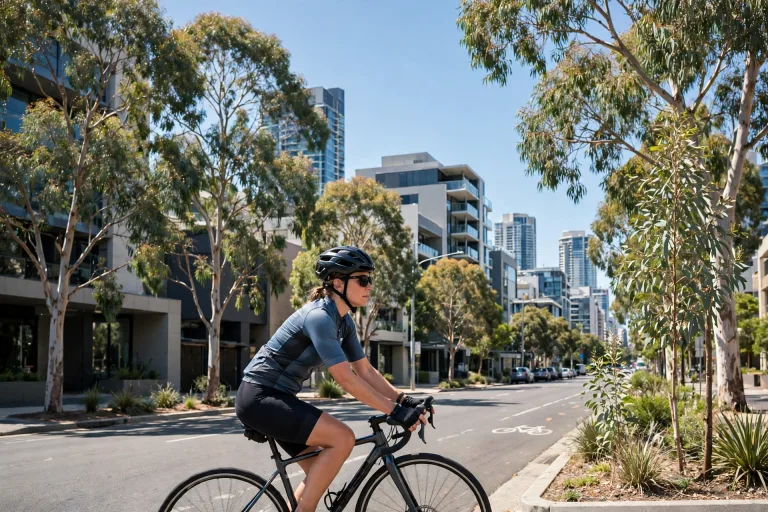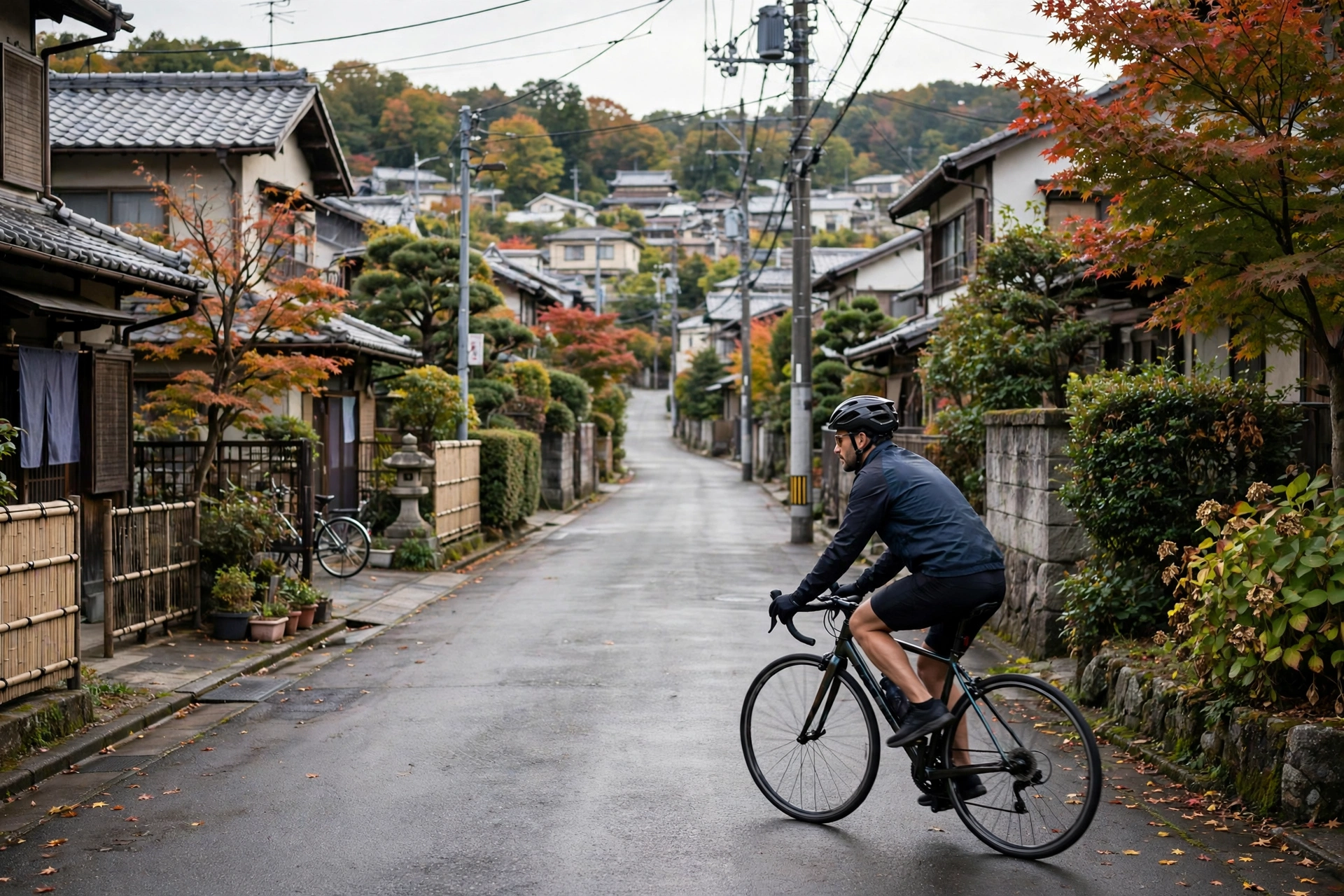
Bicycle helmet laws in Japan require cyclists to wear a helmet, following a change that made helmet use an obligation for all cyclists, although the rule is enforced as a duty rather than with fines. In general terms, the law asks every person riding a bicycle in Japan to wear a helmet, and it applies to adults and children alike. The aim is to reduce head injuries in cycling crashes, which are a leading cause of serious injury on Japanese roads.
Japan has a large cycling population, and bicycles are a part of daily life in cities, towns, and the countryside. Many people ride to work, to school, and to the shops, and the roads they use are shared with cars, buses, and pedestrians. The helmet law is meant to protect those everyday riders, and it reflects a growing awareness that a fall from a bicycle, even at low speed, can cause a serious head injury.
Do cyclists have to wear a helmet in Japan?
Yes, in general terms cyclists in Japan are required to wear a helmet, and the rule applies to all ages. The law makes helmet use an obligation, which means every cyclist should wear one when riding. However, the law does not set a fine for riding without a helmet, so it is enforced by encouragement and by guidance rather than by penalties. Police can remind a cyclist to wear a helmet, but they do not issue a fine for riding without one.
That approach is different from countries where riding without a helmet brings a fine, and it means the law works more like a strong recommendation backed by the force of law. In general terms, helmet wearing in Japan is increasing, but many cyclists still ride without one, especially on short local trips. The government and local authorities run campaigns to encourage helmet use, and schools often require helmets for children cycling to school.
Does the helmet law apply to children in Japan?
Yes, the helmet law in Japan applies to children as well as adults, and in general terms children are expected to wear a helmet whenever they ride a bicycle. Parents are responsible for making sure their children wear a helmet, and schools often check that children cycling to school are wearing one. A child’s helmet must fit properly, with the strap fastened, and it should be replaced as the child grows.
Children are among the most at-risk cyclists, because they are less experienced, less visible in traffic, and more likely to fall. In general terms, a helmet is especially important for a child, and the law reflects that by covering all ages. If you are cycling in Japan with a child, make sure the child’s helmet fits snugly, covers the forehead, and stays in place when the child shakes their head.
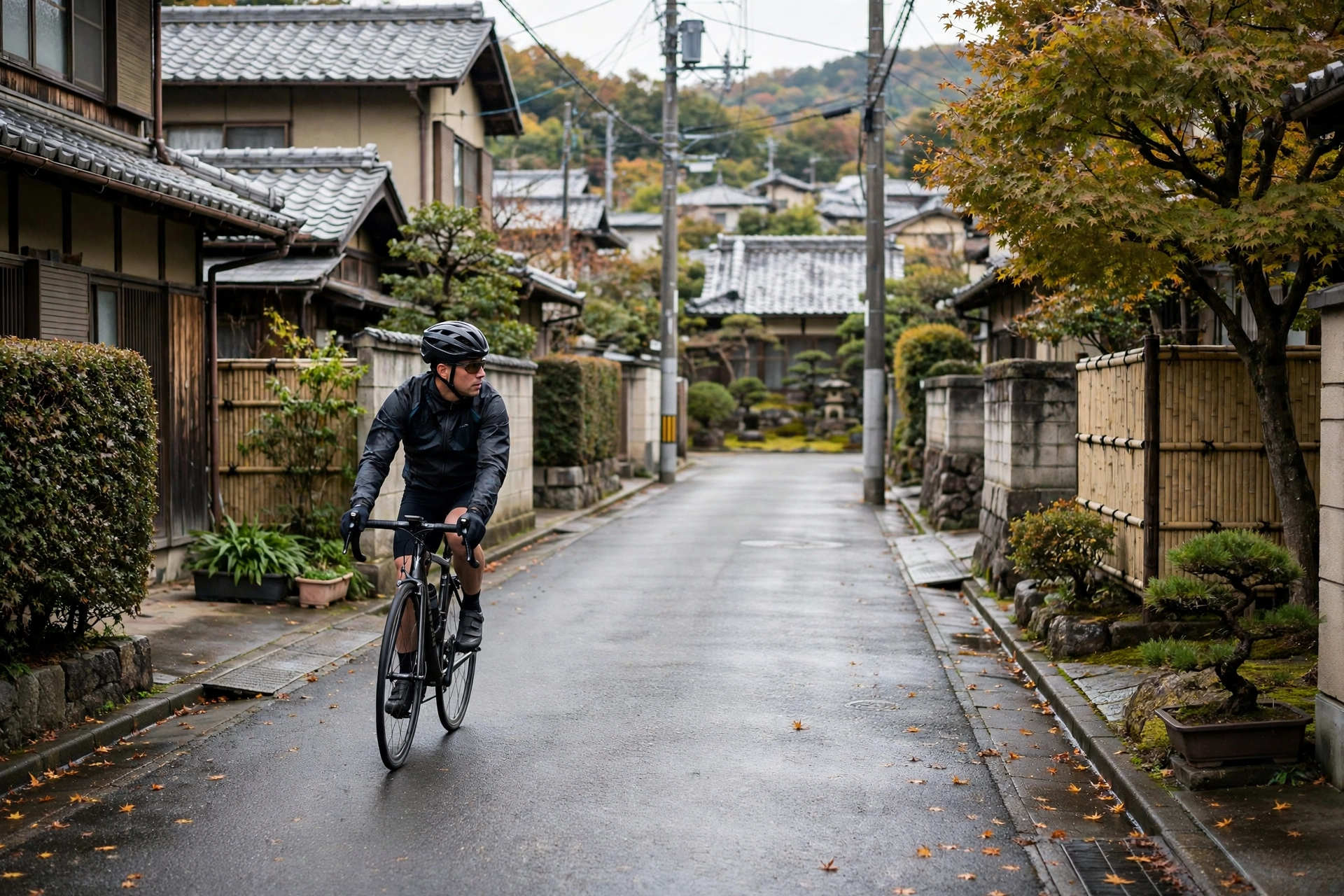
What type of helmet should cyclists wear in Japan?
Cyclists in Japan should wear a bicycle helmet that meets a recognised safety standard, fits well, and is comfortable to wear on everyday rides. In general terms, the helmet should be a proper cycling helmet, with a hard shell and an energy-absorbing liner, rather than a fashion hat or a soft cap. The helmet should sit level on the head, cover the forehead, and stay in place when the rider shakes their head.
The helmet should also be comfortable in Japan’s climate, which is hot and humid in summer. Look for a helmet with good ventilation, so the head stays cool, and a light colour, so it absorbs less heat in the sun. Some helmets include a system designed to reduce rotational forces in a fall, such as MIPS, which is an extra feature worth considering for a rider who shares the road with traffic every day. The most important thing is that the helmet fits, because a helmet that fits is one you will wear.
What happens if you ride without a helmet in Japan?
If you ride without a helmet in Japan, you will not be fined, because the law does not set a penalty for riding without one. In general terms, police can stop a cyclist and remind them to wear a helmet, and local campaigns encourage helmet use, but there is no fine and no points on a licence. That does not mean the law is unimportant: it sets a clear expectation that cyclists should wear a helmet, and it gives schools, employers, and parents a basis for requiring one.
The real cost of riding without a helmet is not a fine, but the risk to the head in a crash. A fall from a bicycle at even a modest speed can cause a serious head injury, and a helmet is the single most effective piece of protective kit a cyclist can wear. In general terms, the law is there to protect the rider, not to punish them, and the sensible response is to wear a helmet on every ride, whether or not a fine applies.
How do I choose a helmet for cycling in Japan?
To choose a helmet for cycling in Japan, look for a helmet that meets a recognised safety standard, fits well, and is comfortable in hot and humid weather. The helmet should sit level, cover the forehead, and stay in place when you shake your head. The chin strap should fasten firmly under the chin, and the helmet should not lift or rock when you move. In general terms, a helmet that fits properly is one you will wear happily on every ride, and that matters more than any extra feature.
Try the helmet on with any glasses, cap, or rain gear you use, and check that the vents are not blocked by a hat or a hood. A light-coloured helmet will feel cooler in the summer sun, and a helmet with a visor or a peak can shield the eyes from low sun and rain. Buy from a reputable shop, keep the receipt, and check the helmet regularly for damage. A helmet that has been in a crash should be replaced, even if the damage looks small.
Is it illegal to cycle without a helmet in Japan?
In general terms, the law requires cyclists in Japan to wear a helmet, but there is no fine for riding without one. The rule is enforced through guidance and encouragement rather than penalties.
Do tourists cycling in Japan need a helmet?
Yes, the helmet law applies to everyone cycling in Japan, including visitors. In general terms, a tourist who hires a bicycle should ask for a helmet with the hire, and wear it on every ride.
Does the helmet law apply to electric bicycles in Japan?
Yes, the helmet law applies to riders of electric bicycles as well as ordinary bicycles. In general terms, any person riding a bicycle, including an electrically assisted one, is expected to wear a helmet.

Olivia
Writer at Helmet Today, covering helmet reviews, fit and riding safety.