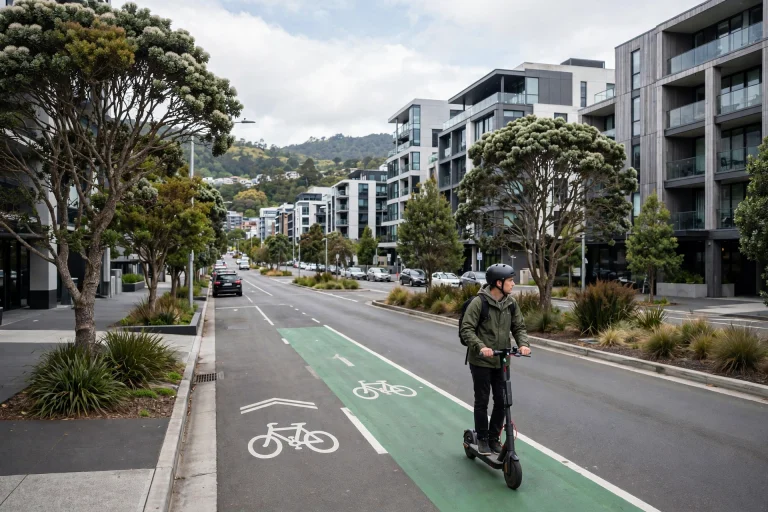
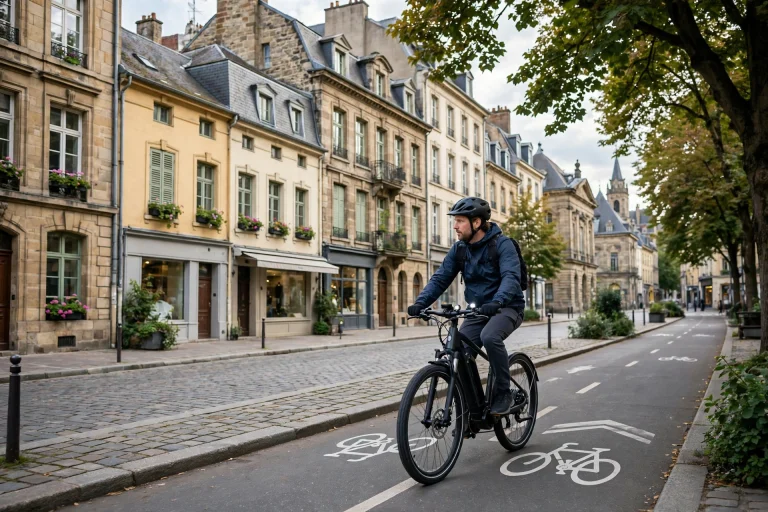
If you have ever wondered, is wearing a helmet a law for bicycles, the answer depends on where you ride and how old you are. In California, the answer is yes for anyone under 18 riding a bicycle in places covered by state law.
I used to think bicycle helmet laws worked much like motorcycle helmet laws. They do not. The California rule is age-based, and the state first put its current under-18 rule into effect on January 1, 1994.
Is Wearing a Helmet a Law for Bicycles in California?
Yes, but California does not require every bicycle rider to wear a helmet under state law.
California Vehicle Code Section 21212 requires people under 18 to wear a properly fitted and fastened bicycle helmet when riding on a street, bikeway, public bicycle path, or public trail. The rule also covers young passengers riding on a bicycle.
| Rider | California state rule |
|---|---|
| Under 18 | Helmet required |
| 18 or older | No statewide bicycle helmet mandate |
| Child passenger | Helmet required if under 18 |
That age line is the first thing I would remember. California has a bicycle helmet law, but it is not a statewide all-age bicycle helmet law. The current IIHS table lists California as requiring helmets for bicyclists 17 and younger.
Where Does the California Helmet Rule Apply?
The state rule applies when the person rides on a street, bikeway, or other public bicycle path or trail.
That detail matters because the law does not simply say that every person under 18 must wear a helmet everywhere they ride. The location of the ride is part of the rule.
| Location | Under-18 rider |
|---|---|
| Public street | Helmet required |
| Public bikeway | Helmet required |
| Public bicycle path or trail | Helmet required |
So if a child is riding around a private yard, do not automatically apply the public-road rule to that situation.
When Did California’s Bicycle Helmet Law Start?
California’s current statewide bicycle helmet law for people under 18 took effect on January 1, 1994.
The California Legislature passed the measure in 1993, and Governor Pete Wilson signed it. Research on California’s law also identifies 1993 as the year the state passed the law and January 1, 1994 as its effective date.
This is one of those dates that gets mixed up online.
| Date | What happened |
|---|---|
| 1993 | Statewide under-18 law passed |
| January 1, 1994 | Law took effect |
| January 1, 1995 | Fines began after the warning period |
So, if someone asks when did California bicycle helmet law start, the clean answer is January 1, 1994.
Was There a California Bicycle Helmet Rule Before 1994?
Yes. California had a more limited helmet rule before the statewide under-18 law.
Historical sources report that a state rule had applied to bicycle passengers under age 5 since 1987. That was much narrower than the rule that began in 1994.
This explains why you may see both 1987 and 1994 when searching for the start of California bicycle helmet laws.
| Year | Scope |
|---|---|
| 1987 | Limited rule for young bicycle passengers |
| 1993 | Broader under-18 law passed |
| 1994 | Broader law took effect |
The 1994 date is the one most people mean when they ask about California’s statewide bicycle helmet law.
Why Did California Create the Under-18 Helmet Law?
The main goal was simple: reduce serious head injuries among young riders.
At the time, bicycle safety was a major concern for children. California lawmakers chose to focus the law on people under 18 rather than require every cyclist in the state to wear a helmet.
What I find useful here is not just the history. It shows why age matters so much in the current rule.
A 17-year-old and an 18-year-old can ride the same street on the same day, yet the state helmet requirement can apply differently because of their age.
| Situation | State helmet requirement |
|---|---|
| 17-year-old riding | Yes |
| 18-year-old riding | No statewide mandate |
| 17-year-old passenger | Yes |
What Happens If a Child Rides Without a Helmet?
California treats a violation of Section 21212 as an infraction.
The current law sets a fine of up to $25, although California also has special rules that can help resolve a first citation and promote helmet use and safety education.
That makes the real lesson bigger than the fine.
If a child gets stopped, the goal is not simply to collect money. The law also directs much of the money toward bicycle safety education and helping low-income families obtain approved helmets.
Can a First Helmet Charge Be Dismissed?
Yes. California law has a first-offense provision.
A person charged under Section 21212 can have the charge dismissed if the legal conditions for a first violation are met. The current law also allows a citation record to be avoided when a parent or guardian provides proof of an approved helmet and completion of an applicable bicycle safety course within the stated period.
| Situation | Possible result |
|---|---|
| First qualifying charge | Dismissal may be available |
| Helmet obtained after citation | May help under the current process |
| Safety course completed | May support dismissal rules |
The exact process can depend on the citation and local authorities, so I would not assume every ticket disappears automatically.
What Kind of Bicycle Helmet Is Required?
California does not say that any random helmet will do.
The helmet must be properly fitted and fastened and meet the applicable safety standard recognized by California law. Section 21212 refers to standards from the American Society for Testing and Materials (ASTM) or the U.S. Consumer Product Safety Commission (CPSC), along with later standards established by those groups.
That fit part is easy to overlook.
A helmet sitting loose on the back of a child’s head is not the same thing as a properly fitted helmet.
How Should a Bicycle Helmet Fit?
The helmet should sit level and stay in place when the rider moves.
The straps should also be fastened correctly. The federal CPSC bicycle helmet standard includes tests for vision, helmet stability, strap strength, and impact protection.
| Check | What to look for |
|---|---|
| Position | Sits level on the head |
| Fit | Snug without being painful |
| Strap | Fastened securely under the chin |
I would also check the helmet before each ride. A loose strap or badly adjusted fit can turn a good helmet into a poor safety setup.
Does California Require Adults to Wear Bicycle Helmets?
Not under the statewide bicycle helmet rule.
California Vehicle Code Section 21212 applies to people under 18. The current IIHS state table also lists California’s state requirement as applying to riders 17 and younger.
That does not mean adults should skip helmets.
The California DMV recommends wearing a helmet and tells bicyclists to make sure it fits properly and is worn according to the manufacturer’s directions.
| Adult rider | State law | Safety advice |
|---|---|---|
| 18+ on regular bicycle | No statewide mandate | Wear a helmet |
| Child under 18 | Helmet required | Wear it correctly |
This is where I think people can get tripped up. “Not required by state law” does not mean “not useful.”
Are Bicycle Helmet Laws the Same in Every State?
No. This is one of the biggest traps when reading online advice.
The IIHS September 2026 table shows that many states have helmet laws for younger riders, while other states have no statewide bicycle helmet law. California requires helmets for riders 17 and younger.
None of the states currently have a statewide bicycle helmet mandate covering every rider of every age, according to the IIHS. Some states and communities do have local rules that can be stricter.
| Type of rule | What it means |
|---|---|
| State youth law | Applies to riders below a set age |
| No state law | State does not mandate helmets |
| Local ordinance | A city or community may add its own rule |
So if you travel with a child, check the local rule instead of assuming California’s rule follows you everywhere.
What About Electric Bikes in California?
This is where the answer gets more interesting.
California has separate helmet rules for Class 3 electric bicycles. Under Vehicle Code Section 21213, a person riding or riding as a passenger on a Class 3 e-bike must wear a properly fitted and fastened bicycle helmet, regardless of the rider’s age.
That is different from a normal bicycle.
| Bike type | Helmet rule |
|---|---|
| Regular bicycle | Under 18 |
| Class 1 e-bike | Under 18 |
| Class 2 e-bike | Under 18 |
| Class 3 e-bike | All riders |
This is an important update for families because simply saying “adults do not need helmets in California” can be wrong when the vehicle is a Class 3 e-bike.
Common Mistakes People Make With California Bike Helmet Laws
I noticed several easy mistakes while sorting through the rules. Most come from mixing bicycle laws with motorcycle laws or from using old information.
Mistake 1: Thinking Everyone Must Wear a Helmet
California’s statewide rule does not require every regular bicycle rider to wear a helmet.
It applies to people under 18, while Class 3 e-bike riders have a separate all-age helmet requirement.
Mistake 2: Using 1993 as the Start Date
1993 is the year California passed the broader under-18 bicycle helmet law.
The law took effect January 1, 1994. Contemporary reporting from January 1994 confirms that the new rule began that day.
Mistake 3: Confusing Bicycle and Motorcycle Laws
California has a separate motorcycle helmet law.
Do not use the rules for motorcycles to answer a question about ordinary bicycles. They are different vehicle categories with different laws.
| Common mix-up | Better approach |
|---|---|
| Motorcycle helmet law | Check motorcycle rules |
| Bicycle helmet law | Check CVC 21212 |
| Class 3 e-bike | Check CVC 21213 |
Is Wearing a Helmet a Law for Bicycles Everywhere?
No. There is no single rule that covers every bicyclist in every U.S. state.
The IIHS currently lists 21 states and the District of Columbia with state bicycle helmet laws aimed at young riders. Local laws can also add requirements in some places.
That is why I would always check the law for the place where the ride actually happens.
For California, the basic rule is much easier to remember: under 18 means helmet required for a regular bicycle in the places covered by CVC 21212.
Final Thoughts
So, is wearing a helmet a law for bicycles? In California, yes for riders under 18 in covered public riding areas. Adults riding ordinary bicycles are not covered by the statewide helmet mandate, although wearing a helmet is still a smart safety choice.
The date to remember is January 1, 1994. California passed the broader under-18 bicycle helmet law in 1993, then put it into effect in 1994. There was also an older, narrower rule dating back to 1987, which explains some of the conflicting dates you may find.
Frequently Asked Questions
Is wearing a helmet a law for bicycles in California?
Yes. California requires riders under 18 to wear a proper bicycle helmet on covered public streets, bikeways, paths, and trails. Adults are not covered by this state rule.
When did California’s bicycle helmet law start?
California’s current under-18 bicycle helmet law took effect January 1, 1994. The law was passed in 1993 by the state Legislature.
Do adults have to wear bicycle helmets in California?
No. California does not require adults riding regular bicycles to wear helmets under its statewide bicycle helmet law. Class 3 e-bike riders are an exception.
What age requires a bicycle helmet in California?
Anyone under 18 must wear a helmet when riding a bicycle in the public areas covered by California Vehicle Code Section 21212. The helmet must fit and be fastened well.
Are helmets required on Class 3 e-bikes in California?
Yes. California requires every Class 3 e-bike rider and passenger to wear a proper bicycle helmet, regardless of age. This rule is separate from the normal bicycle rule.

Olivia
Writer at Helmet Today, covering helmet reviews, fit and riding safety.