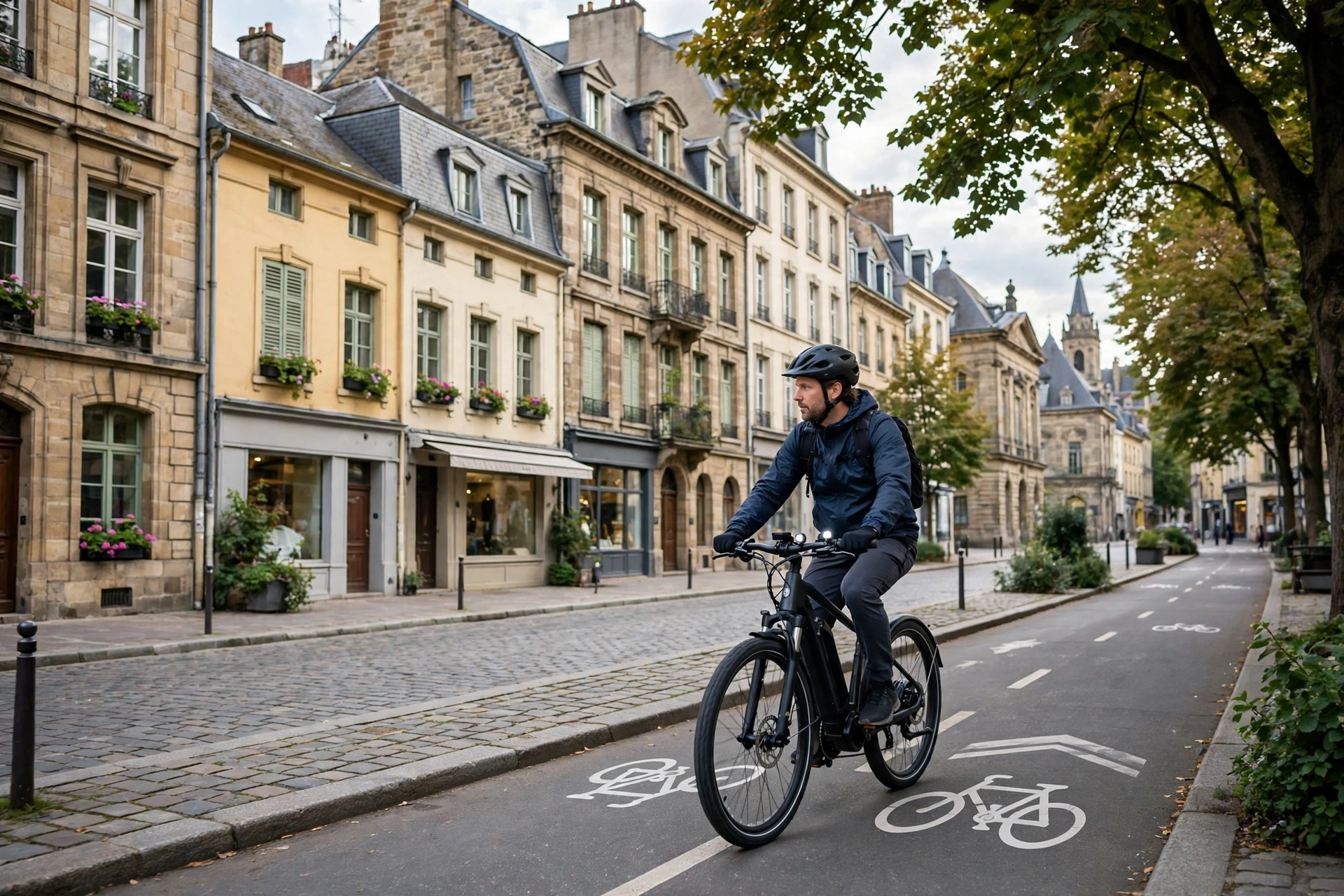
In general terms, e-bike helmet laws in the European Union vary by country and by the class of e-bike, so there is no single EU-wide rule. A standard pedelec, which only assists while you pedal and cuts out at a low speed, is usually treated like an ordinary bicycle. A faster speed pedelec, which can assist to a higher speed, is often treated more like a moped, and a helmet is commonly required. Anyone riding an e-bike in the EU should check the rules for the country they are in.
E-bikes have become a common sight across Europe, from city commuting in Amsterdam and Copenhagen to touring in the Alps and the Mediterranean. The laws have struggled to keep up with the technology, and the result is a patchwork of national rules. This guide gives a general overview of how e-bike helmet laws work across the EU, what the common patterns are, and what riders should check before they ride.
What Is the Difference Between a Pedelec and a Speed Pedelec?
The distinction between a pedelec and a speed pedelec is at the heart of EU e-bike law. A pedelec is an electrically assisted bicycle that only provides power while the rider is pedalling, and the assistance cuts out at a low speed, in general terms around 25 kilometres per hour. A pedelec is treated as a bicycle in most EU countries, which means it follows the same helmet rules as an ordinary bike, and in many countries that means no helmet is legally required.
A speed pedelec is a faster class of e-bike, with assistance up to a higher speed, in general terms around 45 kilometres per hour. A speed pedelec is treated as a moped or a light motorcycle in most EU countries, which means a helmet is commonly required, along with registration, insurance, and a driving licence or a moped licence in some countries. The exact requirements vary, so a rider should check the rules for the country they are in before buying or hiring a speed pedelec.
Do You Need a Helmet on a Standard Pedelec in the EU?
In general terms, a standard pedelec follows the same helmet rules as an ordinary bicycle in most EU countries, and in many of those countries no helmet is legally required for adults on a bicycle. Countries such as the Netherlands, Denmark, and Germany, which have large cycling cultures, do not generally require a helmet for adult cyclists, including those on a pedelec. That does not mean a helmet is unnecessary: cycling organisations across Europe generally recommend wearing one on every ride, whatever the law says.
A small number of EU countries do require helmets for cyclists, including those on pedelecs, either for all ages or for children and teenagers. The rules can also differ between adults and children, with some countries requiring helmets for young riders while leaving adults free to choose. A rider should check the rules for the specific country they are in, and should also check whether local bylaws add extra requirements in a particular city or region.
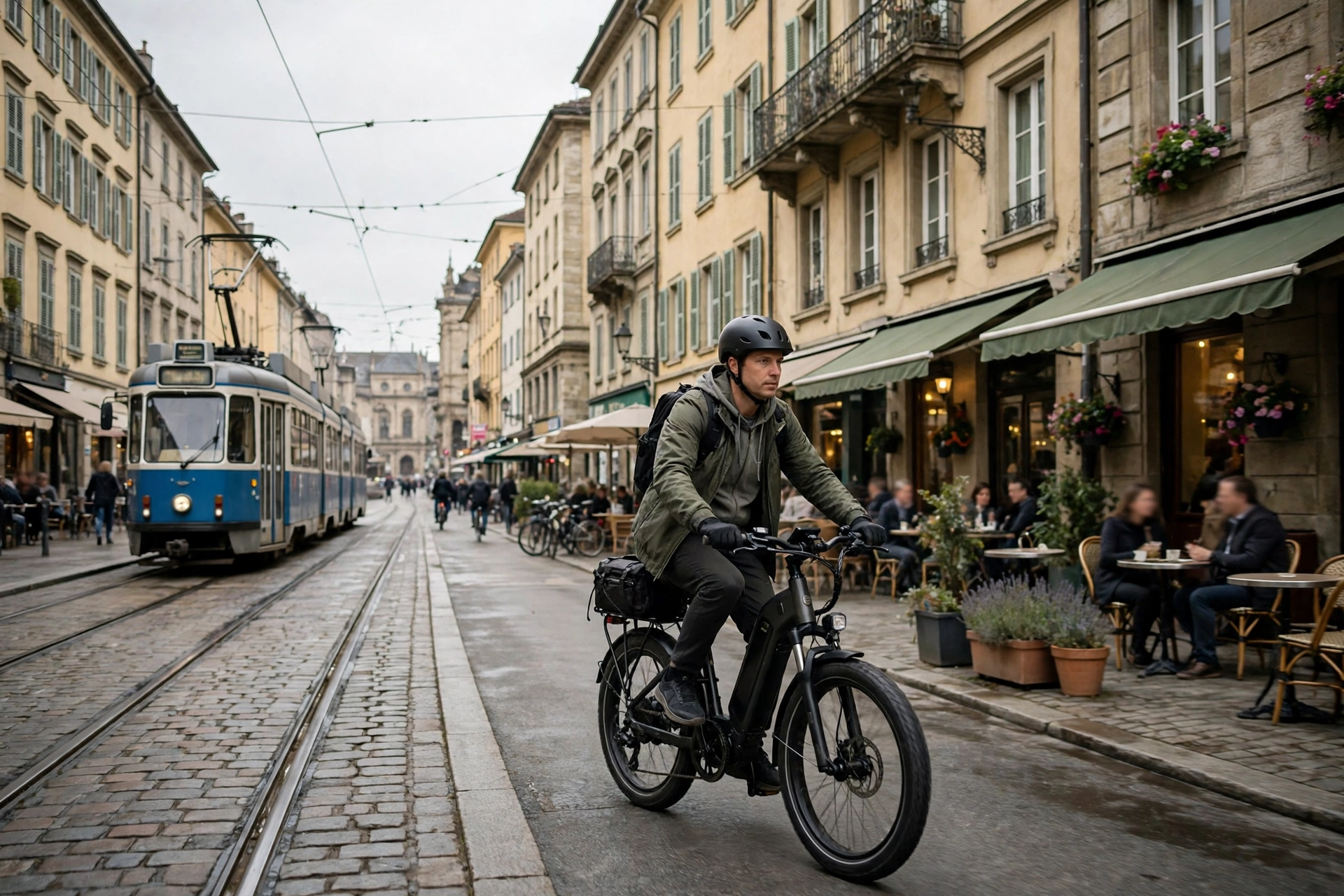
Do You Need a Helmet on a Speed Pedelec in the EU?
In general terms, yes. A speed pedelec is treated as a moped or a light motorcycle in most EU countries, and a helmet is commonly required. The type of helmet required can also differ from a bicycle helmet: some countries require a motorcycle helmet or a specific type of helmet approved for speed pedelecs, while others accept a bicycle helmet that meets a particular standard. A rider should check the rules for the country they are in before riding a speed pedelec.
The higher speed of a speed pedelec is the reason for the stricter rules. At higher speeds, a fall is more serious, and the protection a helmet gives becomes more important. A speed pedelec rider should also be aware of the other requirements that may apply, such as registration, insurance, and a licence, since these vary by country too. Hiring a speed pedelec in a country where you do not live can be complicated, so check the rules in advance rather than assuming they are the same as at home.
What Should a Visitor Riding an E-Bike in the EU Check?
A visitor planning to ride an e-bike in the EU should check the helmet law for each country they will ride in, since the rules can change at a border. A touring cyclist who crosses from the Netherlands into Belgium or Germany, for example, may move between countries with different helmet rules, different e-bike classifications, and different requirements for speed pedelecs. Knowing the rules in advance avoids an unpleasant surprise.
Visitors should also check whether a rental e-bike comes with a helmet. Many rental shops in Europe provide a helmet with the rental, and some include it in the price. If a helmet is not included, ask whether one can be hired, or bring your own. A helmet that fits properly and meets a recognised safety standard is the best choice for any ride, whatever the law says. If you are learning about helmet technology, reading about what MIPS is for helmets can help you understand one of the features you may see listed on the box.
Why Do E-Bike Helmet Laws Differ Across the EU?
E-bike helmet laws differ across the EU because road safety law is largely a national matter, not an EU matter. The EU sets broad rules for what counts as a pedelec and what counts as a speed pedelec, but each member state decides its own helmet rules, its own enforcement, and its own penalties. Countries with a strong cycling culture tend to have lighter helmet rules, while countries where cycling is less common may have stricter ones.
The result is a patchwork that can be confusing for riders, particularly those who tour across borders. The safest approach is to wear a helmet on every e-bike ride, whatever the law says in the country you are in. A helmet is the simplest protection a rider can wear, and it protects the head in a fall whether the fall happens on a busy city street or a quiet country lane.
Frequently Asked Questions
Q: Do I need a helmet on an e-bike in the EU?
A: It depends on the country and the class of e-bike. A standard pedelec usually follows the same rules as an ordinary bicycle, while a speed pedelec commonly requires a helmet. Check the rules for the country you are riding in.
Q: Can I ride a speed pedelec with a bicycle helmet?
A: It depends on the country. Some countries require a motorcycle helmet or a specific helmet type for speed pedelecs, while others accept a bicycle helmet that meets a particular standard. Check the rules before you ride.
Q: Are e-bike helmet laws enforced in the EU?
A: Enforcement varies by country and by city. Some places enforce helmet laws actively, while others rarely do. A lack of enforcement does not change the law, and a helmet is sensible protection on every ride, whatever the law says.

Olivia
Writer at Helmet Today, covering helmet reviews, fit and riding safety.