
Are dirt bike helmets street legal? Sometimes, yes. A dirt bike helmet can be legal for street riding if it meets the motorcycle helmet standard required where you ride. The fact that it has a visor, open face design, or motocross look does not automatically make it illegal.
When I dug into this question, I found one common mistake: people often judge a helmet by its shape instead of its certification. That can cause trouble. The safer way to check is to look at the helmet’s rating, label, fit, and your local law.
Are Dirt Bike Helmets Street Legal in the U.S.?
A dirt bike helmet can be street legal, but not every dirt bike helmet is. The key is whether the helmet meets the road-use helmet standard required by your state.
In the U.S., FMVSS No. 218 is the federal motorcycle helmet standard. NHTSA says motorcycle helmets made for on-road use must comply with FMVSS No. 218.
| Helmet Type | Street Use |
|---|---|
| DOT-certified dirt bike helmet | Often suitable where DOT helmets are required |
| Off-road-only helmet without required certification | May not meet street helmet laws |
| Novelty dirt bike-style helmet | Not a safe legal choice |
The important word here is certified. A helmet can look exactly like a proper motocross helmet but still fail to meet the required standard.
The DOT label is the first thing to check
For U.S. road riding, look at the back of the helmet for the DOT certification marking. NHTSA says a current compliant label includes the manufacturer or brand, model designation, DOT, FMVSS No. 218, and the word “CERTIFIED.”
Do not stop at a sticker, though. Fake DOT labels exist, so the helmet should also come from a known manufacturer and match the manufacturer’s listed model.
| Check | What You Want |
|---|---|
| Certification | FMVSS No. 218 / DOT |
| Helmet label | Clear manufacturer and model information |
| Condition | No major damage or severe impact history |
Why Some Dirt Bike Helmets Work on the Street
Dirt bike helmets and street motorcycle helmets share a basic job: protect the rider’s head during a crash.
The difference is more about how they handle riding conditions.
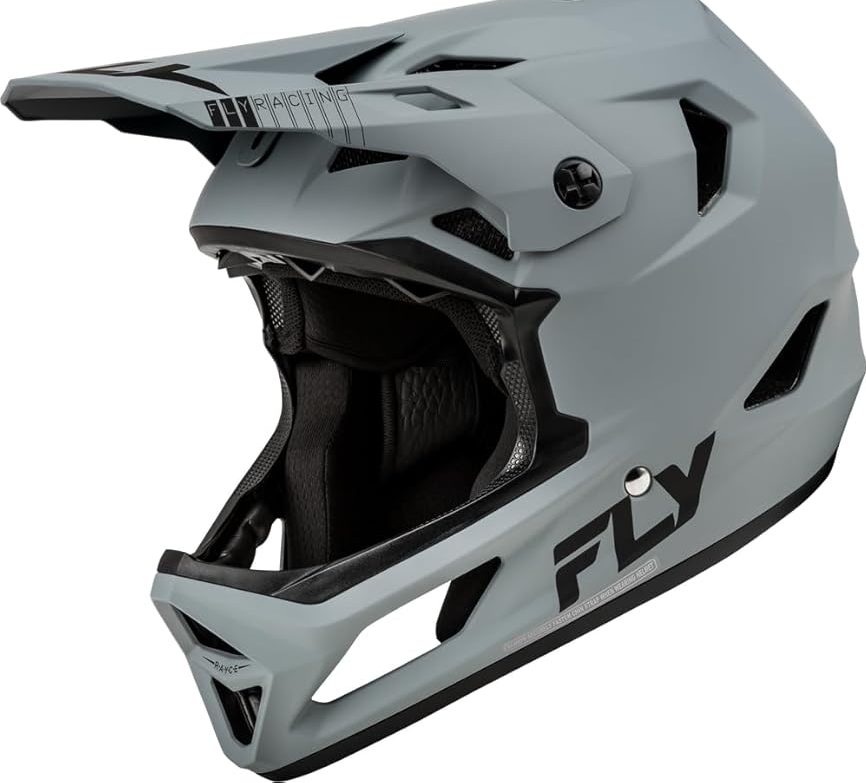
A motocross helmet usually has a long chin bar, large eye opening, and external visor. NHTSA specifically lists this style as being good for motocross and other off-road activities.
That does not automatically make the design illegal on pavement.
The motocross shape is not the problem
I used to think the long visor was the main reason dirt bike helmets were considered “off-road only.” That is not really the right way to look at it.
The real question is whether that specific helmet is certified for motorcycle use.
A DOT-certified dirt bike helmet can meet the federal motorcycle helmet standard even though it looks very different from a road touring helmet.
| Dirt Bike Feature | Street-Riding Effect |
|---|---|
| Long visor | Can help block sun and roost |
| Open eye port | Usually used with goggles |
| Large chin bar | Provides face and jaw coverage |
| Light off-road design | May be noisier on pavement |
The bigger issue is comfort and practicality. A helmet designed around dirt riding may not feel great at highway speed.
Do All Dirt Bike Helmets Have DOT Certification?
No. This is where shoppers need to slow down.
Some dirt bike helmets are made specifically for off-road competition or recreational riding. Others are built to meet motorcycle road standards too.
You cannot tell which one you have just by looking at it.
Check the exact helmet model
A product description that says “motocross helmet” does not tell you enough. Look for the actual safety certification for that model.
NHTSA says it does not approve helmets itself. Instead, manufacturers certify their helmets to FMVSS No. 218, and NHTSA performs compliance testing on helmets selected from the market.
That distinction is useful because people often say “DOT approved.” Technically, DOT is not giving each helmet an individual approval before sale.
| Claim You See | What It Really Means |
|---|---|
| DOT certified | Manufacturer says it meets FMVSS No. 218 |
| DOT approved | Common wording, but not technically precise |
| Off-road helmet | Says little about street legality by itself |
| Racing helmet | Check its exact certification and intended use |
Can You Wear a Motocross Helmet on the Highway?
If the motocross helmet meets the required road standard and your local law allows that helmet type, it can be used on the highway.
The bigger concern is whether it is a good match for long road trips.
Dirt bike helmets are designed around airflow and off-road movement. Their large vents and open eye area can create more wind noise and turbulence at higher speeds.
Highway riding changes the experience
This is one of those things that sounds minor until you spend a long time riding.
A helmet that feels great at 30 mph on a trail can feel very different at highway speed.
| Riding Condition | What You May Notice |
|---|---|
| Slow trail riding | Great airflow and easy goggle use |
| City streets | Usually manageable if certified |
| Highway riding | More wind noise and drag |
| Long touring | Street helmet may feel more comfortable |
So, legal and ideal are not always the same thing.
A helmet can meet the legal requirement and still be a poor choice for your daily ride.
Are Dirt Bike Helmets Legal in Every State?
No single answer covers every state.
Helmet laws are mainly handled at the state level, and some states have different rules for riders based on age, license status, insurance, or other conditions. NHTSA notes that motorcycle helmet laws vary among states and that many states require helmets meeting FMVSS No. 218.
That means a helmet that is acceptable in one place may not satisfy every rule somewhere else.
Check your state’s exact helmet law
If you are riding across state lines, this becomes even more important.
I would check the state’s official transportation or motor vehicle agency before relying on a forum post or an old social media answer.
| Question | Why Check It |
|---|---|
| Is a helmet required? | Laws differ by state |
| Must it meet FMVSS 218? | Some laws specifically require compliance |
| Are there age rules? | Some states use age-based laws |
| Are local rules different? | Certain areas may have extra requirements |
For example, California requires motorcycle riders and passengers to wear a U.S. DOT-compliant motorcycle helmet under its motorcycle helmet law. Its DMV guide specifically identifies FMVSS 218 certification.
The lesson is simple: do not assume that “dirt bike helmet” means legal or illegal everywhere.
Does the Dirt Bike Itself Need to Be Street Legal?
This is a separate issue that gets mixed up with helmet legality.
A legal helmet does not make an off-road motorcycle legal for public roads.
Your dirt bike may also need the correct registration, equipment, lighting, plate, insurance, license, and other items required by your state.
California is a good example. Its DMV treats off-highway vehicles differently from regular street motorcycles, and California State Parks notes that vehicles designed only for off-highway use may not be operated on California highways simply because another state gave them a street license.
Helmet legality and bike legality are separate
Think of them as two different checklists.
| Item | Separate Legal Question |
|---|---|
| Helmet | Does it meet the required helmet standard? |
| Dirt bike | Is the motorcycle legal for public roads? |
| Rider | Do you have the required license? |
| Equipment | Does the bike have required road equipment? |
This is an easy mistake to make. You can have a completely legal motorcycle helmet and still be riding an off-road-only dirt bike where public-road use is not allowed.
Are Dirt Bike Helmets Safe Enough for Street Riding?
A properly certified dirt bike helmet can provide strong head protection for motorcycle riding. But safety is not only about the certification label.
Fit matters.
So does the helmet’s condition, retention system, and how well it suits the ride.
NHTSA recommends motorcycle helmets that meet FMVSS No. 218 and warns riders about novelty helmets that do not meet the federal standard.
Fit matters more than people expect
One thing I would never skip is the fit check.
The helmet should sit firmly on your head without painful pressure. It should not rock around when you move your head.
The chin strap also needs to stay secure.
| Fit Problem | What to Do |
|---|---|
| Helmet moves side to side | Try another size or shape |
| Sharp pressure point | Try a different shell shape |
| Loose chin strap | Adjust it correctly |
| Helmet feels unstable | Stop and reassess the fit |
A certified helmet that does not fit well is not a good purchase.
Common Mistakes With Street-Legal Dirt Bike Helmets
Most problems are easy to avoid once you know what to check.
Mistake: Assuming every motocross helmet is legal
They are not all made for the same purpose.
Check the exact certification before buying.
Mistake: Trusting a cheap DOT sticker
NHTSA warns that counterfeit DOT labels exist. A sticker alone is not proof that a helmet actually meets FMVSS No. 218.
Mistake: Forgetting about highway comfort
A dirt helmet can be legal but loud and tiring on long pavement rides.
Mistake: Confusing helmet legality with bike legality
Your helmet and motorcycle each have their own legal requirements.
| Mistake | Better Approach |
|---|---|
| Buying by appearance | Check certification |
| Trusting only a sticker | Verify the model |
| Ignoring wind noise | Match helmet to riding style |
| Checking only helmet law | Check bike and rider rules too |
These small checks can save you from an annoying roadside conversation, an uncomfortable ride, or buying the wrong helmet twice.
How to Check If Your Dirt Bike Helmet Is Street Legal
Before riding on public roads, I would use a simple five-step check.
First, find the certification label on the helmet. Then identify the exact model and confirm what the manufacturer says about its intended use.
Next, check your state’s motorcycle helmet law. After that, make sure the helmet fits correctly and is in good condition.
Finally, check the dirt bike itself.
A quick street-use checklist
You can keep this simple:
- Find the DOT marking.
- Check for FMVSS No. 218 information.
- Verify the exact helmet model.
- Check your state helmet law.
- Confirm the dirt bike is road legal.
NHTSA’s guidance says a compliant helmet should have the required DOT certification information on the outside back of the helmet.
That gives you a much better starting point than judging the helmet by its motocross shape.
Final Thoughts
So, are dirt bike helmets street legal? Some are, and some are not. The dirt-bike style itself does not decide the answer. Certification, intended use, helmet condition, and the laws where you ride matter much more.
My practical advice is to check the exact helmet model before you buy it. Look for the required certification, confirm your state’s rules, and remember that a street-legal helmet does not automatically make an off-road dirt bike legal on public roads.
Frequently Asked Questions
Are dirt bike helmets DOT approved?
Some dirt bike helmets meet DOT requirements, but not all do. Check the exact helmet for the DOT and FMVSS No. 218 markings before using it on public roads.
Can I wear a motocross helmet on the street?
Yes, if the helmet meets your state’s road helmet rules. Check the DOT certification and local law first, since off-road helmets can have different ratings.
Do dirt bike helmets need DOT certification?
If your state requires a DOT-compliant motorcycle helmet, then the helmet must meet FMVSS No. 218. Check your state law before riding on public roads.
Is a dirt bike helmet legal on the highway?
A certified dirt bike helmet may be legal on highways, but comfort can be an issue. Dirt helmets often have more wind noise and drag at high speeds.
Does a DOT helmet make a dirt bike street legal?
No. Helmet legality and bike legality are separate. The dirt bike may still need a plate, lights, registration, insurance, and other road equipment.

Olivia
Writer at Helmet Today, covering helmet reviews, fit and riding safety.