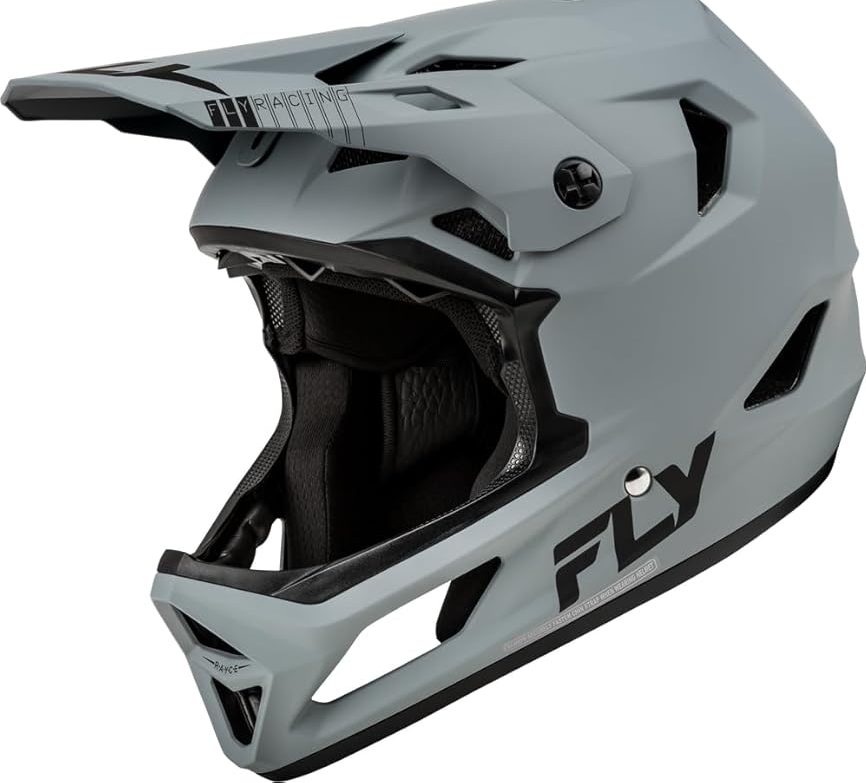

How to clean bike helmet straps is one of those jobs that seems too small to matter. Then you smell the strap after a hot ride. Sweat, skin oil, dust, and grime can build up fast, especially under the chin.
The good news is that you do not need fancy gear. A little mild soap, warm water, and a soft cloth can do most of the work. The trick is cleaning the straps without soaking or damaging other parts of the helmet.
Why Bike Helmet Straps Get So Dirty
Helmet straps sit close to your skin, so they collect sweat and oil every time you ride. The chin area often gets the worst of it because it has more skin contact.
Dirt can also stick to damp straps. If you put the helmet away while the straps are still wet, odors can hang around much longer.
| What you notice | Likely cause |
|---|---|
| Bad smell | Sweat and skin oils |
| Dark marks | Dirt and body oils |
| Stiff strap | Dried sweat or soap |
| Sticky feel | Oil and grime buildup |
The strap may look fine from a distance while still holding quite a bit of sweat. That is why a quick wipe now and then helps.
How to Clean Bike Helmet Straps Step by Step
The basic process is simple. You want enough moisture to lift dirt, but not so much that you leave the helmet wet for hours.
Start with mild soap and lukewarm water
Fill a small bowl with lukewarm water. Add a small amount of mild soap.
A gentle dish soap can work for light cleaning, but check the helmet maker’s care guide first. Some brands give specific instructions for their straps and pads.
| Cleaning item | Why use it |
|---|---|
| Lukewarm water | Loosens dirt |
| Mild soap | Breaks down sweat and oil |
| Soft cloth | Cleans without rough rubbing |
| Soft toothbrush | Helps with tight areas |
Avoid very hot water. Heat is not needed to clean the straps, and there is little benefit in taking that risk.
Wipe the straps gently
Dip a soft cloth into the soapy water. Wring it out well, then wipe along the strap.
Work from the top of the strap down toward the buckle. Pay extra attention to the part that sits under your chin.
For stubborn dirt, use a soft toothbrush with light pressure. There is no need to scrub hard.
| Dirty area | Cleaning method |
|---|---|
| Chin strap | Damp soapy cloth |
| Strap near ears | Soft cloth and light rubbing |
| Buckle area | Damp cloth |
| Tight strap folds | Soft toothbrush |
One thing I would avoid is aggressive scrubbing. Helmet straps are meant to stay strong and flexible, so treating them like an old pair of work gloves is not a great idea.
Should You Remove the Bike Helmet Straps?
Usually, you do not need to remove them just to clean them.
If the straps are fixed to the helmet, leave them in place. Removing them can make it harder to put them back correctly, especially around the side buckles and adjustment points.
If the manufacturer specifically allows strap removal, follow those instructions.
Why leaving the straps attached can be easier
You can clean most dirty areas while the straps remain attached. It also avoids the risk of changing the strap routing.
| Situation | Better choice |
|---|---|
| Light dirt | Clean straps in place |
| Strong odor | Deeper gentle cleaning |
| Removable straps | Follow maker instructions |
| Fixed straps | Do not force removal |
I prefer the simple route here. If something does not need to come apart, there is usually no reason to take it apart.
How to Clean Sweaty Helmet Straps
Sweat is usually the main problem, not road dirt.
Fresh sweat is easier to remove than old sweat that has dried into the strap. That is why wiping the straps after a long ride can save you from a much bigger cleaning job later.
Use a damp cloth with mild soap and gently wipe the full length of each strap.
For heavy sweat buildup, repeat the process rather than using a stronger cleaner.
What about a strong helmet smell?
Do not try to cover the smell with perfume or air freshener.
That may make the helmet smell different for a while, but it does not remove the sweat and oil causing the problem.
Instead, clean the straps and let the helmet air-dry fully.
| Odor problem | Better response |
|---|---|
| Mild smell | Wipe with mild soapy water |
| Strong sweat smell | Clean twice if needed |
| Smell returns quickly | Dry helmet fully after rides |
| Persistent odor | Check pads and liner too |
Drying is a surprisingly important part of helmet care. A damp helmet stored in a closed bag is basically giving odor-causing grime a comfortable little apartment.
Can You Wash Bike Helmet Straps With Soap?
Yes, a mild soap solution is commonly suitable for cleaning helmet straps, but the helmet maker’s care instructions should come first.
The important word is mild.
You do not need bleach, harsh cleaners, solvents, or strong degreasers. These products can be much more aggressive than needed for normal sweat and dirt.
| Cleaner | General approach |
|---|---|
| Mild soap | Good starting choice |
| Plain water | Fine for light dirt |
| Bleach | Avoid |
| Solvent or harsh degreaser | Avoid |
| Strong disinfectant | Use only if maker allows |
The same rule applies to the helmet shell and padding. A product that cuts through grease may also be too harsh for helmet materials.
How to Clean the Buckle and Strap Adjusters
The buckle can collect sweat and dust too, especially around small gaps.
Start by wiping it with a damp cloth. If dirt is trapped in a narrow area, use a soft toothbrush.
Do not force anything into the buckle.
Keep water out of small moving parts
A little moisture is fine during normal cleaning, but you do not need to flood the buckle.
After cleaning, open and close it a few times once it is dry. It should move normally and lock securely.
| Buckle issue | What to do |
|---|---|
| Surface dirt | Wipe with damp cloth |
| Dirt in gaps | Soft toothbrush |
| Stiff buckle | Clean and inspect |
| Broken buckle | Replace the helmet or approved part |
A buckle that no longer locks correctly is not just a cleaning problem. It is a safety issue.
How to Dry Bike Helmet Straps After Cleaning
Drying is the step people often rush.
After cleaning, use a clean towel to press excess water from the straps. Do not twist them hard.
Then place the helmet somewhere cool with good airflow.
| Drying method | Recommendation |
|---|---|
| Air drying indoors | Best simple option |
| Soft towel first | Helps remove extra water |
| Direct high heat | Avoid |
| Hair dryer on high heat | Avoid |
| Closed helmet bag | Avoid until fully dry |
Do not put the helmet away while the straps are damp.
Also avoid using strong heat to speed things up. Helmet materials and adhesives can be sensitive to heat, and there is little reason to cook your helmet just to save a few minutes.
What Should You Avoid When Cleaning Helmet Straps?
The biggest mistake is assuming that stronger cleaning means better cleaning.
Helmet straps usually need gentle care. Harsh chemicals and rough handling can create problems that dirt never would.
Here are the main things I would avoid.
| Mistake | Better approach |
|---|---|
| Scrubbing hard | Use gentle rubbing |
| Very hot water | Use lukewarm water |
| Bleach | Use mild soap |
| Solvents | Follow maker-approved cleaners |
| High heat drying | Air-dry naturally |
Another common mistake is using a stiff brush. It may remove dirt quickly, but there is no reason to be rough when a soft brush can do the job.
How Often Should You Clean Bike Helmet Straps?
There is no single perfect schedule.
If you ride often in hot weather, the straps may need cleaning more often. If you ride only once in a while, a less frequent wash may be enough.
A useful rule is to clean based on condition rather than the calendar.
A simple cleaning routine
Wipe the straps after sweaty rides when needed. Give them a proper wash when they smell, feel sticky, or show visible grime.
| Riding habit | Cleaning approach |
|---|---|
| Daily riding | Check straps often |
| Several rides per week | Clean as needed |
| Occasional riding | Clean when dirty |
| Very hot rides | Clean more often |
This is easier than waiting until the straps smell so bad that the helmet seems to announce your arrival before you do.
What If the Straps Still Smell After Cleaning?
If the smell remains, the straps may not be the only source.
Sweat can also collect in the helmet pads, liner, and areas around the back of the head. Cleaning only the chin strap may not solve the whole problem.
Check the rest of the helmet and follow its care instructions.
Look beyond the strap
If the pads are removable, wash them only as the manufacturer recommends. Some helmet makers allow hand washing with mild soap, while others give more specific care steps.
Do not assume every helmet uses the same materials.
| Source of smell | What to check |
|---|---|
| Chin area | Chin strap |
| Around ears | Side straps and pads |
| Back of head | Rear liner |
| Whole helmet | Vent areas and padding |
If cleaning does not solve a strong odor, it may be time to inspect the padding and the helmet’s overall condition.
Common Mistakes I Would Avoid
Cleaning a helmet sounds simple, but a few shortcuts can cause trouble.
The main lesson is that helmet care should be gentle. You are cleaning safety equipment, not trying to make a dirty shoe shine.
Here are the mistakes worth remembering:
- Do not use harsh solvents.
- Do not soak the entire helmet unless the maker says it is safe.
- Do not pull hard on fixed straps.
- Do not scrub straps with a stiff brush.
- Do not dry the helmet with strong heat.
- Do not store it while damp.
- Do not ignore a damaged strap or buckle.
A dirty strap needs cleaning. A damaged strap needs attention for a different reason.
When Should You Replace the Helmet Instead?
Cleaning cannot fix physical damage.
If the helmet has been in a serious crash, follow the manufacturer’s replacement guidance. Also inspect the shell, straps, buckle, and adjustment system for signs of damage.
A strap that is badly frayed or a buckle that will not lock should not be treated as a cosmetic issue.
| Problem | Cleaning or replacement? |
|---|---|
| Sweat smell | Clean |
| Dust | Clean |
| Light staining | Clean |
| Frayed strap | Inspect and replace as needed |
| Broken buckle | Replace approved part or helmet |
| Crash damage | Follow maker replacement advice |
This is where I draw a clear line. Cleaning is for dirt. It is not a repair method.
Final Thoughts
Learning how to clean bike helmet straps does not require much. Mild soap, lukewarm water, a soft cloth, and patience are usually enough for normal sweat and dirt.
The bigger lesson is to keep the whole helmet clean and dry. Clean the straps when they need it, let everything dry fully, and never use harsh chemicals just to make the job faster. A few gentle minutes of care can keep the helmet much more pleasant to wear.
FAQs
How do you clean bike helmet straps without removing them?
Use a soft cloth with mild soapy water. Wipe the straps, rinse with a clean damp cloth, then let them air-dry fully.
Can I use dish soap to clean bike helmet straps?
A small amount of mild dish soap may work, but check the helmet maker’s care guide first. Avoid strong soaps and harsh cleaners.
How do you get sweat smell out of helmet straps?
Clean the straps with mild soap and water, then let them dry well. Also clean the pads if they hold sweat and odor.
Can you put bike helmet straps in the washing machine?
Do not machine wash them unless the maker says it is safe. Hand cleaning is gentler and helps protect the strap and buckle.
How often should you clean bike helmet straps?
Clean them when they smell, feel sticky, or look dirty. Riders who sweat a lot may need to clean the straps more often.
Can I use bleach on bike helmet straps?
It is best to avoid bleach unless the helmet maker specifically allows it. Mild soap and water are a safer choice for normal cleaning.

Olivia
Writer at Helmet Today, covering helmet reviews, fit and riding safety.