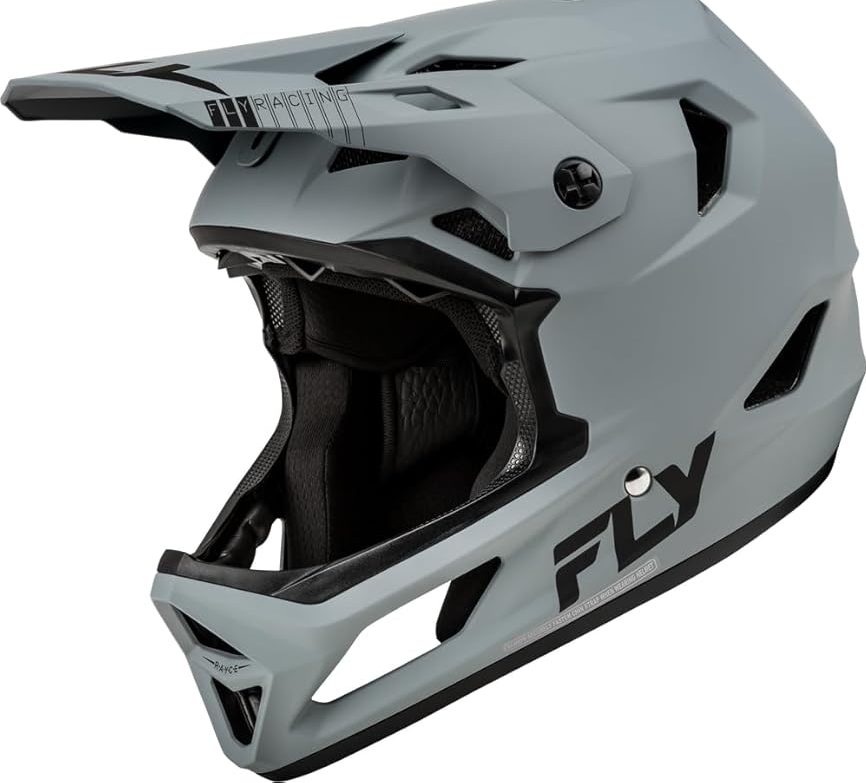

Can you wear a full-face helmet on a cruiser? Absolutely. A cruiser does not require a half helmet, open-face helmet, or any special helmet style just because of its relaxed riding position. A full-face helmet can work very well on a cruiser.
When I looked into this question, the real issue was not whether the helmet fits the motorcycle. It was whether the helmet fits the rider’s style, riding position, wind exposure, and comfort needs. Those details make a much bigger difference than the cruiser label itself.
Can You Wear a Full-Face Helmet on a Cruiser?
Yes. A full-face helmet is perfectly suitable for cruiser motorcycles when it fits properly and meets the safety rules that apply where you ride.
Cruiser riders sometimes avoid full-face helmets because they think they look too sporty. That is mostly a style concern, not a safety concern.
| Cruiser Rider Concern | Full-Face Helmet Reality |
|---|---|
| Looks too sporty | Style varies widely |
| Feels too enclosed | Takes some getting used to |
| Works with upright riding | Yes, with the right fit |
| Suitable for highway use | Often a strong choice |
A cruiser has no rule that says you must match the bike with an open-face helmet. The helmet should be chosen around protection, fit, visibility, weather, and your normal riding.
A cruiser does not change how a helmet protects you
The basic job stays the same. A helmet helps protect your head during a crash.
A full-face model also covers areas that an open helmet leaves exposed, including much of the face and jaw.
That extra coverage is one reason many riders choose full-face helmets even when they ride relaxed cruiser motorcycles.
Why a Full-Face Helmet Makes Sense on a Cruiser
The more I compare cruiser riding with helmet choice, the more obvious one thing becomes: cruisers can still expose you to plenty of wind, road debris, rain, and crash risk.
The riding position may feel calm, but the road does not care what style of motorcycle you ride.
Face protection is the big advantage
A full-face helmet covers the chin and jaw area as well as the head.
That matters because a rider can move forward during a crash. The first contact is not always the top of the helmet.
| Full-Face Feature | Practical Benefit |
|---|---|
| Chin bar | Adds coverage around the jaw |
| Face shield | Blocks wind and road debris |
| Full shell | Covers more of the head |
| Neck opening | Helps seal out wind |
NHTSA recommends choosing a motorcycle helmet that meets FMVSS No. 218 in the United States. It also notes that full-face helmets offer more coverage than open-face designs. (nhtsa.gov)
Does a Full-Face Helmet Look Wrong on a Cruiser?
This is one of those questions that has more to do with personal style than safety.
Cruiser culture has long been linked with half helmets, classic open-face designs, and other traditional looks. That can make a full-face helmet feel out of place at first.
But modern full-face helmets come in many shapes.
Style does not have to mean less protection
You can find full-face designs with simple shapes, dark colors, classic graphics, or less aggressive styling.
So there is no need to choose between “looking like a racer” and wearing a full-face helmet.
| Style Preference | Possible Full-Face Direction |
|---|---|
| Classic | Simple shell and clean graphics |
| Minimal | Plain, low-detail design |
| Modern | Sleek touring shape |
| Retro | Vintage-inspired full-face design |
I think this is a useful mindset shift. The helmet does not have to copy the motorcycle’s style perfectly. It needs to work well for the rider.
Is a Full-Face Helmet Comfortable on a Cruiser?
It can be very comfortable, but fit matters more than the motorcycle itself.
A cruiser usually puts the rider in a more upright position than a sport bike. That can change how the helmet meets the wind.
A poorly shaped helmet may catch air, create noise, or feel heavy. A well-fitted one can feel surprisingly natural.
Wind matters more than people expect
This is especially true on cruisers with little or no windscreen.
At higher speeds, your helmet sits directly in the airflow. Small differences in shell shape can become very noticeable.
| Riding Setup | Helmet Consideration |
|---|---|
| No windscreen | Aerodynamics matter more |
| Small windscreen | Moderate wind protection |
| Large windscreen | Less direct airflow |
| Long highway rides | Noise and comfort become important |
One mistake I would avoid is buying a helmet only because it feels comfortable while sitting still.
The fit needs to stay secure and comfortable when you are actually riding.
How Should a Full-Face Helmet Fit on a Cruiser?
The fit should be snug without creating sharp pain or pressure.
Your cheeks may feel firm at first. That is normal with many new helmets. But strong pressure in one spot can mean the shell shape does not suit your head.
Check the fit before worrying about style
A simple fit check can tell you a lot.
Put the helmet on and fasten the chin strap. Move your head from side to side. The helmet should move with your head rather than sliding freely over it.
Then check the pressure points.
| Fit Check | Good Sign |
|---|---|
| Side movement | Helmet stays stable |
| Cheek pressure | Firm but tolerable |
| Forehead | No sharp pressure |
| Chin strap | Secure and comfortable |
Do not size up just because a new helmet feels snug. Internal padding often settles with use. A loose helmet can move too much when you need it most.
Full-Face vs. Half Helmet on a Cruiser
This is probably the most useful comparison for riders who are deciding whether to change their current setup.
Both designs can be used by cruiser riders, but they offer very different levels of coverage.
Full-face gives you more coverage
A half helmet leaves much of the face and lower head exposed.
A full-face helmet covers more of those areas and also gives you a face shield.
| Feature | Full-Face | Half Helmet |
|---|---|---|
| Head coverage | More | Less |
| Face coverage | More | Very limited |
| Chin bar | Yes | No |
| Face shield | Usually | Usually no |
That does not mean every rider must choose full-face. It means the trade-off should be understood clearly.
If maximum coverage is your priority, full-face has an obvious advantage.
Is a Full-Face Helmet Too Hot for Cruiser Riding?
Heat is a fair concern, especially during slow summer rides.
A full-face helmet surrounds more of your head and face, so it can feel warmer than a half helmet. But ventilation makes a huge difference.
Look at vents, not just the shell
A well-ventilated helmet can move air through the shell while you ride.
At low speeds, though, airflow will always be less effective than it is at highway speed.
| Heat Situation | Helpful Choice |
|---|---|
| Hot city traffic | Strong ventilation |
| Highway riding | Open vents when safe |
| Cold weather | Closed vents and proper liner |
| Humid weather | Moisture control and airflow |
This is one area where riders sometimes blame the full-face design when the real issue is poor ventilation or the wrong helmet for the climate.
Does a Full-Face Helmet Work With Cruiser Accessories?
Usually, yes, but some combinations need a little thought.
A windshield, communication system, sunglasses, or riding glasses can change how a helmet feels.
Check your riding setup
For example, a tall windshield can change the airflow around the helmet. A Bluetooth communicator may also affect how the helmet fits around your ears.
The key is to check the complete setup rather than testing each item alone.
| Accessory | What to Watch |
|---|---|
| Windshield | Air turbulence |
| Bluetooth unit | Ear and cheek space |
| Riding glasses | Temple pressure |
| Neck gaiter | Seal and comfort |
Small changes can make a big difference on long rides.
Can You Wear a Full-Face Helmet on a Cruiser in Hot Weather?
Yes. Heat alone is not a reason to rule out a full-face helmet.
The better question is whether you can find one with enough ventilation for your climate and riding speed.
During hot weather, use the vents as designed and wear suitable riding clothing underneath. Avoid modifying the helmet to create extra holes or vents.
A helmet’s protective shell and liner are not good places for DIY experiments.
Common Mistakes Cruiser Riders Make With Full-Face Helmets
Most problems are not caused by the helmet being “wrong for a cruiser.” They come from choosing the wrong size, shape, or features.
Mistake: Buying for looks alone
A beautiful helmet that hurts your forehead after 20 minutes is not a good helmet for you.
Mistake: Choosing a loose fit
Some riders think comfort means extra room. With helmets, too much movement is a problem.
Mistake: Ignoring wind noise
A helmet can feel fine around town and become tiring on a long highway ride.
Mistake: Assuming every full-face helmet is the same
Shell shape, ventilation, weight, visor design, and fit can vary a lot.
| Common Mistake | Better Approach |
|---|---|
| Choosing by looks | Check fit first |
| Buying too large | Focus on secure fit |
| Ignoring wind | Consider your speed and screen |
| Skipping certification | Check the required standard |
The small details often decide whether you enjoy wearing the helmet every day.
What Type of Full-Face Helmet Is Best for a Cruiser?
There is no single “cruiser full-face helmet” that works for everyone.
The best choice depends on how and where you ride.
A rider who spends hours on highways may care most about quietness and stable aerodynamics. A city rider may care more about airflow and easy visibility.
Match the helmet to your actual riding
Think about your normal week, not your imaginary perfect ride.
| Riding Style | Useful Helmet Traits |
|---|---|
| City cruising | Good airflow and easy visibility |
| Highway touring | Stable shell and low noise |
| Weekend rides | Comfort and simple fit |
| Mixed riding | Balanced ventilation and coverage |
That approach usually produces a better result than shopping by motorcycle type alone.
What Certification Should a Cruiser Helmet Have?
If you ride in the United States, look for a helmet that meets FMVSS No. 218 when your state requires a compliant motorcycle helmet.
NHTSA advises riders to look for the DOT certification marking and warns that counterfeit DOT labels can exist. (nhtsa.gov)
Other countries use different standards. For example, ECE R22.06 is widely used in many markets outside the United States.
The important point is to buy a helmet certified for motorcycle use in the place where you ride.
Final Thoughts
So, can you wear a full-face helmet on a cruiser? Yes, and there is no safety reason to avoid one simply because you ride a cruiser. In fact, the extra face and chin coverage can be a major reason to choose it.
The best helmet is the one that fits your head, matches your riding conditions, meets the required safety standard, and is comfortable enough that you will actually wear it every ride. Your cruiser can look classic while your helmet takes a more modern approach to protection.
Frequently Asked Questions
Can you wear a full-face helmet on a cruiser?
Yes. A full-face helmet works well on a cruiser. It can offer more face and chin coverage while also blocking wind, rain, dust, and road debris.
Are full-face helmets good for cruiser motorcycles?
Yes. Full-face helmets suit cruiser bikes well, especially for highway rides. Pick one with a good fit, useful vents, and a stable shell for your riding speed.
Do cruiser riders have to wear half helmets?
No. Cruiser riders do not have to use half helmets simply because of the bike style. A full-face or open-face helmet may be used when it meets local rules.
Is a full-face helmet too hot on a cruiser?
It can feel warmer than a half helmet, but good vents help. Slow traffic feels hotter, while steady speed usually brings more air through the vents.
Does a full-face helmet look strange on a cruiser?
Not really. Helmet style is personal. Many full-face helmets have clean or classic shapes, so you can choose strong coverage without a sporty look.

Olivia
Writer at Helmet Today, covering helmet reviews, fit and riding safety.