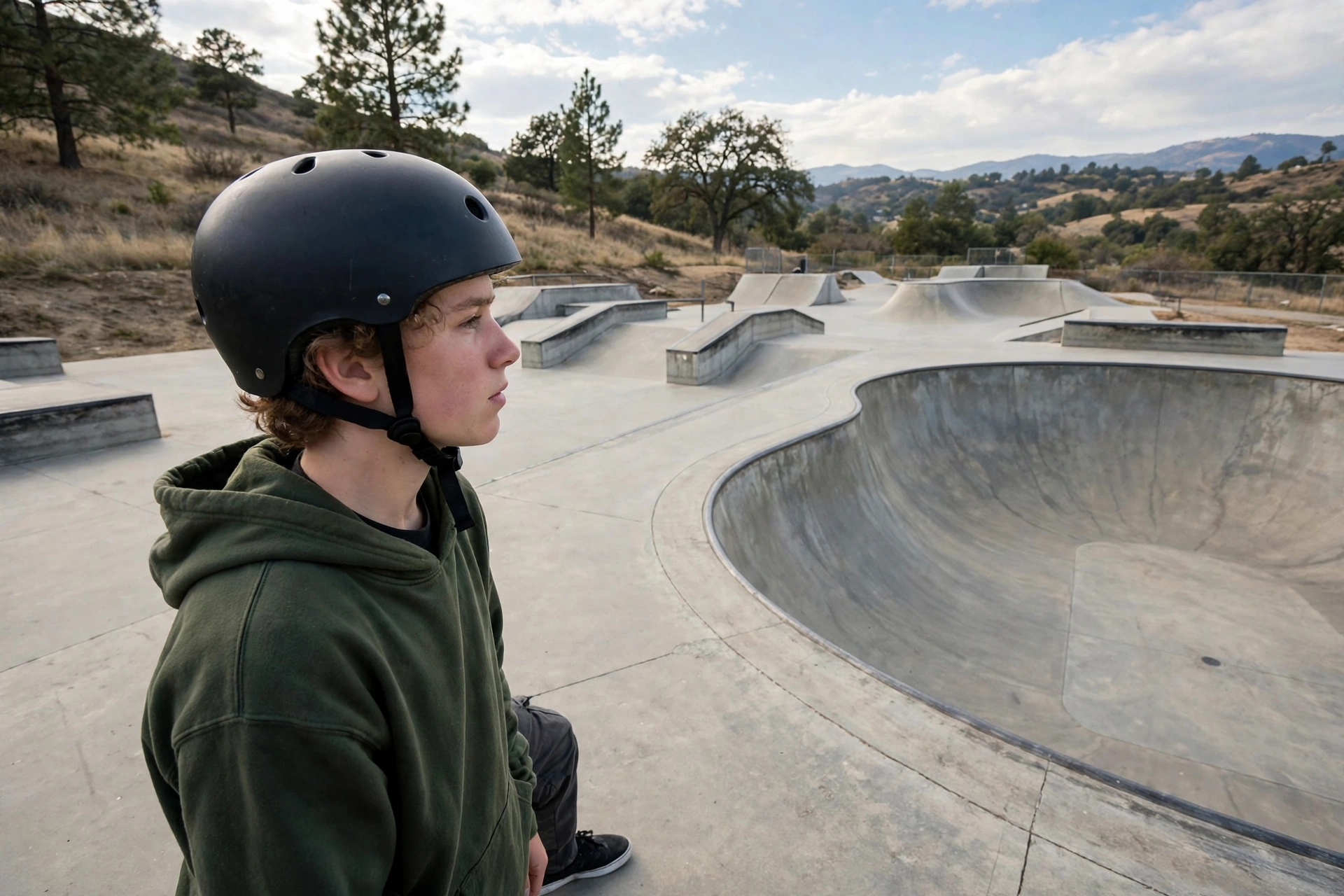
ASTM F1492 is the US safety standard written specifically for helmets used in skateboarding and trick roller skating, and it is designed around repeated lower-energy impacts rather than one big crash. That is the key difference from a standard bicycle helmet. Bike helmets use crushable foam meant to absorb a single serious impact and then be replaced, while F1492 helmets are built to keep offering protection through the kind of repeated knocks, drops, and low-speed falls that are part of everyday skating.
If you ride a skateboard, BMX-style tricks, or aggressive skating, the certification sticker inside the helmet matters more than the shape of the shell. Two helmets can look almost identical — the classic round skate style — yet be certified to completely different standards, with very different ideas about what happens after the first impact.
What Is the ASTM F1492 Standard?
ASTM International is a standards organization whose helmet specifications are widely used in US sports. F1492 is its standard for helmets for skateboarding and trick roller skating. In general terms, it sets requirements for impact protection, coverage, retention (how well the helmet stays on), and labeling, all tested under conditions chosen to reflect skating falls.
Skating falls tend to happen at lower speeds than cycling crashes, but they happen often, and they frequently involve the back and sides of the head as a skater slips out or lands awkwardly. The standard’s test setup reflects that reality, including impacts at multiple sites around the helmet and a design philosophy that accepts repeated use after smaller impacts.
A helmet certified to F1492 will say so on its label. That label is the only reliable way to know — the round, hard-shell “skate style” look by itself guarantees nothing, because uncertified novelty helmets copy the same shape.
How Is F1492 Different From the CPSC Bike Helmet Standard?
Every bicycle helmet legally sold in the US must meet the CPSC standard, which is built around a single, relatively high-energy impact. The expanded polystyrene foam inside a bike helmet crushes permanently to absorb that energy. It does the job once, very well — and afterwards that section of foam is spent, even if the helmet looks fine from the outside.
F1492 helmets take a different approach. In general terms, they traditionally use a firmer foam or foam construction intended to withstand multiple lower-energy impacts without losing its protective ability as quickly. The trade-off is that a multi-impact skate helmet may not manage one very large impact the way a dedicated bike helmet does, because the two standards were written for different crash profiles.
The practical takeaway is simple: match the certification to the activity. A CPSC-only bike helmet is the right tool for cycling speeds and traffic, while an F1492 helmet is designed for the repeated falls of the skate park. Neither certification automatically makes a helmet right for the other job.
What Does Dual Certification Mean?
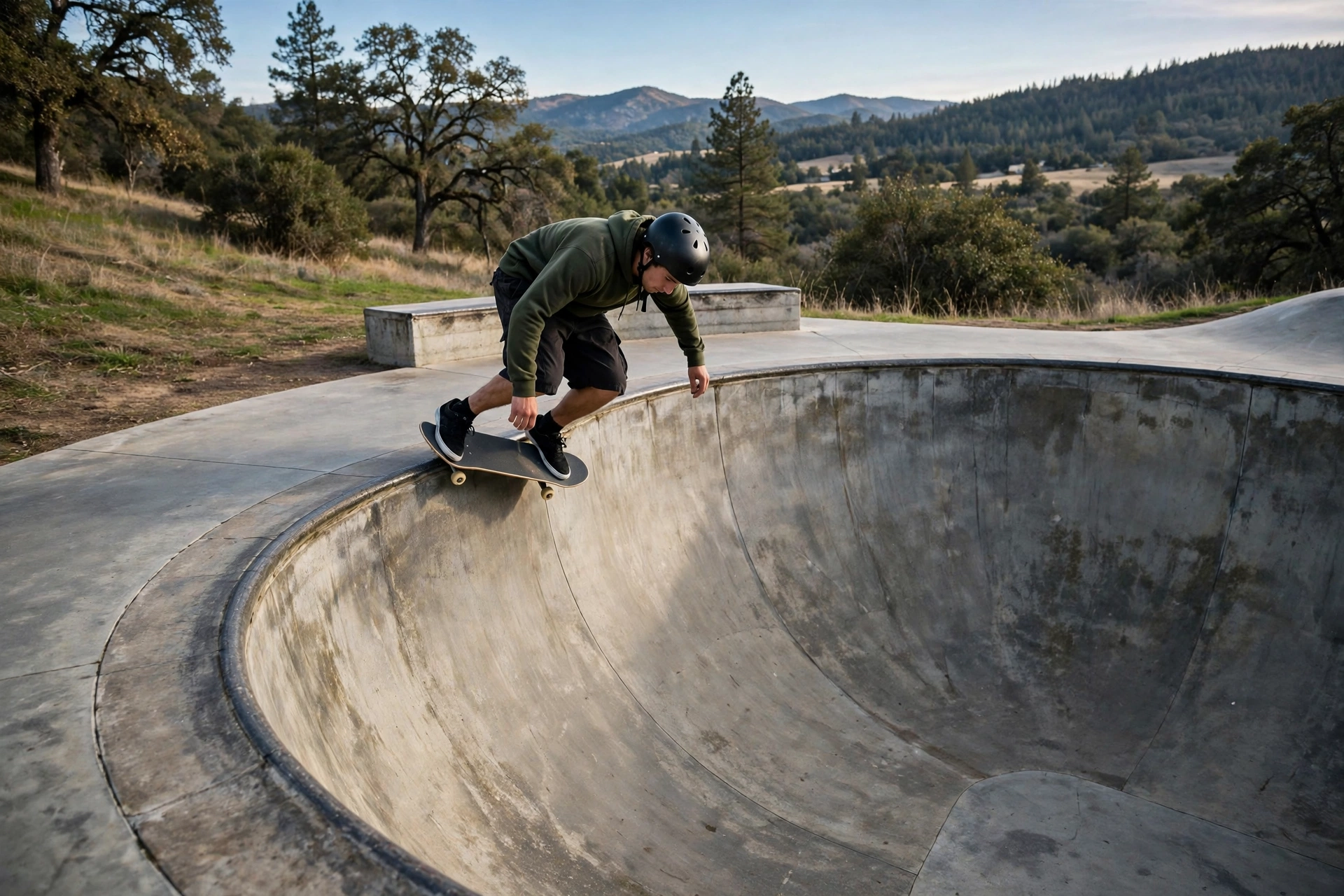
Some helmets are certified to both standards at once: CPSC for bicycling and ASTM F1492 for skateboarding. These dual-certified helmets are popular with riders who genuinely do both — for example, a BMX rider who pedals to the park, or a commuter who also skates. The label inside will list both certifications, and that is what you should check for.
Dual certification is a meaningful engineering compromise. The helmet has to pass the bike test, which generally requires foam that manages a hard single impact, and the skate test program, which examines performance across multiple impact sites and conditions. Manufacturers achieve this with carefully chosen foam densities and shell construction, and the result is a versatile helmet for mixed riding.
One caution still applies: dual certification does not make any helmet immortal. After a genuinely hard impact — a big crash on the bike or a serious slam at the park — the smart move is still to retire the helmet, because internal damage is not always visible and no certification promises unlimited crashes.
Who Should Wear an ASTM F1492 Helmet?
Skaters are the obvious audience: skateboarders, trick roller skaters, and anyone whose riding involves frequent low-speed falls onto concrete. The standard was written for their crash pattern, and its extended coverage at the back of the head suits backward falls common in skating.
BMX riders are a judgment call. Riding street, park, and dirt involves both pedaling speed and trick falls, which is why many BMX riders choose dual-certified helmets. Riders doing fast downhill or racing are generally better served by helmets certified for those disciplines, including full-face designs.
Parents should pay attention too, because kids often use one helmet for the bike, the scooter, and the skateboard. A dual-certified helmet is a sensible single purchase for that mix. And whatever the helmet, fit comes first: it should sit level, feel snug without pain, and stay put when the wearer shakes their head. Some skate helmets also add modern features such as rotational liners — our guide to what MIPS is and how it works explains that technology if you come across it while shopping.
How Can You Check a Helmet Before Buying?
Start with the label. Look inside the helmet for the certification marks and the manufacturer’s information. An F1492 helmet should clearly state that it meets the standard, and a dual-certified model should name both standards. If there is no certification label at all, walk away — that describes a novelty helmet, not protective equipment.
Next, check coverage and fit. Skate-style helmets sit lower at the back and sides than most road bike helmets, and that coverage should feel even all the way around. Buckle the strap, adjust it snugly under the chin, and make sure the helmet does not rock forward or backward easily.
Finally, think about how the helmet will actually be used. If it will mostly live at the skate park, F1492 alone fits the bill. If it will also be used for regular cycling in traffic, look for the dual-certified label. And ask about the manufacturer’s replacement guidance — reputable brands publish clear advice on when a helmet should be retired, which is a good sign you are dealing with a genuine safety product.
Frequently Asked Questions
Q: Can I use a skate helmet for riding my bike?
A: Only if it is also certified for bicycling. An F1492-only helmet was not tested to the CPSC bike standard, and bike helmets legally sold in the US must meet that standard. Look for a dual-certified helmet if you want one helmet for both activities.
Q: Does “multi-impact” mean a skate helmet never needs replacing?
A: No. Multi-impact design means the helmet is built to tolerate repeated smaller knocks typical of skating. A hard impact, visible damage, cracked foam, or simple age and wear are all still reasons to replace it.
Q: Why do skate helmets have so few vents?
A: The classic skate shell prioritizes coverage and durability for repeated falls, and skating speeds generate less airflow than cycling, so venting matters less. Some modern designs add more vents and features, but coverage and certification are what define the category.

Olivia
Writer at Helmet Today, covering helmet reviews, fit and riding safety.