
Helmet with a Built-In Rear Indicator Explained
A helmet with a built-in rear indicator is a helmet that has turn signals built into the back of the shell, usually as bright lights that flash when the rider signals a turn, so…
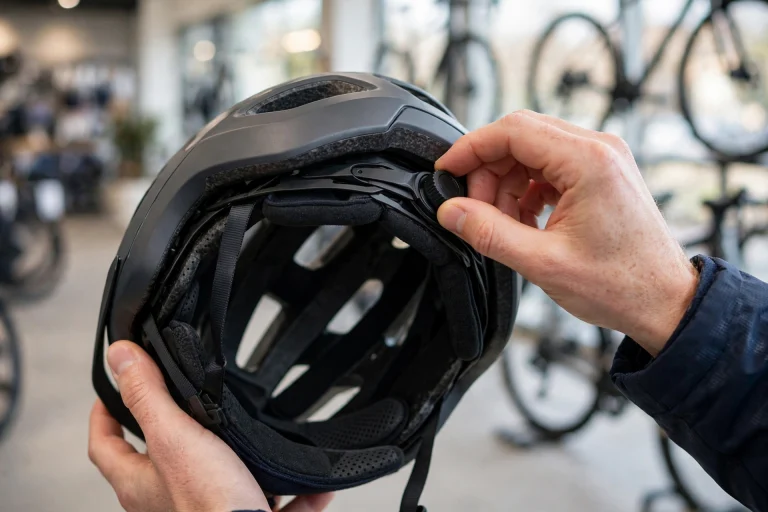
A helmet with a self-adjusting fit system is a helmet that adjusts itself to the shape of the rider’s head, usually through…
A helmet with noise-cancelling ear pads is a helmet whose ear pads use active noise-cancelling technology to reduce steady background sounds, such…
A helmet with temperature sensors is a smart helmet that measures the temperature inside the helmet, and in some designs the temperature…
A helmet with a 360-degree camera mount is a helmet fitted with a mounting point that holds a 360-degree camera, which records…
A helmet with crash detection and auto alert is a smart helmet that senses a serious impact and, if the rider does…
A helmet with a solar charging panel is a helmet that has a small solar panel built into or attached to its…
Yes, in general terms helmet standards do cover visor impact tests, because the visor is part of the helmet’s safety system and…
A helmet batch number is a code printed or stamped on a helmet, usually on a label inside the shell, that identifies…
The EN 14021 standard is the European standard for stone shield helmets, a type of protective helmet worn by workers in quarries,…