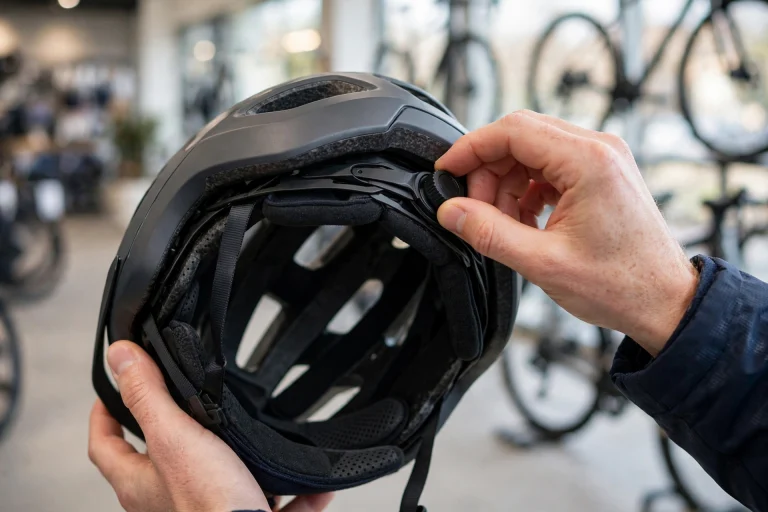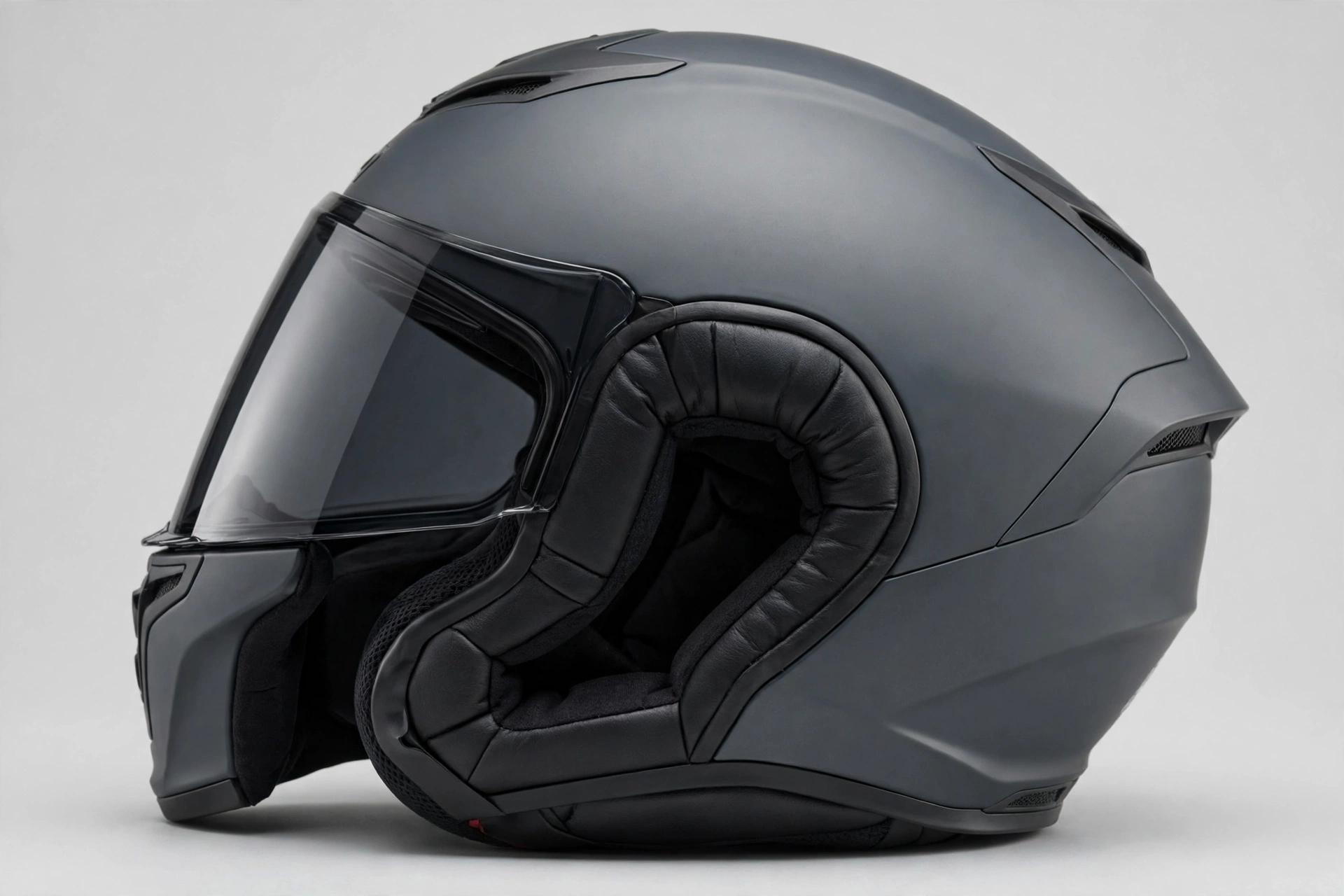
A helmet with noise-cancelling ear pads is a helmet whose ear pads use active noise-cancelling technology to reduce steady background sounds, such as wind roar and engine drone, so the rider hears less of the constant noise around them. The pads contain small microphones and speakers that listen to the noise and produce an opposing sound to cancel part of it out. In general terms, they make a ride quieter and less tiring, but they do not block all sound, and they are not the same as earplugs.
How Do Noise-Cancelling Ear Pads Work?
Noise-cancelling ear pads work through active noise cancellation, a process in which a microphone picks up the sound reaching the ear and the system creates a sound wave that is the opposite of it. When the two waves meet, they partly cancel each other out, so the ear hears less of the original noise. This works best on steady, low sounds such as wind noise, engine hum, and road roar, because those sounds are regular enough for the system to match and cancel. Sudden sounds, such as a horn or a voice, are harder to cancel and usually still come through.
The ear pads need power to work, usually from a small battery built into the helmet or the pads themselves. When the battery runs out, the noise cancelling stops, though the pads still act as ordinary padding. In general terms, the technology reduces noise rather than removing it completely, and the rider will still hear a good deal of the world around them, which is important for safety.
Why Would a Rider Want Noise-Cancelling Ear Pads?
A rider may want noise-cancelling ear pads because wind noise on a motorcycle or at speed can be loud enough to be tiring over a long ride. Constant noise wears down concentration, and a rider who has been listening to wind roar for hours may feel more tired at the end of the day than one who rode in quieter conditions. Reducing that steady noise can make the ride feel calmer and less exhausting, especially on motorways or long tours.
There is also a hearing point. Repeated exposure to loud wind noise can affect hearing over time, and anything that lowers the level of noise reaching the ear can help. If you want to understand the safety technology that protects the head underneath features like this, reading about what MIPS is for helmets is a good place to start, since noise cancelling is a comfort feature that sits alongside the helmet’s impact protection rather than replacing it. In general terms, the pads are about reducing fatigue and noise, not about making the ride silent.

Do Noise-Cancelling Ear Pads Block Important Sounds?
Noise-cancelling ear pads do not block all sound, and that is by design. Active noise cancellation works best on steady background noise, so voices, horns, sirens, and other sudden or changing sounds usually still get through, though they may sound a little softer. The rider should still be able to hear traffic, a passenger, or a warning sound, and a well-designed system leaves those sounds clear enough to notice.
Even so, any device that changes what the rider hears needs care. A rider who cannot hear a horn or an approaching vehicle as clearly as usual may react more slowly, so it is worth testing the pads at low speed first and getting used to how the world sounds with them switched on. In general terms, noise cancelling should lower the background roar without hiding the sounds that matter, but the rider should stay alert and not rely on hearing alone in any case.
How Are Noise-Cancelling Ear Pads Different From Earplugs?
Noise-cancelling ear pads are different from earplugs in how they reduce noise. Earplugs sit in the ear canal and physically block sound, cutting the level of all sounds by a fairly even amount. Noise-cancelling ear pads sit over or around the ear and use electronics to cancel mainly steady, low sounds, while letting more of the changing sounds through. Earplugs are simple, cheap, and need no battery, while noise-cancelling pads are more complex and need power.
Some riders use both, wearing earplugs under a helmet with noise-cancelling pads, though this can make it harder to hear anything at all and may not be a good idea. Others prefer one or the other depending on the ride: earplugs for a short, loud trip, and noise-cancelling pads for a long tour where comfort matters. In general terms, earplugs block more sound overall, while noise-cancelling pads target the steady drone and leave more of the useful sounds in place.
How Do You Look After Noise-Cancelling Ear Pads?
Looking after noise-cancelling ear pads starts with keeping them clean and dry. The pads sit against the skin and collect sweat, so they should be wiped or washed as the maker directs, and they should be allowed to dry fully before the helmet is stored. The battery needs charging before long rides, and the charging port should be kept clean and covered when not in use. If the pads are removable, they can be taken out for cleaning, which helps them last longer.
The electronics inside the pads are sensitive to water, so the helmet should not be soaked to clean it. It is also worth checking the pads regularly for wear, since padding that has gone flat or hard will not seal around the ear as well and the noise cancelling will work less effectively. In general terms, a little regular care keeps the pads comfortable and the electronics working, while neglect can shorten their life and reduce how well they cancel noise.
What Should You Look For When Choosing Them?
When choosing a helmet with noise-cancelling ear pads, the first thing to check is the fit and the safety certification, because the electronics matter far less if the helmet does not fit or is not certified for the kind of riding you do. The ear pads should sit comfortably over the ears without pressing too hard, and the helmet should still feel balanced with the extra parts fitted. Once the basics are right, look at how the noise cancelling is controlled and whether it can be switched off easily while riding.
Battery life is another practical point. A system that lasts only a few hours may run out on a long tour, while one that lasts a full day is more useful. It is also worth asking whether the pads can be replaced if they wear out, and whether the noise cancelling works when the battery is flat or only when it is charged. In general terms, the best choice is a helmet that fits well, is certified, and has ear pads that feel comfortable and reduce the steady noise without hiding the sounds that matter on the road.
Do noise-cancelling ear pads make riding silent?
No. They reduce steady background noise such as wind and engine drone, but voices, horns, and sirens usually still come through. The ride becomes quieter, not silent.
Can I wear earplugs with noise-cancelling ear pads?
In general terms, you can, but it may make it hard to hear important sounds. Try the combination at low speed first, and be careful not to block so much sound that you miss a horn or a warning.
Do noise-cancelling ear pads need charging?
Yes, in general terms they run on a small battery that needs charging. When the battery is flat, the noise cancelling stops working, though the pads still act as ordinary helmet padding.

Olivia
Writer at Helmet Today, covering helmet reviews, fit and riding safety.