Equestrian Helmets
6 min read
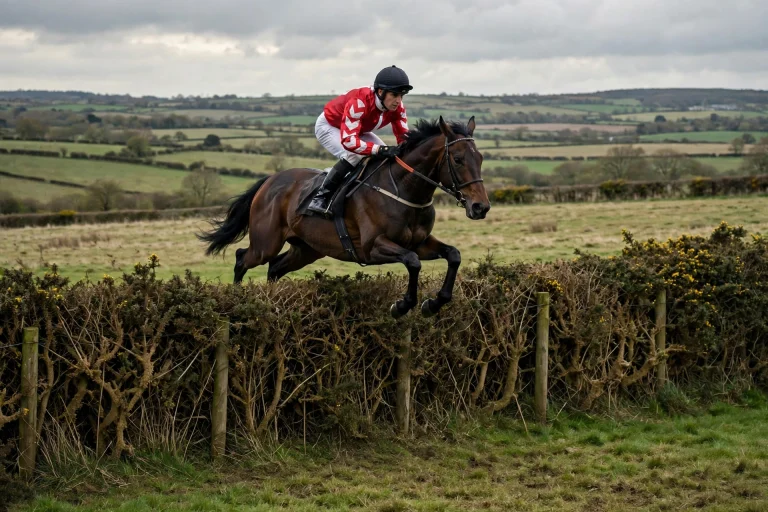
A steeplechase helmet is a jockey’s skull cap helmet, worn for steeplechase racing over fences, where horses jump large, fixed fences at…
Equestrian Helmets
6 min read
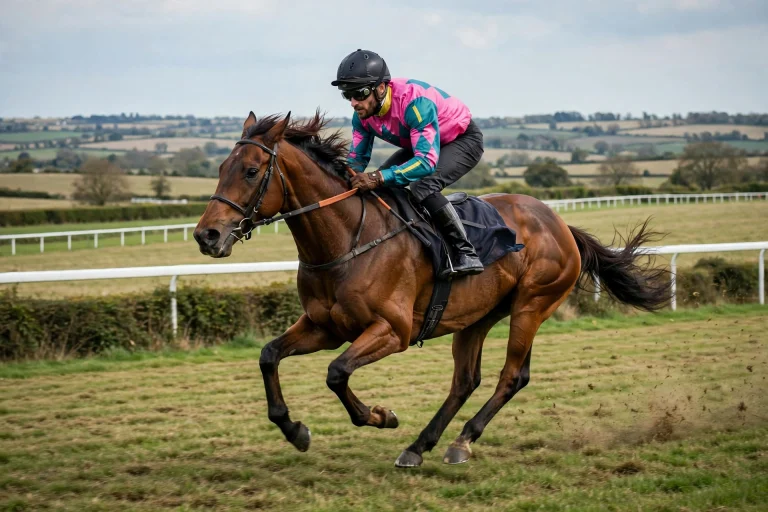
Jockeys wear a lightweight, close-fitting skull cap helmet, usually covered by a silk cap in the colours of the horse’s owner, designed…
Equestrian Helmets
6 min read
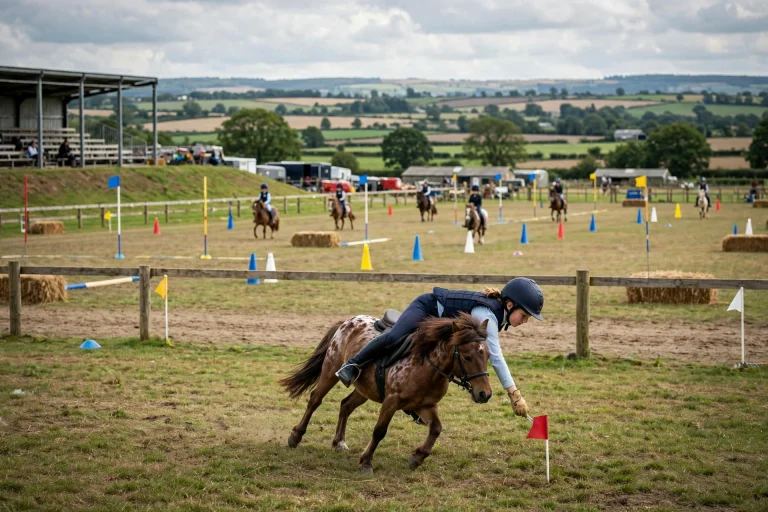
A mounted games helmet is a riding helmet worn for mounted games, a fast team sport on horseback in which riders race,…
Equestrian Helmets
6 min read
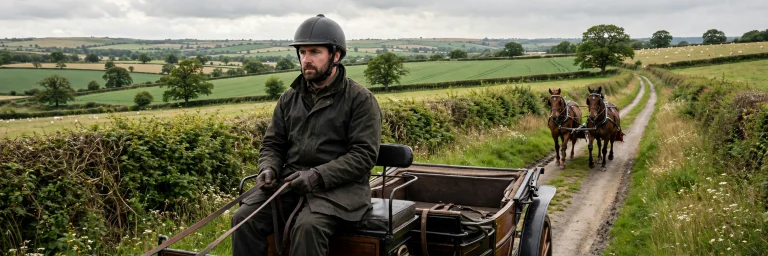
A carriage driving helmet is a riding helmet worn by the driver and passengers on a horse-drawn carriage, designed to protect the…
Equestrian Helmets
6 min read
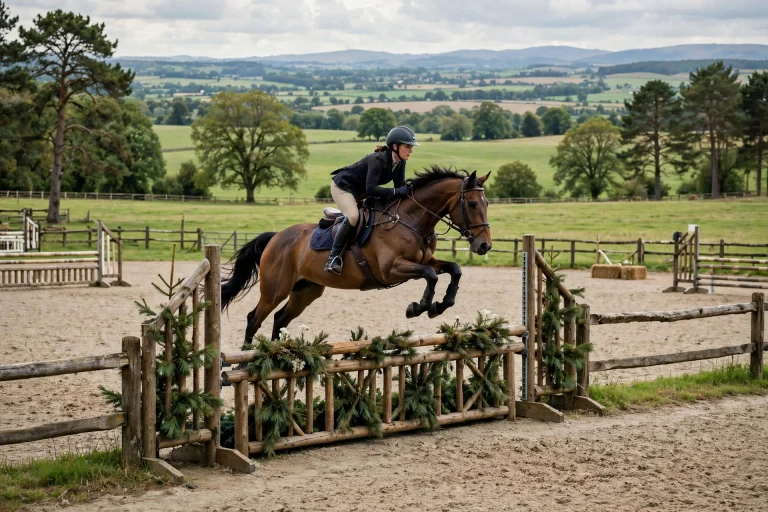
A hunter and jumper helmet is a low-profile, classic-style riding helmet worn for hunter and jumper classes, designed to look traditional in…
Equestrian Helmets
6 min read
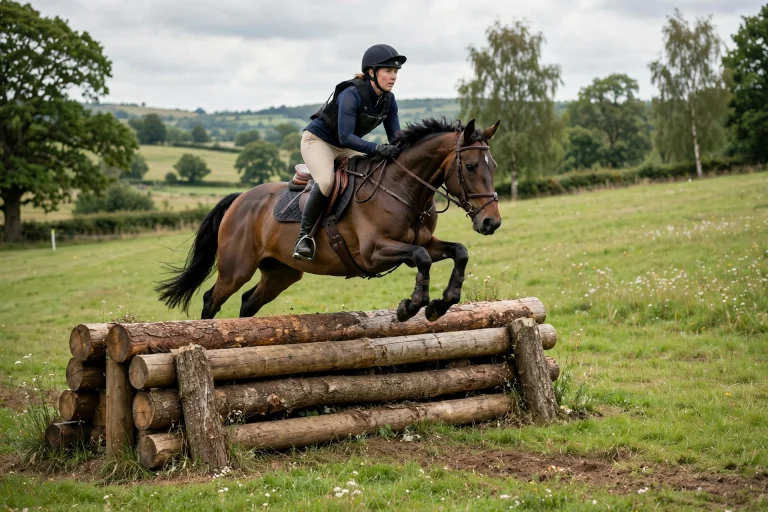
A cross-country riding helmet is a lightweight equestrian helmet, worn by riders who tackle a course of solid fences, banks, ditches, and…
Motorsport & Karting Helmets
6 min read
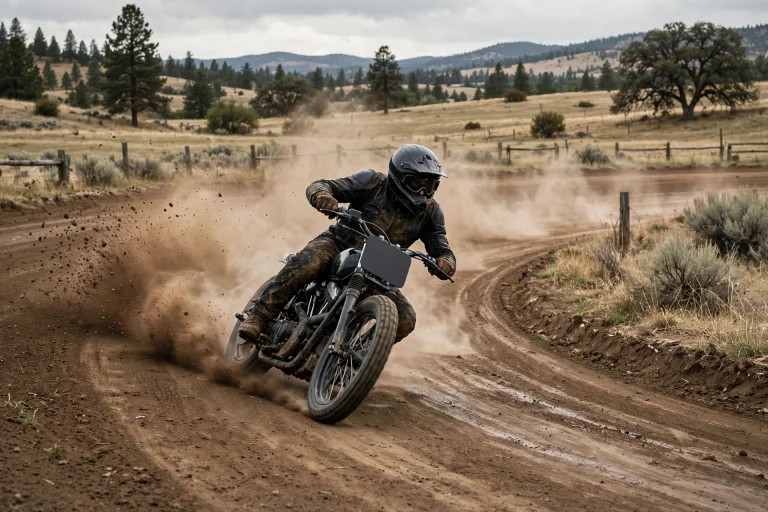
A flat track motorcycle helmet is a full face off-road helmet, worn by riders who race on oval dirt tracks on bikes…
Motorsport & Karting Helmets
6 min read
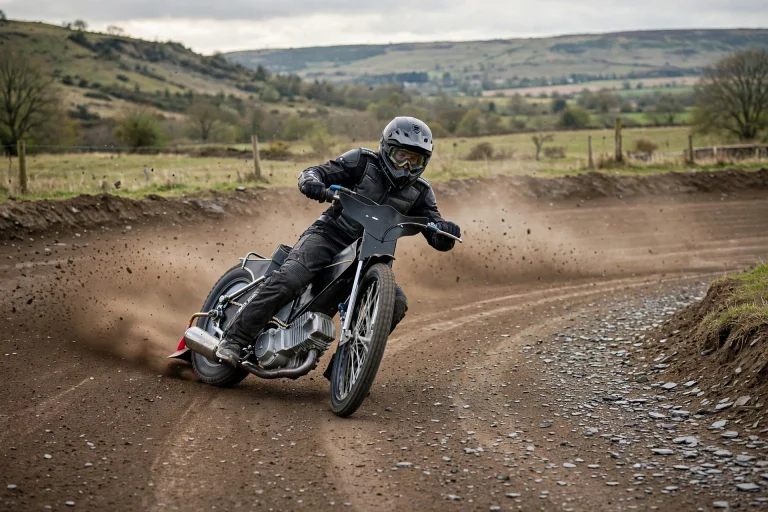
A speedway helmet is a full face motorcycle helmet, worn by riders who race on oval dirt tracks with no brakes and…
Motorsport & Karting Helmets
6 min read
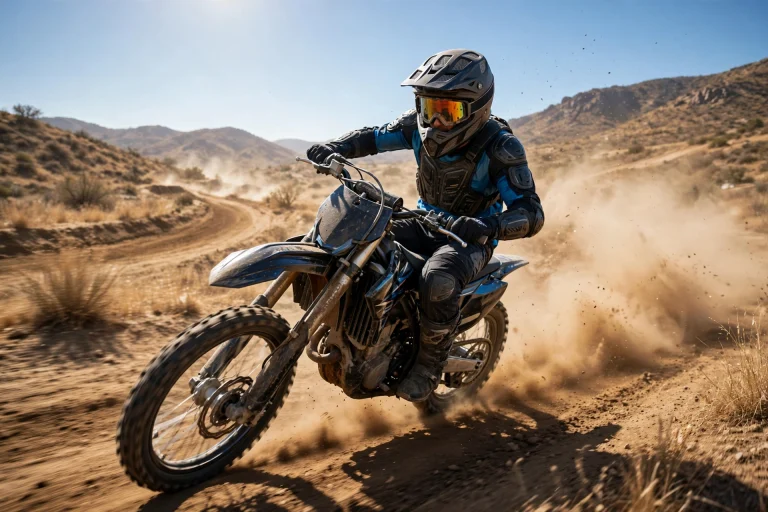
Good motocross helmet ventilation keeps you cool and your goggles clear on hot race days — and on a hot day, it…