BMX helmets are covered by bicycle helmet safety standards, which set minimum requirements for impact protection, coverage, and strap strength — and in general terms, you should only buy a helmet that meets a recognised standard for your region. The exact standard depends on where you live, and racing organisations may require specific certifications on top of the basic standard.
Certification labels can be confusing: a helmet box may carry several acronyms, and it is not always clear which ones matter. This guide explains the main standards, what they test, and how to check that a helmet you are buying actually meets them.
What Does Helmet Certification Actually Test?
Helmet certification tests whether a helmet absorbs impact well enough to protect your head. In general terms, testers drop a helmet onto hard surfaces at set speeds and measure how much force reaches a test headform inside. They also test the straps and buckle to make sure the helmet stays on, and check that the helmet covers the right areas of the head.
The tests are deliberately harsh. A helmet must pass multiple impacts at different points and temperatures, and the force reaching the headform must stay below a set limit. Helmets that pass earn the right to carry the standard’s label. Helmets that fail cannot be sold as meeting that standard.
It is important to understand what certification does not guarantee. It does not mean a helmet will prevent all injuries, and it does not mean every certified helmet protects equally well in every kind of crash. Certification is a minimum bar, not a ranking. Two certified helmets can still differ in coverage, fit, and comfort.
Which Standards Apply to BMX Helmets?
In the United States, bicycle helmets must meet the CPSC standard, which is a legal requirement for helmets sold there. A helmet sold in the US without CPSC certification should not be on the market. In Europe, the relevant standard is EN 1078, which applies to cycling helmets including those used for BMX. Other regions have their own standards, such as AS/NZS 2063 in Australia and New Zealand.
These standards are similar but not identical. They differ in test speeds, impact points, and coverage requirements, which is why a helmet certified for one region is not automatically certified for another. If you buy a helmet from overseas, check that it meets the standard recognised where you ride, not just the standard of the country it was sold in.
Some BMX helmets also carry additional certifications. Downhill and BMX racing helmets may meet ASTM F1952, a standard for downhill mountain biking that includes higher-speed testing. Skate-style helmets may meet ASTM F1492, a standard for skateboarding and trick roller skating that includes multiple-impact testing, reflecting the repeated falls of those sports. A helmet carrying both a bicycle standard and ASTM F1492 is a common and sensible choice for freestyle BMX.
How Do You Check a Helmet’s Certification?
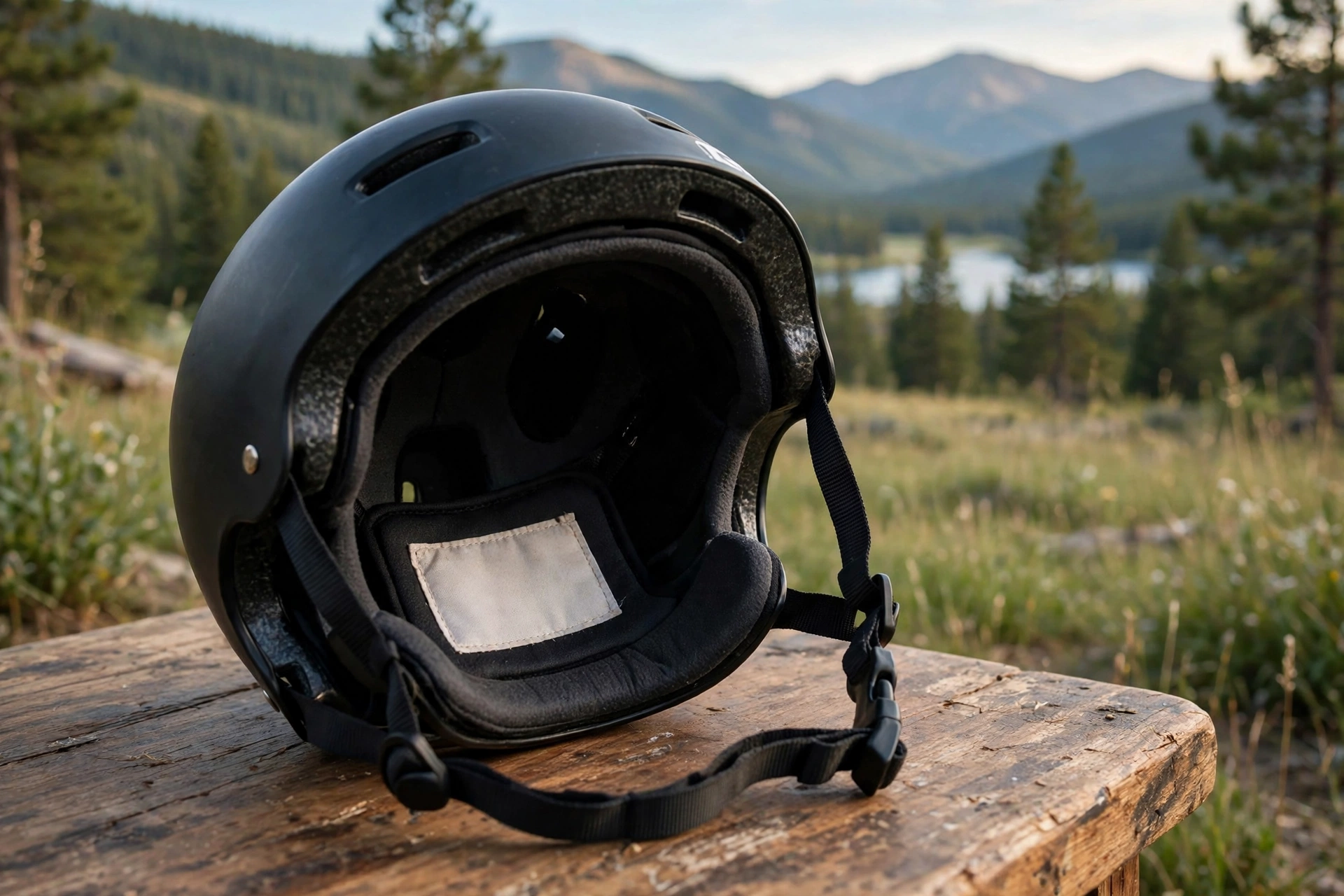
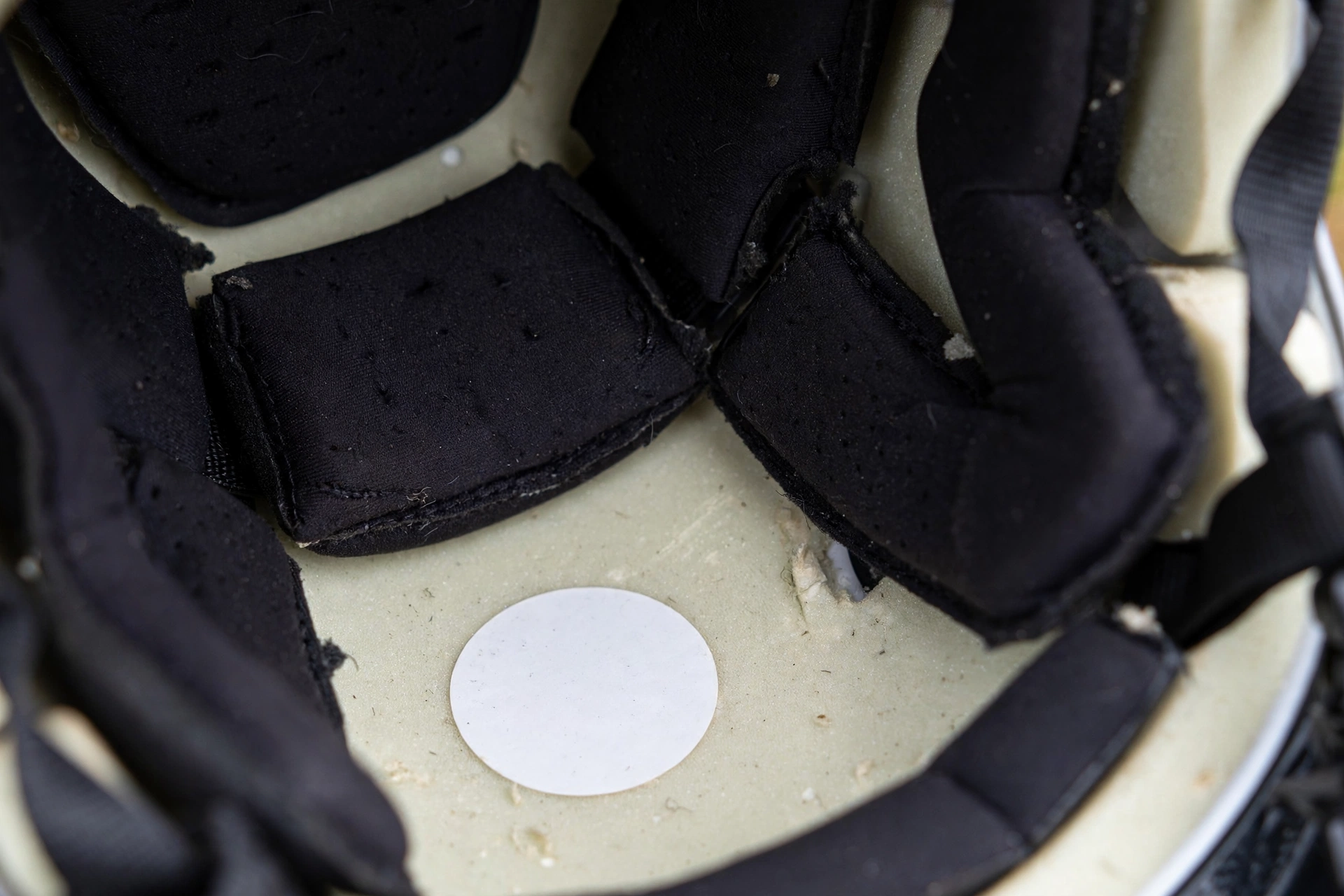
Look inside the helmet. Certified helmets carry a label, usually on the inside of the shell or on the padding, stating which standard or standards they meet. The label should name the standard and often the testing body. If there is no label, or the label is vague, treat the helmet with suspicion.
Also check the box and the maker’s listing. Reputable makers state certifications clearly, because certification is a selling point. If a listing does not mention any standard, or uses vague language like “safety tested” without naming a standard, that is a warning sign. “Safety tested” is not the same as certified.
Be especially careful with very cheap helmets from unknown makers, particularly those bought from general marketplaces. Counterfeit or uncertified helmets do exist, and they may look identical to certified ones while offering far less protection. Buying from a reputable retailer and checking the label inside the helmet are simple steps that protect you.
Do Racing Rules Require Specific Certifications?
Yes, often. BMX racing organisations typically require helmets to meet a recognised standard, and some specify which standards are accepted. A helmet that is fine for park riding may not be accepted at a race if it lacks the required certification, so check the rules before race day rather than at the gate.
Full face helmets are sometimes required or recommended for racing, particularly for younger age groups or on larger tracks. The rules vary by organisation and age category, so the only reliable source is your race organisation’s current rulebook. Rules change, so check the current version rather than relying on what applied last season.
Even where rules do not require it, racing in a certified helmet is simply good sense. Racing speeds are high, falls are hard, and the difference between a certified and an uncertified helmet could be the difference between walking away and a serious injury. Certification is not paperwork for its own sake; it is evidence that the helmet has been tested.
Does Certification Replace Fit and Replacement?
No. Certification tells you the helmet passed tests when new, in a laboratory, on a test headform. It does not tell you whether the helmet fits your head, and a certified helmet that fits badly protects you less than its label suggests. Fit remains the rider’s responsibility: level on the head, snug all around, strap fastened.
Certification also does not last forever. A helmet that has taken a hard impact, or that has aged through years of sun, sweat, and knocks, may no longer perform as it did when tested. That is why makers and safety bodies recommend replacing helmets after hard impacts and after years of use, even if they still carry their certification label.
Think of certification as the starting point, not the whole story. Choose a certified helmet, make sure it fits, look after it, and replace it when it is damaged or worn out. For a plain explanation of one safety feature you may see alongside certification labels, see what MIPS is for helmets.
Frequently Asked Questions
Q: What is the most important BMX helmet certification?
A: It depends on where you live: CPSC in the United States, EN 1078 in Europe, and AS/NZS 2063 in Australia and New Zealand. Any helmet you buy should meet the standard recognised in your region.
Q: Is a helmet without a certification label safe?
A: In general terms, no. Without a label naming a recognised standard, you have no evidence the helmet was tested. Avoid uncertified helmets, especially very cheap ones from unknown makers.
Q: Do certifications expire?
A: The label does not expire, but the helmet’s protection degrades with impacts, age, and wear. Replace a helmet after a hard impact or after years of heavy use, even if the label is still inside it.

Olivia
Writer at Helmet Today, covering helmet reviews, fit and riding safety.