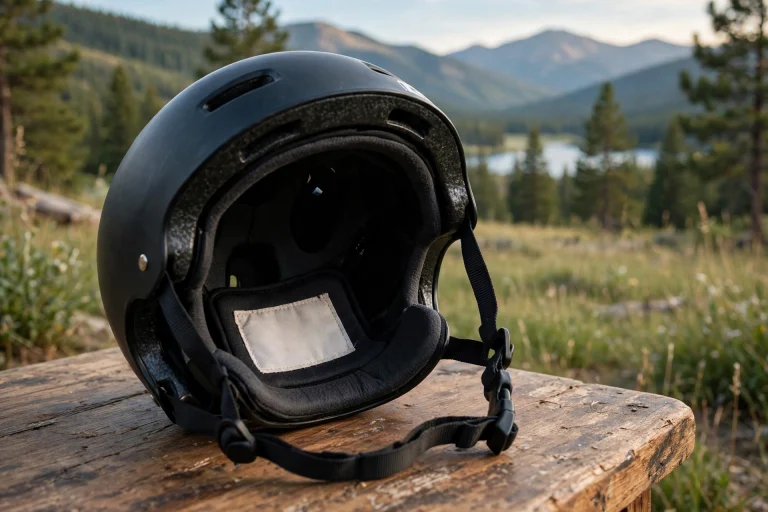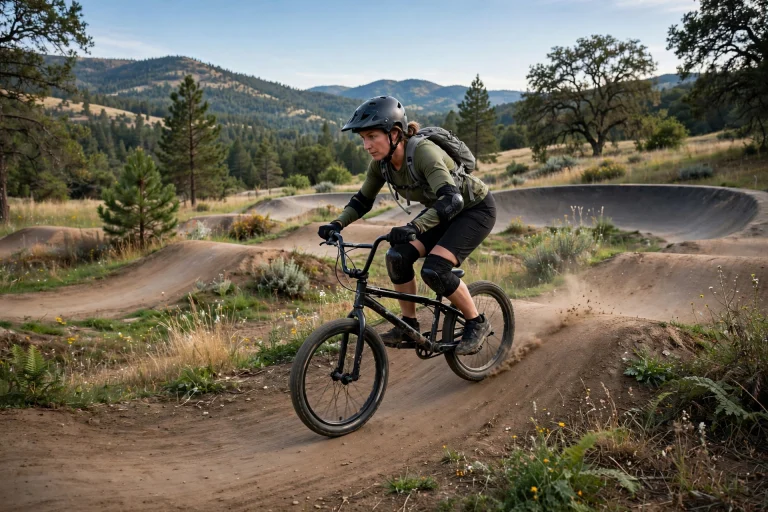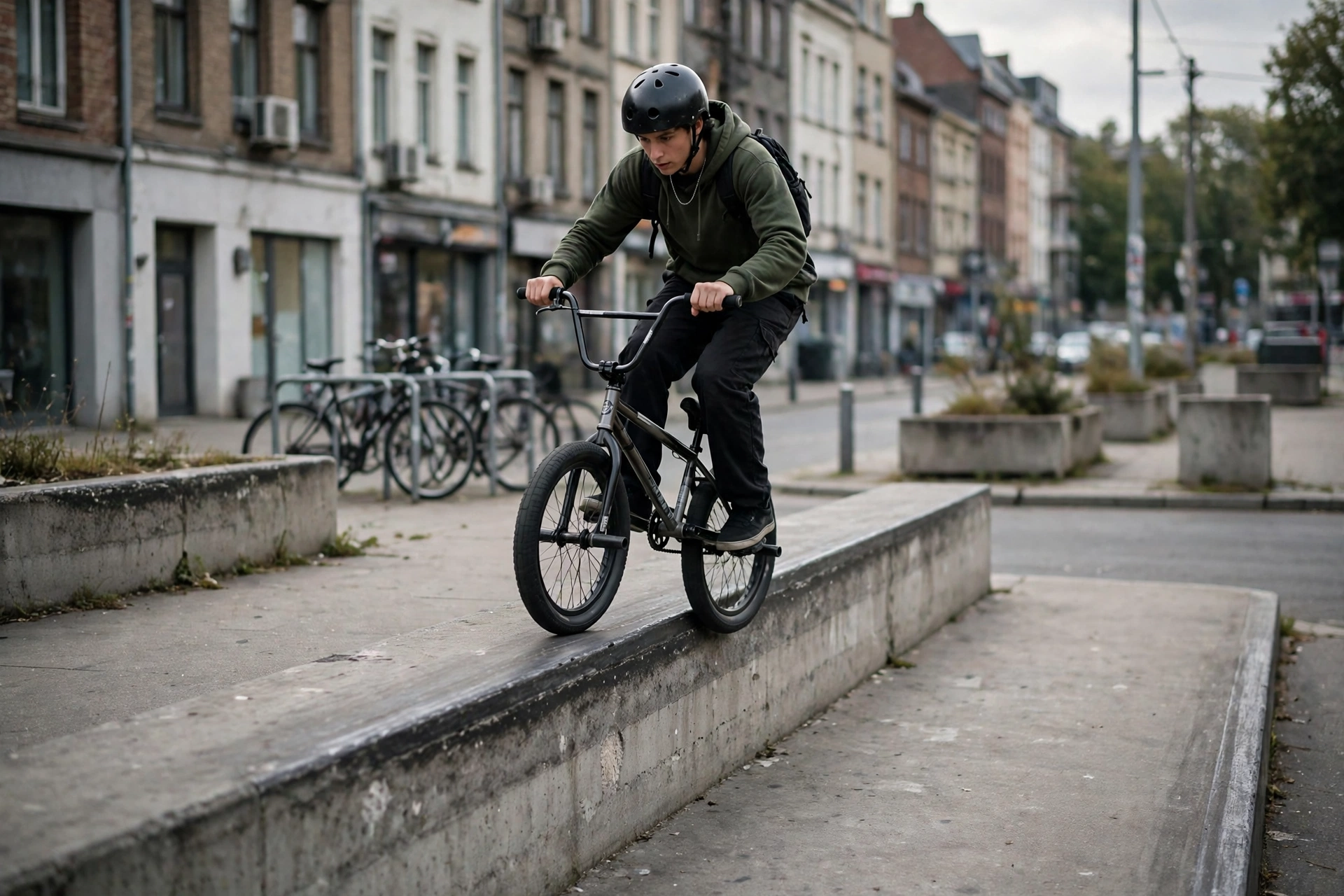
For BMX street riding, look for a helmet with low coverage over the back and sides of the head, a tough hard shell, a secure fit that stays put, and enough ventilation for long sessions. In general terms, street riding means frequent falls onto concrete, rails, and ledges, so coverage and durability matter more than light weight or aerodynamics.
Street riding is hard on helmets. You fall on concrete, you clip ledges and rails, you drop your helmet on the ground between spots, and you ride for hours in all weather. A street helmet needs to handle all of that while staying comfortable enough that you actually wear it. This guide explains what to prioritise when choosing one.
Why Does Street Riding Need a Different Helmet From Other BMX?
Street riding has a fall profile of its own. Falls are often sideways or backwards, onto concrete, and they can involve street furniture: a ledge edge, a rail, a stair set, or a wall. That means the back and sides of the head need coverage, and the shell needs to survive scrapes against rough surfaces without cracking or splitting.
Street sessions are also long and mobile. You ride between spots, wait for traffic, and session a ledge for an hour. A helmet that is heavy, hot, or uncomfortable becomes a burden over that kind of day. Comfort is not a luxury for street riding; it is what keeps the helmet on your head.
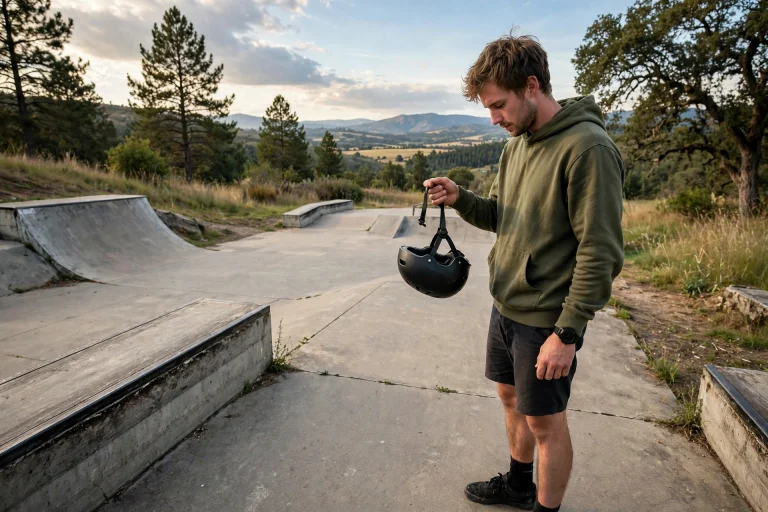
Finally, street helmets get knocked around off the bike too. They get dropped on concrete, stuffed in bags, and left in the sun. A helmet with a tough outer shell handles that life better than a lightweight helmet built for race day. Durability is a street helmet feature, not an afterthought.
What Coverage Should a Street Riding Helmet Have?
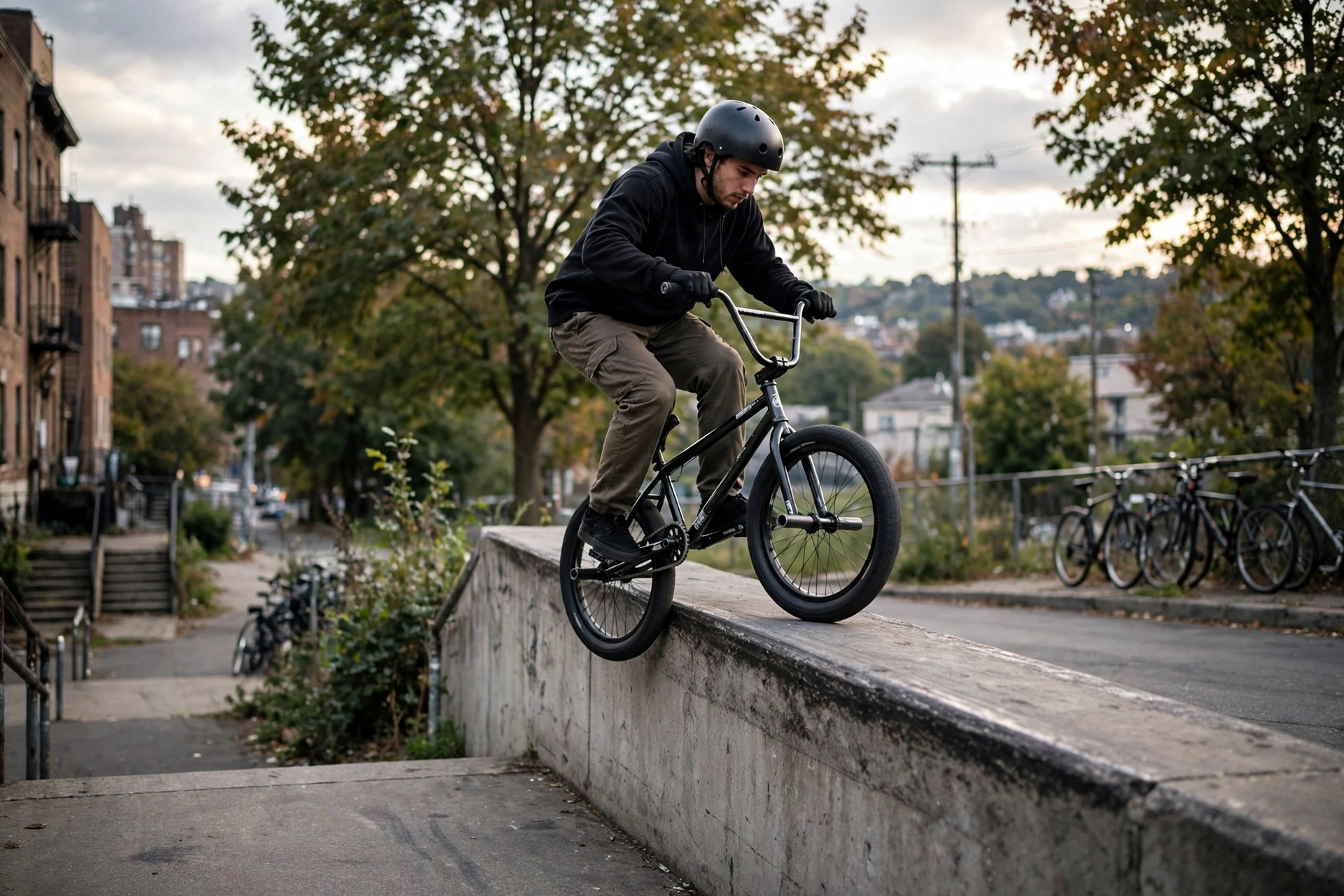
Look for a helmet that sits low over the back and sides of the head. The classic skate-style freestyle shape does this well, which is why it remains the standard street helmet. It covers the areas most likely to hit concrete in a sideways or backwards fall, and its rounded shape slides rather than catching on surfaces.
Be wary of helmets that sit high on the head, leaving the lower back of the skull exposed. Some lightweight cycling helmets are shaped this way for aerodynamics, but aerodynamics is not a street riding priority. Coverage where falls actually happen matters more.
Ear coverage is worth considering too, since pads over or around the ears add side protection. The trade-off is hearing and heat, which matters in street riding where you need to hear traffic. A helmet with removable ear pads gives you the choice, which is useful if you ride both busy streets and quiet parks.
How Important Are Fit and Ventilation for Street Riding?
Fit is the most important feature of any helmet, and street riding is no exception. A street helmet should sit level, feel snug all around, and stay put when you shake your head. Because street riding involves a lot of looking around — checking traffic, spotting lines, watching for pedestrians — a helmet that shifts when you turn your head is a distraction and a safety problem.
Ventilation matters for long street sessions, especially in summer. A helmet with decent airflow keeps sweat out of your eyes and stops the session from becoming miserable. Street helmets traditionally ventilate less than racing helmets, so compare models: a few well-placed vents with internal channels can make a noticeable difference.
Straps deserve attention too. Street helmets take a lot of on-and-off use, and straps that are easy to adjust and buckle with one hand are a real convenience. Check that the strap sits comfortably under your chin and does not twist or dig in, and that the buckle works smoothly even with dusty or sweaty hands.
What About Style, Colour, and Price?
Style matters to street riders, and there is nothing wrong with choosing a helmet you like the look of — a helmet you like is a helmet you will wear. But style should come after fit, coverage, and certification. A good-looking helmet that fits poorly or lacks coverage is a bad helmet, however it looks.
Colour has a practical side too: brighter colours are more visible to drivers and pedestrians, which matters when you ride in traffic. A white, bright, or reflective helmet is easier to spot than a matte black one at dusk. Visibility is a genuine safety feature for street riding, not just a fashion choice.
Price is less important than many riders expect. In general terms, a mid-priced helmet from a reputable maker that fits well and meets a recognised safety standard protects you as well as a much more expensive one. Spending more can buy comfort, ventilation, and features, but it does not automatically buy more safety. If you are comparing features, it helps to understand what they do — see what MIPS is for helmets for a plain explanation of one common system.
When Should You Replace a Street Riding Helmet?
Replace a street helmet after any hard impact, even if it looks fine. The foam liner crushes to absorb energy, and that damage is often invisible from outside. A helmet that has taken a hard hit may look intact while offering far less protection next time.
Also replace a helmet that is cracked, has a loose shell, has frayed straps, or no longer fits snugly because the padding has compressed. Street helmets wear out through daily use, and padding that has gone flat means a looser fit and less protection.
Age matters as well. In general terms, a helmet that has been used hard for several years, left in the sun, and dropped many times is past its best even without a single big crash. Regular inspection — while cleaning, for example — helps you catch wear before it becomes a problem.
Frequently Asked Questions
Q: Is a skate-style helmet good for BMX street riding?
A: Yes. A skate-style freestyle helmet is the standard street choice because it covers the back and sides of the head, has a tough shell, and survives daily knocks well.
Q: Should a street helmet be brightly coloured?
A: It helps. Bright colours and reflective details make you more visible to drivers and pedestrians, which is a real safety benefit when riding in traffic.
Q: Can I use the same helmet for street and park riding?
A: Yes, in general terms. Street and park riding have similar fall profiles, so a good freestyle helmet suits both. The same helmet can serve for flatland too.

Olivia
Writer at Helmet Today, covering helmet reviews, fit and riding safety.