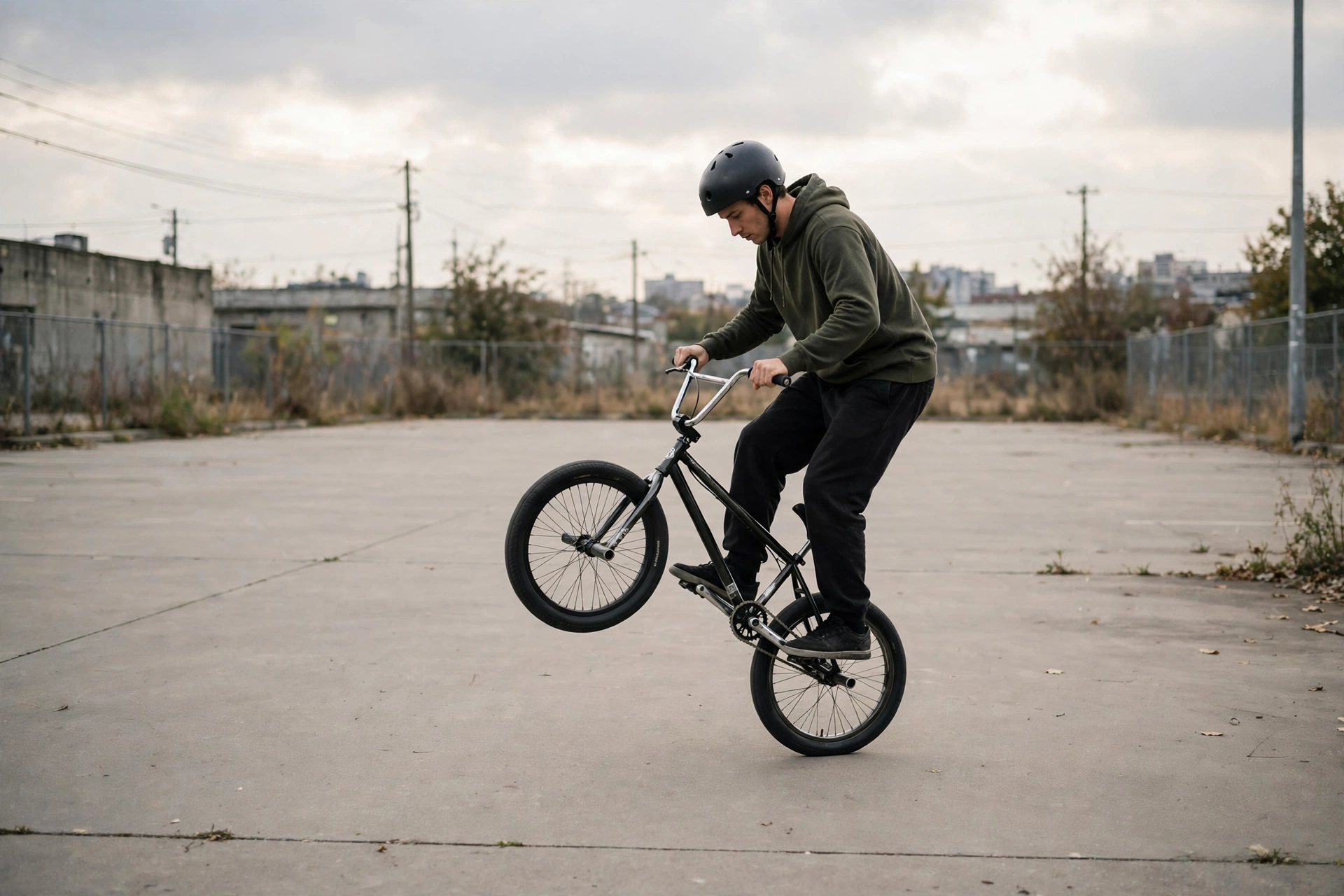
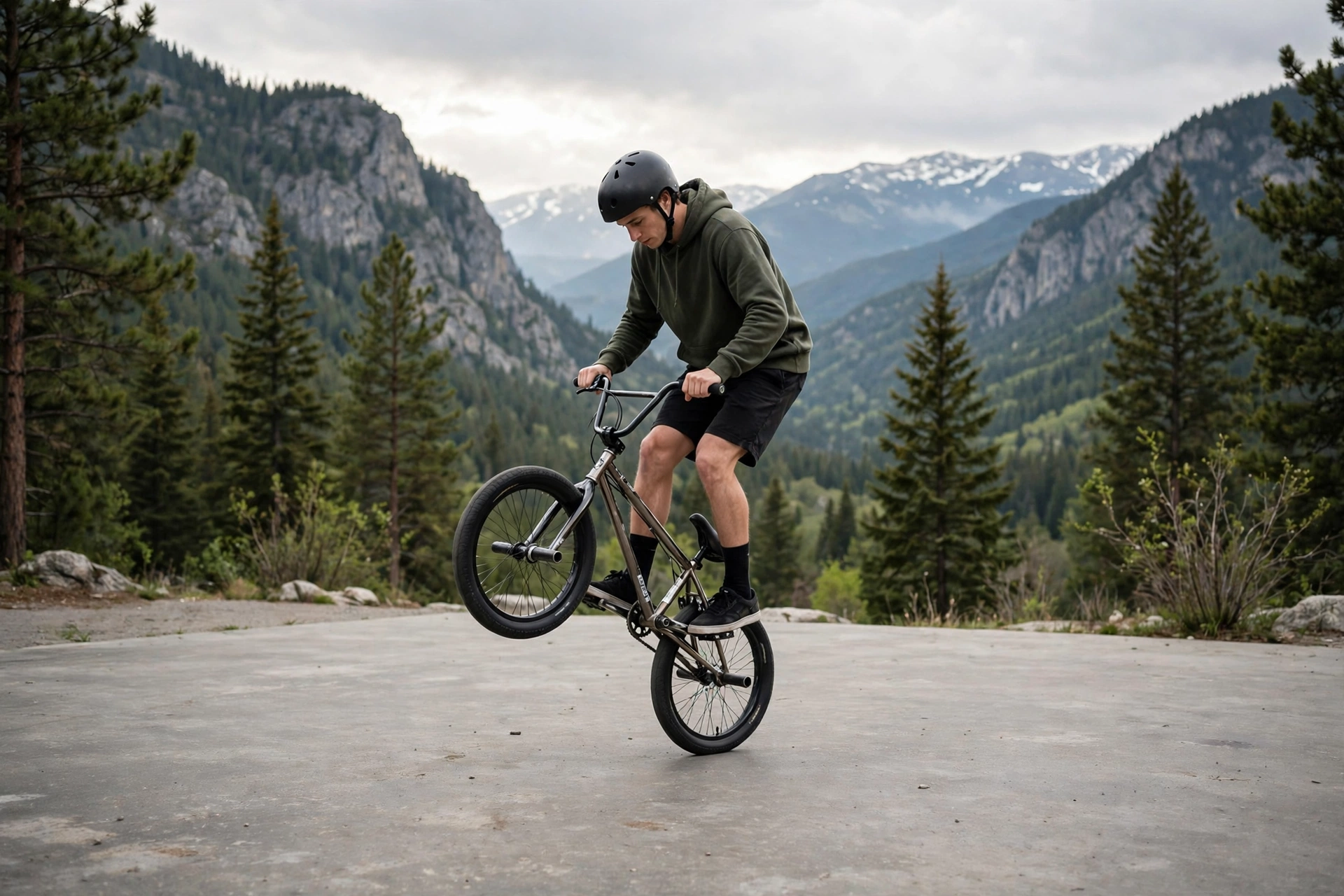
Yes, you need a helmet for BMX flatland. Even though flatland is ridden on flat ground at low speed, falls are frequent and unpredictable, and your head can hit concrete with surprising force. In general terms, flatland may look gentle compared to dirt jumping or racing, but the combination of balance tricks, spinning, and hard ground makes a helmet just as important.
Flatland has a reputation for being the “safe” BMX discipline because there are no jumps, no ramps, and no traffic. That reputation is misleading. Flatland riders fall often — sometimes several times in a single session — and many of those falls are sideways or backwards, exactly the directions where head contact with concrete is likely. A helmet is cheap protection against a risk that is real even at low speed.
Why Do Flatland Riders Fall if Speeds Are Low?
Flatland tricks are built on balance at the edge of control. A rider balancing on a front peg while spinning the bars, or rolling backwards in a trick, is one small error away from the ground. Unlike a jump, where you can often bail onto your feet, a flatland fall can happen before you have time to react, and your hands may be holding the bars or the frame rather than free to break the fall.
The ground makes it worse. Flatland is ridden on concrete or asphalt, which does not forgive. Even a fall from standing height can cause a head injury if your head hits concrete directly, and flatland falls often involve rotation or momentum that adds force. Speed is not the only thing that hurts you; height and hardness matter too.
Fatigue plays a role as well. Flatland sessions involve hours of repeated attempts, and tired legs and arms make mistakes more likely. The fall that catches you is often not the hard trick but the easy one you tried when you were already tired.
What Kind of Helmet Suits BMX Flatland?
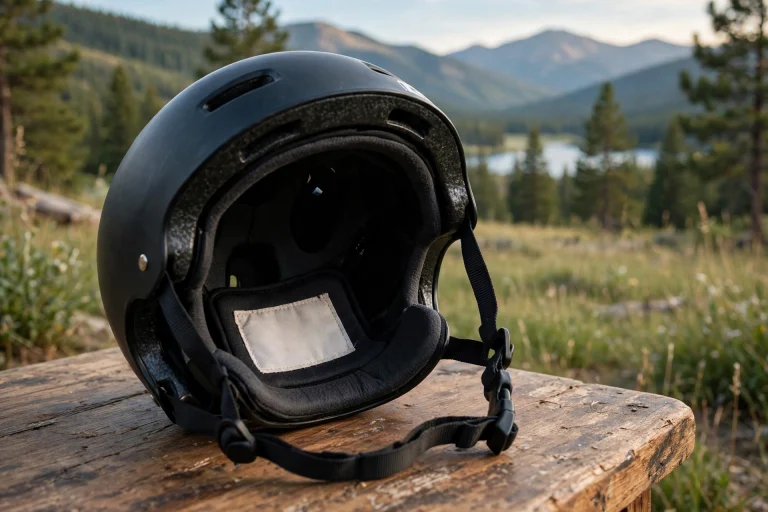
A skate-style freestyle helmet is the natural choice for flatland. Its low, rounded shape covers the back and sides of the head well, which matches the sideways and backwards falls flatland riders have. It is also comfortable for long sessions, durable enough to survive being dropped, and easy to wear for hours without the weight and heat of a full face helmet.
A full face helmet is more protection than flatland usually needs. It is heavier, hotter, and restricts movement and vision in ways that get in the way of balance tricks. Some riders wear one for learning particularly risky tricks, but for general flatland riding, an open-face freestyle helmet is the standard choice.
Fit matters more than brand. The helmet should sit level, feel snug without pressure points, and stay put when you shake your head. Because flatland involves a lot of head movement — looking over your shoulder, spinning, ducking under bars — a helmet that shifts around will distract you and may not protect you properly in a fall.
Do Experienced Flatland Riders Still Need a Helmet?
Yes. Experience reduces how often you fall, but it does not remove the risk, and experienced riders often attempt harder tricks with bigger consequences. A rider who has been riding flatland for years is attempting tricks a beginner would not try, and those tricks carry their own fall risk.
There is also a social argument. Younger riders copy what experienced riders do. An experienced rider who wears a helmet sets a norm that makes it easier for beginners to wear one too. An experienced rider who rides without one sends the opposite message, whether they mean to or not.
Some experienced riders argue that they can fall safely, having learned to roll or tuck. Break-falling skills genuinely help, but they are not reliable protection: they depend on having time to react, free hands, and a clean fall. A trick gone wrong rarely offers all three. A helmet covers the cases where technique does not.
What About Riding Flatland in a Car Park or Quiet Street?
Flatland is often ridden in car parks, quiet streets, or empty lots, which adds hazards beyond the tricks themselves. Cars may enter unexpectedly, the ground may have drains, cracks, or loose gravel, and other people may walk through the area. A helmet does not protect against all of these, but it does protect against the head injury that is the most serious likely outcome of a fall.
Where you ride also affects whether a helmet is expected. Some organised flatland events and jams require helmets, and some skateparks require them for all riding, including flatland. Even where it is not required, wearing one is a simple habit that costs little and protects a lot.
It is also worth thinking about the surface. Smooth, purpose-built flatland ground is more forgiving than rough asphalt with cracks and stones, but neither is soft. If you are learning flatland, choose the smoothest ground you can find, and wear a helmet regardless of how smooth it looks. To understand more about helmet safety features, see what MIPS is for helmets for a plain explanation of one common system.
How Do You Make Wearing a Helmet a Habit for Flatland?
The simplest trick is to make the helmet part of your kit, not an optional extra. Keep it with your bike, put it on before your first trick, and leave it on for the whole session. Riders who take their helmet off “just for one easy trick” often find that one trick is the one they fall on.
Comfort helps the habit stick. A helmet that fits well, ventilates decently, and does not press on your ears is one you will forget you are wearing. If your current helmet is uncomfortable, it is worth finding one that fits better rather than riding without one.
Finally, ride with people who wear helmets. Habits are social, and a group where everyone wears a helmet makes it the normal thing to do. If you are the only one wearing one in your group, wear it anyway — you may be the reason the next rider decides to as well.
Frequently Asked Questions
Q: Is flatland really dangerous enough to need a helmet?
A: Yes. Flatland falls are frequent, often sideways or backwards, and the ground is concrete or asphalt. Even low-speed falls can cause head injuries if your head hits hard ground directly.
Q: What helmet is best for BMX flatland?
A: A skate-style freestyle helmet is the usual choice: it covers the back and sides of the head, is comfortable for long sessions, and is durable enough for daily use.
Q: Can I wear a bike helmet instead of a BMX helmet for flatland?
A: In general terms, a cycling helmet that meets a recognised safety standard offers protection, but a freestyle BMX helmet usually covers the back and sides of the head better, which suits flatland falls.

Olivia
Writer at Helmet Today, covering helmet reviews, fit and riding safety.